

CCSD code G5100: Bypass of duodenum billing guide
CCSD code G5100 bills a bypass that leaves the duodenum in place CCSD code G5100...

Last Updated: Oct 16, 2026
B5000 is the HCPCS Level II code for parenteral nutrition solution compounded amino acid and carbohydrates with electrolytes, trace elements, and vitamins, including preparation, any strength, renal-aminosyn-rf, nephramine, renamine-premix.
Bill HCPCS code B5000 pays for a compounded renal amino acid parenteral nutrition solution. Medicare counts it by the gram of amino acid in the mix, not by the milliliters in the bag.
That one distinction causes more denials than almost anything else in the parenteral nutrition B-code range. Mix up the renal pattern with its hepatic or stress-pattern siblings, and the claim can bounce before a reviewer sees it. The same goes for carrying over a habit from codes that bill by the day instead of by the gram.
Here's how the code actually works, gram by gram, and what changed now that the old CMN is gone.
Let Pabau's smart automation suggest the right codes, reduce claim denials, and keep your practice compliant—effortlessly.
Automate repetitive tasks and focus on what matters most—your patients.
Reduce coding errors and ensure compliance with the latest regulations.
Clean claims, fewer denials, and faster reimbursements.
Powerful insights and reporting to help your practice thrive.
HIPAA compliant SOC 2 certified GDPR-compliant Trusted by 4,000+ clinics worldwide

HCPCS code B5000 covers a compounded renal amino acid parenteral nutrition solution. One unit of service equals one gram of amino acid in the bag, not a volume of fluid.
Solutions with fewer than 10 grams of protein a day are billed as B9999, the miscellaneous parenteral nutrition code, not B5000.
B5100 is the hepatic amino acid pattern and B5200 is the stress, or high-branched-chain, pattern. There is no separate pediatric code in this range.
Medicare covers B5000 under the Part B Prosthetic Device benefit, billed through the DME MAC. The paper CMN was retired on January 1, 2023, replaced by a Standard Written Order plus medical-record documentation.
B5000 belongs to HCPCS Level II. CMS, the Centers for Medicare and Medicaid Services, maintains this code set for supplies and services CPT codes don’t capture. It describes one product: a compounded solution built around a renal amino acid pattern, such as Aminosyn-RF, NephrAmine, or RenAmin. The pharmacy combines that base with carbohydrates, electrolytes, trace elements, and vitamins in a single preparation. An appeal filed after the timely filing window is denied on timeliness alone, whatever the coding showed. Denial codes in medical billing group the reasons a payer refuses, and the group decides the fix.
The table below lays out the code’s core attributes the way billers actually use them. It draws on CMS’s coding system and its parenteral nutrition billing article.
Say a home infusion pharmacy compounds a renal amino acid bag with 42 grams of amino acid. The patient has stage 4 chronic kidney disease and short bowel syndrome. The supplier bills 42 units of B5000 for that bag, full stop. It doesn’t matter whether the bag is 1,500 ml or 2,200 ml. Fluid volume plays no part in the unit count.
Say that patient’s protein target later drops to 8 grams a day during a taper. The claim now moves to B9999, the miscellaneous parenteral nutrition code, because it falls under the 10-gram-per-day threshold. Miss that shift, and you’ll bill a code that no longer fits the order. Or you’ll bill units that don’t match the compounding record.
A renal diagnosis alone doesn’t justify B5000. Kidney disease limits a patient’s ability to clear nitrogenous waste. So a renal amino acid formula uses a modified profile, often weighted toward essential amino acids, to reduce that load. The medical record has to connect that clinical reasoning to the formulation. Listing a CKD diagnosis and stopping there isn’t enough.
The same logic runs across the whole range. Hepatic patients get B5100. Liver failure changes how the body handles aromatic and branched-chain amino acids differently than kidney disease does. Metabolically stressed patients, think trauma, sepsis, or major surgery, get B5200’s high-branched-chain formula for a different reason again.
Coders sometimes pick the code from the chart diagnosis instead of the amino acid pattern actually compounded. That’s one of the most common errors in this range.
Home parenteral nutrition with a renal pattern is usually layered onto an existing infusion therapy program.
B5000 is priced on the CMS DMEPOS fee schedule, the same schedule covering durable equipment, prosthetics, orthotics, and supplies. It’s updated quarterly. B5000 pays per gram of amino acid, not per bag. So the allowable amount tracks the protein content compounded, not the number of bags a patient receives each month.
Third-party code databases publish estimates. But the rate that matters is the one in CMS’s own DMEPOS fee schedule files, which update every January and again each quarter. Confirm the current per-gram rate before submitting, especially early in a new fee schedule cycle.
With built-in inventory tracking, every dressing or catheter billed under these codes matches recorded stock movement.
Parenteral nutrition is covered under Medicare Part B’s Prosthetic Device benefit (Social Security Act §1861(s)(8)), not the general DME benefit. Suppliers often default to the DME benefit for equipment like wheelchairs, but that’s not the right category here.
That distinction ties coverage to the Social Security Act’s prosthetic device provision, not ordinary equipment rules. Either way, it’s still billed through the DME MAC.
Practices supporting IV therapy and home infusion patients should build this evidence into their intake workflow before therapy starts. Don’t wait for a denial to force the question.
The paper Certificate of Medical Necessity was retired for dates of service on or after January 1, 2023. So was its companion DME Information Form, CMS-10126. Suppliers who still ask a physician’s office for a signed CMN are chasing paperwork Medicare no longer wants.
In its place, coverage now rests on a Standard Written Order (SWO), backed by the medical record. A compliant SWO needs:
The SWO has to be on file before the claim goes out. If it’s missing or incomplete, the line risks outright denial as not reasonable and necessary. The EY modifier flags a missing order, but it won’t secure payment on a coverage-conditioned item like this one.
The medical record still has to carry the same clinical detail the old CMN used to capture. That means permanence, the GI impairment type, and the renal indication. The SWO replaces the form, not the underlying evidence.
Date the SWO for the day the order was actually communicated to your pharmacy or supplier, not the day compounding started. DME MACs often read a same-day or later order date as backdated documentation, even when the lag is entirely legitimate.
Managing SWO status and renal-indication evidence manually across a patient population is operationally risky. Using a digital forms and documentation system to track order status and flag gaps reduces that exposure. Our guide to IV therapy intake forms covers similar documentation workflows for infusion programs.
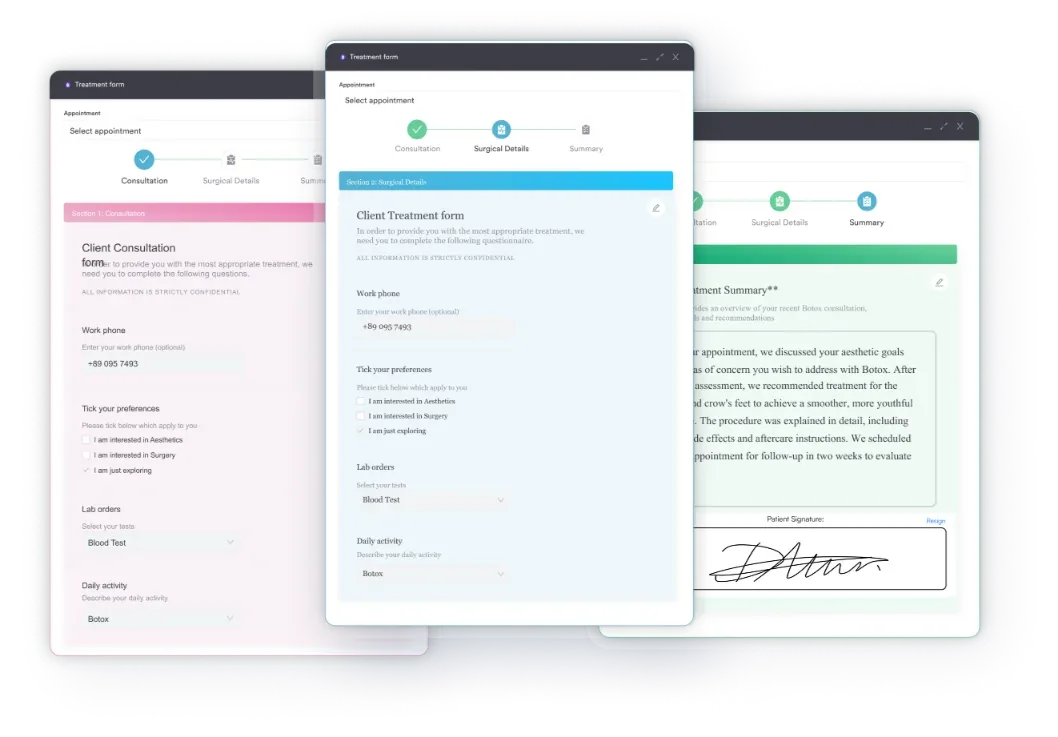

Pabau’s claims management tools help DMEPOS suppliers and infusion therapy practices manage billing documentation, track order status, and reduce claim errors. See how it works in a live demo.

Billing B5000 correctly follows a set order. Gaps at any stage produce denials.
Practices running home infusion programs benefit from connecting billing workflows to clinical documentation systems. For a broader look at how integrated billing reduces errors.
B5000 sits inside a small family of parenteral nutrition codes. Picking the wrong one is a frequent source of denials. Only three of these codes are amino acid patterns; B4164 isn’t an amino acid code at all.
B5000, B5100, and B5200 all fall under Medicare’s premix billing rule. Once you bill one of these three, the carbohydrates, electrolytes, and vitamins in the bag bundle into that single code. You don’t itemize them separately, the way a true home-mix build would.
That approach uses B4164 for the dextrose and a separate amino acid code like B4168 or B4172. Lipids are the one exception. They’re always billed on their own, under B4185 or B4187, at one unit per 10 grams of lipid delivered, regardless of which amino acid code is on the claim.
For practices managing multiple procedure codes across specialties.
A B5000 claim rarely travels alone. The infusion pump is billed separately: B9004 for a portable pump, or B9006 for a stationary one. Medicare covers only one pump per patient, regardless of how many formulas they cycle through.
Because B5000 falls under the premix billing group, its supply kit is B4220, the premix parenteral nutrition supply kit, billed once per day. That daily allowance is all-inclusive, so there’s no separate refill billing and no partial units. Only one supply kit and one administration kit are covered per day of therapy. A true home-mix build, by contrast, pairs with the home-mix supply kit, B4222, instead.
The compounding invoice lists milliliters, not grams. Now what?
Ask for the amino acid gram figure from the compounding order or formula worksheet, not the bag size. If the pharmacy can’t produce it, the units on your claim are a guess, and guesses get audited.
A patient is on a renal amino acid solution plus separate IV lipids. Do the lipids share B5000’s unit count?
No. Lipids are billed on their own code, B4185 or B4187, at one unit per 10 grams of lipid delivered. B5000 only counts the amino acid grams in the base solution.
Parenteral nutrition codes draw higher-than-average audit scrutiny from MACs. The errors below account for most B5000 denials.
Practices that standardize their denial review process catch these patterns before they compound. Our article on HIPAA compliance for medical offices covers documentation standards that reduce audit exposure across claim types.
A HCPCS lookup tool tells you what B5000 means. It won’t tell you that an SWO is about to go stale. It won’t flag a gram count that doesn’t match the compounding order, or connect a chart note to a claim before it goes out the door. That gap is where most parenteral nutrition denials start.
Practice management software like Pabau brings clinical documentation and claims tracking into one place. A biller can see whether the SWO, the GI-impairment note, and the renal indication are all on file before a claim goes out, rather than finding the gap after a denial.
For DMEPOS suppliers running recurring monthly parenteral nutrition claims, that single view often separates a clean claim from a documentation chase.
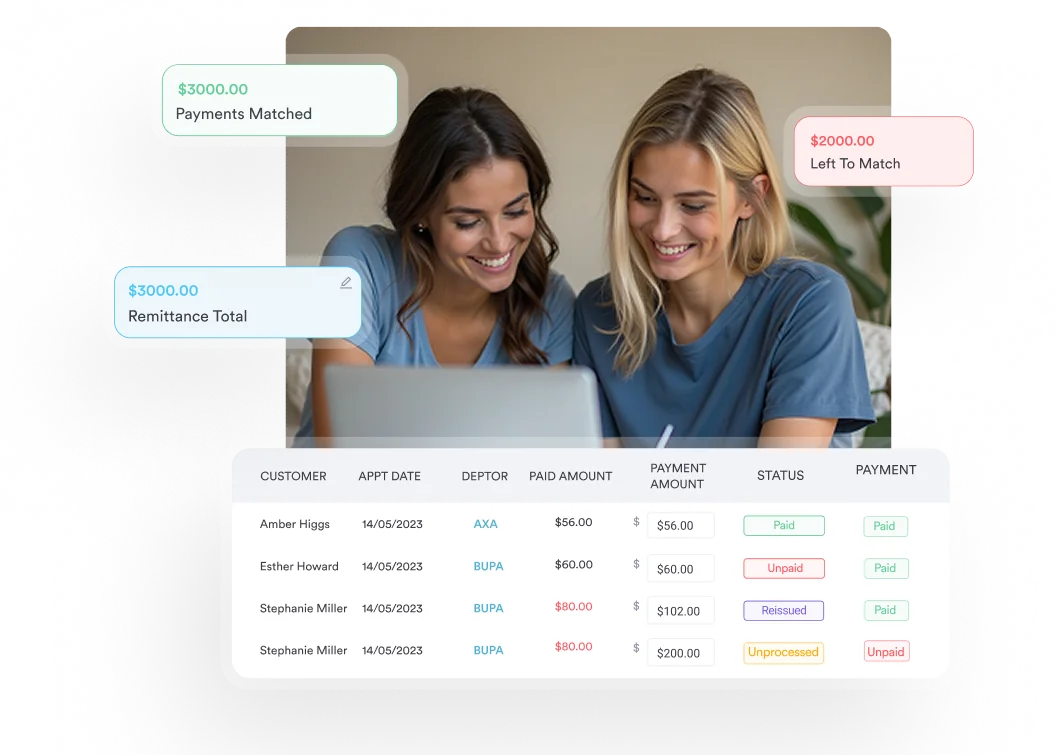
B5000 denials are almost always avoidable once you separate the two things that control the claim. One is the gram count from the compounding order. The other is documentation that ties a specific GI mechanism to a renal amino acid indication in the chart. Get those right, and the fee schedule, the SWO, and the modifier logic all fall into place around them.
If your team is still tracking Standard Written Orders and gram counts across spreadsheets, book a demo to see how Pabau brings both into a single workflow.

Coding home health aide hours? home health aide billing guide covers per-hour billing rules for HCPCS code S9122 under state Medicaid programs.
Coding LPN home nursing visits? LPN home nursing billing guide explains common denial causes for HCPCS code S9124, including credential mismatches and missed authorizations.
Billing an unlisted home infusion service? home infusion therapy billing guide covers bundling rules, payer coverage, and modifier use for HCPCS code S9379.
No. Traditional Medicare Part B doesn’t put B5000 on a formal prior-authorization list. Coverage depends on LCD L38953’s medical-necessity criteria and the KX modifier, which attests that those criteria are met and documented. Some Medicare Advantage plans apply their own precertification rules, so confirm with the specific plan.
Total parenteral nutrition, or TPN, is the general clinical term for feeding a patient entirely through a vein. B5000 is one specific code within that category, covering only the compounded renal amino acid formula. Standard TPN can also be billed under B4164, the B4168 series, or premix codes like B4189, depending on the formula used.
Any change in the prescribed formula or gram amount needs an updated order in the medical record. That’s still true even though the paper CMN and DIF are retired. The units billed must always match the treating practitioner’s current order, not a previous month’s total.
No. When parenteral nutrition is given in an outpatient facility, the infusion pump and IV pole are bundled into the facility’s payment. They aren’t separately billable. The DME MAC benefit covers nutrition administered by the patient or a caregiver at home.
No. B5000 falls under Medicare’s premix billing group. So the carbohydrates, electrolytes, trace elements, and vitamins in the same bag are bundled into that single code. Only lipids are billed separately, under B4185 or B4187.



