

HCPCS code E0198: Water pressure pad billing guide
HCPCS code E0198 is a water pad for a standard mattress HCPCS code E0198 is the ...

Last Updated: Oct 13, 2026
A4651 is the HCPCS Level II code for calibrated microcapillary tube, each.
The official long description is: Calibrated microcapillary tube, each. The short description used in many payer systems is: Microcapillary tube, calibrated. Both refer to the same supply item.
Because HCPCS Level II codes are updated annually, it is good practice to verify A4651's active status in the current CMS HCPCS release file before submitting claims for any fiscal year.
The AAPC's HCPCS code lookup provides quick access to current descriptions and status flags alongside the official CMS files. A billing system that flags code status changes automatically at the start of each year helps practices avoid submitting claims under retired or renumbered codes.
Let Pabau's smart automation suggest the right codes, reduce claim denials, and keep your practice compliant—effortlessly.
Automate repetitive tasks and focus on what matters most—your patients.
Reduce coding errors and ensure compliance with the latest regulations.
Clean claims, fewer denials, and faster reimbursements.
Powerful insights and reporting to help your practice thrive.
HIPAA compliant SOC 2 certified GDPR-compliant Trusted by 4,000+ clinics worldwide

HCPCS Code A4651 describes a calibrated microcapillary tube, each, a Level II supply code under the HCPCS A-codes range for medical and surgical supplies.
The code is billed per unit (each), meaning one tube equals one billable unit — overbilling multiple tubes on a single claim line triggers OIG scrutiny.
Medicare and Medicaid coverage for A4651 varies by payer and clinical context. Always verify against the current CMS fee schedule before submitting a claim.
Practice management software like Pabau tracks HCPCS supply codes, flags unit-billing errors, and supports accurate documentation for lab supply reimbursement.
A calibrated microcapillary tube is a small, precision-bore glass or plastic tube used in clinical laboratory testing. Its primary application is hematocrit measurement, also called packed cell volume testing, where a small blood sample is drawn into the tube by capillary action, sealed, and centrifuged to separate red blood cells from plasma.
The “calibrated” designation matters for billing. These tubes have graduated measurement markings that allow direct reading of the packed cell volume percentage. Non-calibrated capillary tubes used for other purposes do not qualify under A4651.
Clinical settings that regularly stock and bill calibrated microcapillary tubes include:
Understanding the clinical context helps coders confirm whether the supply actually used meets the A4651 code description. Using this code for a plain capillary tube without calibration markings is a coding error that payers may flag during claim review. Good clinical documentation practices should include the supply type used so coders can verify the match.
Coverage for HCPCS Code A4651 under Medicare and Medicaid is not universal. It varies by payer program, geographic region, and the clinical context in which the supply is used. Coders who assume blanket coverage for any supply code without checking payer-specific policy risk claim denial and potential compliance exposure.
The most reliable approach is to verify coverage through CMS’s Physician Fee Schedule tool for Medicare rates, and through your state Medicaid agency’s provider manual for Medicaid. Capturing payer eligibility at the point of service also helps practices avoid submitting claims for non-covered supplies.
Specific reimbursement amounts for HCPCS Code A4651 are not fixed nationally. Rates vary by payer, geographic locality, and fiscal year. For Medicare, payment amounts are published annually in the CMS Durable Medical Equipment, Prosthetics, Orthotics, and Supplies (DMEPOS) fee schedule and the Physician Fee Schedule, depending on the billing context.
Because A4651 is a per-unit supply code, the reimbursed amount typically reflects the cost of a single calibrated microcapillary tube. That amount is generally low, which is why billing errors involving unit overcounting are especially problematic: the financial gain from overbilling is minimal, but the compliance risk from an OIG audit pattern is significant.
Always attribute any fee schedule figure to a specific payer, year, and geographic locality. Presenting a rate as universal without those qualifiers is a coding accuracy error. PGM Billing’s HCPCS lookup tool provides free access to CMS-sourced rate data for current fiscal years.
Run a fee schedule verification at the start of each calendar year for every HCPCS supply code your practice bills regularly. CMS updates rates on January 1, and billing at the prior year’s rate can result in underpayment or, in rare cases, overpayment recoupment requests from payers.
Supply billing leaks revenue quietly, and medical practice management software catches unbilled items before they’re written off.
Billing A4651 correctly depends on four things: confirming the right supply was used, counting units accurately, documenting medical necessity, and submitting the claim with the appropriate accompanying codes. Miss any one of these and the claim is either denied or flagged for review.
Solid HIPAA-compliant billing workflows include a supply-code verification step at the point of service, before the claim is generated. Here is the standard billing process for A4651:
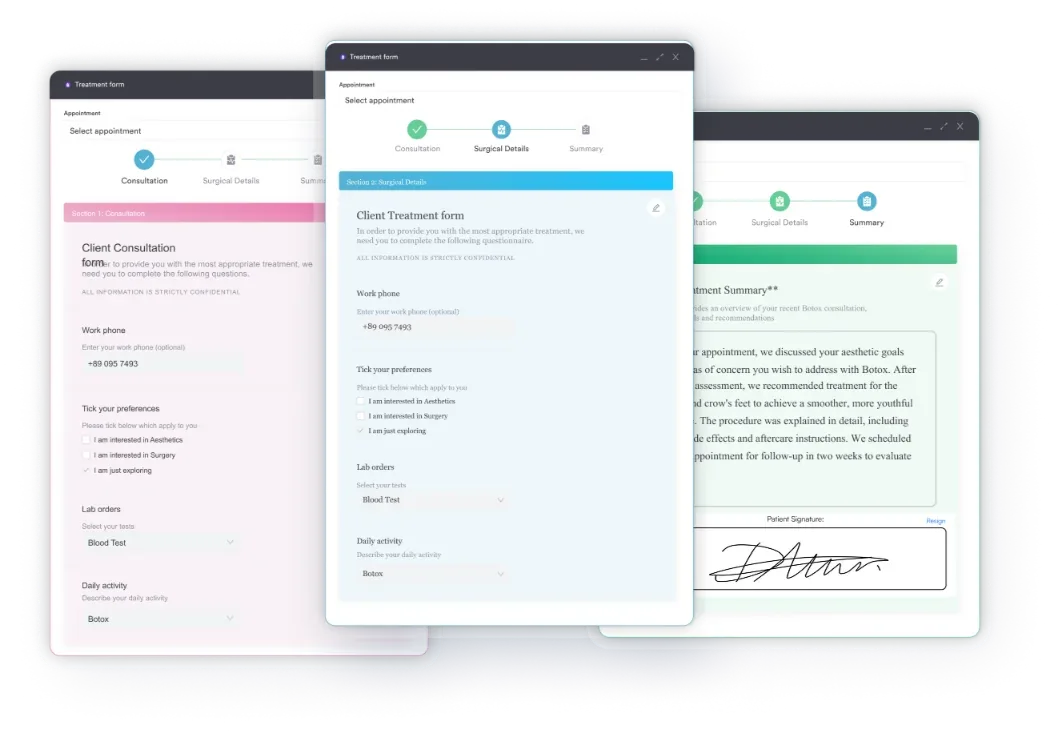
Using digital intake forms that capture procedure details at the point of care makes it easier to match supply use to claim lines accurately after the encounter.

Pabau’s claims management tools help practices track supply codes, validate units, and reduce denials before claims reach the payer. See how it works for your practice.

A4651 sits within a cluster of related supply codes in the A46xx range. Selecting the wrong code from this group is a common error, especially when staff are ordering supplies from a catalog that groups several capillary tube types together. Understanding each adjacent code prevents upcoding and downcoding errors.
Note that A4650 and A4653 are numerically adjacent but clinically unrelated to A4651. The only codes from this cluster that appear together in a hematocrit testing context are A4651 (the tube) and A4652 (the sealant used to close it before centrifugation).
Both may be billed separately when both supplies are used in the same patient encounter. The same per-unit billing logic applies broadly across the A-code range: A4206 covers sterile syringes and A4565 covers medical slings, both billed on the same each-unit basis as A4651.
Practices billing multiple HCPCS supply codes should check practice management software features that support supply code tracking and cross-code verification to catch selection errors before claims are submitted. Meeting compliance requirements for supply documentation also means keeping a log of which codes were used alongside which supplies on each claim date.
Medical billing uses two procedure coding systems in parallel. CPT (Current Procedural Terminology) is Level I of the Healthcare Common Procedure Coding System, maintained by the American Medical Association and used for physician and outpatient clinical procedures. HCPCS Level II is maintained by CMS and covers supplies, equipment, drugs, and services that CPT does not address. What a superbill includes decides whether the patient insurer processes or rejects the reimbursement request.
A4651 is a HCPCS Level II code because it describes a supply item, not a clinical procedure. The hematocrit test itself may be billed with a CPT code (such as CPT 85013 for a spun microhematocrit), while A4651 covers the disposable tube consumed during that test. HCPCS Level II also covers non-physician services entirely outside the supply category.
For example. Billing both code sets together correctly helps practices avoid submitting duplicate claims or omitting reimbursable supply charges.
For coders new to HCPCS billing, the NLM’s HCPCS Level II API provides free programmatic access to the full code set, making it easy to look up official descriptions and verify code formats before billing. Selecting the correct code system for each claim line is part of staying HIPAA compliant on the billing side, not just the clinical side.
A4651 claims fail for predictable reasons. Billing staff who know these patterns can build pre-submission checks that catch errors before they leave the practice. The following are the most frequent mistakes coders and billers make with this code:
Building a supply code audit into monthly practice operations catches these errors before they compound across multiple claims. Reviewing A4651 and A4652 claim lines side by side monthly quickly surfaces unit count inconsistencies or missing documentation.
Build a supply-use log at the point of care for any procedure requiring disposable lab supplies. A simple entry recording the supply type, quantity used, and patient encounter date gives coders a source-of-truth document that removes ambiguity from unit billing and reduces denial rates for HCPCS supply codes.
HCPCS Code A4651 is a low-complexity supply code that becomes high-risk only when billing workflows skip verification steps. The per-unit billing rule, the coverage variability across Medicare and Medicaid, and the close proximity to adjacent codes like A4652 are where most errors occur.
Pabau’s claims management software supports practices billing HCPCS supply codes by tracking supply use against encounter records, flagging unit count mismatches, and helping teams stay aligned with current payer coverage requirements.
If your billing team is managing a large volume of supply code claims alongside clinical scheduling and documentation, book a demo to see how Pabau brings those workflows into one system.

Billing a behavioral health intake assessment? H0001 breaks down alcohol and drug assessment billing rules and documentation requirements.
Managing lab supplies across a multi-location practice? Inventory management software from Pabau tracks supply consumption and supports accurate per-unit billing across practice locations.
Billing a specialty infusion drug? J0129 covers Abatacept billing requirements for practices administering biologic infusions.
HCPCS Code A4651 is a Level II supply code used to bill for a calibrated microcapillary tube, each. It covers the disposable glass or plastic tubes used in hematocrit testing, where a blood sample is drawn into the tube by capillary action and centrifuged to measure packed cell volume. The code is billed per unit, with one tube equaling one billable unit.
Medicare coverage for A4651 varies by clinical context and geographic locality. Coverage is not guaranteed and depends on whether the supply is linked to a medically necessary procedure supported by a valid diagnosis code. Verify coverage against the applicable Local Coverage Determination from your Medicare Administrative Contractor before billing routinely.
CPT codes (Level I HCPCS) are maintained by the American Medical Association and cover clinical procedures and physician services. HCPCS Level II codes, maintained by CMS, cover supplies, equipment, drugs, and non-physician services. A4651 is a HCPCS Level II code because it describes a supply item, not a procedure. The hematocrit test itself may be billed with a CPT code, while the tube used is billed separately as A4651.
Medicaid coverage for A4651 is determined at the state level. Each state Medicaid program sets its own supply code coverage and reimbursement policy. Check your state’s Medicaid provider manual and fee schedule to confirm whether A4651 is covered and what documentation requirements apply before submitting a claim.
A4651 can be billed once per calibrated microcapillary tube used in a patient encounter, with no fixed frequency limit per day or visit. Billing frequency is driven by actual clinical supply use. Some payers may apply quantity limits or require documentation supporting repeated use within a short period; check the applicable payer policy if billing multiple units per encounter regularly.
The most clinically relevant adjacent code is A4652 (microcapillary tube sealant), which covers the sealing compound used to close the tube before centrifugation. Both A4651 and A4652 may be billed separately when both supplies are used in the same encounter. A4650 and A4653 are numerically adjacent in the HCPCS code set but describe entirely different supply categories with no clinical relationship to microcapillary tube testing.



