

HCPCS code E0198: Water pressure pad billing guide
HCPCS code E0198 is a water pad for a standard mattress HCPCS code E0198 is the ...

Last Updated: Oct 13, 2026
A4616 is the HCPCS Level II code for tubing (oxygen), per foot.
A supplier who bills one unit for a six-foot tube has underbilled by five units. One who bills a flat "one supply" without tracking the modifier has submitted a technically incomplete claim.
Let Pabau's smart automation suggest the right codes, reduce claim denials, and keep your practice compliant—effortlessly.
Automate repetitive tasks and focus on what matters most—your patients.
Reduce coding errors and ensure compliance with the latest regulations.
Clean claims, fewer denials, and faster reimbursements.
Powerful insights and reporting to help your practice thrive.
HIPAA compliant SOC 2 certified GDPR-compliant Trusted by 4,000+ clinics worldwide

HCPCS Code A4616 describes tubing for oxygen or respirator equipment, billed per foot as a DMEPOS supply under Medicare Part B
Each foot of tubing is one billable unit; supplying six feet of tubing means billing six units of A4616
Modifiers RR (rental), NU (new), and UE (used) are required on A4616 claims and affect Medicare reimbursement rates
Pabau’s claims management software helps DME suppliers track per-unit HCPCS billing, attach required modifiers, and maintain compliant documentation records
HCPCS Code A4616 is a HCPCS Level II supply code maintained by the CMS. It sits within the A-series of HCPCS codes, which covers medical and surgical supplies. The code is specific to oxygen tubing used with home oxygen equipment or respirators, and it is billed in per-foot units.
The per-foot billing unit is the feature most likely to cause errors in practice. Suppliers accustomed to billing per-item supplies (cannulas, masks) sometimes default to one unit per delivery regardless of tubing length. For A4616, the unit count must reflect the actual number of feet provided. A standard seven-foot nasal cannula extension tube, for example, bills as seven units.
Medicare reimbursement for HCPCS Code A4616 falls under the annual DMEPOS fee schedule, which CMS updates each calendar year. The allowed amount is a national limitation amount (NLA), subject to adjustment by Medicare Administrative Contractor (MAC) region.
Suppliers should verify current rates against the fee schedule lookup tool before submitting claims, as figures are updated on January 1 each year.
Because the per-foot rate is small, undercounting units by even two or three feet per delivery adds up to lost reimbursement across a patient caseload.
Accurate unit tracking at the point of dispensing, not at the point of billing, is where this problem gets solved.
Three DMEPOS modifiers apply to HCPCS Code A4616. Each describes the transaction type for the oxygen tubing being supplied. Omitting the modifier or applying the wrong one is a billing error that can trigger a claim rejection or a post-payment audit finding.
The RR modifier is by far the most common for A4616 claims, since most home oxygen patients receive tubing as an accessory to oxygen equipment that is still in its rental period.
Unlike some other DME categories, oxygen equipment does not convert from rental to a patient-owned purchase. Medicare caps monthly rental payments at 36 months. After that point, the supplier retains ownership of the equipment, and Medicare continues paying for contents and maintenance rather than a buyout.
The NU modifier applies when the tubing itself, a low-cost disposable supply, is provided as a new item billed outright rather than tracked as part of the ongoing equipment rental. Confirm the transaction type in your supplier records before attaching a modifier.
Modifier application rules can also vary by MAC region, so confirm current guidance before finalizing claims.
Track modifier assignment at the point of supply, not at billing entry. Oxygen equipment stays a rental for its full service life — there is no rental-to-purchase conversion — so do not assume the tubing modifier changes automatically over time. Confirm at each dispensing whether the tubing is billed as a new supply (NU) or as part of the equipment rental (RR). Catching this at dispensing prevents a batch of incorrectly coded claims from reaching your MAC.
Medicare Part B covers HCPCS Code A4616 as a DMEPOS supply when the patient qualifies for home oxygen therapy. Coverage is governed by CMS’s Local Coverage Article A52514, which sets out the qualifying criteria, documentation requirements, and frequency limits that apply to oxygen and oxygen equipment claims.
A compliant A4616 claim requires the following documentation to be on file with the DME supplier before the claim is submitted:
Missing or incomplete documentation is the leading driver of A4616 post-payment audits. Using digital forms software to collect and store this documentation can further streamline compliance.
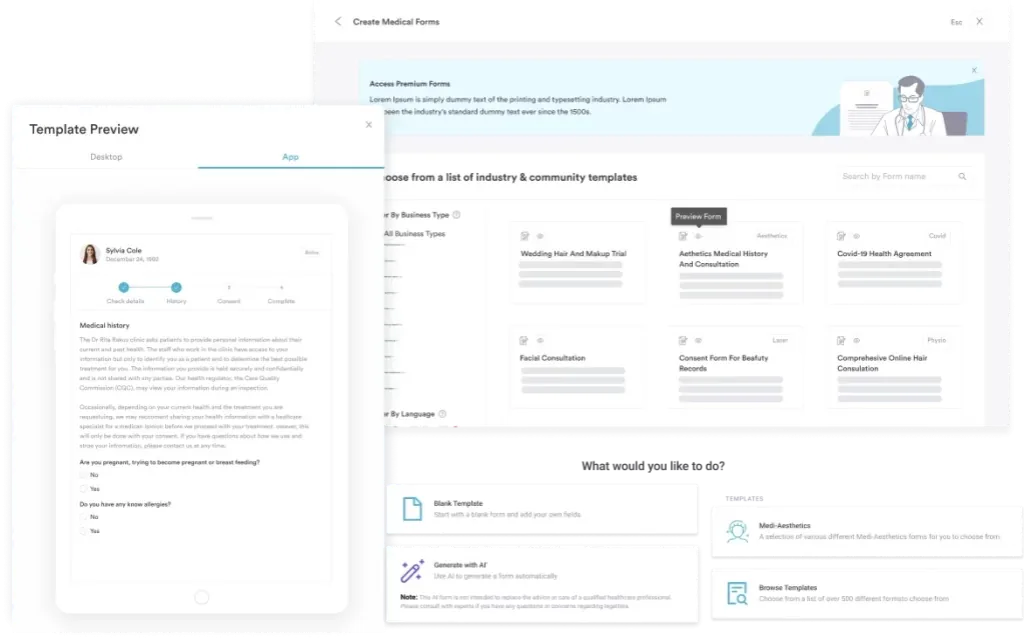

Pabau’s claims management tools help DME suppliers and practices track per-unit supply billing, attach modifiers, and maintain the documentation records needed for Medicare compliance.

Medicare’s coverage of long-term home oxygen therapy, which HCPCS Code A4616 tubing supports, hinges on documented qualifying hypoxemia values on the Certificate of Medical Necessity (CMN), not on matching a mandated ICD-10 diagnosis code list.
CMS Local Coverage Article A52514’s “ICD-10 codes that support medical necessity” section only specifies a code list for cluster headache (the G44.0xx series), and only when billed with HCPCS E0424 as part of a CMS-approved cluster headache clinical trial. For standard long-term home oxygen therapy, A52514 lists the ICD-10 code requirement as “not specified.”
In practice, that means the diagnosis code on an A4616 claim should reflect the patient’s qualifying condition and stay consistent with what’s documented on the CMN, rather than being chosen from, or restricted to, a CMS-approved list.
The table below shows diagnoses commonly documented for patients on long-term home oxygen therapy, shown here for clinical context. Verify current policy language directly against CMS policy article A52514.
The qualifying hypoxemia values and physician certification documented on the CMN determine coverage, not whether a code appears on a fixed approved list. What matters for claim accuracy is that the diagnosis code matches the patient’s condition and stays consistent with the CMN and the rest of the medical record.
COPD often overlaps with a distinct acute lower respiratory infection. When in doubt, reference applicable HIPAA-compliant claim documentation practices and cross-check the diagnosis against the CMN to ensure consistency.
Several HCPCS codes are commonly billed alongside HCPCS Code A4616 or serve as related oxygen supply and equipment codes. Understanding their relationship helps avoid unbundling errors and ensures the right code is selected when multiple supply types, such as a tracheostomy care kit or a tracheal suction catheter, are dispensed in the same episode.
The key billing point for the related code table above: tubing (A4616) is always separately billable from oxygen equipment rental codes (E0424, E1390). NCCI edits do not bundle these together, so suppliers should bill both when both are legitimately provided.
However, billing A4617 (mouthpiece) alongside A4616 requires a clinical justification in the patient record. Refer to the AAPC HCPCS code range for current code status verification.
A4616 claims show a distinctive pattern of errors that appear repeatedly in MAC audit findings and denial reports. These are preventable with the right workflow controls.
A claims management workflow that enforces modifier selection, links diagnosis codes to the CMN on file, and flags unit count discrepancies at the point of entry can catch most of these errors before a claim is submitted. Automated billing checks also reduce staff burden on routine DMEPOS claims.
For suppliers managing multiple oxygen patients with recurring supply deliveries.
Run a monthly audit on all A4616 claims submitted in the prior billing period. Pull the unit count from your delivery records and compare it to the units billed. Any discrepancy between dispensed footage and billed units is a rebilling or repayment risk that is easier to correct before a MAC data request arrives.
DME suppliers, primary care practices, and wellness practices billing HCPCS Code A4616 alongside other oxygen supply codes face the same core challenge: keeping per-unit counts accurate, modifier selection consistent, and documentation complete across a recurring patient caseload.
Manual processes make each of these points a potential error.
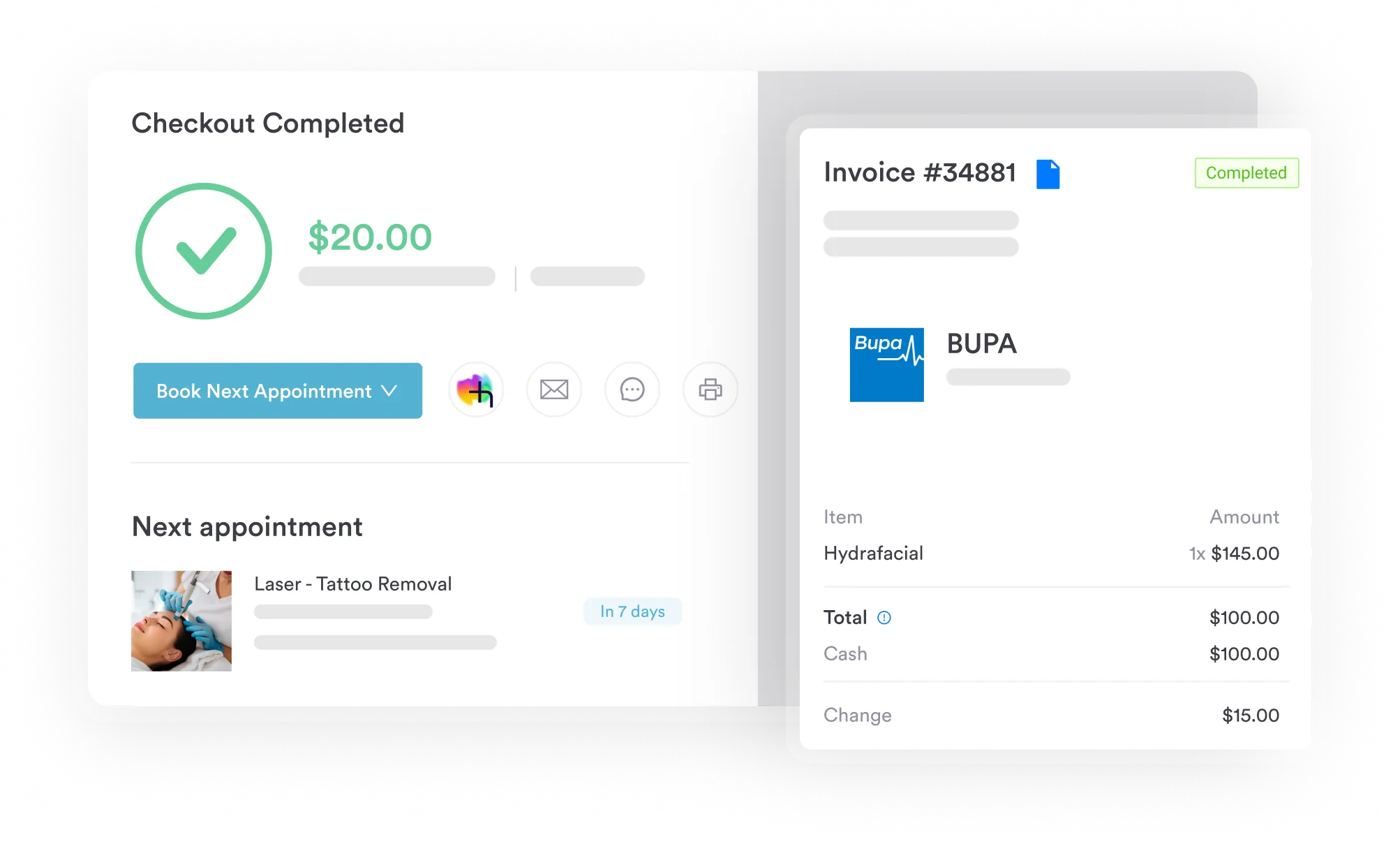
Beyond claims, practices that deliver home oxygen and other DME supplies alongside clinical services benefit from an integrated record that connects the CMN, the physician order, the delivery record, and the submitted claim in one place.
This is the documentation chain that MAC audits check. Having it digitally linked is much easier to produce than assembling paper records after a records request.
Medical practice management software with built-in compliance tooling and HIPAA compliance support is built around exactly this kind of document chain management.
For practices exploring how HCPCS billing integrates with broader coding workflows.
HCPCS Code A4616 is straightforward in concept but precise in execution. The per-foot unit requirement, the mandatory DMEPOS modifier, the CMN documentation chain, and the MAC-specific ICD-10 acceptance lists each represent a point where a claim can go wrong. Getting all four right, consistently, across a recurring patient caseload is where billing workflow discipline matters most.
Pabau’s claims management tools help DME suppliers and practice billing teams enforce these controls at the point of entry, not after the denial. To see how Pabau handles HCPCS and DMEPOS billing workflows, book a demo with the team.

Billing a corticosteroid injection next? Dexamethasone sodium phosphate billing guide covers HCPCS code J1100 for the injectable corticosteroid billed under Medicare Part B.
Billing other miscellaneous DME supply codes correctly? K0108 shares the same documentation-first billing approach that DME suppliers need for A4616 claims.
Documenting a less common respiratory diagnosis? J65 is one of the rarer causes of chronic hypoxemia that can still qualify a patient for home oxygen.
HCPCS Code A4616 is a HCPCS Level II supply code for tubing used with respirator or oxygen equipment, billed per foot. It falls under the Medicare Part B DMEPOS benefit and is covered when a patient qualifies for home oxygen therapy with documented medical necessity.
Medicare covers A4616 when the patient has documented hypoxemia (SpO2 at or below 88% or PaO2 at or below 55 mmHg) from a qualifying condition such as COPD or pulmonary fibrosis, a physician order for home oxygen is on file, and a signed Certificate of Medical Necessity (CMN) has been completed.
Medicare covers the number of feet that are medically necessary for the patient’s home oxygen setup, up to applicable frequency limits in the CMS policy article. Each foot billed as one unit of A4616; the supplier must document the exact footage dispensed on the delivery record to support the unit count claimed.
The three applicable DMEPOS modifiers are RR (rental), NU (new equipment), and UE (used equipment). One modifier is required on every A4616 claim. RR is most common for patients receiving tubing as part of an ongoing oxygen equipment rental; NU applies when tubing is purchased outright.
A4616 covers tubing for oxygen or respirator equipment, billed per foot. A4617 covers the mouthpiece for oxygen or respirator equipment. They are separate supply codes that can be billed together when both items are dispensed, but each requires its own line on the claim with appropriate unit counts and modifiers.
Yes. Medicare Part B covers oxygen tubing (A4616) as a DMEPOS supply item when the patient qualifies for home oxygen therapy under CMS Local Coverage Article A52514. Standard 20% coinsurance applies after the Part B deductible is met, and a valid CMN must be on file with the supplier.
Required documentation includes a completed and signed CMN (CMS Form CMS-484), a physician order specifying oxygen flow rate, objective test results confirming hypoxemia (ABG or oximetry report), a delivery record documenting exact footage supplied, and ICD-10 diagnosis code(s) that reflect the patient’s condition and stay consistent with the CMN. CMS policy article A52514 does not mandate a specific diagnosis code list for standard long-term oxygen therapy.



