

CCSD code G5100: Bypass of duodenum billing guide
CCSD code G5100 bills a bypass that leaves the duodenum in place CCSD code G5100...

Last Updated: Oct 16, 2026
A4608 is the HCPCS Level II code for transtracheal oxygen catheter, each.
The reason is almost always documentation, not the code itself. Transtracheal delivery is a less common route than a standard nasal cannula. Billing teams often reach for the same checklist they use for routine oxygen claims.
That checklist usually misses three things this code specifically needs.
Get those three right and A4608 behaves like any other Medicare supply code.
Let Pabau's smart automation suggest the right codes, reduce claim denials, and keep your practice compliant—effortlessly.
Automate repetitive tasks and focus on what matters most—your patients.
Reduce coding errors and ensure compliance with the latest regulations.
Clean claims, fewer denials, and faster reimbursements.
Powerful insights and reporting to help your practice thrive.
HIPAA compliant SOC 2 certified GDPR-compliant Trusted by 4,000+ clinics worldwide

HCPCS code A4608 covers a transtracheal oxygen catheter, each, billed as its own supply line separate from the oxygen delivery equipment.
Medicare Part B pays for it under the oxygen and oxygen equipment benefit, but only with a qualifying ICD-10 diagnosis and documented medical necessity.
A clean A4608 claim needs a standard written order naming the transtracheal route, plus a qualifying blood gas or oximetry result on file.
Oxygen supplies like A4608 sit outside Medicare’s competitive bidding program, so standard, adjusted fee schedule rates apply nationwide.
Clean documentation and claims workflows, the kind practice management software like Pabau supports, cut the odds of a preventable denial.
HCPCS code A4608 carries the official description “transtracheal oxygen catheter, each.” The Centers for Medicare and Medicaid Services, or CMS, maintains it as a Level II code. It sits inside the A4600 series of respiratory supply codes used for durable medical equipment, prosthetics, orthotics, and supplies (DMEPOS) billing.
The code is active and billable for the current fiscal year. Below is a quick-reference summary of the core code attributes.
The “each” descriptor matters for billing. You bill one unit per catheter dispensed, and a replacement catheter goes on a new claim. Billing more than one catheter in a supply period needs its own documented medical necessity for every unit.
A transtracheal oxygen catheter is a small-bore tube placed directly into the trachea through a tract in the front of the neck. Instead of nasal cannula or face mask delivery, transtracheal oxygen (TTO) sends oxygen straight to the lower airway, bypassing the nose and throat entirely.
TTO offers advantages for patients on long-term oxygen therapy (LTOT). Direct delivery is more efficient, so patients often need lower flow rates than with a nasal cannula. That can cut equipment costs and improve comfort and mobility. The catheter is also less visible than external tubing, which matters to some patients for quality-of-life reasons.
That catheter needs regular replacement, and A4608 covers just that supply item. The oxygen source, whether a concentrator, portable tank, or liquid system, gets billed separately under its own equipment code.
Medicare Part B covers a transtracheal oxygen catheter under its oxygen and oxygen equipment benefit, but coverage is conditional. The patient has to qualify for home oxygen therapy under the applicable Local Coverage Determination (LCD).
The file must also document why transtracheal delivery, specifically, is medically necessary. Per AAPC’s HCPCS reference, A4608 sits under DMEPOS supplies with Medicare Part B as the primary payer.
Before anyone bills A4608, the patient needs to meet the general oxygen coverage criteria below.
Meeting the general oxygen criteria isn’t the whole story. The record also has to separately explain why transtracheal delivery is the right call for this patient.
Standard oxygen equipment codes such as E1390 or E0431 cover the delivery system. A4608 is the supply code for the catheter itself, and both need their own supporting documentation.
The ICD-10-CM codes below are among those that can support medical necessity for home oxygen therapy. At least one has to be on the claim to satisfy coverage. Always check the current LCD and your MAC’s policy, since the approved list changes every year.
This table isn’t exhaustive. Medicare maintains the full list of qualifying ICD-10-CM codes in the applicable LCD. Billing teams should confirm each one against current CMS policy before they submit a claim.
An inventory management tool flags when supply usage and supply billing drift apart.
Billing A4608 correctly starts before the claim is even written, with DMEPOS supplier enrollment. The supplier has to be enrolled with Medicare, accredited by a CMS-approved organization, and operating out of a licensed DMEPOS facility.
A claim from a non-enrolled or non-accredited supplier gets denied no matter how good the documentation is. Good claims management software helps by flagging a claim that’s missing a required field before it ever reaches the payer.
The core documentation set for an A4608 claim typically includes the following items.
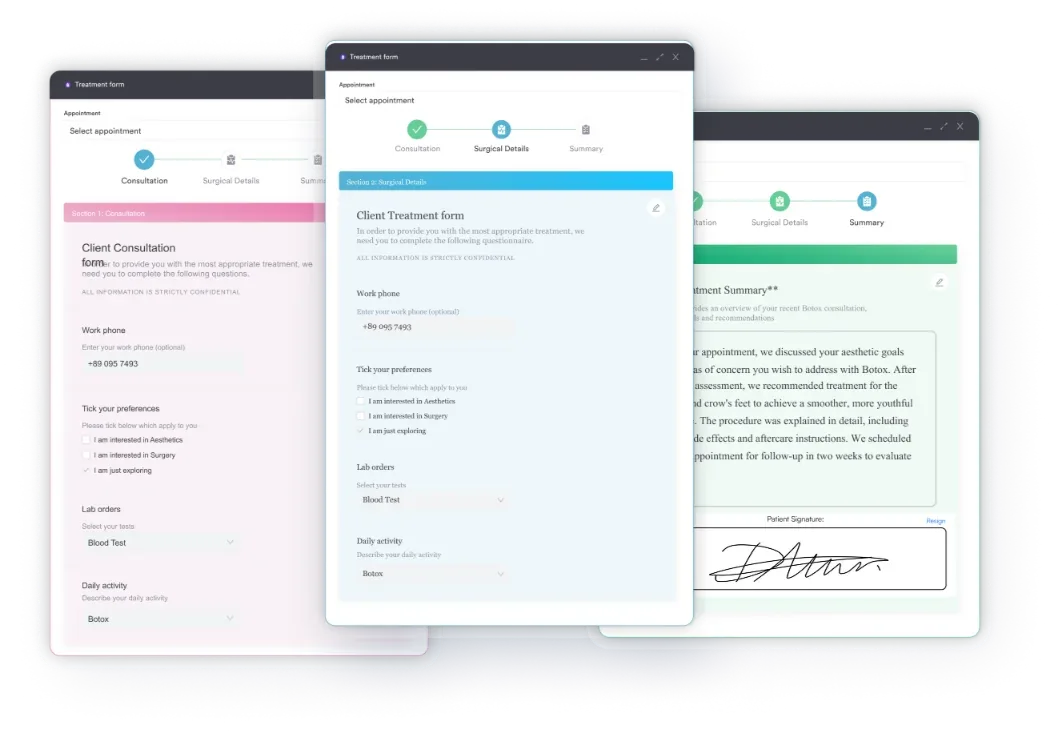
Keeping this paperwork complete and easy to find is where digital intake forms reduce friction in high-volume DMEPOS operations. When physician orders, SWOs, and testing results are captured digitally, the review-before-submission step goes faster and rarely misses a required field.
Modifiers on an A4608 claim tell the payer specific facts about the circumstances of the claim. Leaving off a required modifier is one of the most common reasons DMEPOS supply claims get denied.
Modifier rules can change between fiscal years, so confirm current requirements against your MAC’s billing guidelines before you submit.
One modifier that doesn’t belong on this list is RB. CMS defines RB as replacement of a part of a DME, orthotic, or prosthetic item furnished as part of a repair. That covers component parts of durable equipment, not a consumable supply like this catheter, so RB isn’t the right fit for A4608.
Before you submit an A4608 claim, run a quick modifier check. Confirm KX is on the line whenever LCD criteria are documented. Save RA for a catheter that’s genuinely lost, stolen, or damaged, and leave RB out entirely, since that modifier covers equipment repairs, not supply replacement. Modifier errors are one of the fastest routes to a preventable denial.
A few mistakes account for most of the denials we see on A4608 claims. Catching these before submission is far cheaper than working an appeal afterward.
Missing or incorrect modifier KX. The KX modifier tells the MAC that LCD coverage criteria are met and the supporting documentation is on file. Many MACs auto-deny an A4608 claim without it, even when the underlying record is complete. Add KX to every line where medical necessity is established and documented.
The order doesn’t name the transtracheal route. A generic oxygen order, “administer supplemental oxygen at 2 L/min,” doesn’t satisfy documentation for a transtracheal supply code. The order has to reference the TTO route by name. If the order on file only covers nasal cannula or mask delivery, the payer can deny A4608 because the order doesn’t support the code billed.
Check which delivery route the order names before you choose the supply code. An open-sided face tent bills as HCPCS code A4619 rather than a transtracheal catheter supply.
The SWO wasn’t signed before delivery. The standard written order has to be signed and dated by the treating physician before the catheter goes to the patient, not after. A backdated or missing SWO is a serious audit risk, and it’s a common reason for post-payment recoupment on DMEPOS claims.
Billing E1399 instead of A4608. When a specific supply code exists, payers expect suppliers to use it. Defaulting to E1399, the miscellaneous DME code, for a transtracheal catheter is incorrect coding, and it can trigger medical review or a denial. Use A4608 whenever the item is specifically a transtracheal oxygen catheter.
Replacing a catheter more often than the payer allows. Catheters need periodic replacement, but how often you can bill one is subject to payer frequency edits. Submitting a replacement claim earlier than the payer allows, without documenting why, is a common trigger for denial.
Routine replacement is billed under the normal supply frequency, backed by documentation of medical necessity. A modifier meant for lost or damaged equipment doesn’t belong here. Solid documentation workflows that capture the reason for each replacement make this easier to defend on audit.
The diagnosis code isn’t on the LCD-approved list. Not every respiratory or pulmonary diagnosis meets the coverage bar for home oxygen therapy. If the ICD-10 code on the claim isn’t on the LCD’s approved list, Medicare denies the claim for lack of medical necessity. Cross-check every diagnosis code against the current LCD before you submit. Folding documentation compliance workflows into one system helps clinics catch this kind of mismatch earlier. The alternative, juggling diagnosis codes, physician orders, and SWO data across different tools, makes it easy to miss. Electronic remittance files post payments automatically, and the adjustment codes explain what was reduced and why. Denial codes in medical billing group the reasons a payer refuses, and the group decides the fix.
Build a pre-submission checklist for every A4608 claim. Physician order names the TTO route. SWO signed and dated before delivery. Qualifying blood gas or oximetry result on file. KX modifier applied. ICD-10 code checked against the current LCD. Running this checklist before claims go out is faster than working a denial appeal afterward.
DMEPOS claims for A4608 go to one of four regional DMEPOS Medicare Administrative Contractors, not the local Part B MAC that handles physician services.
Each of the four DMEPOS MACs covers its own multi-state jurisdiction, and knowing which one applies to your claim is a prerequisite for accurate billing. CMS publishes current contractor assignments on its Who are the MACs page.
Oxygen equipment and supplies, including A4608, currently sit outside the DMEPOS Competitive Bidding Program. The most recent bidding round has ended, and CMS isn’t expected to start the next one before 2028.
Reimbursement runs through the standard, geographically adjusted DME fee schedule instead. There’s no need to check whether local competitive bidding rules apply to this code, only which fee schedule locality covers your claim.
Fee schedule amounts for HCPCS supply codes change annually, so publishing a specific dollar figure here would be stale within months. Pull the current allowed amount for A4608 from CMS’s DMEPOS fee schedule files, or from your MAC’s published schedule for your jurisdiction.
A4608 doesn’t exist on its own. Billing for transtracheal oxygen usually involves a small cluster of codes covering the delivery system, the supply itself, and any accessories. Knowing how these codes relate cuts the risk of unbundling errors and helps a coder pick the right code for each item in the chain.
When you bill A4608, check whether the oxygen delivery system is billed separately. Confirm any accessories, tubing, regulators, humidifiers, are bundled into the equipment code or need their own supply code.
Bundling errors and misusing E1399 when a specific code applies are common DMEPOS audit triggers. A closed-system suction catheter is billed under a different code entirely.
Every example in this guide comes down to the same problem. A claim goes out missing one field, one modifier, or one signature, and the payer bounces it.
That isn’t unique to transtracheal oxygen catheters. It’s true of almost anything billed under a HCPCS or CPT code. That includes a primary care practice submitting a supply claim.
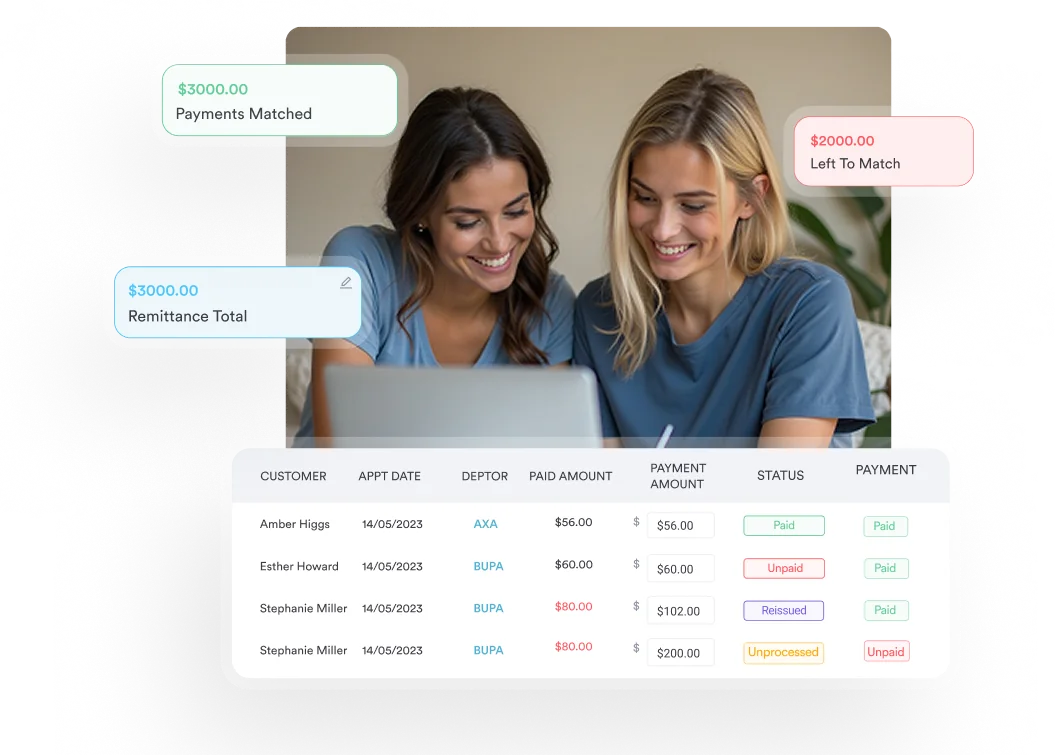
Practice management software like Pabau checks a claim’s required fields before it goes out, not after a payer flags it. If something’s missing, Pabau holds the claim instead of letting it go out incomplete. The team can see exactly what’s outstanding on a status dashboard.
For a practice juggling supply codes, procedure codes, and modifiers across different payers, catching a missing field before submission means fewer denials to appeal later.

Pabau’s claims management tools check that a claim carries the fields a payer needs before it’s sent. They also track its status until it’s paid, so fewer supply and procedure claims bounce back for something that was missing from the start.

A4608 isn’t a complicated code to bill once the paperwork lines up. The friction almost always comes from treating it like a routine oxygen claim. It needs its own order language, its own supporting test result, and its own modifier logic.
Get the standard written order signed before you dispense the catheter, and name the transtracheal route on it. Apply the KX modifier once medical necessity is documented. Skip that discipline, and even a clinically appropriate claim can bounce back for a reason that has nothing to do with the patient’s care.
The trade-off worth remembering is that none of this is a one-time fix. Coverage rules, MAC assignments, and fee schedules all shift every year, so a checklist you build once still needs a fresh look each cycle.
Book a demo to see how Pabau keeps that kind of documentation ready before a claim goes out.

Also billing an oxygen tubing line? A4616 covers the per-foot oxygen tubing code and the frequency rules that come with it.
Managing a patient on bi-level respiratory support? E0470 walks through billing for bi-level respiratory assist devices.
Coding a respiratory infection alongside an oxygen claim? J22 covers unspecified acute lower respiratory infection.
Need the diagnosis code for COPD with an exacerbation? J44.1 is one of the most common qualifying diagnoses for home oxygen.
Billing a Reblozyl injection claim? Reblozyl injection billing guide covers J0896, billed at 0.25 mg per unit for MDS and beta-thalassemia.
An otolaryngologist or pulmonologist creates the tracheal tract and fits the initial catheter, usually in an outpatient procedure. After that, the patient’s primary care or pulmonology team manages the ongoing prescription, and the DMEPOS supplier handles catheter replacement and billing.
Replacement intervals vary by patient and device, and the manufacturer’s instructions guide the schedule. Medicare expects the medical record to document why a specific replacement interval is medically necessary. Billing more units than the payer’s frequency edit allows can trigger a denial.
A4608 doesn’t currently appear on Medicare’s national Required Prior Authorization List, which mainly targets items like power mobility devices and certain orthoses. Individual MACs can still request extra documentation on a claim-by-claim basis, so confirm your jurisdiction’s current rules before you submit.
No. A tracheostomy tube creates an airway for breathing and is typically much wider. A transtracheal oxygen catheter is a narrow, separate tract used only to deliver supplemental oxygen. The two serve different clinical purposes even though both sit in the trachea.
Medicare Advantage plans have to cover at least what Original Medicare covers, but they can apply their own prior authorization and documentation steps. Always check the specific plan’s policy before you bill, since requirements can differ from the standard LCD process.



