CPT code 48152: Whipple procedure without pancreatojejunostomy
CPT code 48152: Official description and procedure overview CPT code 48152 descr...

Last Updated: Nov 13, 2026
98962 is the CPT code for education and training for patient self-management by a qualified, nonphysician health care professional using a standardized curriculum, face-to-face with the patient (could include caregiver/family) each 30 minutes; group session (2 or more individuals), 5-8 patients.
Each unit represents 30 minutes of group instruction, and denials pile up quickly when time documentation is vague or when the wrong code from the family is submitted because headcount changed mid-session.
Let Pabau's smart automation suggest the right codes, reduce claim denials, and keep your practice compliant—effortlessly.
Automate repetitive tasks and focus on what matters most—your patients.
Reduce coding errors and ensure compliance with the latest regulations.
Clean claims, fewer denials, and faster reimbursements.
Powerful insights and reporting to help your practice thrive.
HIPAA compliant SOC 2 certified GDPR-compliant Trusted by 4,000+ clinics worldwide

CPT code 98962 covers self-management education for groups of exactly 5 to 8 patients – not a single patient over or under that threshold.
Each billable unit equals 30 minutes; report multiple units if the session runs 60 or 90 minutes and documentation supports the time.
Only a qualified health care professional (QHCP) may bill this code – physicians billing under their own NPI use a different code set.
Pabau’s claims management software tracks group session units and flags documentation gaps before a 98962 claim goes out the door.
CPT code 98962 is defined by the American Medical Association as: Education and training for patient self-management by a qualified, nonphysician health care professional using a standardized curriculum, face-to-face with the patient (could include caregiver/family) each 30 minutes; group session (2 or more individuals), 5-8 patients. According to the AMA CPT code set overview, this code belongs to the Medicine section under “Education and Training for Patient Self-Management” (codes 98960 to 98962).
Three elements in that descriptor carry the most billing weight: “qualified, nonphysician health care professional” (the billing provider restriction), “standardized curriculum” (the documentation requirement), and “5-8 patients” (the group size threshold that determines which code in the family applies). Get any one of them wrong and the claim will not pay.
The three codes in this family are distinguished entirely by how many patients attended the session. The AMA assigns a separate code to each group-size bracket, and Medicare auditors verify attendance records against the code billed.
If a session starts with six patients and two leave early, the correct code depends on how long each patient was present. Bill CPT code 98962 for the portion of the session where five or more patients were in attendance; switch to 98961 for the remaining time if only four or fewer remained. The attendance log must support this split billing or the entire claim is at risk.
CPT code 98962 covers structured, curriculum-based self-management education delivered to chronic-condition patients in a group setting. The most common qualifying conditions include type 1 and type 2 diabetes, hypertension, heart failure, asthma, and obesity. Printed workbooks handed to the group are supplies, not education time. Some commercial plans pay for them separately under CPT 99071, at the practice’s cost.
The code does not cover:
The AMA descriptor restricts billing to a “qualified, nonphysician health care professional.” In practice, the following provider types typically qualify, depending on payer policy:
Provider credential requirements vary by payer. Medicare Administrative Contractors publish Local Coverage Determinations (LCDs) that specify which credentials qualify. Confirm the billing provider’s NPI and credentials are enrolled with the payer before submitting a CPT code 98962 claim. Understanding medical billing fundamentals for nonphysician providers helps avoid enrollment-related denials before they happen.
Documentation for CPT code 98962 must support every element of the official descriptor. Missing even one element gives auditors grounds to recoup the payment. The clinical record must include:
HIPAA-compliant documentation for group sessions requires care around privacy: The attendance roster is a clinical record, not a sign-in sheet left visible to other participants. HIPAA-compliant documentation practices for group visits protect the practice from both billing audits and privacy violations. Using digital group attendance forms that capture time-stamps automatically reduces the documentation burden on the educator. Sound medical billing compliance starts with airtight records before the claim is ever submitted.
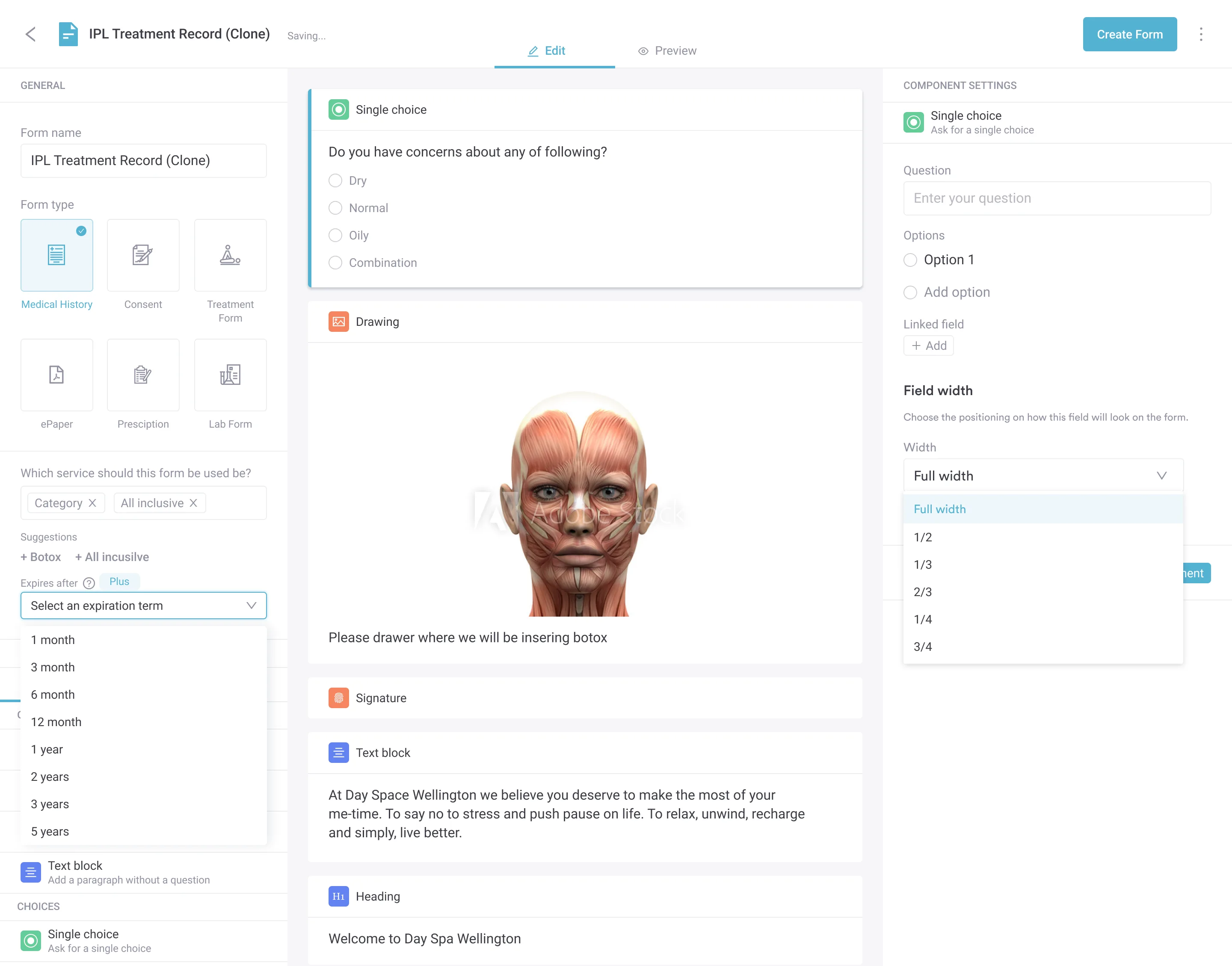
Build a session note template that pre-populates the curriculum module name, group size field, and provider credential. The educator fills in attendance times and diagnosis codes only. This turns a 20-minute documentation task into a 3-minute one and ensures no required element is ever missed on a CPT code 98962 claim.
Medicare covers group DSMT sessions billed under CPT code 98962, but only within a specific coverage framework governed by the National Coverage Determination (NCD 40.1). Coverage requires all of the following:
Group sessions under Medicare are limited to no more than 2 hours of follow-up DSMT per year after the initial training period. Exceeding those limits triggers an automatic denial. Medicaid coverage varies by state; some state Medicaid plans cover 98962 for diabetes and other chronic conditions, while others require a prior authorization that many practices never request. Always check the payer’s current LCD or state Medicaid bulletin before billing, because coverage rules change annually.
CPT code 98962 reimbursement rates are set through the Medicare Physician Fee Schedule (MPFS) and change each calendar year. The CMS Physician Fee Schedule lookup tool provides the definitive non-facility and facility rates for any geographic area.
As a general benchmark, 98962 carries a relatively low relative value unit (RVU) total compared to individual education codes because the per-patient cost is spread across the group. Non-facility rates (office-based settings) are typically higher than facility rates. Use the PCC free 2026 RVU calculator to convert the published work, practice expense, and malpractice RVUs into dollar amounts using your geographic adjustment factor.
Commercial payers negotiate rates separately. Some pay a percentage of Medicare, others have flat per-unit rates. Never assume a commercial rate matches Medicare without verifying the explanation of benefits (EOB) for previously paid claims.

Pabau’s billing workflows flag group-size mismatches, missing documentation, and unit overages before a CPT code 98962 claim leaves the practice. See how the claims management tools work.

Getting the billing mechanics right for CPT code 98962 requires attention to four distinct rule sets. Each one is an independent denial trigger.
One unit equals 30 minutes of face-to-face group education. A 60-minute session = 2 units; a 90-minute session = 3 units. The AMA’s CPT coding guidelines require that time be documented for each patient individually, not just for the session as a whole. If a patient arrives late and is present for only 20 minutes of a 60-minute session, that patient’s claim should reflect 1 unit, not 2.
Medicare does not set a hard daily unit cap for 98962 itself, but the annual hour limits (10 initial, 2 follow-up for DSMT) function as a de facto ceiling. Many commercial payers set their own daily unit limits in their LCDs. Check the payer policy before billing more than 2 units in a single day for a single patient.
Use POS 11 (office) for practice-based group sessions. POS 22 (outpatient hospital) or POS 19 (off-campus outpatient hospital) apply when sessions are conducted in a hospital outpatient setting. The POS code must match the actual location of service or the claim will generate a facility/non-facility rate mismatch error.
Same-day E&M billing with 98962 is allowed in principle but requires strong documentation demonstrating the two services were separate and medically necessary. Submitting clean claims consistently starts with understanding what a clean claim submission requires at the code level, not just the demographic level.
CPT code 98962 denials follow predictable patterns. Knowing the root cause before submission is more efficient than working appeals after the fact. Proactive denial management workflows for group education codes should address each of these triggers systematically.
Diabetes self-management training is the dominant clinical use case for CPT code 98962. DSMT group sessions are where the code earns the most volume and where compliance requirements are most specific.
To bill group DSMT under 98962 and receive Medicare reimbursement, the practice must complete these steps in sequence:
Group education billing under CPT code 98962 is more operationally complex than a standard encounter code. It involves multiple patients on a single claim, time-based unit calculation, curriculum documentation, and annual limit tracking. Each step is a potential error point without system support.
Pabau’s claims management software handles these pain points directly. Group visit templates pre-populate the session structure so educators document attendance, times, and curriculum references without building the note from scratch. Built-in billing rule alerts flag when a submitted unit count exceeds what the documented time supports, catching the error before the claim leaves the practice. Submitting those claims electronically via electronic claims via Claim.MD, Pabau’s integrated clearinghouse partner, adds a second layer of validation: The clearinghouse checks the claim against payer rules before it reaches the MAC, so group-size mismatches and missing modifier errors surface as clearinghouse rejections rather than payer denials that take 30 to 45 days to return.
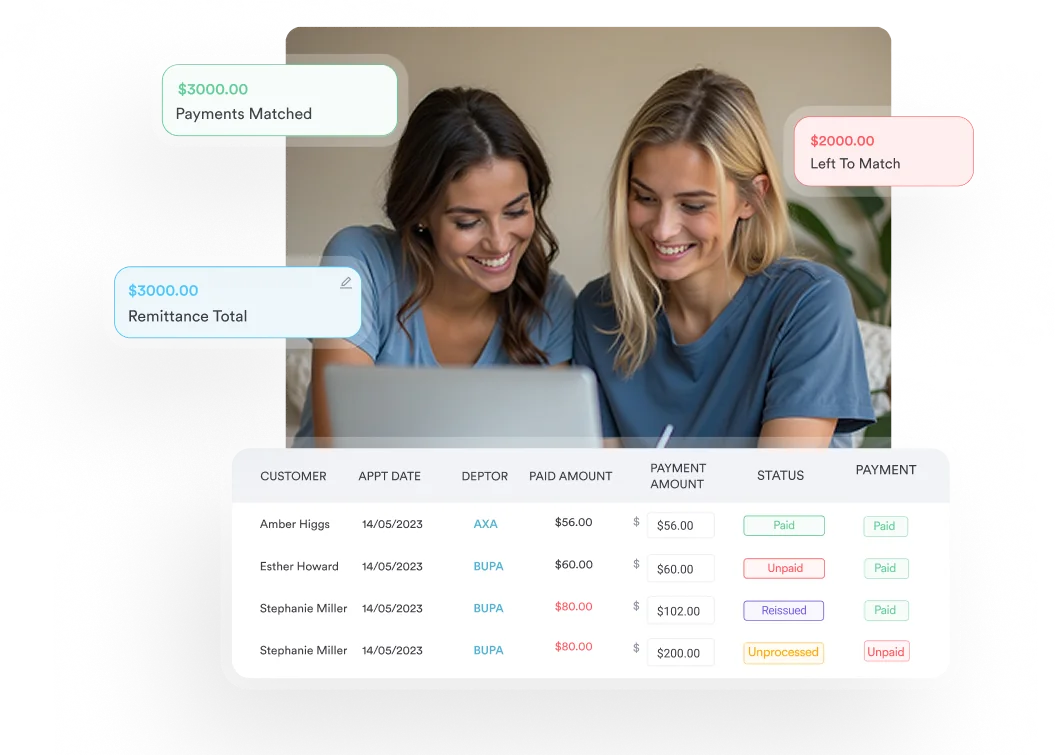
Set up a separate CPT code 98962 service template in your practice management system with the annual hour limit counter built in. When a patient reaches 8 of 10 initial DSMT hours, the educator sees an alert at the next group session booking. Preventing the 11th hour from being billed is easier than appealing a denied claim after the fact.
Group education billing under CPT code 98962 rewards practices that treat documentation and eligibility verification as workflow steps, not afterthoughts. The code’s requirements are specific: The right group size, the right provider type, a recognized curriculum, and for Medicare, an active DSMT program and physician referral on file before the first session.
Pabau’s claims management and revenue cycle tools are built to handle exactly this kind of time-based, multi-patient billing. If your practice runs group DSMT or other self-management education programs, see how Pabau handles group session documentation and book a demo to explore the billing workflow firsthand.

Need to understand how clearinghouse validation works before a claim reaches the payer? Pabau’s Claim.MD clearinghouse guide explains the real-time eligibility and claim-scrubbing process that catches 98962 errors before denial.
Looking for a primer on the full billing cycle behind codes like 98962? What is revenue cycle management walks through every stage from coding to payment posting in a practice context.
Want to see how 835 remittance data reveals the real reason behind a denial? Electronic remittance advice explained covers how to read ERAs and use CARC denial codes to fix and resubmit rejected 98962 claims.
CPT code 98962 covers education and training for patient self-management provided by a qualified, nonphysician health care professional to a group of 5 to 8 patients, billed in 30-minute units, using a standardized curriculum. It applies to chronic conditions including diabetes, asthma, and hypertension, and requires the session to follow a recognized educational program rather than informal counseling.
The group must include 5 to 8 patients. Fewer than 5 requires 98961 (2-4 patients) or 98960 (1 patient). Groups of 9 or more have no corresponding code in this family. The count must reflect actual attendance, documented on a signed roster with individual times in and out.
Yes, Medicare covers CPT code 98962 for group diabetes self-management training, subject to conditions: The DSMT program must hold current ADA or ADCES recognition, the patient must have a diabetes diagnosis, and a physician referral must be on file. Medicare limits coverage to 10 hours of initial DSMT and 2 hours of follow-up per year. Coverage for other conditions varies by MAC and state.
The only clinical difference is group size. CPT 98960 covers individual sessions (1 patient), CPT 98961 covers small group sessions (2-4 patients), and CPT 98962 covers large group sessions (5-8 patients). All three use the same 30-minute time unit, the same QHCP billing restriction, and the same standardized curriculum requirement. The correct code is determined by actual patient headcount, not by session format or topic.
There is no universal daily unit cap in the AMA CPT descriptor; each unit represents 30 minutes and billing should reflect actual documented time. In practice, Medicare’s annual hour limits (10 initial, 2 follow-up for DSMT) function as the effective ceiling. Many commercial payers impose their own per-day unit limits in their Local Coverage Determinations, so verify the specific payer policy before billing more than 2 units in a single session day for any one patient.