



HCPCS code E0198: Water pressure pad billing guide
HCPCS code E0198 is a water pad for a standard mattress HCPCS code E0198 is the ...

Last Updated: Oct 13, 2026

CPT Code 88300 reports Level I surgical pathology: gross examination only, with no microscopic analysis performed.
Approved specimens include teeth extracted for non-neoplastic reasons, foreign bodies, and orthopedic hardware – not tissue requiring microscopy.
Upcoding to Level II or higher without a genuine microscopic requirement is a documented audit risk under CMS guidance.
Pabau’s claims management software captures CPT codes at the point of care, reducing manual entry errors before claim submission.
Most pathology billing denials don’t come from complex cases. They come from Level I specimens coded incorrectly or missing a single line of documentation. CPT Code 88300 is the lowest-complexity surgical pathology code in the AMA’s CPT code set, yet it accounts for a disproportionate share of coding errors in labs and outpatient settings. Understanding its exact scope prevents upcoding risk and keeps claims clean on first submission. This guide covers specimen eligibility, documentation requirements, Medicare reimbursement, modifiers, and the most common billing mistakes for this code.
Pathology billing staff and practice administrators handling surgical specimens for skin clinics and dermatology practices will find the level-selection logic and documentation checklist especially useful.
Official AMA descriptor: Surgical pathology, gross examination only.
CPT Code 88300 sits at the base of the surgical pathology hierarchy (88300-88309). It covers a pathologist’s visual inspection of a specimen with no microscopic analysis. The pathologist examines gross characteristics: size, shape, color, texture, and surface features. No tissue sections are cut for microscopic review at this level.
The six levels in the series are:
The defining rule: if microscopy is performed, 88300 cannot be billed. The specimen must be reassigned to the appropriate Level II through VI code. For reference.
Level I gross examination applies to specimens that require no microscopic confirmation to establish a finding. The AMA and AAPC consistently cite the following approved specimen types:
What disqualifies a specimen from Level I: Any clinical history suggesting neoplasm, infection, or inflammation requires microscopic evaluation. A tooth with a periapical lesion suspicious for cyst or tumor, for example, would move to at least Level II (88302). When in doubt, err toward microscopic examination and code the higher level accurately.
A claim for CPT Code 88300 that lacks the required documentation elements will be denied or flagged for audit. The pathology report must contain all of the following before submission:
Practices that rely on handwritten or freeform notes frequently miss the “absence of microscopic examination” line, triggering automatic denial from Medicare contractors. Maintaining structured client records that capture clinical history from the ordering provider also ensures the pathology report has the context it needs.
For broader guidance on record-keeping obligations. Documentation requirements for surgical pathology also share structural overlap with the ADHD screening CPT code, since both require a clear clinical history tied to the ordering provider.
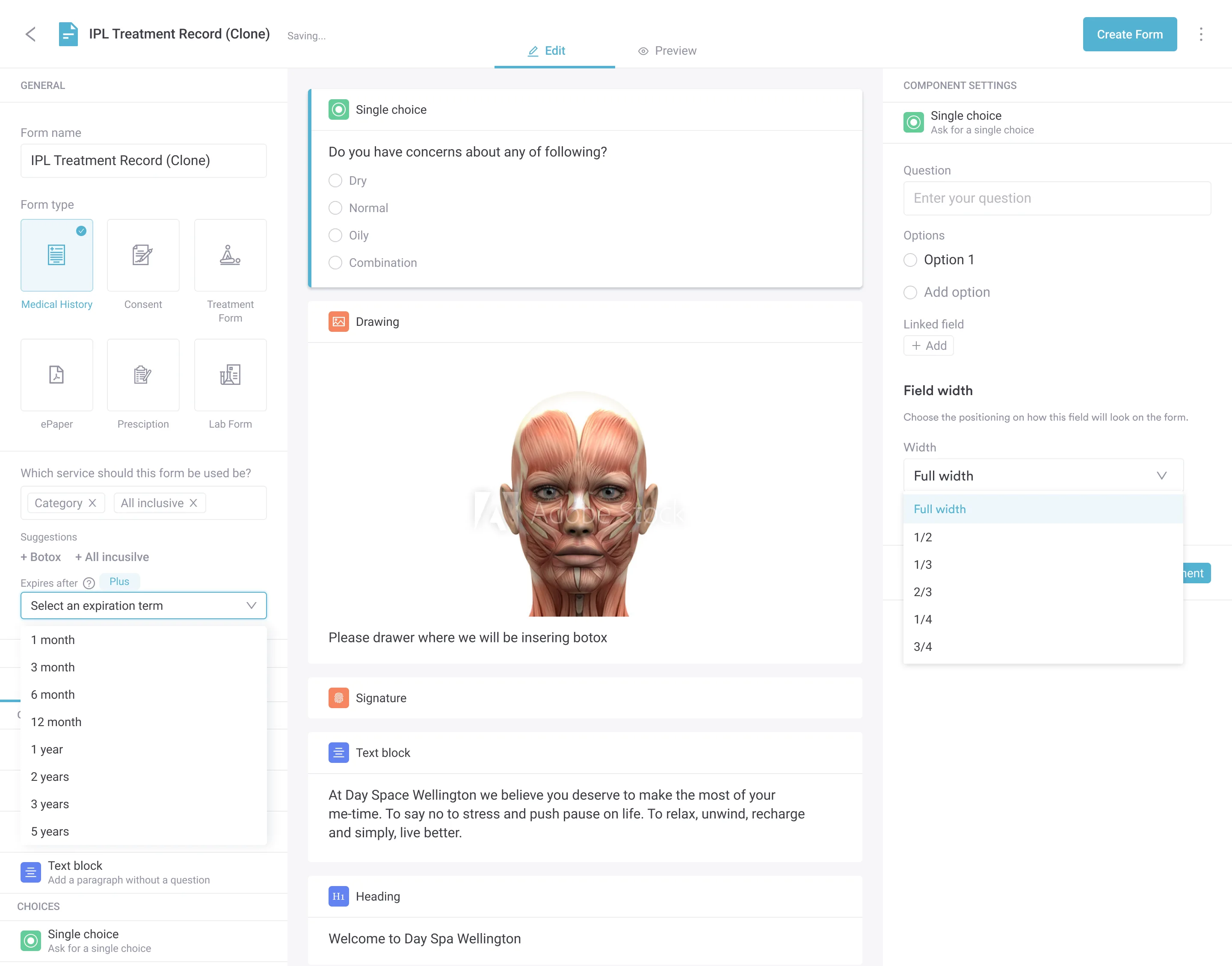
GP practices order most of these tests, and GP clinic software keeps requests, results, and actions together.
CPT Code 88300 carries low relative value units (RVUs) because Level I gross examination requires minimal physician work time. The figures below reflect the 2026 Medicare Physician Fee Schedule (MPFS) non-facility rate. Always verify the current year’s rate using the CMS PFS Look-Up Tool before submission, as rates update annually and vary by geographic locality.
Use the FastRVU lookup tool to get the current-year dollar equivalent with your locality’s geographic practice cost index (GPCI) applied. Private payer rates vary significantly – some reimburse at Medicare rates, others at a percentage of the Medicare fee schedule. Verify each payer’s contractual rate separately.
Verify CPT 88300 reimbursement rates annually through the CMS MPFS Look-Up Tool using your specific MAC jurisdiction and non-facility/facility setting. A rate that was accurate in 2025 may have changed for 2026 – hardcoding a dollar amount in your billing policies without an annual review is one of the top avoidable revenue leakage causes in pathology billing.
Two modifiers are regularly appended to CPT Code 88300 when the pathologist and the facility bill separately for their respective components of the service.
When no modifier is used: the global service is billed, meaning one entity performed and billed both components. This applies when a pathologist in a physician-owned lab provides both the interpretation and the technical service.
Common mistake: applying Modifier 26 in a hospital outpatient setting where the facility has already billed TC under its own claim. This results in duplicate billing. Confirm the billing arrangement with your lab administrator.
Every claim for CPT Code 88300 must be paired with an ICD-10 diagnosis code that establishes medical necessity. The diagnosis code should reflect the clinical reason the specimen was removed and submitted for examination, per AAPC coding guidelines. Common pairings include:
Verify these pairings against your MAC’s Local Coverage Determination (LCD) for pathology services before submitting. LCD policies vary by region and may require specific ICD-10 codes to trigger coverage for Level I examination. Lab-based procedure codes. Ensure your practice’s records comply with HIPAA-compliant clinic software standards when storing and transmitting diagnosis codes on claims. Where a payer still requires a paper claim, the practice needs the current revision of the form.
Surgical pathology billing errors on CPT Code 88300 cluster around four root causes. Each one is preventable with the right documentation habits and workflow controls. Claim accuracy is cheaper to build at entry than to repair in an appeal.
Upcoding Level I specimens to 88302 or higher without a genuine microscopic requirement carries audit risk under CMS guidance. When claims show a pattern of upgrading straightforward specimens to higher complexity levels, payers may initiate a post-payment review. The same audit exposure applies to other lab-based procedure codes. For guidance on related procedure codes in other specialties.
Pure coding references describe what documentation is required. Practice management software determines whether that documentation actually gets captured before the claim leaves the building.
Pabau’s claims management software connects clinical documentation directly to billing code assignment. When a pathology specimen is logged in the system, required fields for gross description, clinical history, and pathologist attestation are flagged before the note is finalized. This prevents the most common Level I denial trigger: a report submitted with no explicit statement that microscopy was not performed. For a broader look at how workflow automation integrates across billing and documentation.
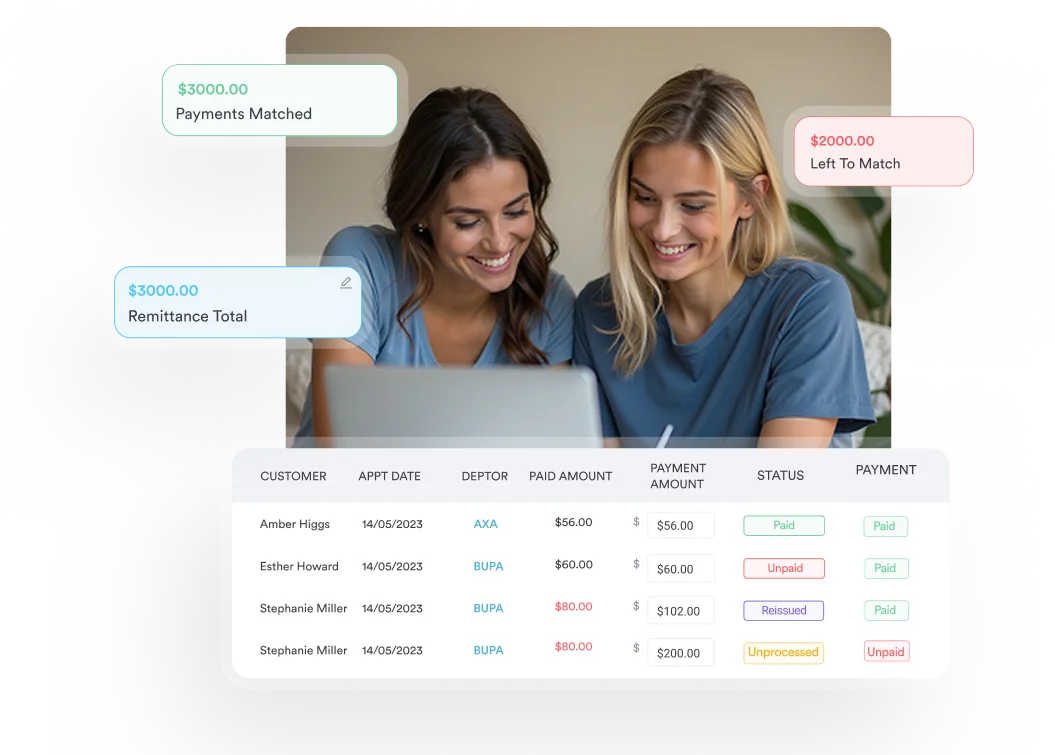

Pabau captures CPT codes and required documentation at the point of care, so claims for Level I surgical pathology go out clean. See how integrated billing workflows reduce denials.

CPT Code 88300 is deceptively simple: gross examination only, no microscopy. But the documentation and level-selection requirements that surround it generate a significant share of pathology claim denials. Getting Level I right means confirming specimen eligibility, documenting gross findings explicitly, selecting the correct ICD-10 code, and applying modifiers only when the billing arrangement requires them.
Pabau’s structured documentation workflows enforce these requirements at the point of care, so your team isn’t reconstructing missing fields after a denial. To see how integrated pathology billing documentation works in practice, book a demo with the Pabau team.

Billing a CT with and without contrast? Dual-phase CT abdomen billing covers imaging performed first without contrast, then with contrast, in a single encounter.
Billing a cardiac calcium scoring CT? Calcium scoring CT billing covers the non-contrast cardiac scan and notes that Medicare does not cover it.
Need another example of pairing a diagnosis code with the right procedure? ICD-10 code E67.1 walks through the same diagnosis-to-claim logic for a hypercarotenemia finding.
CPT Code 88300 is used to report Level I surgical pathology, which consists of gross examination only – the pathologist visually inspects the specimen with no microscopic analysis. It applies to straightforward specimens like extracted teeth (non-neoplastic), foreign bodies, and orthopedic hardware.
No. CPT Code 88300 explicitly covers gross examination only. If a microscopic examination is performed on the specimen, the code must be upgraded to at least Level II (88302) or higher, depending on the complexity of the microscopic findings.
CPT 88300 (Level I) involves gross examination only with no microscopic analysis. CPT 88305 (Level IV) requires gross and microscopic examination of more complex specimens such as skin biopsies and soft tissue excisions. The key difference is whether microscopy is performed and the clinical complexity of the specimen.
Modifier 26 (professional component) is used when the pathologist bills only for the interpretation, and Modifier TC (technical component) is used when the facility bills only for equipment and supplies. No modifier is needed when one entity provides the global service.
Common pairings include K01.0 (embedded tooth) for extracted teeth, M79.5 for foreign bodies removed from soft tissue, and N20.0 for renal calculus specimens. Always verify against your MAC’s LCD for pathology services, as coverage criteria vary by region.
The Medicare rate for CPT Code 88300 is based on approximately 0.49 total non-facility RVUs under the 2026 Physician Fee Schedule, which comes to roughly $16 before your geographic locality’s GPCI is applied. Verify the current dollar amount using the CMS MPFS Look-Up Tool, as rates change each January.



