CCSD code L6530: Revision femoral bypass graft
CCSD code L6530: Definition and clinical scope CCSD code L6530 carries the offic...

Last Updated: Nov 13, 2026
M4910 is the CCSD code for closure of cystostomy, an operation that closes an opening into the bladder through the lower abdominal wall. It is a urinary procedure, matching OPCS-4 M49.1. Most suprapubic tracts seal on their own once the catheter comes out, so this code is for the ones that need surgery.
The claim turns on one question: did the surgeon close the opening, or just remove the tube? Removal and tube changes have their own M49 entries, so the operative note has to describe the closure itself.
Let Pabau's smart automation suggest the right codes, reduce claim denials, and keep your practice compliant—effortlessly.
Automate repetitive tasks and focus on what matters most—your patients.
Reduce coding errors and ensure compliance with the latest regulations.
Clean claims, fewer denials, and faster reimbursements.
Powerful insights and reporting to help your practice thrive.
HIPAA compliant SOC 2 certified GDPR-compliant Trusted by 4,000+ clinics worldwide

CCSD code M4910 is closure of cystostomy, a bladder operation that closes an opening made into the bladder through the lower abdominal wall.
It sits in the urinary chapter of the CCSD schedule and matches OPCS-4 M49.1, Closure of cystostomy.
Most suprapubic tracts close on their own after the tube comes out, so M4910 belongs to a tract that needed an operation to close.
Changing or removing a suprapubic tube are separate M49 entries, so the operative note has to show the closure itself.
Check authorisation, the diagnosis code and the CCSD combination rules before the claim leaves the practice.
A cystostomy is an opening made into the bladder through the lower abdominal wall. It usually holds a suprapubic catheter, which drains urine when the urethra can’t. M4910 is the CCSD code for closing that opening as a surgical procedure.
The code sits in the urinary chapter of the CCSD schedule, under the bladder section. Its OPCS-4 counterpart is M49.1 Closure of cystostomy, inside category M49, “Other operations on bladder”. OPCS-4 chapter M covers the urinary tract and the prostate.
Most suprapubic tracts don’t need an operation. Once the tube comes out and the bladder drains another way, the track usually seals within days.
Sometimes it doesn’t. A tract that keeps leaking urine through the skin has become a vesicocutaneous fistula. A well-established, lined tract or a retained foreign body can stop it healing. Some open cystostomies are also closed formally as part of a planned operation. A tract that drains into the vagina is a vesicovaginal fistula, repaired under code P2510.
Urine leaking from the urethra into the vagina points to a different fistula, a urethrovaginal one. That repair is billed under P2520, not M4910.
That’s the line M4910 draws. The code describes an operation to close the opening, so the note must show the surgeon closing it. A tract that closed on its own after the tube was pulled is not an M4910 episode. The panel below sets the closure beside the other things that can happen to the tract.
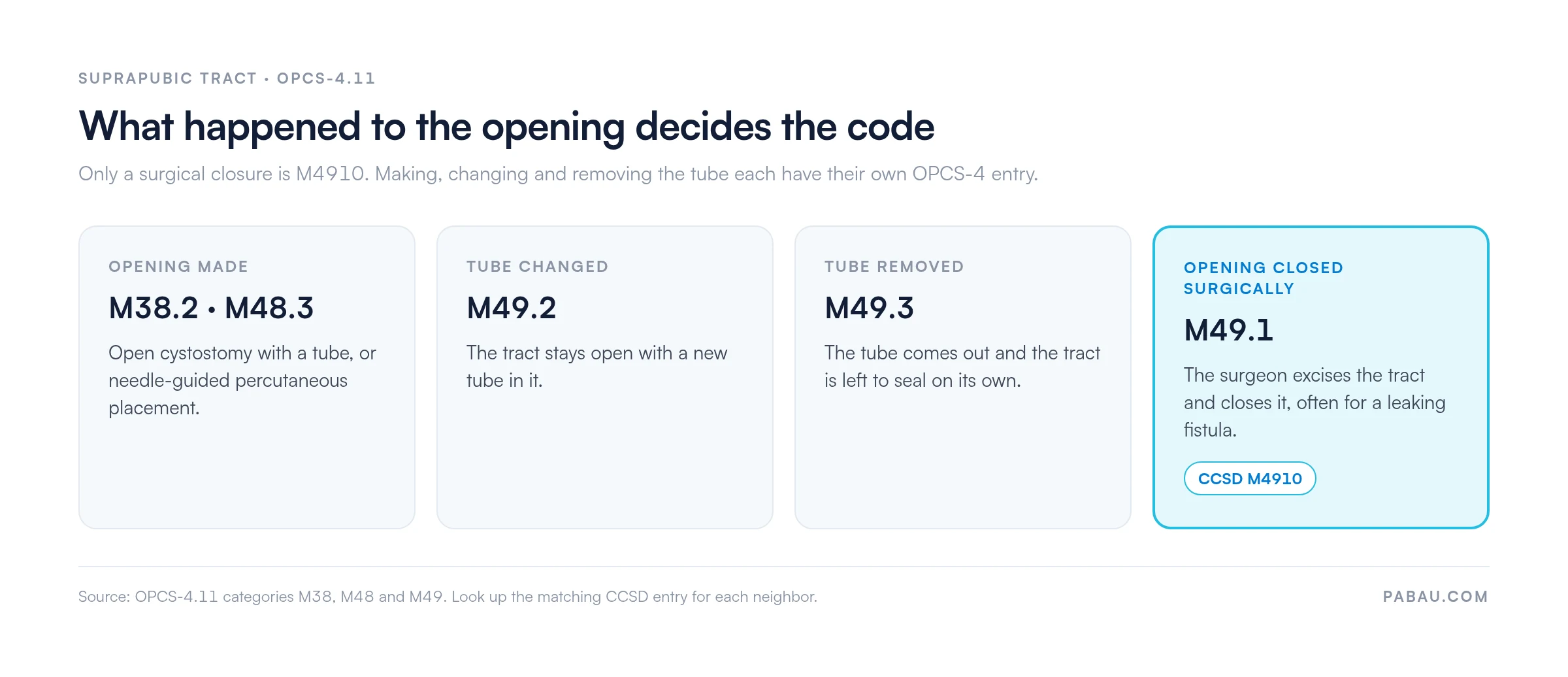
Category M49 groups several small bladder procedures that often happen around the same catheter. The OPCS-4.11 entries below are the ones most likely to be confused with a closure.
These are OPCS-4 codes, not CCSD codes. Look up the matching entry for each one among the current CCSD codes before you claim it. Don’t build a CCSD code by adding a zero to an OPCS code.
Insurers read the procedure code against the diagnosis. For M4910, the diagnosis has to explain why the opening needed closing.
Confirm the final diagnosis code against the ICD-10 edition your insurer accepts. The note, not habit, decides which one applies.
A closure claim is often queried because the note reads like a tube removal. Make sure the patient record holds these details before you submit.
Here’s an illustrative case. A patient had a suprapubic catheter placed after a pelvic injury, then voided normally again. The tube came out at clinic, but the site kept leaking urine for weeks.
The urologist books a formal closure. The note describes excising the tract and closing the bladder wall in layers, with a urethral catheter left in. The coder claims M4910 with N32.2 as the main diagnosis.
The earlier tube removal at clinic isn’t added to this claim. It happened in a different episode, and the operation is the closure.
Small urology procedures cause outsized billing friction. The episode is short, but the paper trail runs across clinic, the operating room and the insurer.
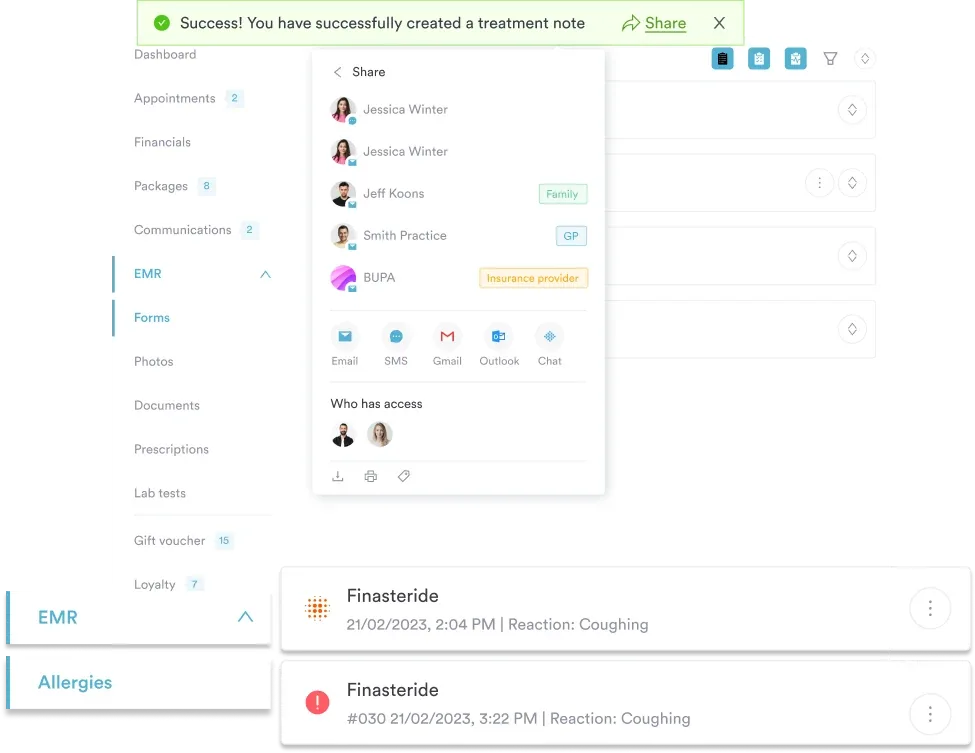
Pabau, the practice management platform we build, keeps that trail in one place. The authorisation code, dates and sessions are tracked on the case, with a warning when one is missing. The operative note sits on the same patient record.
Pabau’s claims management software sends UK claims through Healthcode and Bupa.
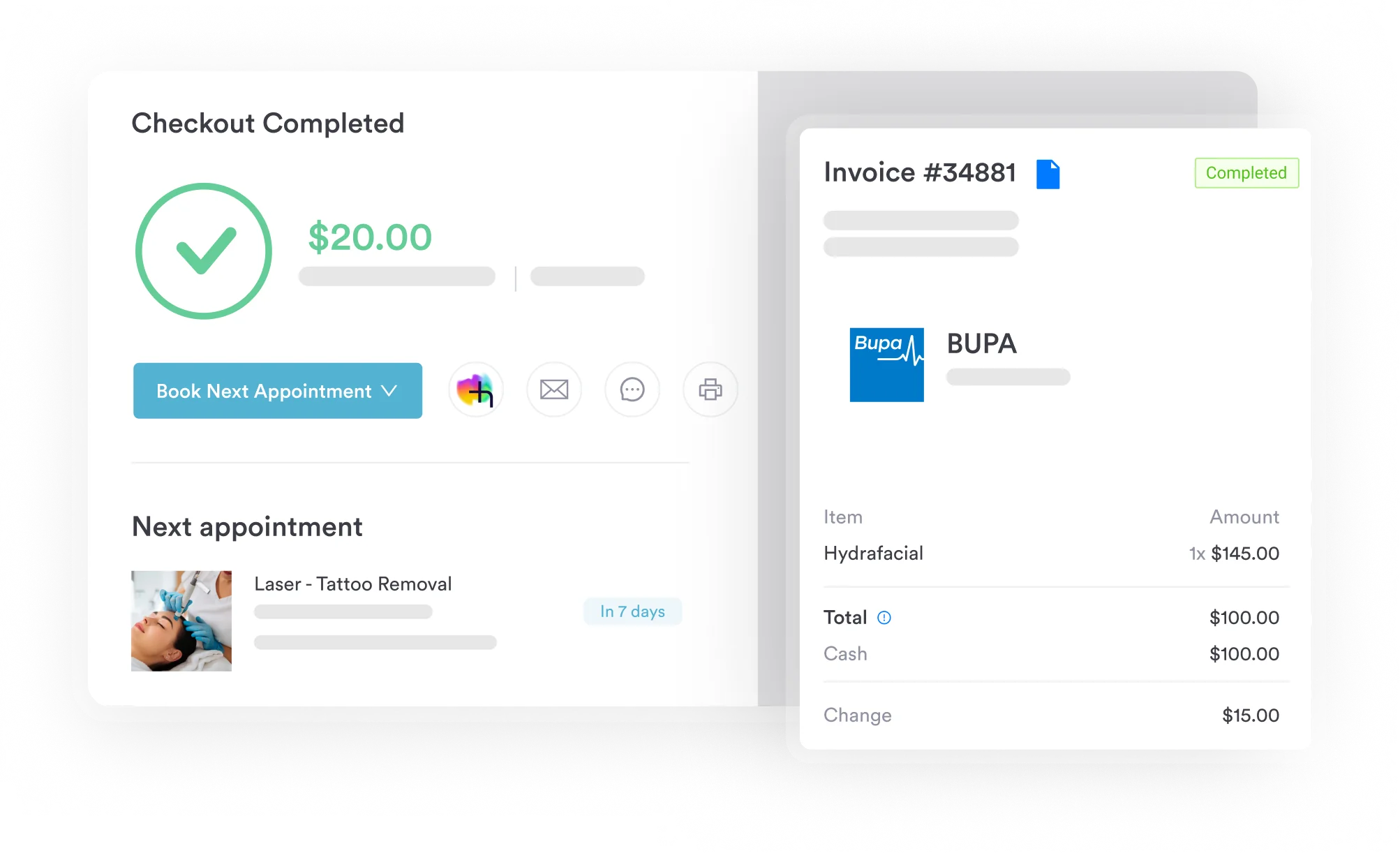

Pabau tracks the authorisation on the case, keeps the operative note on the patient record and warns when an authorisation is missing. Your billing team spends less time rebuilding a claim after an insurer query.

M4910 is a narrow code. It pays for one operation, closing a cystostomy, and not the tube removal or change on either side of it.
Most rejected closure claims fail on that boundary. The note reads like a tube removal, or the authorisation belongs to an earlier episode. Get the note, the diagnosis and the authorisation telling the same story, and the claim usually goes through.
Book a demo to see how Pabau keeps authorisations, notes and claims on one patient record.

Billing a flexible cystoscopy in the same pathway? CCSD code M4510 covers the diagnostic bladder look that often comes before or after a cystostomy.
Need the wider picture on Bupa claims? Bupa CCSD codes guide explains how Bupa uses the CCSD schedule for specialist claims.
Want fewer rejected insurer claims? Pabau claims management software tracks authorisations and insurer submissions in one place.
Billing an open operation on the bladder? CCSD code M4110 covers open excision of a bladder lesion.
They describe the same operation in different systems. CPT 51880 is the US code for closure of cystostomy. UK private insurers use M4910, so don’t put a CPT code on a UK claim.
It’s M49.1, under category M49, Other operations on bladder. NHS hospitals use OPCS-4, while private insurers use the matching CCSD code, M4910.
The CCSD group is made up of Aviva, AXA Health, Bupa and Vitality. Many other UK insurers also accept CCSD codes, so check each payer’s requirements.
Yes. Code the main operation as well as the closure, then check CCSD’s combination rules. Some pairings are not accepted together on one claim.
No. Most tracts close on their own after the tube comes out. M4910 applies only when the surgeon closes the opening as an operation.