

HCPCS code E0198: Water pressure pad billing guide
HCPCS code E0198 is a water pad for a standard mattress HCPCS code E0198 is the ...

Last Updated: Oct 13, 2026
A0980 is the CCSD code for deep brain stimulation, the stereotactic implantation of electrodes into a deep brain target. UK private insurers recognise it for Parkinson's disease, essential tremor and dystonia, and published schedules place it in the Major complexity band.
The code pays the operating neurosurgeon for the implantation itself. It does not cover the stimulator hardware, the anaesthetist's fee, or the programming visits that follow. Every insurer wants pre-authorisation in writing first, and a missing reference number is the fastest way to lose the claim.
Let Pabau's smart automation suggest the right codes, reduce claim denials, and keep your practice compliant—effortlessly.
Automate repetitive tasks and focus on what matters most—your patients.
Reduce coding errors and ensure compliance with the latest regulations.
Clean claims, fewer denials, and faster reimbursements.
Powerful insights and reporting to help your practice thrive.
HIPAA compliant SOC 2 certified GDPR-compliant Trusted by 4,000+ clinics worldwide

CCSD code A0980 covers the surgical implantation of deep brain stimulation electrodes, not the device and not the programming.
Parkinson’s disease, essential tremor and dystonia are the three indications UK private insurers recognise, under NICE NG71 and NICE HTG122.
Published insurer schedules place A0980 in the Major complexity band, next to A0900 for implanting the neurostimulator itself.
Every major UK insurer wants pre-authorisation before surgery, and a missing reference number is the leading cause of denial.
Pabau, a practice management platform, tracks CCSD invoices and authorisation status across Bupa, AXA Health and Aviva.
CCSD code A0980 is the procedure code UK private insurers use for deep brain stimulation. It pays the consultant neurosurgeon for a single surgical act. That act is the stereotactic implantation of electrodes into a deep brain target, with an implantable pulse generator (IPG) placed to drive them.
The schedule behind the code is maintained by the Clinical Coding and Schedule Development Group, and it is the billing standard across UK private healthcare. Bupa, AXA Health, Aviva, Vitality and Cigna all price their benefits against it. A0980 sits in Chapter 2, “Brain, cranium and other intracranial organs”.
Published insurer schedules place A0980 in the Major complexity band. That band, rather than the code on its own, drives the benefit maximum a patient’s policy will pay. So the right code paired with the wrong fee expectation still ends in a shortfall conversation.
One more scope rule matters before anything else. A0980 applies to the primary implantation event only. Programming sessions, battery replacement and lead revision each carry their own code, and so does the hardware.
DBS surgery is stereotactic, so the team works from a three-dimensional coordinate map rather than a direct view of the target.
Two targets dominate UK private cases. The subthalamic nucleus (STN) is used for Parkinson’s disease, and the globus pallidus interna (GPi) for Parkinson’s disease and dystonia.
Four stages make up the operation, and the operative note should name each one.
Diagnostic tissue sampling from a brain lesion reaches its target through a burr hole as well. That biopsy is billed under CCSD code A0400, which sits in the same chapter of the schedule. A neuroendoscope also reaches the ventricles through a burr hole, and therapeutic endoscopy there is billed under A1700.
Intraoperative neurophysiology sits awkwardly in the schedule. Where the operating surgeon performs the monitoring, treat it as part of A0980. Where a separate neurophysiologist performs and bills it, check the current schedule for the applicable code before you invoice.
Insurers assess medical necessity against NICE criteria, and two documents do that work. NICE guideline NG71 covers Parkinson’s disease in adults. NICE HTG122, formerly IPG188, covers deep brain stimulation for tremor and dystonia, excluding Parkinson’s disease.
The three conditions UK private insurers consistently recognise are set out below. The thresholds shown are the standard eligibility criteria. Individual payers add requirements of their own, so read each insurer’s published policy before you submit.
Off-label indications, such as treatment-resistant depression or obsessive-compulsive disorder, sit outside standard UK private cover. Never bill A0980 for one without written confirmation from the insurer first.
Unbundling is the error that costs practices most on this code. The boundary itself is simple to state. One surgical act belongs on A0980, and the rest of the episode is billed elsewhere by someone else.
The three bands below show where that line falls in practice.
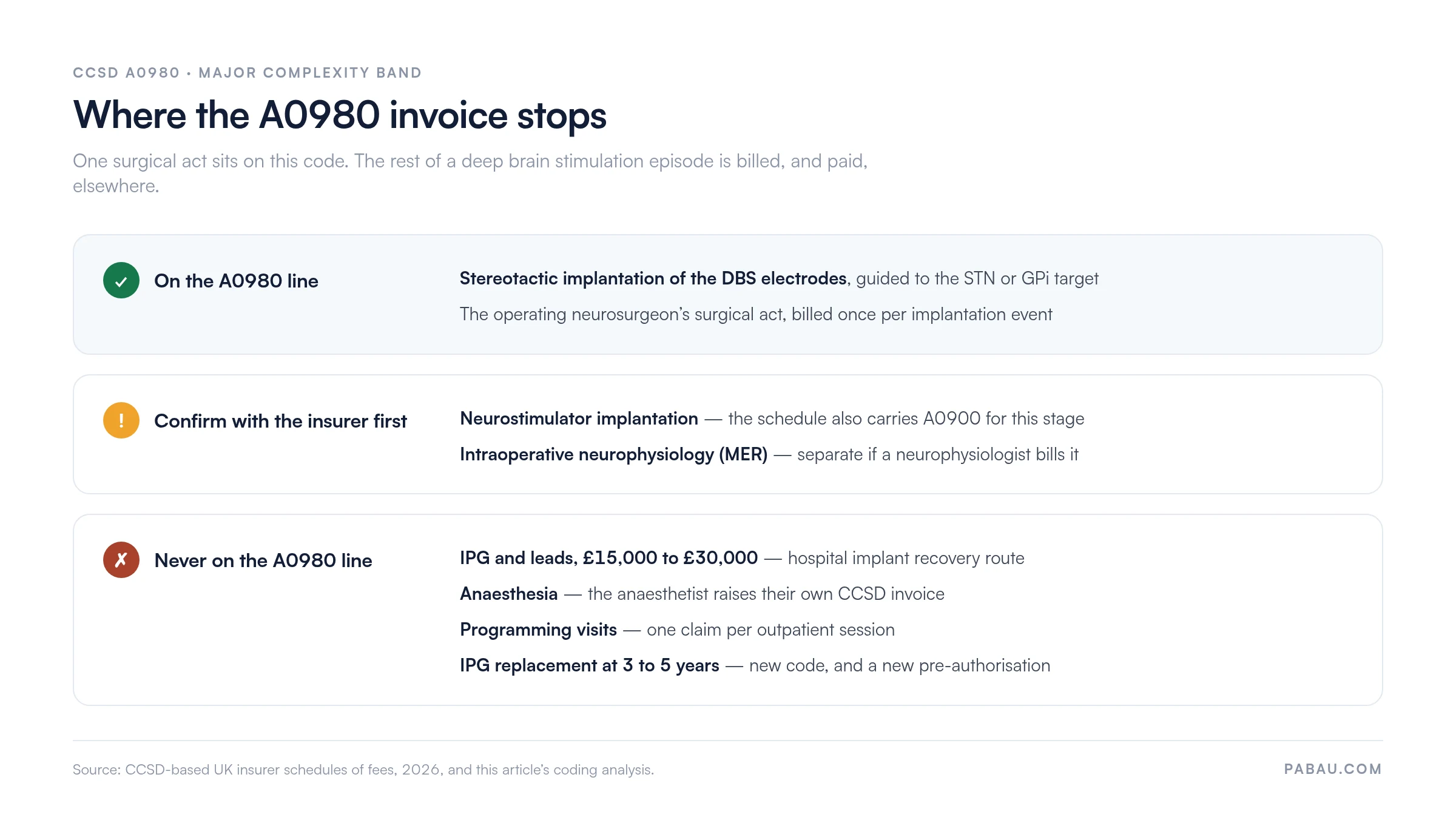
The hardware itself typically runs between £15,000 and £30,000 per system. Hospitals recover that through their own procurement agreement with the insurer. A device line on the surgeon’s invoice gets the whole claim queried, so keep the two apart at the point the invoice is raised.
A full episode spans implantation, programming and eventual device maintenance. Each phase has its own code, its own biller and its own timing. Two neighbours are worth knowing by heart: A0900 covers implantation of a neurostimulator to the brain, and A0901 covers its removal.
Both neighbours sit in the same Major band as A0980. That is why insurers ask practices to confirm the intended code before surgery, not after. The wider CCSD codes index lists the rest of the schedule, which helps when an episode crosses more than one specialty.
Chapter 2 of the CCSD schedule also carries the open cranial procedures. A0180 covers excision of a brain abscess through a craniotomy, an approach the schedule separates from burr hole drainage.
Recording which phase an invoice belongs to prevents duplicate billing and shortens any audit. Practices billing Bupa can cross-check the code against the Bupa CCSD codes reference before the invoice leaves the building.
Treat each DBS episode as three billing events: implantation, programming visits, and eventual battery replacement. Set that structure out for the insurer at pre-authorisation, so all three phases sit inside one approval rather than needing a fresh one mid-episode.
Insurers query complex neurosurgical claims on documentation far more often than on coding. The operative note is the document that settles it, and the Royal College of Surgeons of England sets clear standards for what one must contain.
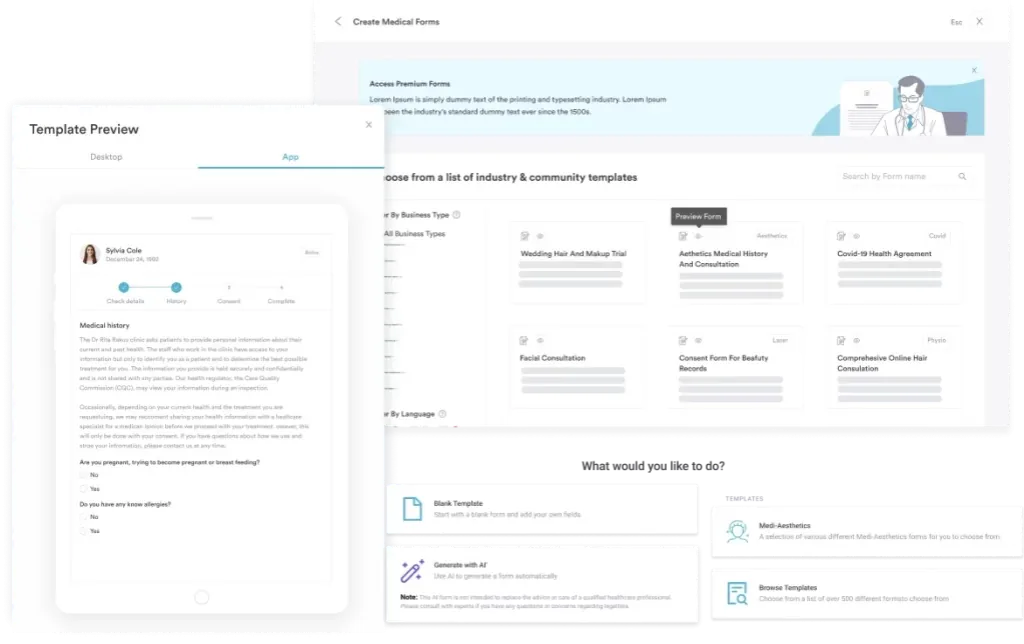
Structured templates help here, because a mandatory field cannot quietly be skipped.
Medical necessity review looks for evidence that the patient met the criteria before surgery, not afterwards. Referral letters, MDT minutes and neuropsychological reports all strengthen the file. Keep them with the authorisation letter, so the whole claim can be reassembled from one place.
Every major UK private medical insurer requires pre-authorisation before DBS surgery. A missing authorisation reference sinks the claim on its own, whatever the clinical documentation says.
The route differs by insurer, but the information requested is broadly the same across all four.
Get the authorisation number in writing before the procedure date, then put it on every invoice in the episode. Verbal approvals are not accepted at the claims stage, and an approval that lapsed between consent and surgery counts as no approval at all.
DBS invoices are among the highest-value claims a neurosurgery practice raises, so they attract close scrutiny. Seven patterns account for most denials across Bupa, AXA Health and Aviva.
Run the list before the claim goes out, not after it comes back.
When a claim is denied, ask for the reason in writing and reply inside the insurer’s appeal window, usually 30 days. Attach the operative note, the authorisation letter and any MDT documentation that did not go out the first time.
Programming is where most of the clinical benefit of DBS is delivered, and it is reimbursed on its own code.
Stimulation parameters are titrated across several outpatient sessions after implantation, then adjusted for the life of the device. Most code lookup resources stop at implantation and miss this entirely.
Four questions decide how those visits get paid.
Counting sessions against each insurer’s approved allocation prevents accidental over-billing. It also flags the moment a fresh authorisation is due, rather than after the appointment has already happened.
Ask the insurer to confirm the bilateral rule in writing at pre-authorisation, alongside the programming allocation. Bilateral DBS is the single most inconsistently reimbursed part of this episode, and the answer differs by policy as well as by insurer.
A DBS episode produces invoices for years, from several practitioners, against one authorisation. Most practices track that in a spreadsheet kept alongside the patient record. The spreadsheet is usually where the authorisation reference goes missing.
Pabau is practice management software for private practices, and its claims management software keeps the coding and the record in one system. Each invoice is raised from the patient’s own record, so the CCSD code, the provider number and the authorisation reference travel with it. In the UK, claims route through Healthcode, which means the insurer receives them in the format it expects.
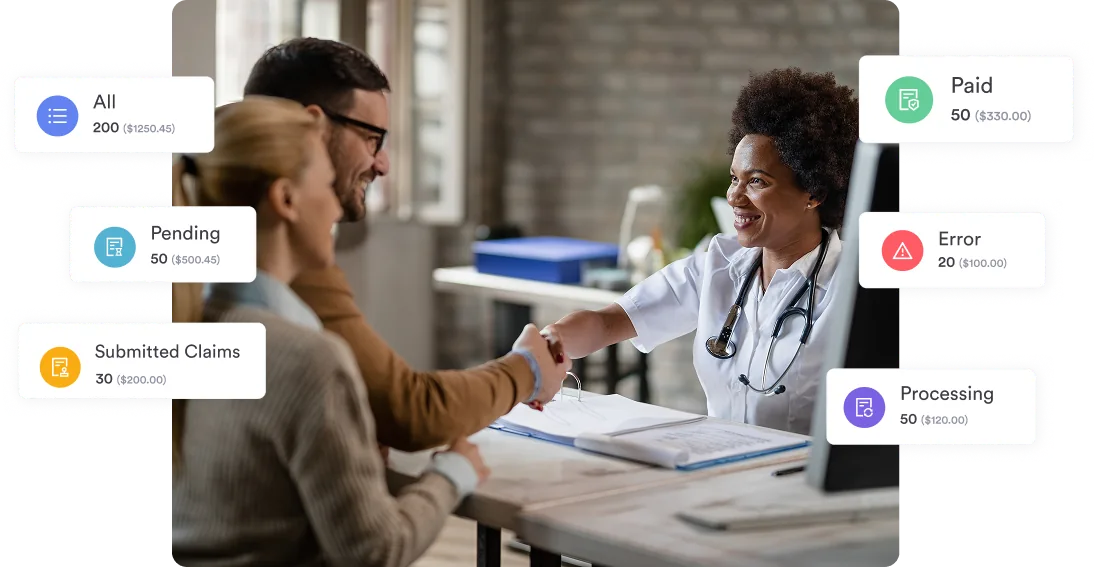
Billing staff then see which invoices are submitted, pending, paid or rejected from one screen. A rejected A0980 claim shows up the week it comes back, so the appeal goes out with days to spare instead of hours.

Pabau raises CCSD-coded invoices straight from the patient record and carries the authorisation reference onto every line. Claim status across Bupa, AXA Health and Aviva sits in one view.

A0980 is a simple code attached to a complicated episode. Secure the authorisation in writing, keep the hardware off the surgeon’s invoice, and bill each phase under its own code. Those three habits prevent most of the denials described above.
The harder judgment comes before surgery. Agree with the insurer how they want bilateral cases, the neurostimulator stage and the programming block handled, then file the answer with the authorisation letter. Ten minutes on the phone beats a 30-day appeal.
Book a demo to see how Pabau keeps CCSD codes, authorisation references and claim status together.

Billing other procedures to Bupa this month? Bupa CCSD codes walks through the chapter structure and the submission rules Bupa applies to the whole schedule.
Need the fee behind the code? Bupa procedure codes fee schedule explains how benefit maximums are set per code and where shortfalls come from.
Claim came back rejected? Denial codes in medical billing decodes the rejection reasons payers return and what each one asks you to resubmit.
Comparing billing systems for a UK practice? Best medical billing software in the UK reviews the platforms private practices use to submit and track insurer claims.
No. CCSD codes exist for UK private medical insurance billing only. NHS activity is recorded in OPCS-4, a separate classification used for national reporting. A neurosurgeon operating in both sectors codes the NHS episode in OPCS-4 and the private episode with A0980. The two are never interchangeable on a claim.
A shortfall is the difference between the surgeon’s fee and the insurer’s benefit maximum for that complexity band. The patient pays it. Because A0980 sits in the Major band, the maximum is known in advance. Quote the patient in writing before surgery whenever your fee exceeds it.
Several do. International schedules built on the CCSD structure list A0980 in the Major band, and Aetna International publishes one such schedule. Fees differ from UK domestic rates, and some overseas policies apply a separate territory rate. Confirm both the fee and the authorisation route with the insurer directly.
The CCSD Group reviews the schedule on a rolling basis and publishes updates through the year. Codes get added, amended and occasionally withdrawn. Check the code and its complexity band against the current schedule before invoicing. That matters most for a procedure your practice bills only a few times a year.



