HCPCS code E0198: Water pressure pad billing guide
HCPCS code E0198 is a water pad for a standard mattress HCPCS code E0198 is the ...

Last Updated: Oct 13, 2026

CCSD code 0223O identifies an insulin level test, a pathology blood test that measures how much insulin is circulating in a patient’s blood. It is not a procedure code and it is not a dental code.
It sits in Chapter 34 (Pathology) of the CCSD schedule, in the Biochemistry sub-chapter (34.1.0), alongside the other blood chemistry tests labs bill to UK private insurers.
Clinicians typically request it when investigating hypoglycaemia, a suspected insulinoma, or as part of an insulin-resistance work-up, usually alongside a paired fasting glucose result.
Bupa, AXA Health, Aviva, Vitality Health, WPA, and other major UK insurers recognise CCSD codes for pathology claims, but each sets its own fee and eligibility rules, so confirm both before billing.
Practice management software like Pabau integrates natively with Healthcode, so a practice can code, submit, and track a claim like 0223O from the same system it already uses for the patient record.
CCSD code 0223O is one of the private healthcare billing codes UK insurers use for an insulin level test. It’s a pathology blood test that measures how much insulin is circulating in a patient’s blood.
Practices that treat 0223O like a procedure often expect a consent form, a treatment note, and a pre-authorisation reference. That paperwork isn’t what the claim needs, though. Meanwhile, the detail that holds a pathology claim up is different: a lapsed eligibility check, or a mismatched membership number. That’s what goes unnoticed until the remittance comes back short.
Pathology billing runs on different rules than a surgical or consultation claim. 0223O is the kind of code that gets miscast when someone assumes it works like the rest of the schedule. If you’re new to running a private practice in the UK, get this right from the first invoice.
0223O identifies an insulin level test on the CCSD schedule. It’s the number a lab or provider puts on an invoice line to tell an insurer exactly what was checked. It’s a diagnostic biochemistry code, sitting in Chapter 34 (Pathology) of the schedule, in the Biochemistry sub-chapter (34.1.0). That’s a different part of the schedule from the surgical, dental, or consultation codes. The clearinghouse validates structure before the payer validates content, which is why an electronic claim can fail twice.
Insulin is the hormone that regulates blood glucose. Clinicians request it when investigating hypoglycaemia, a suspected insulinoma, or as part of a broader insulin-resistance work-up.
It’s rarely requested entirely on its own. A clinician investigating any of these will usually want a paired fasting glucose result from the same draw. That way, the two figures can be read together, rather than the insulin number sitting in isolation.
A note on the code itself: CCSD codes are the private healthcare billing codes used across UK private practice. In this chapter, they pair a numeric base with a trailing letter. You’ll see claims online about what that letter is supposed to denote.
The CCSD schedule’s full narrative sits behind a registered-provider login. This guide sticks to one fact worth standing behind: 0223O identifies an insulin level test. It doesn’t assert what the “O” on its own is supposed to mean.
0223O also isn’t a standalone entry. It sits inside a wider family of Chapter 34 biochemistry codes. That family covers everything from routine electrolyte panels to specialist hormone assays.
The exact codes for those neighbouring tests aren’t guessed at here. You’ll find them, and how they bundle with 0223O when ordered together, in the authenticated CCSD schedule.
CCSD doesn’t publish its full schedule as an open web index. You can confirm the official description for 0223O through the CCSD subscriber portal at ccsd.org.uk. Or check your practice management system’s integrated code library, both accessible to registered providers.
Billing from memory, or from an old invoice template, is one of the more avoidable mistakes. It’s an easy way for a claim to end up coded against the wrong version of a test.
Coding it right is only half the job. The other half is knowing what has to happen, in order, before that code turns into a payment. Here’s the sequence, from the request to the remittance:
The friction rarely shows up in the first four steps. It shows up at steps five and six instead. That’s where a correctly ordered and run test gets miscoded, mistimed, or submitted with the wrong patient detail attached.
Billing an insulin result alongside a paired glucose result is a good example. It’s easy to submit only one of the two codes, or bundle them when the insurer expects separate line items. That mismatch is exactly the kind of thing that gets a claim queried rather than paid on first submission.
If a repeat draw is requested because a result looks inconsistent with the clinical picture, flag the repeat clearly in the patient’s notes. Otherwise, the second 0223O line on the invoice can read as a duplicate charge rather than a legitimate retest when someone reviews the claim later.
Bupa, AXA Health, Aviva, Vitality Health, and WPA all recognise CCSD codes, including pathology codes like 0223O. Between them, they process the majority of these claims through Healthcode’s clearing service.
Healix recognises and processes CCSD-coded claims too. It operates as a healthcare trust and claims administrator, though, rather than a traditional PMI insurer.
Clinicians usually request an insulin level test as part of a wider investigation, not as a single isolated line. Check how your lab and the relevant insurer expect the paired tests to be coded before you submit.
Bupa maintains the most searchable public code database for UK private practitioners, at codes.bupa.co.uk. If you’re unsure whether 0223O is the current code, or whether a specific policy covers the investigation, check that portal. It’s the fastest place to confirm either one.
For a broader reference on Bupa’s own code set, Pabau’s Bupa CCSD codes guide is worth a look. It covers how to use the search portal before an appointment.
Accurate CCSD codes are only half the job — day-to-day practice management decides how quickly insurers pay.
CCSD codes carry no fixed, universal fee. The schedule sets out what a code covers, not what an insurer has to pay for it.
Each UK private insurer applies its own fee schedule to 0223O. A practice’s negotiated agreement with a specific insurer can shift the actual figure further still.
Treat any number for this code as unverified, whether it’s from a colleague, an old invoice, or a website. Check it against the current insurer agreement, or the schedule you access as a registered CCSD provider.
When the fee an insurer actually pays falls short of what was billed, insurers call that difference the “shortfall.” A UK private practice then has to decide what to do about it. The options are to absorb it, bill the patient for the difference, or negotiate a better rate with that insurer.
Getting familiar with this rhythm matters most in the first few months after leaving the NHS for private practice. That’s when a lot of these fee-checking habits are still new.
Say a practice is about to invoice an insurer for an insulin level test billed under 0223O. Rather than pulling last year’s figure from a previous invoice, run this quick check instead. It takes a few minutes and stops an underpayment from going unchallenged:
Fee schedules change more often than practices expect. Confirming the number before the invoice goes out is a small habit that prevents a much bigger reconciliation headache later. It’s one of the fee-checking habits that becomes routine as a UK private practice’s finances mature.
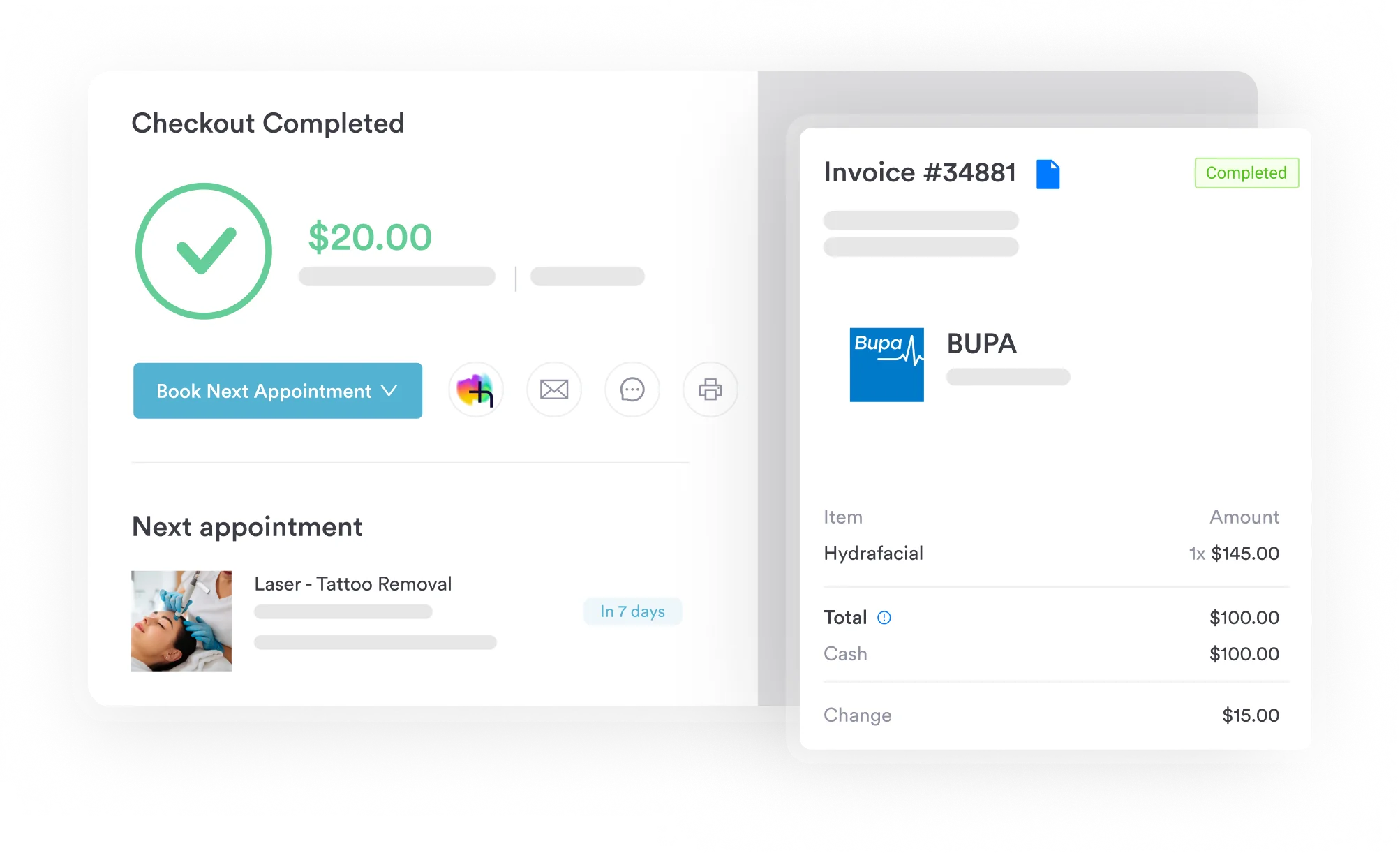
Most of the queries a pathology claim attracts never need to happen. Run through this before the claim goes out, not after a rejection lands:
Confirm the patient’s policy is active and that this type of investigation is covered before the sample is taken. A routine biochemistry test like this is usually lower query-risk than a surgical procedure, but an eligibility check still catches a lapsed policy before the practice absorbs the cost of a test that was never going to be paid.
CCSD errors on a code like 0223O are rarely about not knowing the system. They happen when the billing workflow breaks down. That might be a code entered from memory, or a test billed as if it were a procedure. Sometimes it’s simply a claim that goes out before an eligibility check.
Practices with the right practice-management tools tend to catch these before submission rather than after a rejection.
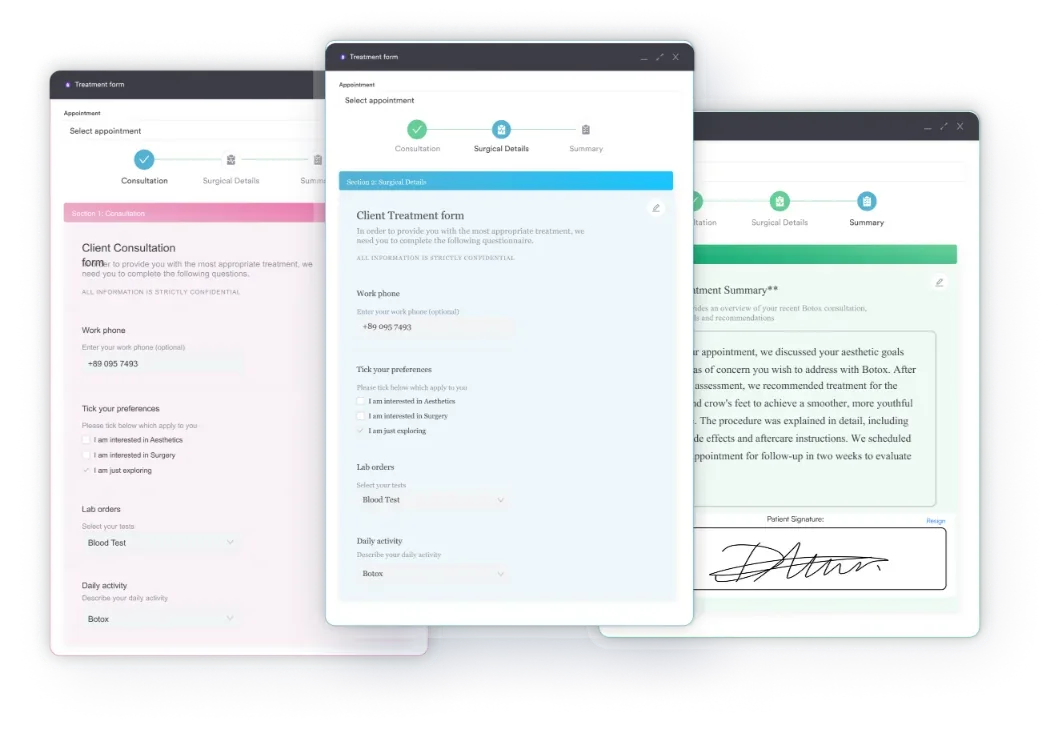
Capturing patient insurance details accurately at registration is one area where digital intake forms make a real difference.
When patients complete their details before arriving, the system captures the membership number, insurer name, and policy type. It then pulls those details into the invoice, so nobody has to re-key them from a form at the desk.
Managing CCSD billing manually, across a spreadsheet of private healthcare billing codes and a separate Healthcode login, adds up fast. It gets especially noticeable once a practice is running more than a handful of pathology claims a month.
Every manual re-entry is a chance for something to go wrong. That might be a mismatched provider number, or a code copied from the wrong year’s list. It might also be a paired glucose result that never gets billed alongside the insulin line it belongs with.
Practice management software like Pabau helps by keeping the clinical record and the billing record in one system. Pabau integrates natively with Healthcode. A practice can select CCSD code 0223O against the insulin result, then generate the invoice. Submitting the claim happens in the same place, without re-entering the patient’s details into a separate portal.
This is part of the core platform, not a paid add-on.
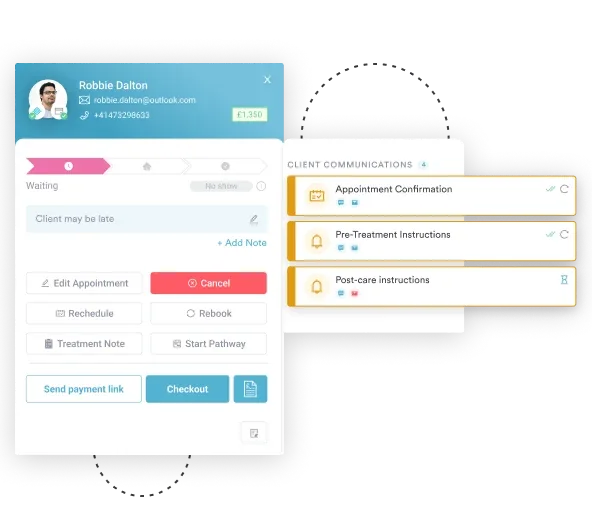

Pabau integrates with Healthcode so UK private practices can code, submit, and track CCSD claims from the same system used for the rest of the patient record. See how it works for your practice.

CCSD code 0223O is straightforward once the premise is right. It’s one of the UK private healthcare billing codes for an insulin level test, a pathology result. It isn’t a procedure with its own consent form and pre-authorisation.
Most of the problems that come up with it are administrative rather than clinical. Think a mismatched membership number, a code carried over from an old invoice, or a paired glucose result billed inconsistently alongside it.
Pabau gives UK private practices a single system for CCSD code billing and Healthcode submission. It also keeps the documentation an insurer might ask for later in one place. To see how it fits your practice’s pathology billing workflow, book a demo.

Need a walkthrough for a different CCSD pathology code? CCSD code 0048C guide covers billing and insurer recognition for a related biochemistry test billed via Healthcode.
Billing a commode chair claim? Commode chair billing guide covers the documentation, modifiers, and coverage criteria behind commode chair claim denials.
Billing a stationary commode chair? Detachable-arm commode chair guide covers the code for a mobile or stationary chair with detachable arms and how coverage is decided.
CCSD code 0223O is the UK private healthcare billing code for an insulin level test, a pathology blood test that measures how much insulin is circulating in a patient’s blood. It sits in the Biochemistry sub-chapter of the CCSD schedule’s Pathology chapter, and it’s used to invoice private insurers for the insulin result itself, not for a procedure or a course of treatment.
Bupa, AXA Health, Aviva, Vitality Health, and WPA all recognise CCSD codes for pathology billing, and other UK private insurers work from the same schedule. Each insurer sets its own fee and eligibility rules for individual codes, so confirm both directly with the insurer before billing.
There’s no fixed, universal fee for CCSD code 0223O. The CCSD schedule doesn’t set insurer reimbursement rates, so each insurer applies its own fee schedule, and a practice’s negotiated agreement can shape the figure further. Check the current fee against the relevant insurer’s provider portal, or the schedule you access as a registered CCSD provider, rather than relying on a figure from a previous year.
Create the invoice in your practice management or billing system with 0223O selected against the insulin result, then submit through Healthcode’s eBilling portal or an integrated system. Confirm the patient’s membership number and the insurer’s recognition status for your practice before submitting. Healthcode validates the claim format and forwards it to the insurer, with status updates as it moves through adjudication.
It’s a diagnostic biochemistry blood test, not a procedure. CCSD code 0223O sits in the schedule’s Pathology chapter rather than among the surgical or consultation codes, and the billing workflow follows a pathology claim’s usual pattern of request, sample, lab analysis, and result, rather than a treatment episode with its own clinical procedure note.
Yes. Pabau integrates natively with Healthcode, so UK private practices can code, submit, and track CCSD claims like 0223O from inside the same system used for the rest of the patient record, without re-entering data into a separate billing portal.