ICD-10 Code V28.01XD: E-bike driver noncollision accident, nontraffic, subsequent encounter
ICD-10 Code V28.01XD: Definition and billable status ICD-10 Code V28.01XD is the...

Last Updated: Oct 20, 2026
Billable Code Specific Code
S36.590S is the billable ICD-10-CM code for other injury of ascending [right] colon, sequela.
The 7th character S is what separates it from S36.590A and S36.590D, and it also changes the sequencing on the claim.
For practices that see injury follow-up visits, the code is only as strong as the note behind it. Practice management software like Pabau gives clinicians structured note templates and audit-ready records, so the documentation still supports the S character months later.
Let Pabau's smart automation suggest the right codes, reduce claim denials, and keep your practice compliant—effortlessly.
Automate repetitive tasks and focus on what matters most—your patients.
Reduce coding errors and ensure compliance with the latest regulations.
Clean claims, fewer denials, and faster reimbursements.
Powerful insights and reporting to help your practice thrive.
HIPAA compliant SOC 2 certified GDPR-compliant Trusted by 4,000+ clinics worldwide

S36.590S is the billable ICD-10-CM code for other injury of the ascending (right) colon, sequela.
It is valid for HIPAA-covered transactions from October 1, 2025 through September 30, 2026.
The 7th character S marks a sequela encounter, where the patient presents with a late effect of a prior colon injury.
Using S36.590A or S36.590D on a sequela encounter is a leading cause of denials in abdominal injury coding.
Practice management software like Pabau helps practices document sequela encounters consistently, so the code holds up at audit.
ICD-10 Code S36.590S is a valid, billable ICD-10-CM diagnosis code representing other injury of the ascending (right) colon, sequela. It is valid for HIPAA-covered transactions in fiscal year 2026. That covers dates of service from October 1, 2025 through September 30, 2026, per the CMS ICD-10-CM update.
The code sits in category S36 (Injury of intra-abdominal organs), subcategory S36.5 (Injury of colon), and then S36.59 (Other injury of colon). The other injury descriptor captures traumatic colon injuries that fall outside the blast injury, contusion, and laceration codes in the same subcategory.
The terminal 7th character S identifies a sequela encounter. The patient is presenting for a complication or late effect of the earlier trauma rather than for the trauma itself.
Coders working abdominal trauma cases meet the same 7th-character logic in adjacent codes such as S35.492S. S36.590S covers documented long-term sequelae of ascending colon trauma, including adhesions, stricture, fistula, and altered bowel function traced to the original injury.
Verify current POA exempt status and any payer-specific requirements against the CDC ICD-10-CM tool before submission. CMS updates the POA exempt list every year alongside the ICD-10-CM tabular revision.
The 7th character is the most consequential decision on any S36.590 encounter. It tells the payer whether this is the first clinical contact with the injury or a continuing treatment visit. The third option is a presentation for a complication of trauma that has already resolved.
A wrong character changes the clinical story the claim tells, and it can trigger medical-necessity edits.
A practical rule applies once clinical documentation confirms the original colon injury has healed or stabilized. Later encounters that address residual conditions such as stricture, adhesion, or altered bowel function shift to the S suffix.
The sequela condition itself is sequenced first, with S36.590S following as the cause code. This mirrors ICD-10-CM Official Coding Guidelines Section I.C.19, which governs injury sequencing across all trauma categories.
Other parts of the injury chapter use a wider set of 7th characters. Fracture codes such as S32.311G carry characters for healing status, while the S36 colon codes offer only A, D, and S.
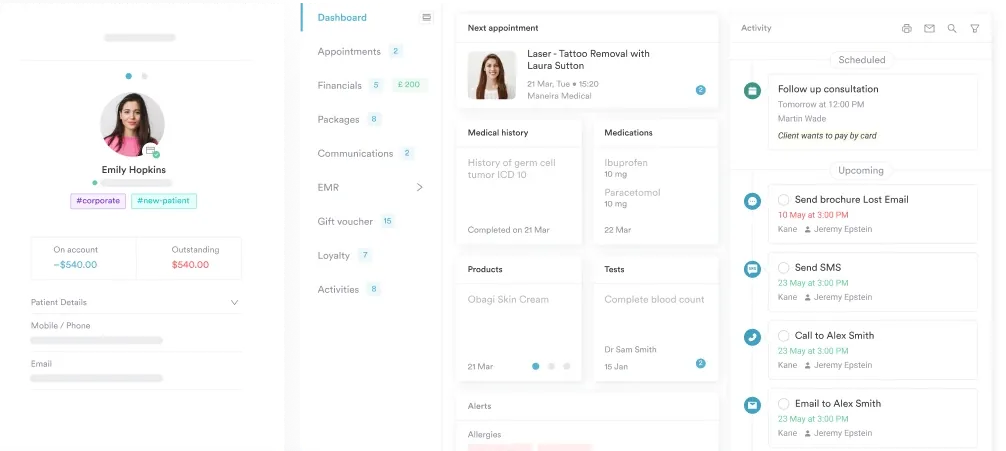
Practices that handle abdominal injury follow-up benefit from structured records. Pabau’s client record management keeps injury history, treatment milestones, and current findings in one view. A coder can then see whether the note describes the injury as healed.
Clinics tracking fracture and sprain recovery in Jane often start comparing Jane App alternatives as caseloads grow.
A sequela is a condition that results from a prior illness or injury after the original pathology has resolved. In ICD-10-CM, the 7th character S signals exactly that. The patient is being treated for what the colon trauma left behind, not for the trauma.
Sequela differs from a subsequent encounter in one critical way. A subsequent encounter (7th character D) means the original injury is still active and healing. A sequela encounter means the injury is in the past.
The coding sequence changes with it. For sequela encounters, the residual condition is listed first, and the injury code with the S suffix follows as the cause.
Key rules for coding sequela encounters, per ICD-10-CM Official Coding Guidelines:
Coders unfamiliar with sequela sequencing sometimes place the injury code first, which triggers edits. The AAPC code reference carries sequencing guidance alongside the code descriptions. The accuracy of the clinical note decides the rest.
The ascending colon is the first segment of the large intestine. It runs vertically along the right side of the abdomen, from the cecum at the ileocecal valve up to the hepatic flexure. There it becomes the transverse colon.
In adults, the ascending colon is largely retroperitoneal and lies against the posterior abdominal wall. Blunt or penetrating trauma can damage it without leaving an obvious surface wound.
Injuries coded to the S36.590 family are traumatic events with no more specific descriptor available. Deceleration and crush mechanisms are typical, along with procedural injury documented in the ascending colon segment. A documented primary blast injury has its own code, S36.510S.
Those late effects are often managed long after discharge.
Forms capturing prior trauma history, surgical records, and symptom timelines give coders what they need. That detail is what separates a sequela encounter from an active injury encounter in the chart.

Knowing where S36.590S sits in the classification clarifies its scope and the parent-category rules that apply. The full hierarchy runs from the broadest level to the most specific.
S36.590 without a 7th character is not billable. It is a structural placeholder that needs the A, D, or S extension before a claim will pass.
Post-trauma abdominal cases often move between specialties, from surgery through to rehabilitation and manual therapy. Practices running osteopathy practice software see the same patients for adhesion-related pain, so consistent coding across the episode matters.
Flag S36.590S as a sequela code in your documentation template and require a note review before the code is finalized. The coder should confirm that the clinical note calls the original colon injury resolved, healed, or historical. The note also has to show that the current visit addresses a late effect. Without that, payers may read the encounter as ongoing acute treatment and apply the initial or subsequent encounter rules instead.
ICD-10-CM approximate synonyms are clinically accepted alternate descriptions that map to the same code. For S36.590S, the following appear in classification indexes and in clinical documentation.
Phrases such as late effect of colon injury or sequela of ascending colon trauma point to S36.590S. So does post-traumatic bowel complication following right colon injury.
Documentation specificity matters here. A note describing complications of prior bowel surgery, with no colon segment and no injury type, does not support S36.590S. Query the treating clinician for the segment and the injury type before finalizing the code. Guidance on medical intake forms shows how to capture that detail up front.
S36.590S belongs to a structured family covering the encounter lifecycle and the anatomical extent of colon injuries. Knowing the siblings prevents miscoding when the injury location or the encounter type differs. For example, active treatment for other injury of the descending colon is reported with ICD-10 code S36.592A.
When documentation specifies a laceration, S36.530S is correct rather than S36.590S. A documented contusion goes to S36.520S, and a documented primary blast injury to S36.510S.
If the colon segment is not documented, S36.500S applies, and that should trigger a documentation query. Adjacent intra-abdominal codes such as S37.812A follow the same 7th-character pattern for other organs.
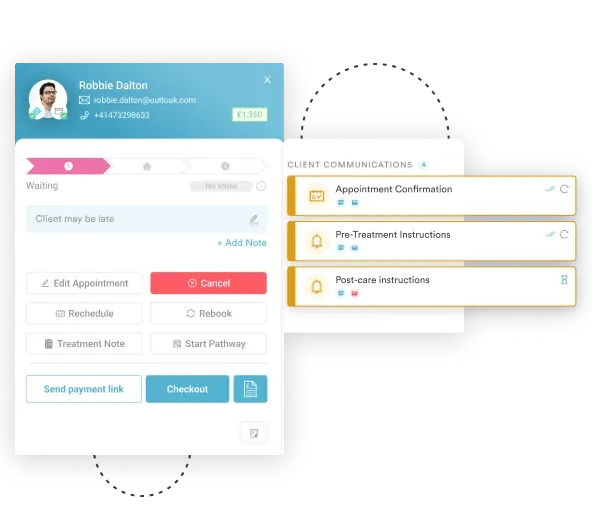
Practices with several injury types in their caseload benefit from coding workflows tied to structured note templates. Pabau’s automated documentation workflows prompt clinical teams to record injury location and severity every time. The coder is then not left working from a thin note.
The same 7th-character structure runs through the rest of the injury chapter.
For inpatient encounters, S36.590S may group to MS-DRGs under the abdominal and gastrointestinal injury categories. The assignment depends on whether a major complication or comorbidity is present, a lesser one, or neither at all.
Verify the grouping for the fiscal year in question against the current CMS IPPS Final Rule tables. Weights and mappings are updated annually.
For outpatient and physician claims, S36.590S supports medical necessity for the services rendered. Key billing considerations:
Follow-up on a healed colon injury often includes a diagnostic colonoscopy. Pairing that procedure with the correct sequela diagnosis is what makes the medical necessity legible to a reviewer. A retroactive authorization for that colonoscopy is rarely granted, so the check belongs before the appointment.
Choosing S36.590S is mostly a question of when, rather than what. The four comparisons below cover the selection errors that come up most often.
Use S36.590D while the original colon injury is still healing and the encounter involves active treatment. That includes wound care, monitoring of the injury, or a change of treatment aimed at the injury itself.
Switch to S36.590S once documentation states the injury has healed, resolved, or is in the past, and the visit addresses a lasting condition it caused. If the note is ambiguous, query the treating provider before coding.
S36.590S covers injuries documented as other injury, meaning they fall outside the blast injury, contusion, and laceration codes. A documented laceration of the ascending colon with sequela is S36.530S, and a documented contusion is S36.520S. A primary blast injury is S36.510S.
Other injury is the residual choice, used when no more specific descriptor is documented or applicable.
S36.500S applies when the injury type cannot be determined from the documentation. S36.590S needs an injury the provider has described, in terms that still do not meet a more specific descriptor. Code to the highest specificity the documentation supports, and reach for S36.500S only after a query comes back empty.
When the colon condition follows a surgical or procedural complication rather than external trauma, Chapter 19 may not be the right home. Postoperative complications are usually coded from Chapter 11 (K codes) or from the T80-T88 complication range, depending on the circumstances.
S36.590S covers sequelae of traumatic injury. Clarify the mechanism in the documentation before applying an S-series code to what may be a K-series complication.
In most practices, the evidence for a sequela code is scattered. The operative note sits in one system, the discharge summary in another, and the follow-up note in a third. A coder confirming that the colon injury resolved has to piece that trail together first. Front-desk data entry and back-office coding both feed cash collection, so errors compound downstream.
Pabau keeps that history on one client record instead. Structured note templates prompt the clinician to say whether the injury is healed, which residual condition is being treated, and when the original trauma happened. Photos, letters, and lab results attach to the same record.
The payoff is a note the coder can act on and a record that survives a chart audit. When a reviewer asks why the S character was used, the answer is already in the chart. Nobody spends an afternoon reconstructing a timeline from three systems.

Pabau keeps injury history, treatment dates, and follow-up notes on one client record. Coders can confirm a sequela before the code is assigned, and the documentation holds up at audit.

One character decides whether this claim describes an old injury or a current one. S36.590S is right when the patient presents with a late effect of ascending colon trauma that has already resolved.
In practice, the deciding factor is what the note says. If it never describes the injury as healed, and never ties today’s stricture or adhesion back to it, no 7th character will rescue the encounter. Query first, then code.
Build that check into the documentation workflow once and it stops being a judgment call every time. Book a demo to see how Pabau keeps injury history and follow-up notes audit-ready for your coders.

Need a reference for initial-encounter injury coding? S27.309A walks through the A character on a thoracic injury, the mirror image of a sequela encounter.
Coding anesthesia for a central line placement? Anesthesia code for shoulder and axilla procedures covers the modifier rules that most often trip up billing staff on this claim.
Billing anesthesia for upper arm tendon surgery? Anesthesia code for upper arm tendon surgery covers anesthesia for an open tenotomy performed from the elbow to the shoulder.
Coding anesthesia for a tendon repair? Anesthesia code for upper arm tenoplasty covers the base units, time documentation, and provider credentials this code requires.
ICD-10 Code S36.590S is a billable diagnosis code for other injury of the ascending (right) colon, sequela. It identifies an encounter where the patient is treated for a late effect of a prior ascending colon injury. The original injury has already resolved by then.
S36.590A is used for the initial encounter, when the patient first receives active treatment for the ascending colon injury. S36.590D applies to subsequent encounters during the healing or recovery phase of the same injury. S36.590S is used only after the injury has healed, when the patient presents with a late effect of that trauma.
Yes. S36.590S is a valid, billable ICD-10-CM diagnosis code for fiscal year 2026, covering dates of service from October 1, 2025 through September 30, 2026. The base code S36.590 has no 7th character, so it is not billable and cannot be submitted on a claim.
The 7th character S designates a sequela encounter. The patient is presenting for a condition that is the late effect of a prior injury, rather than for the active injury. In sequela coding, the residual condition is sequenced first as the principal diagnosis. The S-suffix injury code then follows as a secondary code identifying the cause.
Use a sequela code (7th character S) when documentation confirms the original injury has healed or resolved. The current encounter then has to be for a complication or lasting condition caused by that injury. Use a subsequent encounter code (7th character D) while the injury is still healing and the visit treats the injury itself.
S36.590S may map to MS-DRG groupings for abdominal and gastrointestinal injury encounters in inpatient settings. The specific DRG depends on whether major complications or comorbidities are present. Verify the assignment against the current CMS IPPS Final Rule tables, as DRG mappings are updated annually.