ICD-10 Code Y76.0: Diagnostic obstetric and gynecological devices
ICD-10 Code Y76.0: Definition and billable status ICD-10 Code Y76.0 is a valid, ...

Last Updated: Oct 23, 2026
Billable Code Specific Code
Q30.2 is the billable ICD-10-CM code for fissured, notched and cleft nose.
If the note in front of you describes a fissured, notched or cleft nose, Q30.2 is your code. It marks a congenital malformation of the external nose, present at birth, and it’s billable exactly as written, no fifth character, no laterality, valid through FY2026.
The catch isn’t the code itself, it’s what sits right next to it. Q30.9, the unspecified version, is one keystroke away, and reaching for it out of habit either draws a payer query or quietly turns a reconstructive nose repair into something that reads as cosmetic surgery.
Getting that wording right is what the rest of this comes down to, starting with exactly what Q30.2 covers and where it lives in this year’s tabular list.
Let Pabau's smart automation suggest the right codes, reduce claim denials, and keep your practice compliant—effortlessly.
Automate repetitive tasks and focus on what matters most—your patients.
Reduce coding errors and ensure compliance with the latest regulations.
Clean claims, fewer denials, and faster reimbursements.
Powerful insights and reporting to help your practice thrive.
HIPAA compliant SOC 2 certified GDPR-compliant Trusted by 4,000+ clinics worldwide

ICD-10 code Q30.2 is the billable diagnosis code for fissured, notched and cleft nose, a congenital malformation of the external nose.
Q30.2 is valid for FY2026, which runs October 1, 2025 through September 30, 2026, and it applies to every age group.
Congenital notch of nose is the Alphabetic Index term that leads to Q30.2, so code from the wording the physician used.
The FY2026 tabular list renumbered the congenital chapter to Q00-QA0 and renamed it, so refresh any saved code lookup.
Pabau captures onset, prior repairs and functional symptoms at intake, so the coder has the detail Q30.2 needs.
ICD-10 code Q30.2 is the billable ICD-10-CM diagnosis code for a fissured, notched or cleft nose. The condition is a structural congenital malformation of the external nose, and the code stays valid through FY2026.
The wording of the note decides which code you use. Q30.9 sits one keystroke away, and it is the wrong choice whenever the physician named the deformity. Start with what the record says, then work down the classification.
The CDC/NCHS ICD-10-CM web tool confirms Q30.2 for fiscal year 2026, which runs October 1, 2025 through September 30, 2026. Because the code is billable at four characters, it can go on a claim as it stands.
Fissured, notched and cleft describe three points on the same spectrum, and the note usually picks one of them.
All three begin in early development, when the nasal prominences fail to fuse. They are present at birth, which is what places them in the congenital chapter. Where the deformity runs into the wider skull and face, Q75.8 may fit better than a nasal code.
The ICD-10-CM Alphabetic Index sends one term directly to Q30.2, and that term is congenital notch of nose. Follow the index entry, confirm the code in the tabular list, and the assignment holds.
Q30.2 carries no official Applicable To note in the tabular list, so there is no approved list of wordings to check a note against. The index is the route in, and the tabular entry is the confirmation.
This is where “congenital deformity of nose” catches people out. Documented on its own, with no fissure, notch or cleft named, that phrase indexes to Q30.9. Q30.2 needs the shape of the deformity in writing.
A patient management system keeps a child’s congenital diagnosis connected to every appointment that follows it.
Approximate synonyms are the alternative wordings attached to a code in coding software and lookup tools. Q30.2 carries four of them.
Bifid nose deserves a word here, because clinicians write it often and it sits outside that list. The term describes a nose divided into two lobes, which is the shape Q30.2 covers. Query the physician when the note leaves the congenital origin unstated.
Confirming the chapter and block first saves rework later, and FY2026 is a year to do it. The congenital chapter was renumbered and renamed, so the range you memorized may no longer match your encoder.
Every code in the chapter moved with the renumbering, from Q30.2 to Q78.8. Pull the current file from the CMS ICD-10 codes page before you audit any Q code. That matters most for a record straddling the October 1 changeover.
Q30 holds six codes. Telling them apart is a documentation exercise rather than a clinical call, so read the note before you pick. The table below covers the whole category.
So if the record says congenital notch of nose, Q30.9 is off the table. The unspecified code exists for the notes that stop at “congenital nasal malformation” and say nothing more.
Q30.2 carries no excludes note of its own. It inherits one from its parent category, Q30, and that note is short.
Check the note against the current fiscal year file rather than a saved PDF. The AAPC Codify ICD-10-CM lookup and the official CMS release both show the wording in force today.
The FY2026 tabular list renumbered the congenital chapter to Q00-QA0 and gave it a longer title that now includes genetic disorders. If your encoder or your desk reference still shows Q00-Q99, it is running on an older file. Download the current CMS release before you audit any Q code.
Assignment follows the record, not the coder’s read of the case. The ICD-10-CM Official Guidelines for Coding and Reporting are maintained jointly by the National Center for Health Statistics and CMS. They require every diagnosis code to rest on physician documentation.
If the physician wrote fissured nose, notched nose, cleft nose, or one of the four synonyms above, Q30.2 is the code. Reaching for the unspecified code while the specificity sits on the page invites a payer query, and it can understate the severity of the case.
A congenital anomaly is present at birth, but nobody has to treat it then. A 45-year-old booked for rhinoplasty to correct a lifelong cleft nasal tip still carries Q30.2. What matters is the congenital origin, not the age on the encounter.
A clean Q30.2 claim rests on three details in the note. Name the type of deformity, confirm it has been there since birth, and describe any functional effect such as nasal obstruction.
Practice management software like Pabau also keeps the note and the claim in one record, which shortens the trip from documentation to submission.
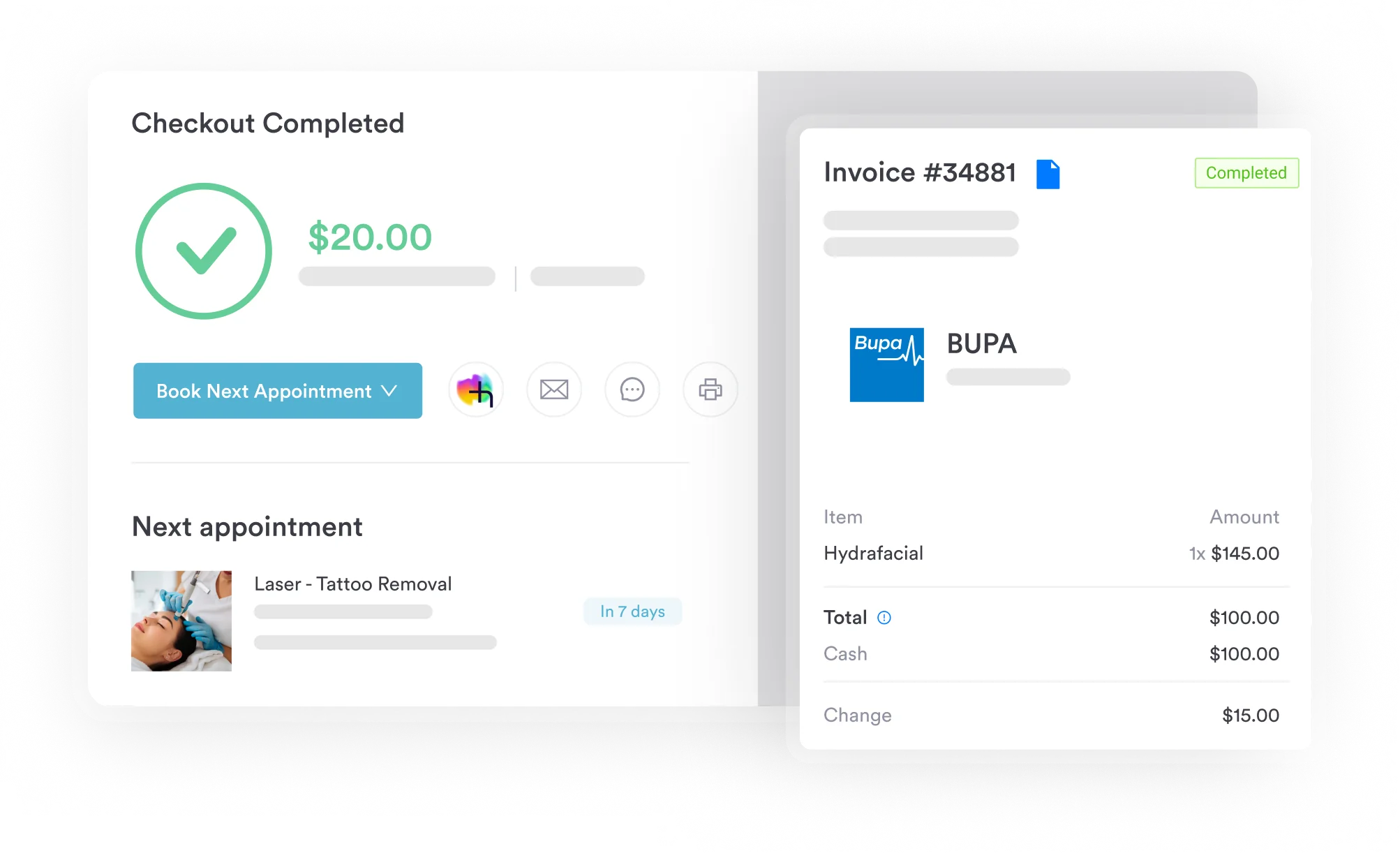
That answer reaches the chart before the consultation starts, rather than being chased after a denial.
One more housekeeping point. Some records travel outside the treatment and payment path, to an attorney or an employer for instance. Those disclosures need a signed HIPAA waiver form in the chart.
Surgery to correct a fissured, notched or cleft nose is usually reconstructive, and the diagnosis code is what tells the payer so. Q30.2 goes on the claim as the primary diagnosis. Without it, the operation reads as elective cosmetic work and gets denied.
The diagnosis supports the procedure without choosing it. Rhinoplasty codes such as 30410, 30420, 30430, 30435 and 30450 come from the operative note. Where the deformity follows a congenital cleft lip or palate, CPT 30460 and 30462 exist for that specific repair.
Two neighboring claims usually travel with the surgery. Complex repair of the nose is coded from the 13151 family.
Consent for a reconstructive nose case has to separate the functional repair from anything elective. Practices running these cases weekly tend to handle consent.
A few codes sit close enough to Q30.2 to cause trouble. The table sorts out which ones pair with it and which ones replace it.
Palate malformations have their own subcategory, and Q38.5 is where coders land when the palate is involved but the cleft codes do not fit. Nothing bars a nasal code and a palate code on the same claim when the record documents both.
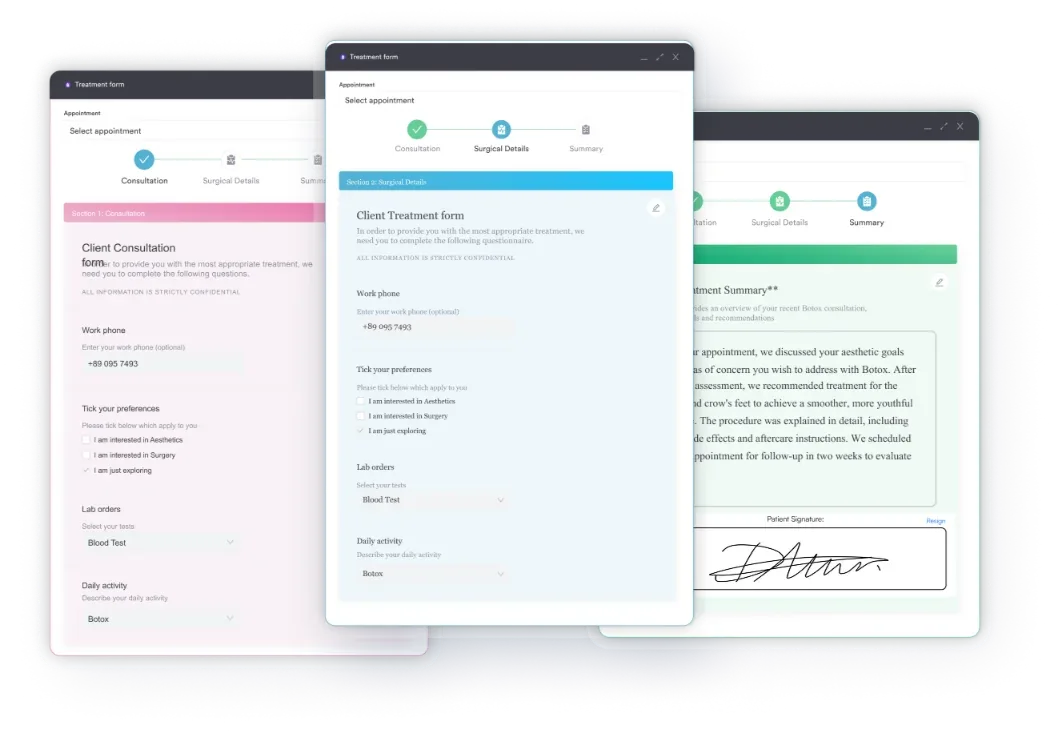
When a patient books a rhinoplasty consultation, the choice between Q30.2 and Q30.9 is settled long before the claim goes out. The intake form and the clinical note settle it. Most practices split those two across a paper questionnaire and a separate chart, then hope the coder finds both.
Pabau’s practice management software keeps pre-consultation intake, charting and claim submission in one workflow. You can add a congenital history question to the intake form, so onset and any earlier repair arrive in the chart before the consultation begins. The coder then reads one record instead of three.
Pabau’s claims tools handle the submission side. They validate the fields an insurer requires and track each claim’s status. The accuracy of the diagnosis code itself comes from the note and the intake answers. Teams weighing up aesthetic clinic software or a plastic surgery EMR should test that whole chain, from intake question to claim status. Electronic remittance files post payments automatically, and the adjustment codes explain what was reduced and why. A code lookup that lives beside the desk gets used; one buried in a shared drive does not.

Pabau brings intake, clinical notes and claim tracking into one place. The detail behind a congenital diagnosis is recorded at the source, and your billers submit with the insurer fields already validated.

Q30.2 asks for one thing, which is a note that names the shape of the deformity. Get that wording right and the rest of the assignment is mechanical, from the index entry down to the Excludes1 check.
The trade-off worth remembering is timing. Asking for the onset date at intake costs one question. Chasing it after a denial costs an appeal, plus the weeks the appeal sits in a queue.
So refresh your Q-chapter reference for FY2026, then check that your intake form asks when the deformity was first noticed. Book a demo to see how Pabau captures that detail at intake and tracks the claim it supports.

Billing a reconstructive breast case next? 19357 covers the tissue expander claim and the documentation payers ask to see.
Need the procedure side of nasal septum work? E0330 sets out how a septum biopsy is coded and submitted.
Working through another congenital malformation code? Q25.8 shows the same specificity rules at work in the circulatory chapter.
Revising an earlier reconstruction? 19380 explains when a revision is billable and how to word the operative note.
Excising a malignant lesion with margins? 11624 breaks down lesion size, margins and the repair you can bill alongside it.
No. Q30.2 is complete at four characters, so nothing is added for laterality, encounter type or severity. Report it exactly as written. A claim edit asking for more digits usually points at a different code.
Use M95.0, acquired deformity of nose, when the record ties the deformity to injury, surgery or disease. Q30.2 belongs to the congenital chapter, so the note has to place the deformity at birth.
No ICD-10-CM code represents a repaired Q30.2 nose as personal history. Keep reporting Q30.2 while the anomaly still affects care. Once it stops affecting care, code the documented reason for that visit instead.
Yes, when the record documents both. Nothing in the Q30 tabular entry bars the combination, and the cleft codes cover the lip and palate rather than the external nose.
It does. Under MS-DRG v43.0 it groups to 154 and 155, the other ear, nose, mouth and throat diagnoses. Documented complications and comorbidities decide which of the two a stay lands in.