ICD-10 Code S42.444P: Medial epicondyle fracture, right humerus
ICD-10 Code S42.444P: full descriptor and code validity ICD-10 Code S42.444P car...

Last Updated: Oct 13, 2026
Billable Code Specific Code
Q38.5 is the billable ICD-10-CM code for congenital malformations of palate, not elsewhere classified.
Coders sometimes default to Q38.5 for cleft hard palate or cleft soft palate cases, but both belong under Q35 instead. Q35.- is an Excludes1 note for Q38.5, so the two codes can never be reported together for the same diagnosis.
Let Pabau's smart automation suggest the right codes, reduce claim denials, and keep your practice compliant—effortlessly.
Automate repetitive tasks and focus on what matters most—your patients.
Reduce coding errors and ensure compliance with the latest regulations.
Clean claims, fewer denials, and faster reimbursements.
Powerful insights and reporting to help your practice thrive.
HIPAA compliant SOC 2 certified GDPR-compliant Trusted by 4,000+ clinics worldwide

ICD-10 Code Q38.5 covers congenital malformations of the palate not classified elsewhere: absence of uvula, atresia of palate, congenital fistula of palate (hard or soft), and congenital high arched palate.
Q38.5 is a billable ICD-10-CM code valid for HIPAA-covered transactions from October 1, 2025 through September 30, 2026 (fiscal year 2026 edition).
Cleft hard palate and cleft soft palate are NOT coded under Q38.5 – they map to Q35.1 and Q35.3. Q38.5 carries an Excludes1 note for both Q35.- (cleft palate) and Q37.- (cleft palate with cleft lip): neither combination can ever be reported alongside Q38.5.
Practice management software like Pabau supports ICD-10-CM code lookup and claim submission workflows, reducing coding errors on congenital condition claims.
According to the CDC/NCHS ICD-10-CM tool, the 2026 edition of Q38.5 became effective October 1, 2025 and remains valid through September 30, 2026. This article covers the code’s full scope: included conditions, exclusion rules, sibling codes, and billing guidance for craniofacial and pediatric practices.
The “not elsewhere classified” qualifier is doing real work in this code. Q38.5 captures a specific cluster of congenital palate malformations that sit outside the dedicated Q35 and Q37 categories. Coders working in plastic surgery EMR systems encounter these conditions most often during pre-operative coding and surgical case documentation.
Palate malformations often involve care beyond surgery.
Each of these conditions must be documented as congenital in the clinical record. Acquired palate defects (post-surgical, post-traumatic, or disease-related) do not map here. Cleft hard palate and cleft soft palate are excluded from Q38.5 entirely – they’re coded to Q35.1 and Q35.3, covered in detail below.
Excludes1 means mutual exclusivity. When a condition covered by the Excludes1 note is present, Q38.5 cannot be assigned at the same time. The Excludes1 code is the correct choice instead.
Q38.5 carries two Excludes1 notes.
Cleft hard palate and cleft soft palate are the conditions most often miscoded to Q38.5 in craniofacial units, when they actually belong under Q35.1 and Q35.3.
When a palate cleft occurs alongside a cleft lip, a Q37.- code applies instead, such as Q37.1 for cleft hard palate with a unilateral cleft lip. Submitting Q38.5 when Q35.- or Q37.- applies will often trigger a claim edit, because payers have logic built to flag the conflict.
Perinatal and congenital diagnoses need coordinated long-term care, which patient management software keeps organized across providers.
Cleft hard palate and cleft soft palate are two of the most common palate malformations, but neither is coded under Q38.5. Both fall under the Q35 (cleft palate) category, with the exact code depending on which part of the palate is affected and whether a cleft lip is also present.
Surgical notes that describe a “cleft palate repair” without specifying hard vs soft palate, and without addressing lip involvement, need clinical clarification before coding. None of these presentations default to Q38.5. That code is reserved for the separate cluster of malformations covered above: absence of uvula, atresia of palate, congenital fistula of palate, and congenital high arched palate. Billing compliance programs work when someone reviews a sample regularly, rather than after a payer letter arrives.
Before assigning Q38.5, check the operative note for any mention of a cleft palate or cleft lip. If the note describes a cleft palate — hard, soft, or both — Q35.- applies, and if a cleft lip is also present, Q37.- applies instead. Q38.5 is reserved for palate malformations outside the cleft-palate spectrum: absence of uvula, atresia of palate, congenital fistula of palate, and congenital high arched palate. Build this into your pre-claim documentation checklist for craniofacial cases.
Q38.5 sits under parent category Q38: Other congenital malformations of tongue, mouth, and pharynx. Understanding this hierarchy helps when navigating the broader ICD-10-CM structure.
Category Q38 itself falls within the Q38-Q45 range covering other congenital malformations of the digestive system, nested inside the broader Q00-QA0 chapter.
The sibling codes within Q38 round out the full scope of tongue, mouth, and pharynx malformations that do not have a dedicated category elsewhere.
Clinical documentation does not always use ICD-10 language. These approximate synonyms, as referenced in the AAPC ICD-10-CM code lookup, are accepted descriptors that map to Q38.5. Matching documentation language to these terms supports correct code assignment.
When the record uses a term not on this list, query the provider before assigning Q38.5. A descriptor like “palate deformity” without a congenital qualifier does not automatically map here. Note that “cleft hard palate” and “cleft soft palate” are NOT synonyms for Q38.5. They map to Q35.1 and Q35.3 instead.
Q38.5 has been a stable, non-revised code across multiple fiscal years. Tracking annual code updates matters when reviewing legacy records or validating prior-year claims. A medical coding cheat sheet gives billers a fast code lookup across CPT, ICD-10-CM, and HCPCS ranges.
The CMS ICD-10 codes page publishes the full annual update files, including any additions, deletions, or description revisions.
Q38.5 is valid for submission on HIPAA-covered claims wherever congenital palate malformations are documented. For practices using a practice management platform with integrated billing. Key billing considerations include the following.

Pabau’s claims management tools support ICD-10-CM code lookup, claim submission workflows, and documentation tracking for pediatric and craniofacial practices. See how practices reduce coding errors and speed up reimbursement.

Practices coding congenital palate conditions regularly deal with a specific documentation challenge: ensuring the operative note, referral letter, and claim all use aligned language so the code selection is defensible.
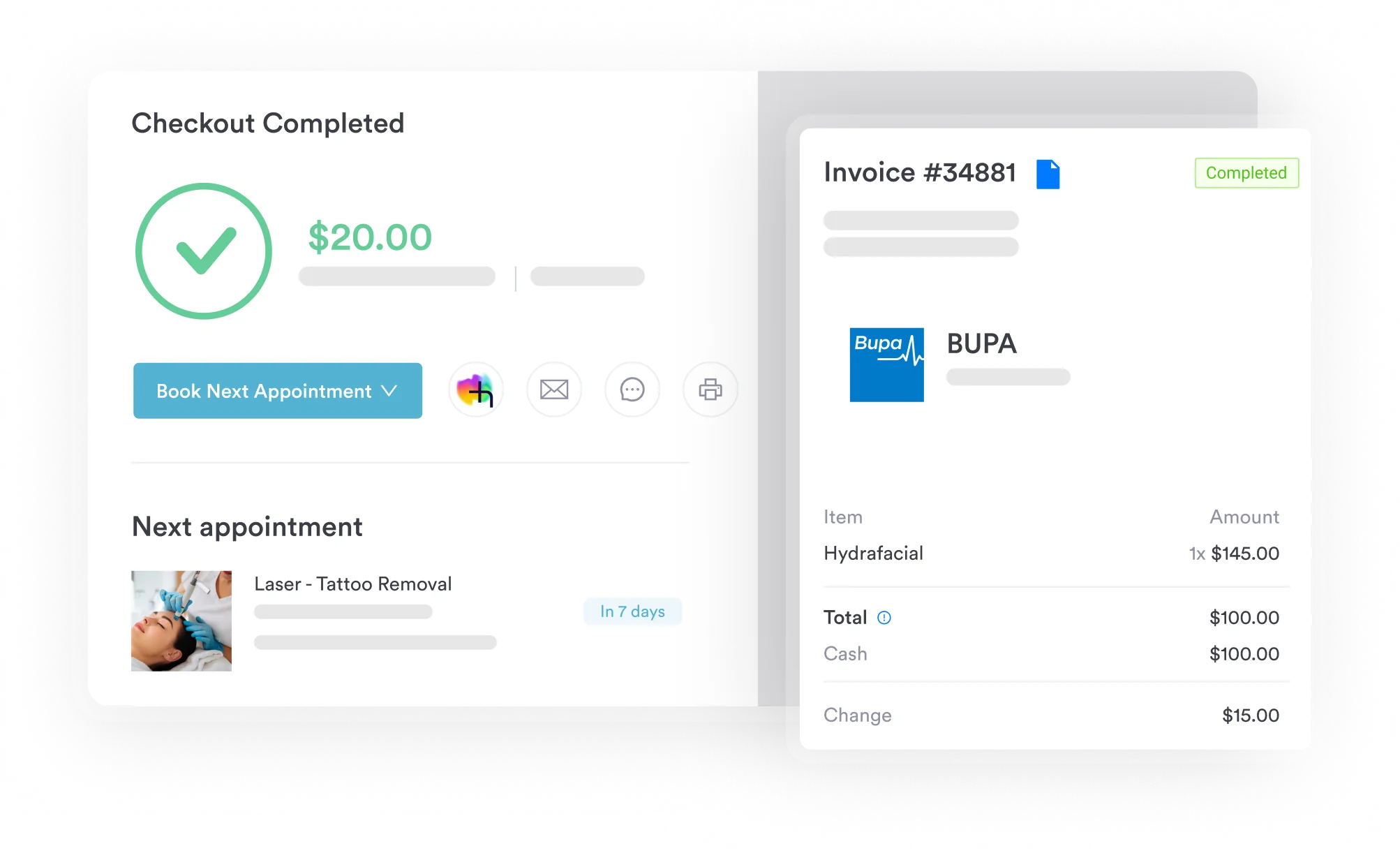
Pabau’s platform supports integrated claims workflows for practices managing congenital and surgical coding.
For practices also managing healthcare practice documentation across multiple encounter types, having the diagnosis code validated within the workflow reduces rework on submissions.
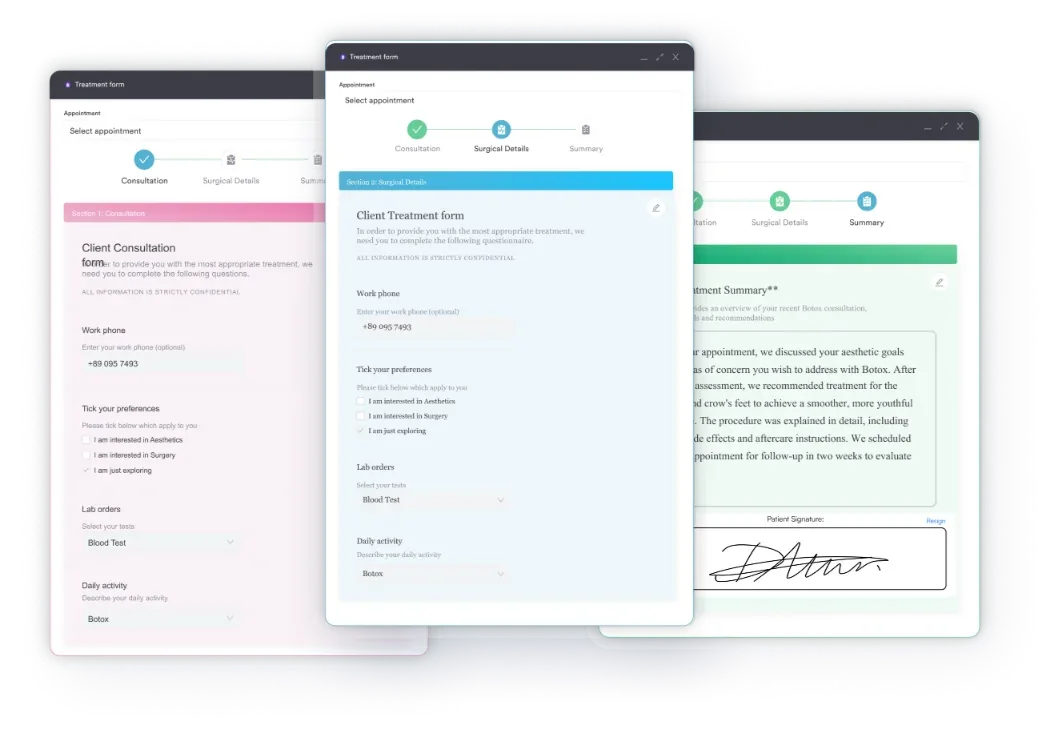
Run a quarterly audit of Q38.5 claims against Q35.- and Q37.- claims in the same practice. If Q38.5 shows up disproportionately often, review operative note templates. Unclear operative note language may be causing coders to default to Q38.5 when the clinical picture actually describes a cleft palate (Q35.-) or a cleft palate with cleft lip (Q37.-).
ICD-10 Code Q38.5 covers a defined, narrow cluster of congenital palate malformations that fall outside the Q35 and Q37 cleft-palate categories: absence of uvula, atresia of palate, congenital fistula of palate, and congenital high arched palate.
Getting it right comes down to two checks. First, is the palate cleft? If yes, Q35.- or Q37.- applies, never Q38.5. Second, is the condition congenital rather than acquired? If acquired, Q38.5 does not apply either.
Practices handling surgical and pediatric coding for palate conditions benefit from workflows that validate ICD-10 code selection at the point of claim creation. To see how Pabau supports coding accuracy and claim submission for congenital condition practices, book a demo.

Billing a related metabolic screening test? Hexanoylcarnitine test billing guide covers what the test measures and how to submit the claim through Healthcode.
Not sure a billing code applies in the UK? CCSD code 0472U guide shows why this US-only code triggers a guaranteed claim rejection.
Coding another specialist diagnostic test? YMDD mutation test billing guide explains which UK insurers recognize this hepatitis B genetic test.
ICD-10 Code Q38.5 is a billable ICD-10-CM diagnosis code for congenital malformations of the palate that are not classified elsewhere. It covers absence of uvula, atresia of palate, congenital fistula of palate (hard or soft), and congenital high arched palate. Cleft hard palate and cleft soft palate are NOT included here – they are coded under Q35.1 and Q35.3.
Yes, Q38.5 is a billable, specific ICD-10-CM code valid for HIPAA-covered transactions. It became effective October 1, 2025 and is valid through September 30, 2026 under the fiscal year 2026 edition.
No. Q37.- is an Excludes1 code for Q38.5, meaning the two are mutually exclusive. When a palate cleft co-occurs with a cleft lip, Q37.- is the correct code. Submitting Q38.5 alongside Q37.- on the same claim will trigger a coding conflict.
Q35.- covers cleft palate, including cleft hard palate (Q35.1) and cleft soft palate (Q35.3), while Q38.5 covers a separate cluster of congenital palate malformations not elsewhere classified: absence of uvula, atresia of palate, congenital fistula of palate, and congenital high arched palate. Q35.- is an Excludes1 note for Q38.5, meaning the two are mutually exclusive and can never be coded together for the same diagnosis.
Yes, congenital high arched palate is a named inclusion under ICD-10 Code Q38.5. The condition must be documented as congenital – an acquired high arched palate (from orthodontic or surgical history) does not map to this code.