



CCSD code G5100: Bypass of duodenum billing guide
CCSD code G5100 bills a bypass that leaves the duodenum in place CCSD code G5100...

Last Updated: Oct 16, 2026

CCSD code 0468C is the UK private healthcare billing code for a hexanoylcarnitine (C6) level blood test, a pathology and biochemistry investigation.
It is a laboratory test, not a surgical procedure. The lab measures hexanoylcarnitine, a medium-chain acylcarnitine, usually by tandem mass spectrometry on a blood sample.
Doctors mainly order it to help investigate fatty acid oxidation disorders, especially MCADD, where hexanoylcarnitine rises alongside related acylcarnitines such as C8 and C10.
Claims using 0468C go to insurers through Healthcode. Bupa, AXA Health, Aviva, Cigna, WPA, and Vitality all recognise it, though pre-authorisation and fees vary by insurer.
CCSD code 0468C covers a hexanoylcarnitine level blood test. It is a pathology and biochemistry investigation used in UK private healthcare, and you bill it to insurers through Healthcode.
That single fact shapes everything that follows. A blood test and a surgical procedure move through billing in different ways, so a mislabelled code is often enough to stall payment. Once you know what the lab is really measuring, the rest of the process gets much easier.
CCSD code 0468C sits within the Consultant Clinical Service Database, the coding system that governs private medical billing across the UK. Each code names one clinical service. That way, consultants and hospitals can bill insurers in a consistent, comparable way.
In this case, the service is a hexanoylcarnitine level test. Hexanoylcarnitine is a medium-chain acylcarnitine, which is simply a fat-processing molecule found in the blood. The lab measures how much of it is present, and that result feeds into a wider metabolic assessment.
Because it is a laboratory investigation, 0468C belongs with pathology and biochemistry testing, not with theatre procedures. Keep that distinction front of mind. It changes your documentation, your fee expectations, and the way you word the claim.
Hexanoylcarnitine, usually written as C6, is one of several acylcarnitines that appear when the body struggles to burn medium-chain fats. On its own, a single raised value means little. Read alongside its neighbours, though, it starts to tell a clear story.
The most common reason to order it is to help spot MCADD, or medium-chain acyl-CoA dehydrogenase deficiency. In MCADD, C6 rises together with C8 (octanoylcarnitine) and C10 (decanoylcarnitine). C8 usually sits highest of the three, and that pattern, rather than any single number, is what clinicians act on. An appeal filed after the timely filing window is denied on timeliness alone, whatever the coding showed.
Labs measure these levels by tandem mass spectrometry, a technique that sorts molecules by weight. Often the sample is a dried blood spot, the same heel-prick card used in the newborn screening programme in England. For older patients, a plasma sample works just as well.
Say a newborn screen flags a raised C8. The lab then reports C6, C8, and C10 together, and a metabolic team confirms the result with repeat testing and, where needed, genetic analysis. Code 0468C simply captures the hexanoylcarnitine part of that panel for billing.
n UK private practice, the CCSD code is the identifier on the claim, and Healthcode is the clearing house that carries it to the insurer. Here is how a 0468C claim travels, step by step.
Most of this is repetitive, which is exactly why busy practices automate steps three to five. Automation cuts rekeying and, just as importantly, helps you beat the insurer’s submission window. That window is often around 90 days from the date of service, though it does vary by insurer.
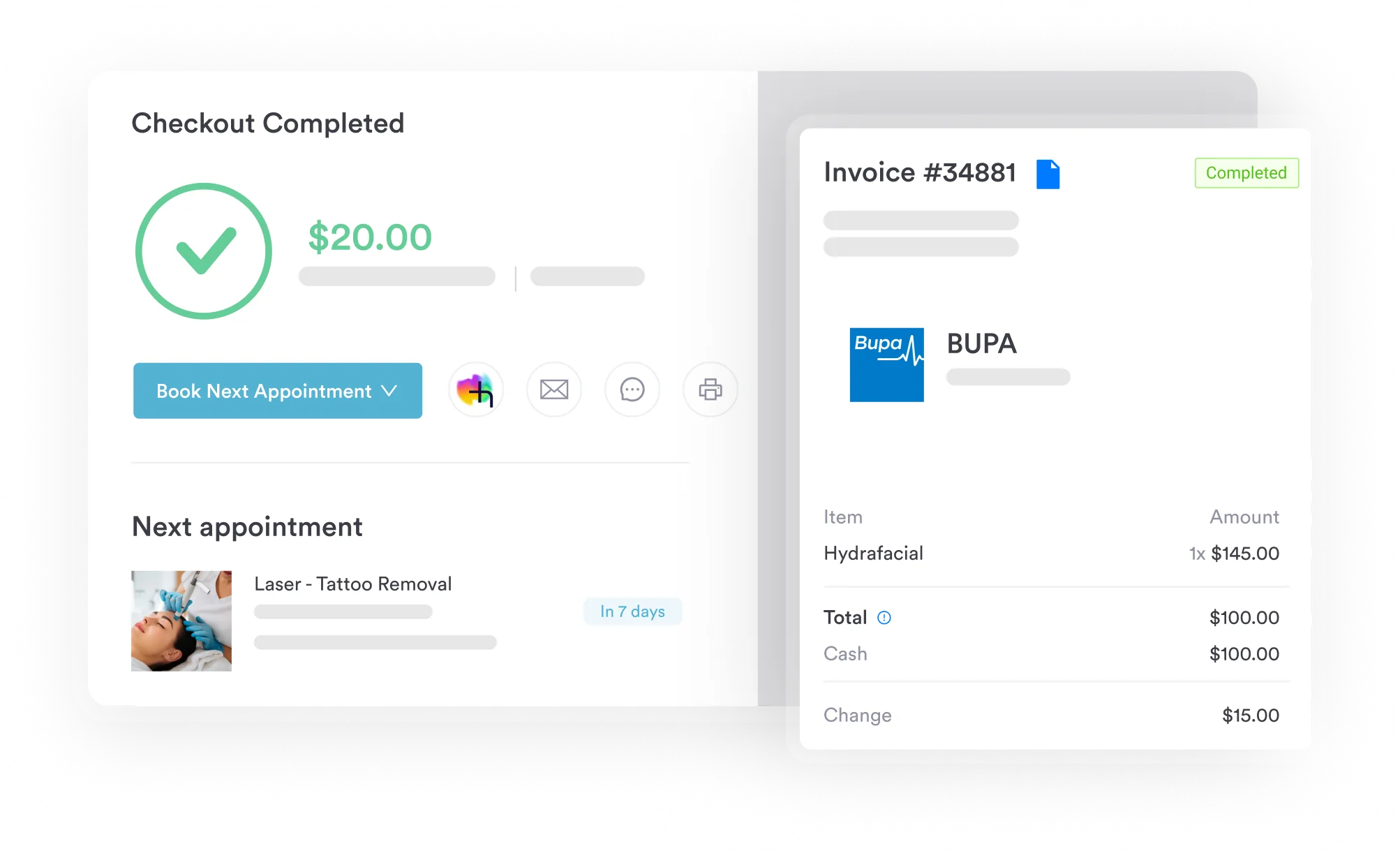
CCSD coding stays consistent when your private practice management routine keeps procedures, invoices, and insurer rules in one place.
The good news is that CCSD is the shared language of UK private medical insurance. Every major insurer works from the same schedule, so 0468C is a recognised code right across the market. Recognition and payment are not the same thing, however, so each insurer still applies its own rules.
Before you rely on any single insurer’s stance, check its current provider guide, because pathology cover and pre-auth rules do shift from year to year. For Bupa specifically, our guide to Bupa CCSD procedure codes explains how Bupa recognises codes and what documentation it expects.
It helps to run one final check before anything leaves your system. Work down this short list, and most avoidable rejections simply never happen.
Keep a dated copy of each insurer’s provider guide in your records. Pathology cover, pre-auth rules, and fees can change between schedule years, and a dated copy settles any dispute about which version applied at the date of service.
Even careful teams slip up in predictable ways. These are the errors we see most often on pathology claims like this one.
The CCSD schedule lists a guide fee for each code, but that figure is a starting point, not a promise. Each insurer sets its own rate, so the amount Bupa pays for 0468C can differ from what Aviva pays. Always price from the current schedule and the insurer’s own fee list.
Here is one practical habit worth keeping. Do not quote a patient an exact contribution until you have confirmed the live fee, because a guess is how billing disputes usually start. For more detail.
Manual billing is where the small errors creep in. When codes, fees, and insurer rules all live in spreadsheets, claims get miskeyed and deadlines slip. That is the gap Pabau is built to close.
Pabau is practice management software built for UK private clinics. It records tests like 0468C against the patient’s chart and connects straight to Healthcode for submission. Each insurer’s rules live in one place too, so the right details go out with every claim.
In practice, clinics tend to see faster turnaround and fewer rejections. You can explore the claims management software in more detail if you want the full picture.
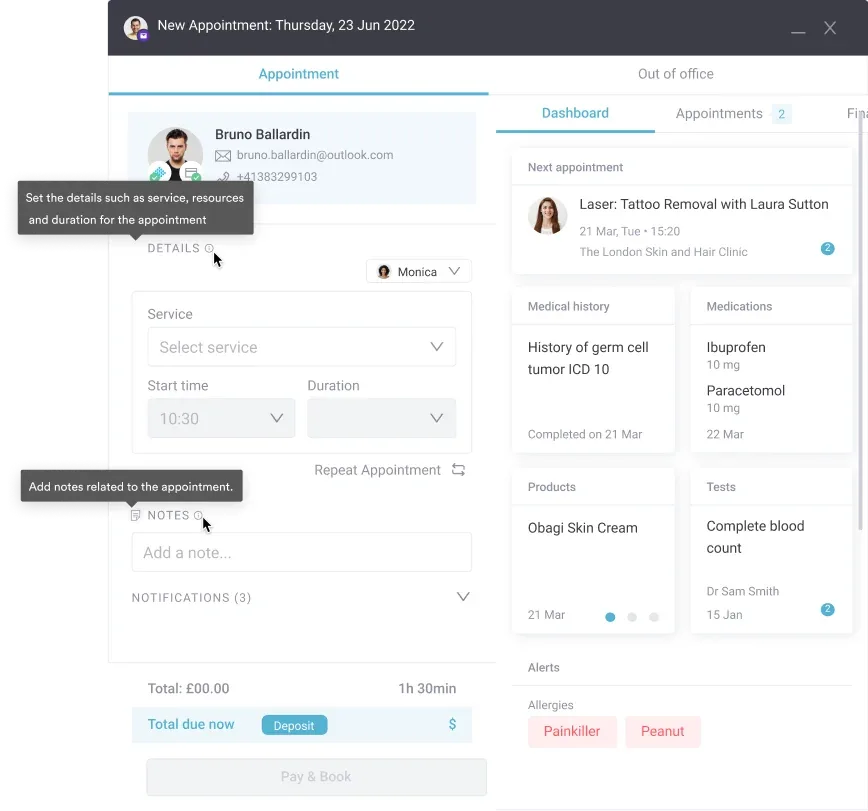

Pabau lets UK private clinics record tests, apply each insurer’s rules, and submit CCSD claims through Healthcode from a single platform. Book a demo to see it run on your own workflow.


Billing a pressure-relief device instead? heel elevator billing guide covers the air pressure elevator for heel, a device with no LCD or set fee schedule.
Need a full private healthcare billing fee reference? Bupa procedure codes fee schedule walks through how Bupa structures its fee bands and what clinics can expect when billing CCSD-coded procedures.
Billing an item needing prior authorization? pressure-reducing overlay billing guide covers the pressure-reducing overlay that Medicare requires prior authorization for before delivery.
CCSD code 0468C is the UK private healthcare billing code for a hexanoylcarnitine (C6) level blood test. It is a pathology and biochemistry investigation, not a surgical procedure. Clinics submit it to insurers through Healthcode. Always confirm the current description at ccsd.org.uk before billing.
The test measures hexanoylcarnitine, a medium-chain acylcarnitine found in the blood. Doctors use it to check how well the body breaks down fats. It mainly helps investigate fatty acid oxidation disorders, especially MCADD, where hexanoylcarnitine rises alongside related acylcarnitines such as C8 and C10.
Major UK insurers, including Bupa, AXA Health, Aviva, Cigna, WPA, and Vitality, all work from the CCSD schedule, so they recognise 0468C. Recognition does not guarantee payment, though. Each insurer may require pre-authorisation, set its own fee, or ask for supporting notes, so check the current provider guide first.
CCSD codes are used only in UK private healthcare, under the Consultant Clinical Service Database. CPT codes are a US system run by the American Medical Association. CCSD codes use a four-digit base plus a letter, such as 0468C. CPT codes are five digits, for example 82017 for acylcarnitine testing. The two systems are separate and do not directly cross over.



