

HCPCS code E0198: Water pressure pad billing guide
HCPCS code E0198 is a water pad for a standard mattress HCPCS code E0198 is the ...

Last Updated: Oct 13, 2026
Billable Code Specific Code
P51.9 is the billable ICD-10-CM code for umbilical hemorrhage of newborn, unspecified.
The 2026 edition of P51.9 became effective October 1, 2025, under the CMS update cycle.
Let Pabau's smart automation suggest the right codes, reduce claim denials, and keep your practice compliant—effortlessly.
Automate repetitive tasks and focus on what matters most—your patients.
Reduce coding errors and ensure compliance with the latest regulations.
Clean claims, fewer denials, and faster reimbursements.
Powerful insights and reporting to help your practice thrive.
HIPAA compliant SOC 2 certified GDPR-compliant Trusted by 4,000+ clinics worldwide

ICD-10 Code P51.9 is a billable ICD-10-CM diagnosis code for umbilical hemorrhage of newborn, unspecified, valid for the 2026 code year.
P51.9 carries two Excludes1 notes: Omphalitis with mild hemorrhage (P38.1) and umbilical hemorrhage from cut end of co-twin’s cord (P50.5) – neither condition can be coded together with P51.9 on the same claim.
P51.9 sits under the P51 category alongside sibling codes P51.0 (massive umbilical hemorrhage) and P51.8 (other umbilical hemorrhages) – choose the most specific code available.
Pabau’s claims management software supports accurate neonatal coding workflows, helping practices submit the right diagnosis code and reduce preventable claim denials.
P51.9 is a billable/specific ICD-10-CM code. It can be used on claims to indicate a diagnosis for reimbursement purposes, and it is valid for the 2026 fiscal year (FY2026). The official description is “Umbilical hemorrhage of newborn, unspecified.” Confirmed as billable across the CDC/NCHS ICD-10-CM web tool and the AAPC code lookup.
One critical point for billing teams: using P51.9 does not guarantee payer reimbursement. Payer policies vary, and some plans may require additional supporting documentation or a more specific diagnosis code before approving a claim. The code is valid for submission; coverage decisions rest with each individual payer.
Understanding where P51.9 sits in the classification tree helps coders navigate to the correct code and understand the broader neonatal coding context. The hierarchy moves from chapter to block to category to specific code.
Chapter 16 covers conditions where the underlying cause originated during the perinatal period, regardless of the morbidity’s timing. The P50-P61 block groups hemorrhagic and hematological disorders together, placing umbilical hemorrhage alongside conditions like hemorrhagic disease of the newborn and neonatal coagulopathy.
Coders working in neonatal units should be familiar with the full P50-P61 block, since multiple codes within it can apply simultaneously to a complex neonatal case. Chapter 16 holds other codes neonatal coders meet often, such as P28.5 for respiratory failure of newborn.
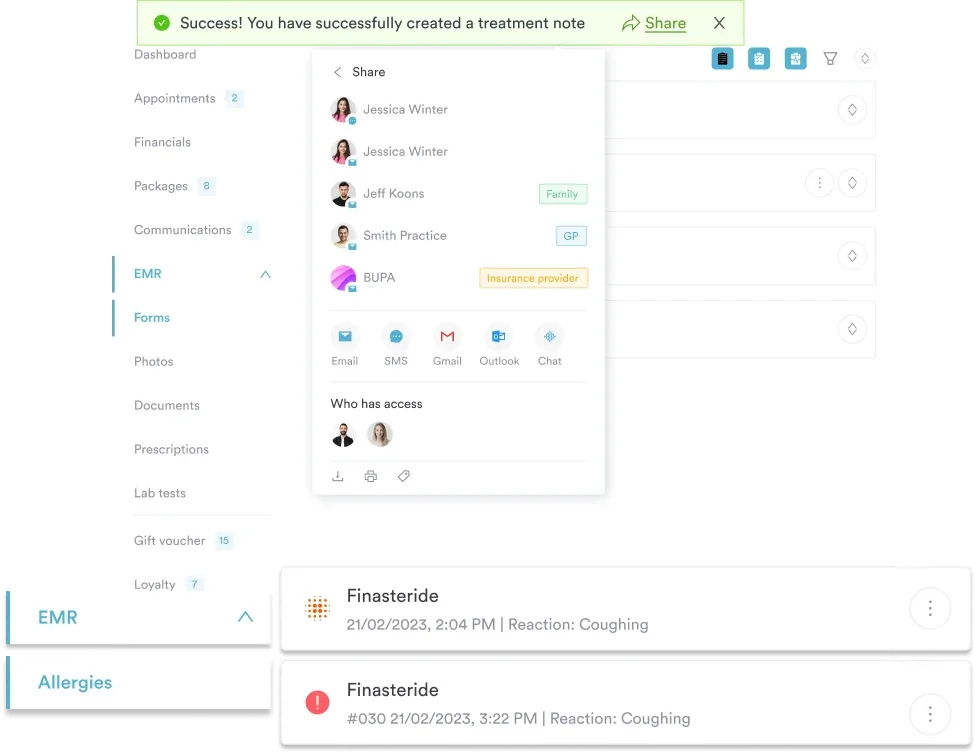
Accurate neonatal documentation is also a function of the electronic health record system a facility uses. Practices using structured clinical record tools can map diagnosis codes to encounter documentation at the point of care, connecting the clinical note directly to claim submission.
When reviewing a neonatal record for coding, locate the attending’s description of the bleed first. If the note specifies ‘massive’ blood loss or uses volumetric terms, P51.0 is likely appropriate. When the note describes bleeding without quantifying severity, default to P51.9 and document the query to the physician in your coding workflow.
Umbilical hemorrhage of the newborn refers to abnormal bleeding from the umbilical cord stump or the umbilical vessels after birth. It is classified within the hemorrhagic and hematological disorders of the newborn and is distinct from omphalitis, which is an infectious inflammation of the cord stump rather than a hemorrhagic event.
The “unspecified” designation in P51.9 applies when the clinical record does not differentiate between a massive bleed (P51.0) and a minor or otherwise described bleed (P51.8). This is common in outpatient or transfer documentation where the original episode was managed at another facility.
From a coding standpoint, the unspecified code is a valid choice when the documentation genuinely does not support specificity. Per the AAPC ICD-10-CM code guidance, coders should not assign a more specific code than the clinical record supports. Querying the physician is the appropriate step when specificity might be documented elsewhere in the chart. Compliance risk rises where one person codes, bills and reconciles without a second review.
Practices that handle neonatal or perinatal cases benefit from pairing clinical documentation with structured intake forms that prompt clinicians to capture the degree and characteristics of a hemorrhagic event at the point of care. This reduces downstream coding ambiguity.
For obstetric and neonatal settings, OB/GYN EMR software built for perinatal workflows can streamline this documentation capture before claims submission.
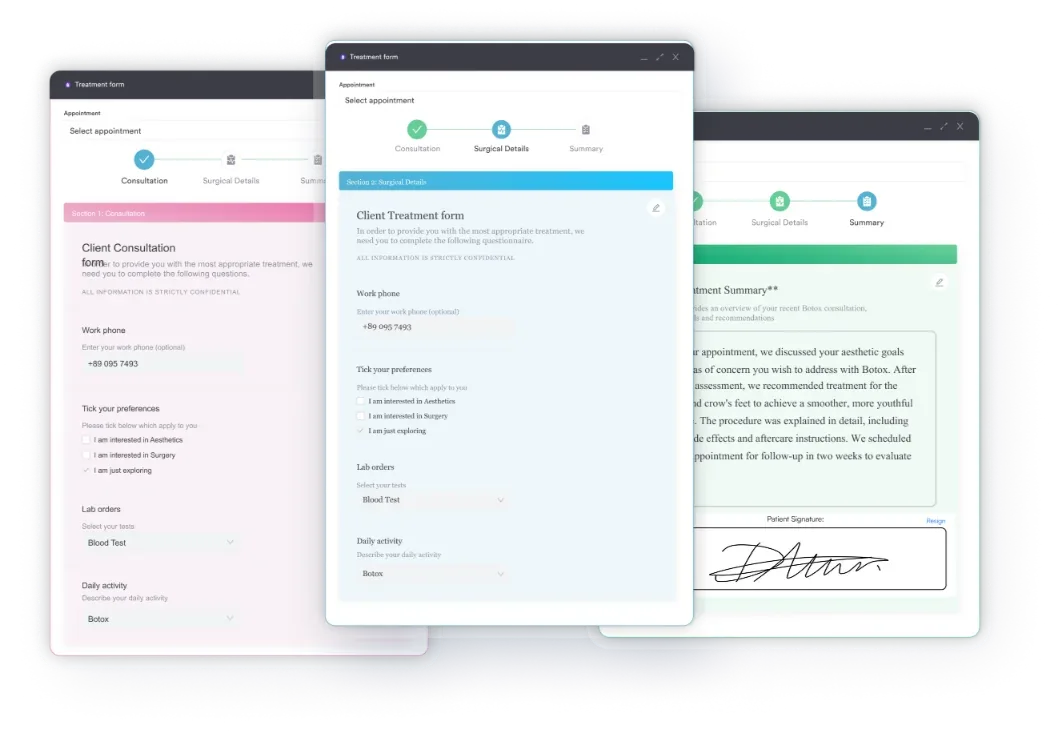

Pabau’s claims management tools help neonatal and perinatal practices capture the right diagnosis codes at the point of care, reducing denials and rework on complex newborn cases.

P51.9 carries two Excludes1 notes. Understanding the difference between Excludes1 and Excludes2 matters for accurate claim submission.
An Excludes1 note means the excluded condition can never be coded at the same time as P51.9 on the same encounter. An Excludes2 note, by contrast, signals that the excluded condition is not included here but may still be coded alongside the primary code when both conditions are present.
Omphalitis with mild hemorrhage (P38.1) is an infection of the umbilical stump accompanied by minor bleeding – it sits in the P38 infection category, not the P51 hemorrhage category, even though blood is present in both.
If a newborn presents with both cord stump bleeding and signs of infection, the coder must determine which condition is the primary diagnosis and verify with the attending whether the hemorrhage was a consequence of the infection (P38.1) or a separate hemorrhagic event (P51.9).
The second Excludes1 note, umbilical hemorrhage from cut end of co-twin’s cord (P50.5), covers a different scenario entirely: Bleeding that originates from a co-twin’s severed umbilical cord rather than the newborn’s own cord.
Because this bleeding did not originate from the coded newborn’s own umbilical stump or vessels, it is reported under P50.5 rather than P51.9. Neither P38.1 nor P50.5 can be coded together with P51.9 on the same encounter under any circumstances.
Misreading either note as an Excludes2 note, or coding the broader P38.- omphalitis category instead of the specific P38.1 code the exclusion actually names, are among the most common P51.9 coding errors.
If you are unsure how to handle a scenario where an excluded condition appears alongside umbilical hemorrhage in the clinical note, review the WHO ICD-10 browser for international classification context, then apply the U.S.-specific Excludes1 rule from the official ICD-10-CM tabular list.
The ICD-10-CM Official Guidelines for Coding and Reporting, co-published by CMS and NCHS, govern these exclusion rules for all US claims.
P51 contains three child codes. The correct code selection depends entirely on what the clinical documentation specifies about the nature and severity of the hemorrhage. P51.9 is used only when the record does not support the use of either P51.0 or P51.8.
The practical distinction between P51.0 and P51.9 matters for audit purposes. Claims auditors reviewing neonatal coding patterns look for overuse of unspecified codes when the underlying records contain specificity.
If the attending’s note says “significant cord stump bleeding requiring transfusion,” that level of documentation likely supports P51.0, not P51.9. Reviewing the full encounter note, including nursing notes and transfusion records, often reveals specificity the coder can use.
For practices managing large volumes of neonatal claims.
Run a quarterly audit of P51.9 usage in your neonatal coding. If P51.9 accounts for more than 70% of P51 claims, your team may be defaulting to unspecified when documentation supports P51.0 or P51.8. Query the attending physicians on ambiguous records rather than assigning unspecified by default.
The ICD-10-CM tabular list associates two approximate synonyms with P51.9. These terms appear in coding tools and the alphabetic index and are useful for cross-referencing documentation language against the correct code.
When the clinical note uses either of these terms without further quantification or qualification, P51.9 is the appropriate starting point in the alphabetic index. The term “neonatal umbilical hemorrhage” is particularly common in outpatient pediatric notes.
Coders should still check both Excludes1 notes – ruling out omphalitis with mild hemorrhage (P38.1) and a co-twin’s cord source (P50.5) – before assigning P51.9 in those cases.
Clinicians documenting neonatal encounters should use these standardized terms when specificity is genuinely absent. Vague language such as “cord issue” or “some bleeding noted” does not map cleanly to any P51 code and creates the need for physician queries.
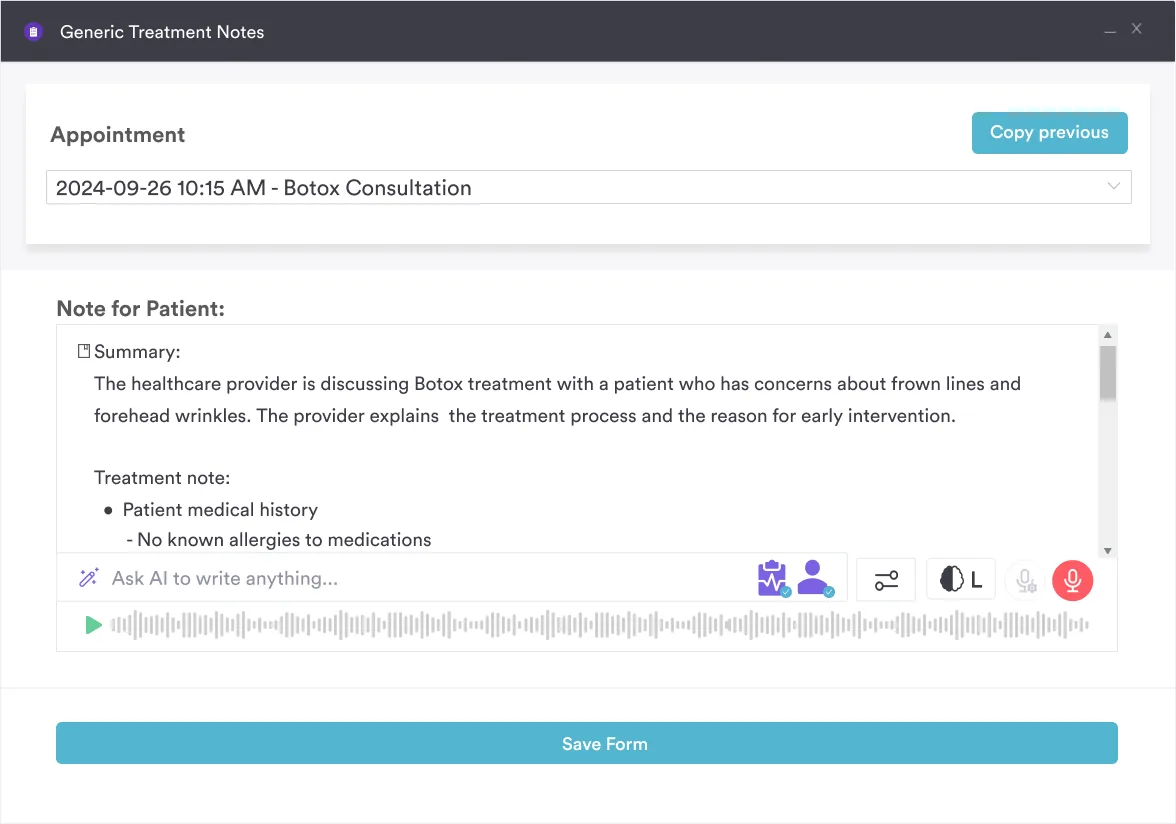
More specific documentation eliminates that step and speeds up the billing cycle. Practices using AI-assisted clinical documentation tools like Pabau Scribe, our AI scribe, can prompt clinicians to capture standardized neonatal descriptors during the encounter, reducing ambiguous notes at the source.
Accurate use of P51.9 depends on what is, and what is not, present in the clinical record. These documentation requirements apply both to the original treating clinician and to the coder reviewing the chart for billing.
HIPAA mandates the use of ICD-10-CM for covered transactions in the U.S. healthcare system. Practices submitting neonatal claims must use the code set in its current edition. For a broader overview of HIPAA’s role in clinical documentation and billing.
P51.9 belongs to the P50-P61 block, which groups all hemorrhagic and hematological disorders of the newborn. Understanding the full block helps coders recognize when adjacent codes may also apply to a complex neonatal case.
A newborn with umbilical hemorrhage may also present with vitamin K deficiency bleeding (P53) or a coagulation disorder from the same block. Multiple codes from P50-P61 can be assigned simultaneously when each condition is documented separately and meets the criteria for its respective code.
The block structure in ICD-10-CM makes it straightforward to identify adjacent codes when reviewing a complex neonatal record.
Newborns coded under this block sometimes present with unrelated congenital conditions in the same encounter – for example. The official classification structure for all these codes is maintained jointly by CMS and NCHS, based on the broader international disease classification framework.
The 2026 edition of ICD-10 Code P51.9 became effective on October 1, 2025. This follows the standard CMS annual update cycle, where the new code year takes effect at the start of the federal fiscal year.
P51.9 has been part of the ICD-10-CM tabular list since the U.S. transition from ICD-9-CM and has remained stable across recent code year updates with no changes to its description or exclusion notes.
Coding teams should confirm the applicable code year for each encounter date when submitting claims, particularly for neonatal cases that may span the October 1 transition date. Claims submitted for dates of service on or after October 1, 2025, should use the FY2026 edition. For earlier dates of service, use the FY2025 edition.
Claims submitted with the wrong code year can be rejected for technical errors unrelated to clinical accuracy. Newly added codes such as M48.9 follow this same annual effective-date cycle, regardless of specialty.
Umbilical hemorrhage in newborns is a time-sensitive clinical event, and ICD-10 Code P51.9 is the correct diagnosis code when the record confirms hemorrhage but does not specify type or severity.
The two Excludes1 notes attached to this code – omphalitis with mild hemorrhage (P38.1) and umbilical hemorrhage from cut end of co-twin’s cord (P50.5) – are the most consequential rules to get right: Conditions that can look similar on a surface read of the chart require entirely separate code pathways.
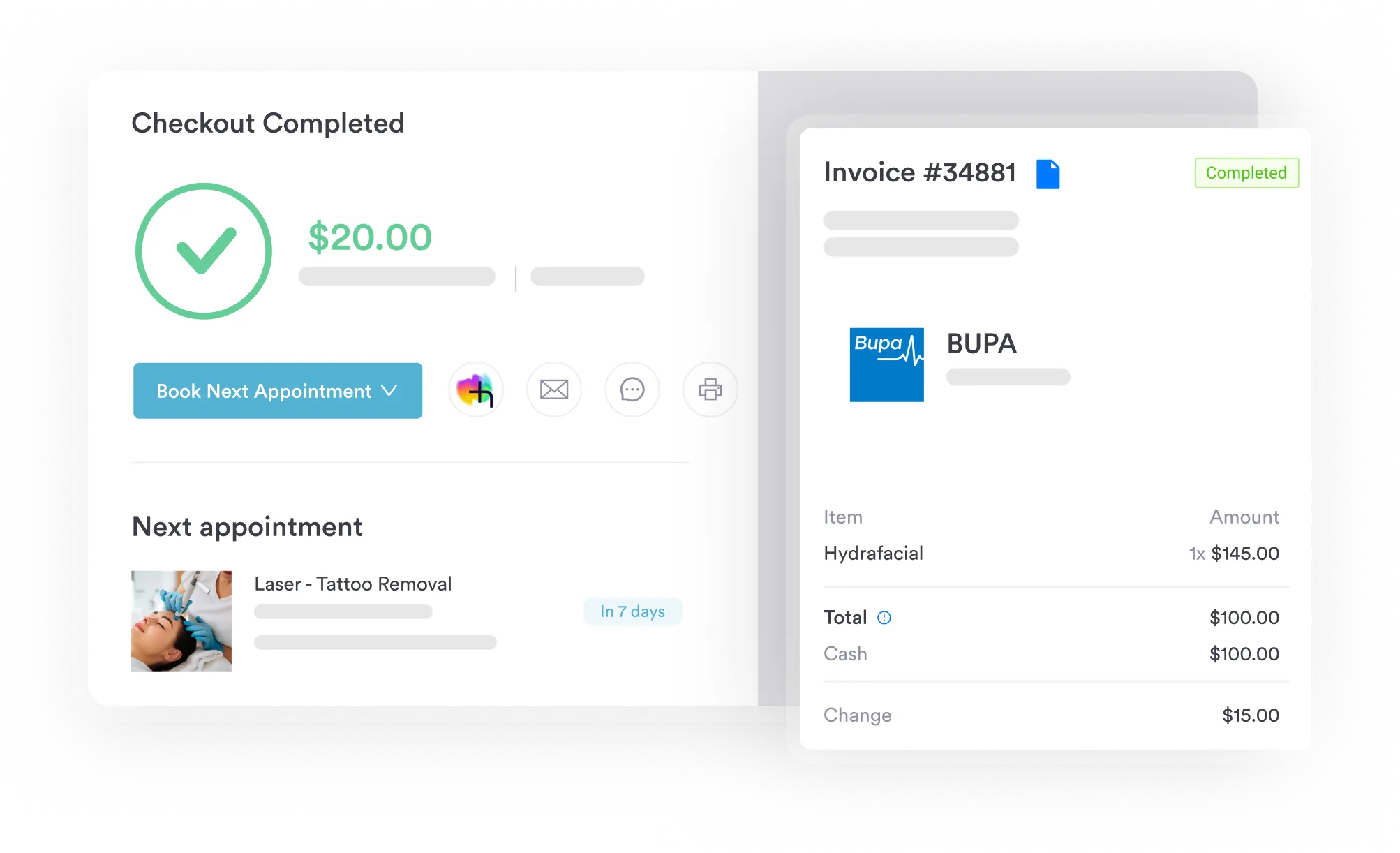
Pabau’s claims management software supports neonatal and perinatal billing teams in building coding workflows that catch Excludes1 conflicts, flag unspecified codes for review, and connect clinical documentation directly to the billing queue. To see how Pabau handles neonatal and perinatal documentation workflows, book a demo.

Billing a chromosomal translocation test? CCSD code 0042G for CCND1 testing covers the billing code for the CCND1 t(11;14) test that detects a specific chromosomal translocation.
Billing an iron regulatory gene panel? CCSD code 0043G for iron regulation walks through the billing code for the iron regulatory gene panel and the documentation insurers expect.
Coding other neonatal immune conditions? D81.0 covers severe combined immunodeficiency documentation and billing guidance for newborn encounters.
ICD-10 Code P51.9 is a billable diagnosis code for umbilical hemorrhage of newborn, unspecified. It is used when the clinical documentation confirms bleeding from the umbilical cord or stump in a newborn but does not specify whether the hemorrhage was massive (P51.0) or another described type (P51.8). The code sits under category P51 in the hemorrhagic and hematological disorders of newborn block (P50-P61) of ICD-10-CM.
Yes. P51.9 is a billable/specific ICD-10-CM code valid for diagnosis reporting and claim submission in the 2026 code year, effective October 1, 2025. Billable status confirms the code can be used to indicate a diagnosis for reimbursement purposes, though individual payer coverage policies still apply.
P51.0 is for massive umbilical hemorrhage of the newborn, used when the documentation explicitly describes a severe or massive bleed. P51.9 is the unspecified code, used when the note confirms umbilical hemorrhage but does not quantify severity or specify type. If the record contains language like “massive blood loss” or “requiring transfusion,” P51.0 is the more specific and appropriate choice.
P51.9 has two Excludes1 notes: Omphalitis with mild hemorrhage (P38.1) and umbilical hemorrhage from cut end of co-twin’s cord (P50.5). Neither condition can be coded together with P51.9 on the same encounter under any circumstances. If the clinical record describes omphalitis with hemorrhage, code P38.1 instead of P51.9. If the bleeding originated from a co-twin’s severed cord rather than the newborn’s own cord or umbilical stump, code P50.5 instead.
The 2026 edition of P51.9 became effective October 1, 2025, following the standard CMS annual update cycle. Claims for dates of service on or after October 1, 2025, should use the FY2026 edition. For dates of service before October 1, 2025, use the FY2025 edition to avoid rejection for incorrect code year.
The clinical note should specify the location (umbilical cord or stump), the nature of the bleeding (whether it was massive or minor), and rule out infectious causes such as omphalitis. Severity descriptors, intervention details (such as transfusion), and the newborn’s age within the 28-day perinatal window are all documentation elements that support accurate code selection between P51.0, P51.8, and P51.9.



