ICD-10 code S61.201A: Open wound of left index finger without nail damage
ICD-10 code S61.201A covers a left index finger wound of unstated type ICD-10 co...

Last Updated: Oct 16, 2026
Billable Code Specific Code
N16 is the billable ICD-10-CM code for renal tubulo-interstitial disorders in diseases classified elsewhere.
The tabular list requires the underlying systemic disease to be sequenced first, and a lone N16 gets rejected at the payer. Most denials trace back to that missing second code, not to N16 itself.
This page reflects the 2026 ICD-10-CM edition, effective October 1, 2025 through September 30, 2026, as maintained by the CMS ICD-10 codes program and the CDC National Center for Health Statistics.
Let Pabau's smart automation suggest the right codes, reduce claim denials, and keep your practice compliant—effortlessly.
Automate repetitive tasks and focus on what matters most—your patients.
Reduce coding errors and ensure compliance with the latest regulations.
Clean claims, fewer denials, and faster reimbursements.
Powerful insights and reporting to help your practice thrive.
HIPAA compliant SOC 2 certified GDPR-compliant Trusted by 4,000+ clinics worldwide

ICD-10 code N16 describes renal tubulo-interstitial disorders in diseases classified elsewhere, a billable ICD-10-CM code effective October 1, 2025 (FY2026).
The Applicable To note under N16 just lists two synonyms for the presentation itself, pyelonephritis and tubulo-interstitial nephritis, not a list of diseases requiring a second code.
N16 carries a Code first instruction: sequence the underlying disease first, such as leukemia, lymphoma, multiple myeloma, sepsis, brucellosis, cryoglobulinemia, glycogen storage disease, or Wilson’s disease, then N16.
Excludes1 notes rule out coding N16 alongside pyelonephritis or tubulo-interstitial nephritis in candidiasis, cystinosis, diabetes, diphtheria, salmonella infection, sarcoidosis, Sjögren syndrome, syphilis, systemic lupus erythematosus, or toxoplasmosis, since each of those already has its own dedicated code.
Pabau’s claims management software validates insurer-submission fields and gates claim sending, while structured client records and Echo AI help clinicians document the underlying disease driving N16 at the point of care.
ICD-10 code N16 is a billable, specific ICD-10-CM diagnosis code. It is valid for use on claims submitted for reimbursement purposes in the FY2026 coding cycle. The official full description is Renal tubulo-interstitial disorders in diseases classified elsewhere.
The code belongs to Chapter 14 (Diseases of the genitourinary system, N00-N99), within the sub-section N10-N16 (Renal tubulo-interstitial diseases).
Bladder involvement from a disease coded elsewhere falls outside the N10-N16 section. N33 covers that manifestation, and like N16 it carries a Code first note and an Excludes1 list.
The key clinical meaning: the kidney’s tubules and interstitium are affected, but the root cause is a systemic condition documented elsewhere in the record, not a primary kidney infection or standalone nephritis.
The Applicable To note under ICD-10 code N16 is shorter than a lot of coders expect, and it isn’t a checklist of diseases that need a second code at all. It’s two clinical synonyms for the same renal presentation that N16 itself describes. Verify it against the CDC/NCHS ICD-10-CM web tool for the current fiscal year.
Both terms describe the same finding: inflammation and damage to the kidney’s tubules and interstitium, occurring here because it’s a manifestation of a systemic disease documented elsewhere in the chart, not because of a primary kidney infection.
Applicable To tells you what N16 is. It doesn’t tell you which underlying disease to pair it with, that’s a separate instruction, and it’s the one that actually drives most of the denials.
The Code first instruction is one of the most frequently mishandled elements of N16 documentation. It isn’t a suggestion, it’s built into the ICD-10-CM Official Guidelines for Coding and Reporting (FY2026), and it means both codes need to appear on the claim whenever N16 is assigned.
The sequencing logic follows the etiology/manifestation convention: the underlying systemic condition, the etiology, is coded first, and N16, the renal manifestation, follows. Reverse that order, or leave the etiology code off entirely, and you’re looking at a claim denial or a coding compliance flag.
The ICD-10-CM tabular list names eight underlying diseases under N16’s Code first instruction:
When documentation is ambiguous about the underlying cause, query the provider before assigning N16. An unspecified code for the underlying disease category is acceptable when nothing more precise is documented, but some etiology code still has to be there.
Practices using a structured client record documentation system can flag these dual-code scenarios during the encounter rather than chasing missing information at billing.
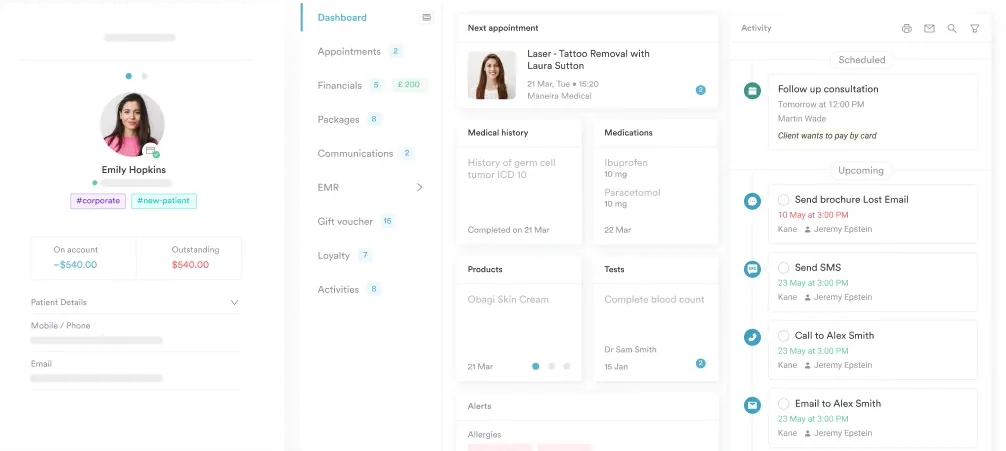
A men’s health platform keeps sensitive genitourinary diagnoses documented within a confidential, structured record.
Excludes1 is a hard restriction. It means the listed conditions can never be coded at the same time as N16, because they already have their own dedicated combination code for the exact same renal presentation.
If the patient’s pyelonephritis or tubulo-interstitial nephritis is caused by one of the conditions below, that specific code applies instead and N16 is not used.
The practical rule: if the underlying disease already has a dedicated combination code that covers its renal involvement, use that code instead of N16. N16’s Code first list, sepsis included, is for diseases that don’t have that dedicated pairing, so they rely on N16 for the renal side and their own code for the etiology.
Before assigning N16, check whether the underlying disease already has its own combination code covering renal involvement. Candidiasis, cystinosis, diabetes, diphtheria, salmonella, sarcoidosis, Sjögren syndrome, syphilis, lupus, and toxoplasmosis all do, so use that code instead. Sepsis is different: it is one of N16’s own Code first partners, not an exclusion, so sepsis plus N16 is the correct pairing when tubulo-interstitial involvement is documented.
Choosing the right code from within the N10-N16 section depends on whether the nephritis is acute, chronic, unspecified, or secondary to an outside condition.
The table below maps each code so coders can select the correct one quickly. The same proximity trap, picking the exact code in a tight numeric range instead of defaulting to a neighbor.
N14 vs N16 distinction: Drug-induced tubulo-interstitial disease goes to N14, not N16, because the ICD-10-CM tabular provides a dedicated code for that mechanism. N16 is for systemic non-drug conditions, such as leukemia, lymphoma, multiple myeloma, sepsis, brucellosis, cryoglobulinemia, glycogen storage disease, or Wilson’s disease.
When reviewing documentation, ask: is the tubular damage from a drug or toxin? If yes, N14. Is it from a hematologic cancer, an infection like brucellosis or sepsis, or a metabolic or immune disease like Wilson’s or glycogen storage disease? If yes, N16 with the etiology code first.
N16 becomes the correct code when a patient presents with tubulo-interstitial kidney injury and the medical record clearly documents a systemic non-drug cause. Three clinical scenarios appear most frequently in practice.
Oncology and nephrology co-management is the most common trigger. A patient being treated for leukemia, lymphoma, or multiple myeloma who develops biopsy-confirmed tubulo-interstitial nephritis, whether from the malignancy itself, tumor lysis, or paraprotein deposition, is a textbook N16 scenario: the hematologic cancer is the documented cause, and the renal finding is the manifestation. Practices still filing on paper carry this code on the CMS-1500 form, in the service lines.
Code the malignancy first (C91-C95 for leukemia, C81.0-C85.9 or C96.0-C96.9 for lymphoma, C90.0- for multiple myeloma), then N16.
Practices managing complex oncology patients see the same sequencing discipline required elsewhere in the record; ICD-10 code S14.154D depends just as heavily on getting the encounter-type character right before the claim goes out.
Metabolic and immune-mediated disease is the second common trigger, and it’s where documentation clarity matters most.
Wilson’s disease, glycogen storage disease, and cryoglobulinemia can all produce tubulo-interstitial damage as part of the underlying disorder rather than as a drug effect, and that distinction is what decides whether N16 or N14 applies.
If a medication is the proximate cause instead of the disease itself, N14 is the better fit, so the note needs to spell out which mechanism is driving the picture. Practices running metabolic health EMR alongside functional medicine software can build that distinction into the encounter template itself, rather than reconstructing it at billing.
Infectious disease clinics generate N16 claims too, just less often than people expect, since most infectious causes of pyelonephritis already have their own dedicated code and fall under Excludes1 instead.
Brucellosis and sepsis are the two infections that stay paired with N16: a patient with confirmed brucellosis or sepsis who develops tubulo-interstitial nephritis gets the infection coded first (A23.0-A23.9 for brucellosis, A40.0-A41.9 for sepsis), with N16 following as the renal manifestation.
Accurate N16 coding depends on the encounter documentation supporting three elements: the underlying systemic disease, the renal tubulo-interstitial involvement, and the causal relationship between them. Missing any one of these creates a query-worthy record.
Follow these steps for every N16 encounter. See the AAPC ICD-10-CM lookup to cross-reference the current code set during chart review.
From a payer perspective, supporting documentation should include the treating physician’s note, any relevant laboratory values (proteinuria, elevated creatinine, blood cultures for sepsis, serum ceruloplasmin for Wilson’s disease), and where applicable, biopsy results.
Medical necessity is established by the documented systemic disease, not the renal code alone.
Run a query at month-end for all N16 claims submitted without a co-coded underlying disease. These will typically fail the etiology/manifestation convention check. Catching them before adjudication reduces denial rework and payer correspondence.
Coding failures for N16 almost always originate in documentation, not in the billing system. A clinician who records “kidney involvement” without specifying the causative systemic condition leaves the coder with no basis for the Code first requirement.
Pabau’s structured client record system helps close that gap by capturing diagnosis relationships at the point of care.
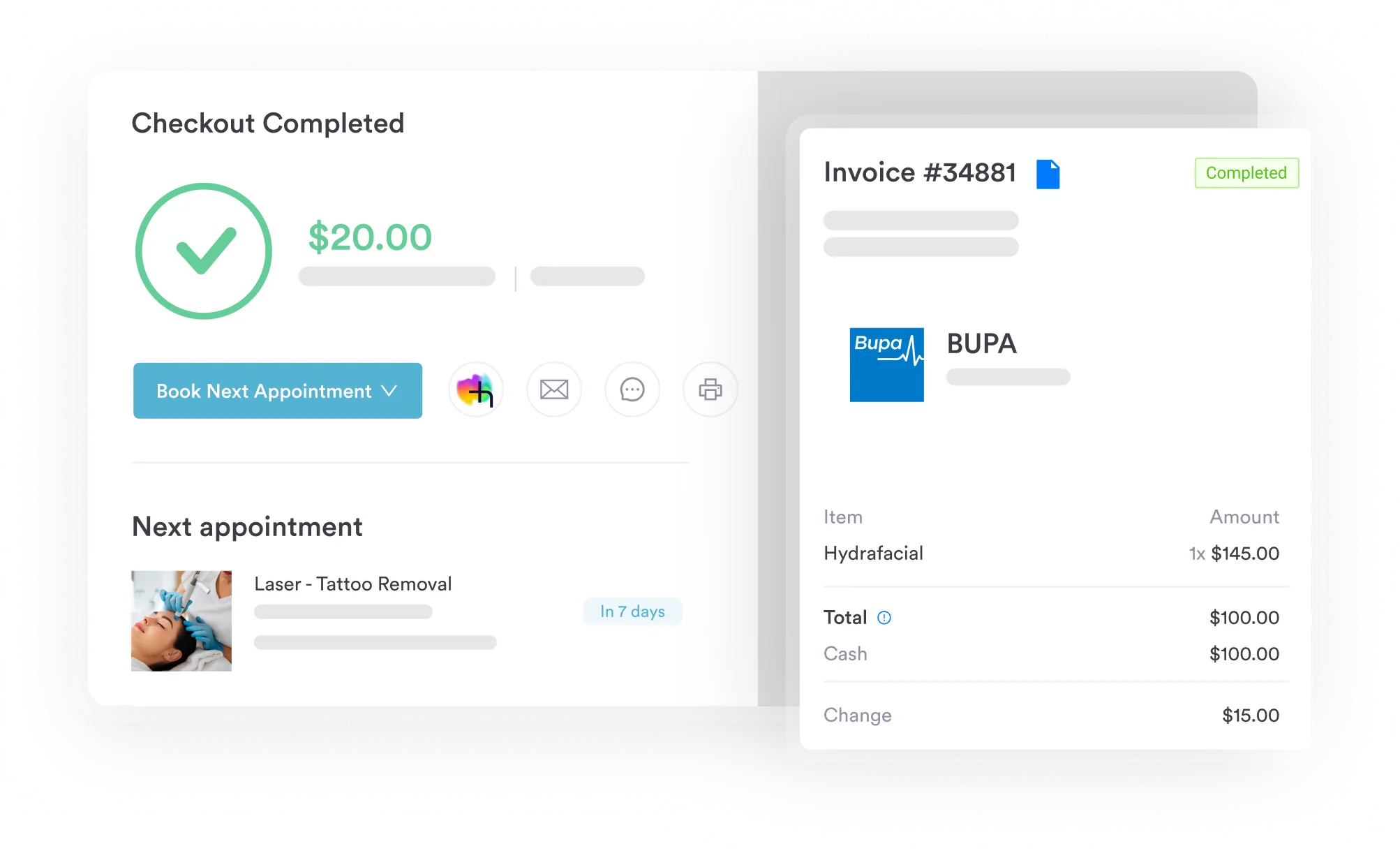
Pabau’s claims management software doesn’t check ICD-10 code-pairing logic itself, but it does validate the insurer-submission fields a claim needs before it can go out, gate the Send action until those fields are complete, and give the practice a claim-status dashboard to track what’s been submitted and what’s outstanding.
For clinics managing renal and metabolic patients, that combination catches the administrative gaps, a missing field, an incomplete submission. The coder is still the one responsible for making sure N16 has its Code first partner attached before the claim reaches that stage.
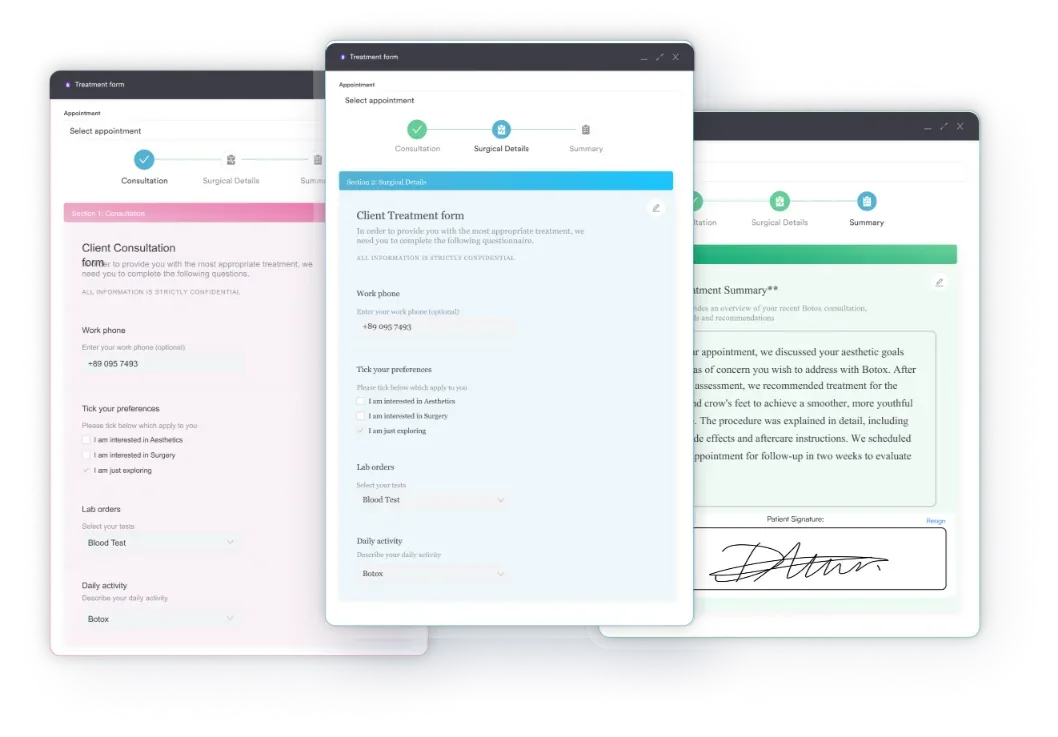
Practices also benefit from digital intake forms that prompt clinicians to document the causal relationship between systemic conditions and renal findings at the time of the consultation, rather than during retrospective chart review.
For practices handling larger volumes of complex patients.
Echo AI, Pabau’s AI scribe, can record and structure clinical notes during the encounter, which supports the documentation specificity that N16 coding requires: named systemic condition, causal link to the renal presentation, and associated findings.
Maintaining strong HIPAA compliance alongside accurate coding is also central to protecting a practice during payer audits. For practices building robust patient data security tools into their workflow, Pabau’s platform supports both compliance and clinical documentation in one system.

Pabau connects clinical documentation to claims workflows so your team captures the dual-code requirement at the point of care. Book a demo to see how.

N16 rewards the coder who treats it as half of a pair, not a stand-alone diagnosis. The skill worth building isn’t memorizing every Excludes1 exception, it’s the habit of asking what caused the renal finding before the claim ever reaches a scrubber. Get that habit right, and most of the denials tied to this code disappear.
Pabau’s clinical documentation tools help practices capture the etiology/manifestation pair at the encounter level, and claims management keeps the submission fields in check before that claim goes out.
To see how Pabau supports complex multi-code billing workflows, book a demo.

Need a model for add-on anesthesia billing? CPT code 01968 breaks down how an add-on code attaches to a primary anesthesia procedure without duplicating base time.
Coding recurring DME replacement parts? HCPCS code A4600 walks through the billing guide for sleeve replacement supplies and frequency limits.
Billing for an implantable device? HCPCS code C1780 covers billing for a new-technology intraocular lens implant.
No, N16 is reported as a single three-character code with no decimal subdivisions, unlike N11, which splits into N11.0, N11.1, and so on. Whatever detail exists in the presentation belongs in the etiology code you sequence first, not in a more granular version of N16.
Not under normal sequencing rules. N16 is a manifestation code under the etiology/manifestation convention, so the Code first instruction expects the underlying systemic disease to be sequenced ahead of it. Listing N16 alone, with no etiology code at all, is the single most common reason these claims come back denied.
No, and that’s one of the differences between N16 and its neighbors in the N10-N16 range. N10 is specifically acute and N11 is specifically chronic, but N16 doesn’t carry its own acuity split. Acuity gets documented through the clinical note and the underlying disease code instead.
Code first means both codes belong on the claim, with the underlying disease sequenced ahead of N16. Excludes1 means the opposite: the two conditions can never appear together, because a dedicated combination code already exists for that specific pairing. Mixing the two up is exactly how sepsis and Sjögren syndrome end up miscoded with N16.