Getting along with siblings worksheet
A getting along with siblings worksheet is a printable that helps children and t...

3
Last Updated: Oct 23, 2026

Wisdom teeth removal is a common surgical procedure performed by dentists and oral surgeons to extract third molars, often due to impaction, infection, or crowding.
A written wisdom teeth removal aftercare template gives every patient the same evidence-based recovery instructions, covering activity, diet, medication, and wound care.
Spotting complications like dry socket, infection, or excessive swelling early keeps recovery on track through the first 7 to 10 days.
Practice management software like Pabau can deliver the aftercare template through the patient portal automatically and log complication-screening replies in the record.
Wisdom teeth removal aftercare template
A ready-to-use post-operative care instruction sheet for wisdom teeth extraction, covering activity restrictions, pain management, a day-by-day diet, complication warning signs, and follow-up care.
Download templateA wisdom teeth removal aftercare template is a structured post-operative handout that walks patients through recovery after third molar extraction. It covers wound care, a day-by-day diet, medication, and the warning signs of dry socket and infection. For a dental practice, a standardized template means every patient leaves with the same evidence-based instructions, so your team fields fewer “is this normal?” calls and complications get caught early.
This guide breaks down what an effective aftercare template includes and how to fit it into your extraction workflow.
A wisdom teeth removal aftercare template is a standardized clinical document that sets out post-operative instructions for patients after third molar extraction. It maps the first 7 to 14 days of recovery, covering wound care, activity restrictions, dietary changes, and symptom monitoring.
Dental practices use these templates to keep messaging consistent across every extraction, so patients understand what counts as normal recovery versus a complication that needs urgent attention.
The American Dental Association (ADA) and the American Association of Oral and Maxillofacial Surgeons (AAOMS) both stress the clinical and legal value of comprehensive written post-operative instructions. A template grounded in clinical evidence protects patient safety and documents that the practice provided proper aftercare education.
Fitting an aftercare template into your extraction workflow takes five steps.
The template works across dental and oral surgery settings.
Protects the healing site: written instructions give patients something to check once the anesthesia wears off, reinforcing the wound-care and activity rules that protect the blood clot and lower the risk of dry socket (alveolar osteitis).
Improves patient compliance: day-by-day milestones make it easier for patients to stick to diet and activity guidelines, and adherence improves when the instructions explain the reason behind each restriction. For more.
Documents informed consent: a templated handout creates a record that the practice provided comprehensive post-operative education, which supports your defense if a patient later disputes what they were told.
Frees up staff time: a clear template answers the routine questions (when can I eat normally, which painkiller, is this swelling normal) before patients pick up the phone, so hygienists and coordinators can focus on cases that need clinical input.
Creates a documented audit trail: storing the template in a HIPAA-compliant system gives you a timestamped record of which instructions were provided and when, which helps with recordkeeping and audits.
Flag patients scheduled to have all four wisdom teeth removed at once for closer post-operative monitoring. These cases carry a higher complication risk and benefit from automated day-1 and day-3 check-in calls documented in the patient record.
Effective wisdom teeth removal aftercare templates include seven sections that track the stages of extraction healing.
Practice management software like Pabau lets dental practices run this whole process automatically. You can send the aftercare template through the patient portal at discharge, set reminder emails at each recovery milestone, and log the patient’s answers to complication-screening questions straight into their clinical record with patient record documentation and digital consent forms.
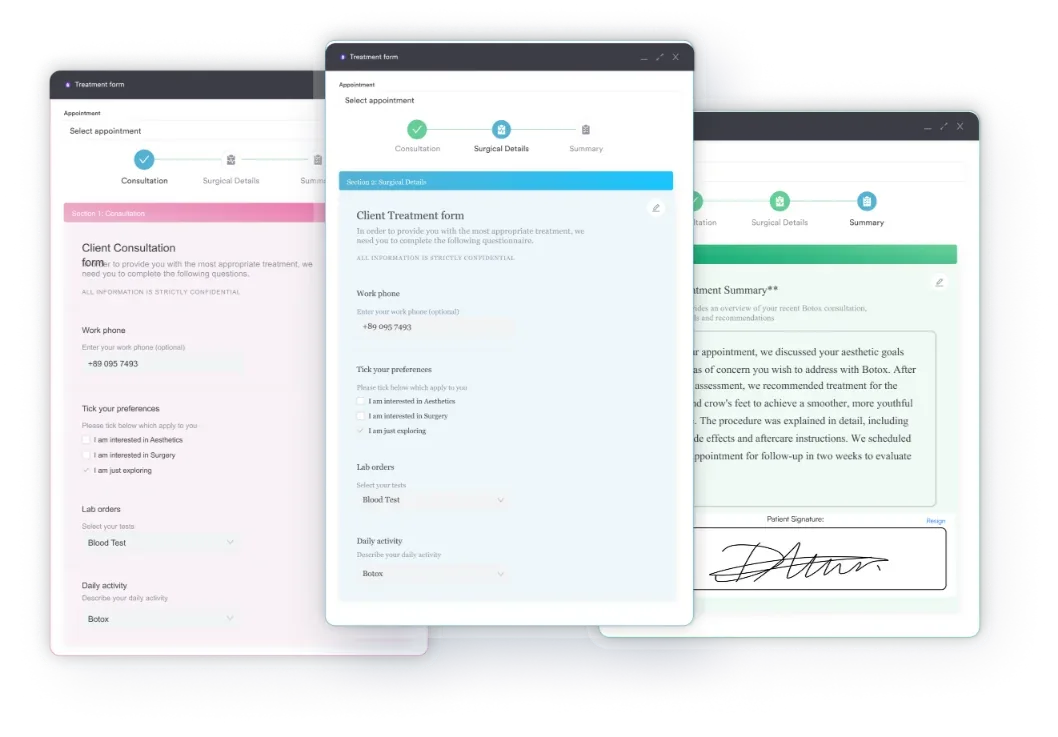
Digital delivery gets the template to every patient the same way and removes paper-handling errors. It also timestamps when instructions were sent, so you have a clear record and fewer disputes about what the patient was told.

Automate aftercare template distribution and complication screening with Pabau’s digital forms and patient portal.

Dry socket is one of the most common complications after third molar extraction. Reported incidence varies widely, from roughly 1 to 5% after routine extractions up to around 20 to 30% for surgical removal of impacted lower wisdom teeth. Written aftercare that reinforces the clot-protection rules (no smoking, no straws, and no vigorous rinsing in the first 24 hours) supports the behaviors that lower that risk.
The ADA’s guidance on informed consent emphasizes providing written post-operative instructions for surgical procedures. A template makes that documentation standard easy to meet on every case, and supports your defense against claims that a patient wasn’t properly informed about their aftercare responsibilities.
Standardizing post-operative instructions lowers complication risk, improves patient compliance, and documents informed consent. Download the template above and adapt it to your practice’s protocols.
Pabau’s digital forms and patient portal let you deliver post-operative templates automatically, log complication screening responses, and keep every aftercare record audit-ready.

Standardizing your patient intake process? Health worksheet template captures health history, medical background, wellness status, and baseline health data.
Assessing a patient’s home care needs? Home care form template covers living situation, safety hazards, mobility needs, and visit scheduling preferences.
Documenting a patient in intensive care? ICU note template gives a systems-based worked example and a habit that keeps each line readable at handover.
It’s a standardized clinical document that sets out post-operative instructions for patients after third molar extraction, covering wound care, diet, activity restrictions, medication, and complication warning signs.
Give patients a printed or digital copy before they leave the recovery room, so they receive the instructions while still under observation and can ask questions before discharge.
Clear instructions on activity, diet, and wound care help patients avoid behaviors that dislodge the blood clot, such as smoking or using a straw in the first 72 hours, which lowers the risk of dry socket and infection.
Most patients recover within 3 days to 2 weeks. Swelling and discomfort usually peak around day 2 or 3, then ease as the extraction sites heal; a template should set these day-by-day expectations.
Include swelling that worsens after day 3, fever above 101°F, foul-smelling discharge, numbness lasting beyond day 10, and severe pain that prescribed medication doesn’t relieve.
Use practice management software to send the template through the patient portal at discharge, schedule automated reminder emails at key milestones (days 1, 3, and 7), and log patient responses directly in the clinical record.