HIPAA compliant texting: What you can send patients & how to communicate securely
HIPAA compliant texting is possible when a text holds no protected health inform...

Last Updated: Oct 16, 2026

A will preparation worksheet collects everything your attorney needs before your first meeting.
Filling it in first cuts the discovery time you pay for, so more of the fee goes toward drafting.
It covers personal details, assets, beneficiaries, your executor, guardianship, and healthcare directives.
Digital assets belong on the list too, including cryptocurrency, online accounts, and social media profiles.
Only Louisiana requires a notary for a valid will, and most other states require two witnesses instead.
Sections for personal details, a full asset inventory, beneficiary shares, executor and guardian choices, special bequests, and healthcare directives. Print it, fill it in, and take it to your attorney appointment.
Download templateA will preparation worksheet is a fill-in form that gathers every detail your attorney needs to draft your will. You complete it at home, at your own pace, and bring it to the first appointment.
That one step changes what the appointment costs. Instead of paying billable time while a lawyer asks what you own and who inherits it, you arrive with the answers written down. Below is what belongs in each section.
It is a structured planning document, not a legal one. It walks you through your personal details, your property, your beneficiaries, your choice of executor, and your wishes on guardianship and medical care.
The worksheet never replaces the will itself. Your attorney treats it as source material, then drafts a document that meets your state’s signing rules and holds up in probate court. A broader life plan worksheet covers the same instinct for decisions you make while living.
Filled in properly, it does three jobs at once:
Turning up unprepared means paying billable hours for information gathering. A completed worksheet turns the first meeting from a question-and-answer session into a review of decisions you have already made.
A basic attorney-drafted will typically runs $300 to $1,000. A fuller plan, with trusts, a power of attorney, and healthcare directives, usually runs $1,000 to $5,000 or more. Either way, every hour spent listing bank accounts is an hour not spent on legal strategy.
The form breaks into six sections, each capturing something your attorney will ask for anyway. Knowing what belongs where is what stops you filling it in twice.
Every will opens with your full legal name, current address, date of birth, and marital status. This section also records your Social Security number, your driver’s license number, and the names and birthdates of all children, biological and adopted.
Document everything you own, with a current estimated value against each line. That means real estate, bank and savings accounts, investment and retirement accounts, vehicles, and personal property worth listing separately, such as jewelry, art, or collectibles.
List every person or organization you want to inherit, with the percentage or dollar amount each one receives. Name contingent beneficiaries as well. If a primary beneficiary dies before you do, their share then passes on instead of falling back into the estate.
One point catches people out. Retirement accounts, life insurance, and payable-on-death accounts pass to whoever is named on the account, not to whoever is named in your will. Check those designations while you fill in the asset table, because the will cannot override them.
Your executor, also called a personal representative, runs the estate after your death. They collect assets, pay debts and taxes, and distribute what remains. Pick someone trustworthy, organized, and willing to serve, then name at least one alternate.
If you have children under 18, your will names who raises them should both parents die. That is separate from financial guardianship, which covers managing their money. Ask your proposed guardian before you write the name down.
Record gifts of particular items, such as jewelry to a daughter, a car to a son, or a collection to a museum. Specific cash gifts go here too. These are honored first, before what remains is divided among your main beneficiaries.
Knowing how practice management software works helps you decide which forms to digitize first.
A will governs your property after death. A living will and a healthcare proxy govern what happens while you are alive but unable to speak for yourself. The three documents are written together for a reason.
A living will, also called an advance directive, records your wishes on life-sustaining treatment. That covers resuscitation, mechanical ventilation, feeding tubes, and organ donation. A medical power of attorney names the person who makes those calls if you cannot.
A durable power of attorney does the same job for money. It lets someone pay your bills, reach your accounts, and manage property if you become incapacitated. Together, the three documents close the questions a will on its own leaves open.
Five steps take the form from blank to ready for your attorney.
Signing rules vary by state. Most states require two witnesses at the signing, and only Louisiana requires a notary for the will itself. Elsewhere a notary is optional, and is used for a self-proving affidavit that speeds up probate later.
Store the signed original somewhere your executor can reach it, such as a home safe, a safe deposit box, or your attorney’s office. Keep a copy at home, and give one to your executor and your healthcare proxy.
Revisit your will after any major life event. Marriage, divorce, a new child, a large change in asset value, or a move to another state can all change what it should say. Most attorneys suggest a review every three to five years, since tax rules and family circumstances shift.
Five errors show up again and again, and every one of them lands on the executor rather than the person who made it.
Most estates now include property that has no paper trail. Your executor needs to reach cryptocurrency wallets, online banking, email, social media profiles, and subscription services. Very few worksheets ask about any of it.
Cryptocurrency is the sharpest example. Coins held in a wallet are unrecoverable if nobody knows the wallet exists or holds the private keys. The same risk applies to an online business, a mailing list, or decades of family photos in cloud storage.
Add a digital section to your worksheet and list what you hold:
Keep the credentials themselves out of the worksheet. Put them in a password manager or a sealed envelope, and record only where your executor should look.
Advance directives and healthcare proxies usually reach a patient as a printout at reception. The patient takes it home, forgets it, and the practice has no record either way. Front desk staff then chase paper that may never come back.
Practice management software like Pabau sends the same documents digitally instead. Patients complete and sign them from a phone before the appointment, and the signed copy files itself against the patient record. Nothing sits in a tray waiting to be scanned.
That matters most where these conversations are routine. The patient portal then lets patients pull their own copies back when an attorney asks for them.
The same setup suits longevity practices, where planning documents get revisited every year. Reminders go out automatically, so nobody has to remember which patient signed which version.
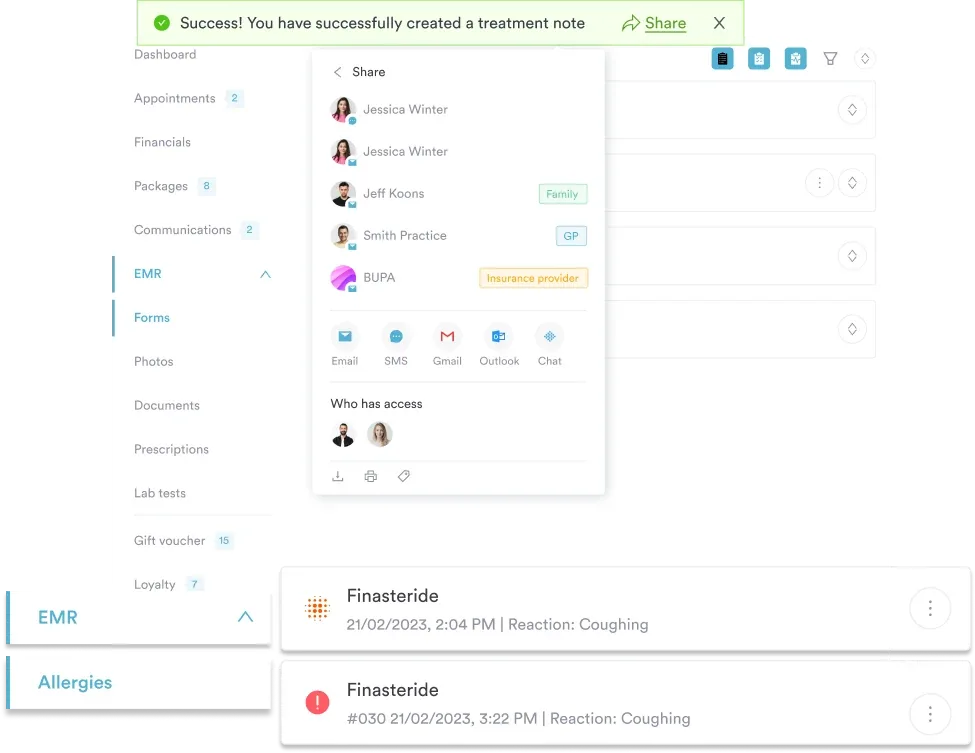

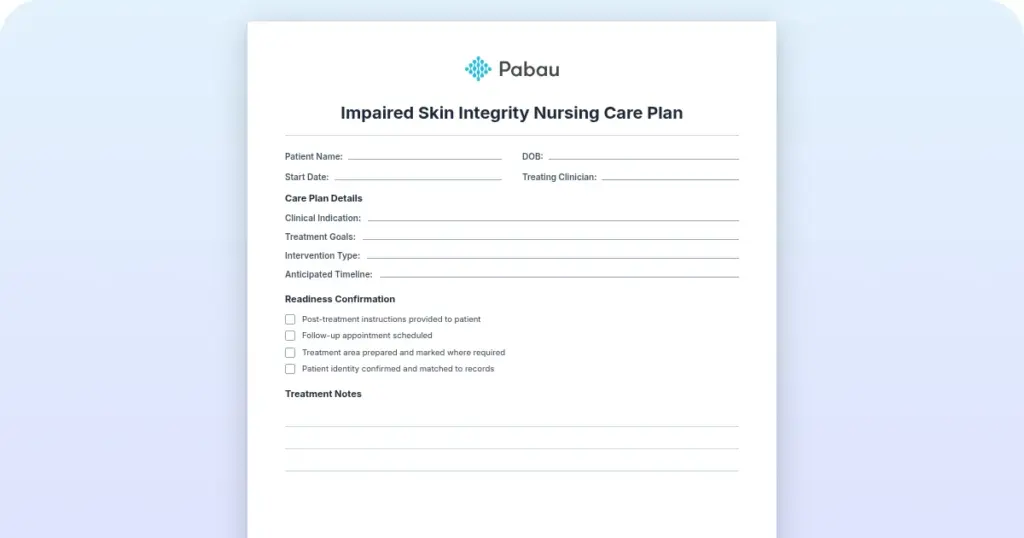
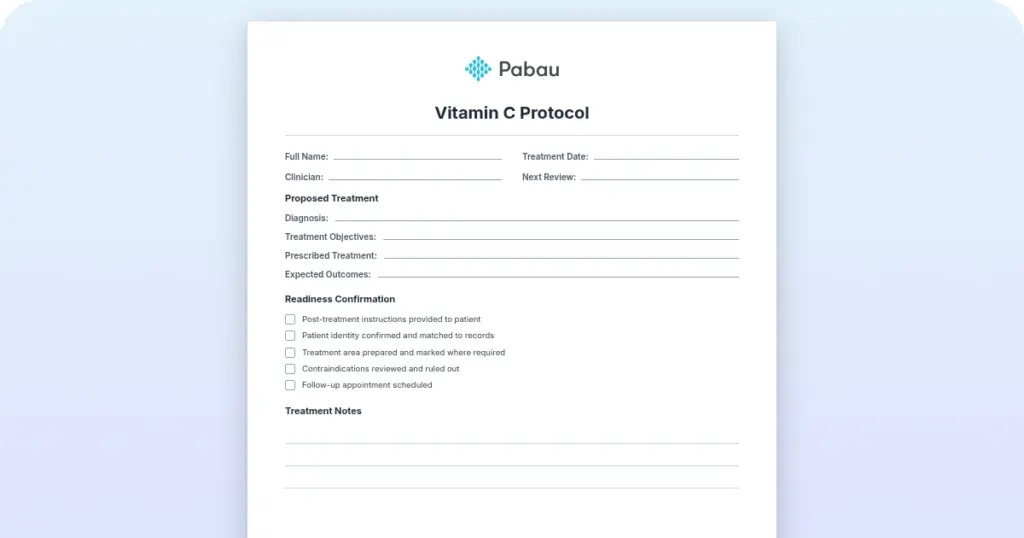
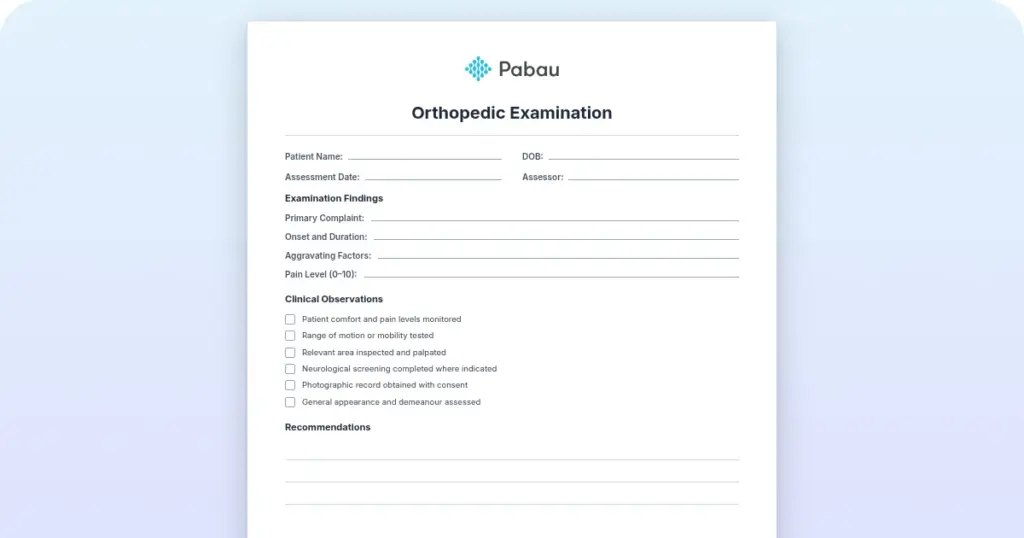
Pabau sends advance directives and consent documents to patients before the appointment, then files the signed copy straight to their record. Your front desk stops chasing forms, and nothing goes missing between visits.

The worksheet is worth an evening, not a weekend. Print it, work through the asset table with your statements open, and leave the harder choices about guardians and executors for a second sitting.
What you gain is control over how the attorney’s time gets spent. Walk in with the facts settled and the conversation moves on. Your lawyer spends the hour on trusts, tax exposure, and language that survives a challenge.
One trade-off is worth remembering. A worksheet is only accurate on the day you finish it, so diary a review whenever your assets or your family change. Book a demo to see how Pabau keeps patient planning documents signed, filed, and easy to find.

Advising a client on a different decision? tattoo pain chart guide maps which body areas feel more discomfort so clients know what to expect.
Working with school-age children too? character traits worksheet is a free printable that helps K-6 students name character traits and cite text evidence.
Need a way to capture notes? lecture notes template offers Cornell, outline, and mind map layouts plus a 24-hour review habit.
Onboarding new clients in another practice type? veterinary new client form captures every detail upfront so vet clinicians can focus on the animal, not paperwork.
It captures your personal information, a full asset and property inventory with values, and contact details for every beneficiary. It also records your choice of executor and alternates, plus guardianship decisions for children under 18. Special bequests go in as well, along with your healthcare preferences, including living will and power of attorney designations.
Yes, but notarization is not what makes it valid. Handwritten, or holographic, wills are recognized in roughly half of US states. Nearly every state instead requires two independent witnesses at the signing. Only Louisiana requires notarization for the will itself. Elsewhere a notary is optional, and is used for a self-proving affidavit that speeds up probate. Requirements vary widely, so check with a local estate attorney.
Bring your completed worksheet, bank and investment statements, property deeds, and insurance policy documents. Add a list of beneficiaries with contact details, plus the names of the people you want as executor, guardian, and healthcare proxy. Arriving with all of it means your attorney spends less time on discovery and more on drafting.
A will says how your property is distributed after you die. A living will, also called an advance directive, records your healthcare wishes while you are alive but unable to speak for yourself. It covers life support, resuscitation, and organ donation. Most people need both.
Choose someone trustworthy, organized, and willing to handle financial and legal admin for months. Many people name a spouse or an adult child. A professional executor, such as an attorney or a bank trust department, works when no family member is suitable. Ask them first, and always name an alternate.
No. It is a planning tool used to organize information before you meet an attorney. It has no legal force on its own. Your attorney uses the completed form to draft a will that meets your state’s requirements and can be enforced in probate court.