Free habit journal template to download
A habit journal is a structured daily record that helps patients track behaviors...

Last Updated: Oct 14, 2026

A sobriety tracker is a structured clinical tool that documents a patient’s recovery journey. It logs the sobriety date, days sober, milestones, triggers, and treatment progress in one place.
Clinical trackers improve patient accountability and provide measurable data for treatment adjustments. They also support compliance with 42 CFR Part 2 confidentiality requirements for substance use disorder records.
A well-designed sobriety tracker includes a sobriety start date, an automatic days-sober counter, and milestone markers (7, 30, and 90 days, 1 year). It also needs a trigger/craving log, daily mood tracking, and progress notes fields.
Practice management software like Pabau lets clinicians embed sobriety tracking in digital forms and integrated client records, cutting manual paperwork and supporting real-time outcome monitoring.
A sobriety tracker template that enables clinicians to document and monitor patient sobriety milestones, daily progress, recovery goals, and treatment plan alignment. Includes sobriety date tracking, days-sober counter, milestone markers, trigger/craving log, mood tracking, and clinical notes fields.
Download templateThis article explains what a sobriety tracker is, why it matters in clinical addiction treatment, and how to integrate it into your practice management workflow.
A sobriety tracker is a structured clinical documentation tool used by addiction medicine clinicians, therapists, and mental health practitioners. It monitors a patient’s recovery from substance use disorder. Unlike consumer apps designed for individual users, a clinical sobriety tracker serves as an official record of progress. It ties directly to treatment planning, medication management, and insurance billing codes (ASAM criteria documentation).
The core value of a sobriety tracker is accountability backed by data. Patients who document their sobriety date and track daily progress show measurably higher engagement in treatment. According to SAMHSA, structured monitoring improves treatment retention and supports long-term recovery outcomes.
In clinical settings, sobriety trackers also address a critical compliance requirement: 42 CFR Part 2 confidentiality regulations. This federal rule governs substance use disorder patient records and requires stricter confidentiality protections than HIPAA. A sobriety tracker embedded in a secure integrated client record system ensures compliance while keeping clinical data in one accessible location.
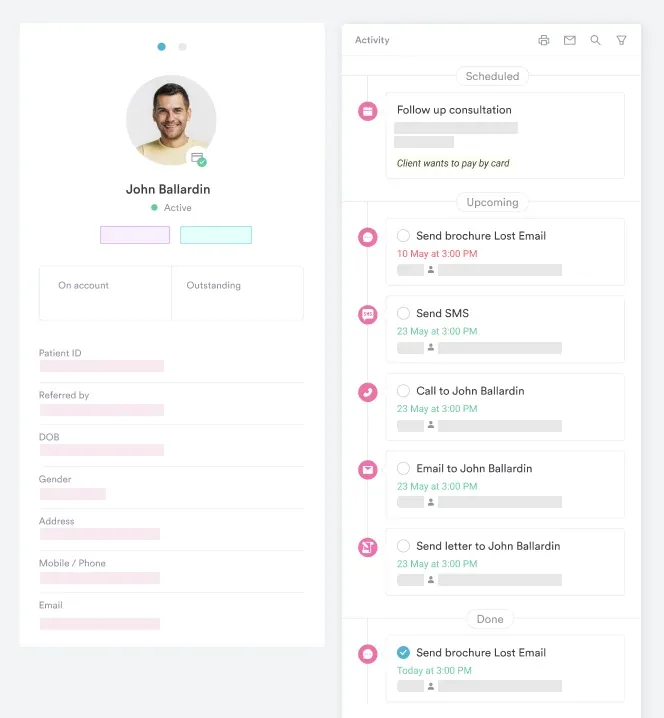
A comprehensive sobriety tracker template includes these essential fields:
Using digital forms for patient intake and tracking means this data lives in your practice management system, not in scattered paper sheets or patient-owned apps.
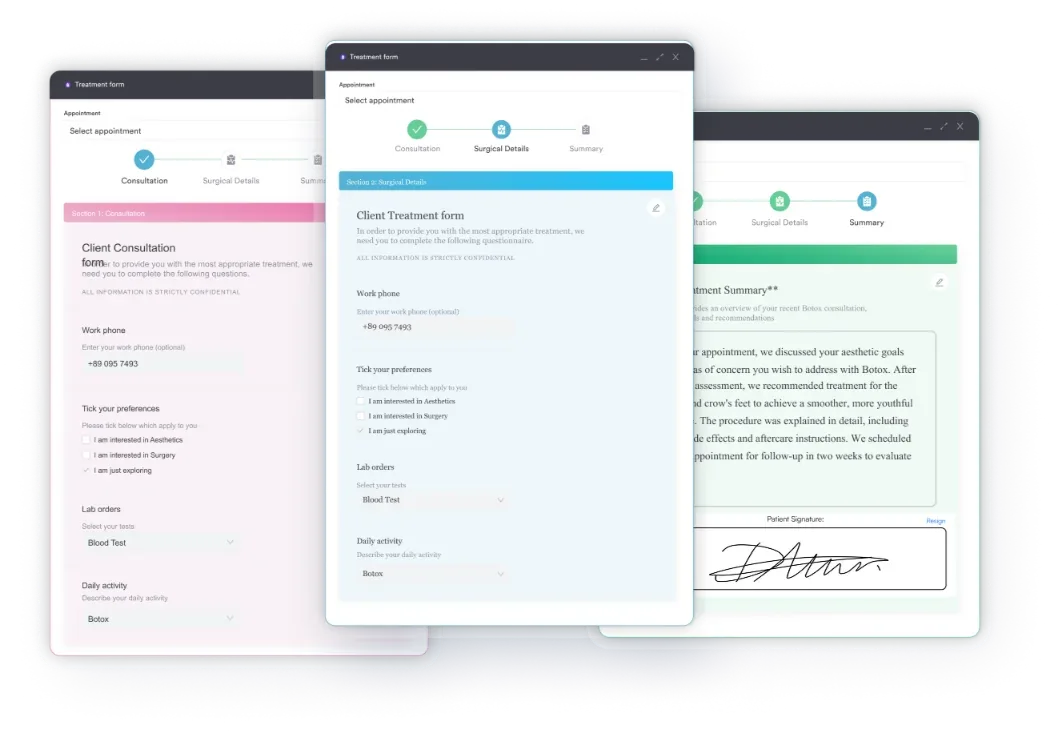
Integrating a sobriety tracker into clinical workflow requires five core steps:
One of the strongest predictors of long-term recovery is daily engagement with the recovery process. Daily sobriety tracking reinforces this principle by normalizing the habit of self-reflection and accountability.
Research on habit formation shows that behaviors repeated daily for 66 days on average become automatic (Lally et al., 2010). A patient who logs into their sobriety tracker every morning builds a recovery identity through that daily habit. This is why improving patient compliance through structured tracking is clinically significant.
Daily tracking also surfaces subtle patterns: Which days or times trigger the strongest cravings? When does mood dip lowest? What interactions or activities correlate with sustained motivation? Answering these questions enables precision treatment adjustments informed by the patient’s own data.
Sobriety milestones are not just vanity markers. They anchor the recovery journey. Common clinical milestones include:
A sobriety tracker automates milestone calculation and marking. The patient does not have to count days themselves. The system does it for them. This reduces cognitive load and removes one more source of shame-based thinking (e.g. “Did I count correctly? Am I really that far along?”). Instead, the tracker provides objective verification of that progress.
This is where a sobriety tracker earns its place as a clinical asset. Addiction treatment requires a formal written plan: a documented ASAM criteria assessment, medication management (if applicable), psychotherapy goals, and relapse prevention strategies. The tracker lives inside this ecosystem, not separate from it.
When you create a substance abuse treatment plan, the sobriety tracker becomes the measurement tool for three critical goals:
Practices using medical records management systems can tie tracker data to treatment plan updates automatically. If milestone achievement is documented, the system can flag this for positive reinforcement in your next session note.
Important regulatory note: All sobriety tracker data falls under 42 CFR Part 2 confidentiality protections. Patient consent to release this information must be explicit and documented. Courts and law enforcement cannot subpoena Part 2 records without a specific court order, even under HIPAA-qualifying circumstances.
This is a higher bar than standard HIPAA. It’s why clinician-facing sobriety trackers must be embedded in compliant practice management systems, not consumer apps.
Many practices track sobriety data on paper sheets, in a patient’s own recovery app, or as free text buried in a general EHR note. None of these calculate milestones automatically or connect the data to the treatment plan.
Practice management software like Pabau lets clinicians embed the sobriety tracker directly into appointment workflows, with no separate app required. Tracker data syncs with scheduling, clinical notes, and billing records in the same system. A missed session or a new milestone shows up right where the rest of the patient’s record already lives.
This means clinicians spend the appointment discussing recovery, not hunting for the last update. The 42 CFR Part 2 access controls travel with the record automatically.

Pabau’s digital forms and integrated client records let clinicians track sobriety milestones, triggers, and progress notes in one place. Built-in access controls keep the data compliant with 42 CFR Part 2.

A sobriety tracker transforms addiction treatment from episodic check-ins into continuous, data-driven care. By documenting the sobriety date, daily progress, milestones, and clinical observations in one structured template, clinicians gain insight into each patient’s recovery trajectory. Patients gain accountability backed by evidence they can see.
The template above is free to download and use right away. For practices managing multiple patients or complex substance use histories, tracking data by hand adds risk with every new file. Book a demo to see how Pabau keeps sobriety tracking, treatment plans, and 42 CFR Part 2 compliance in one system.

Need guidance on ASAM criteria and treatment planning? The ASAM Criteria sets the clinical standards for assessing and placing patients in addiction treatment, the framework sobriety trackers help document.
Looking for substance use disorder clinical research? NIAAA’s guide to alcohol use disorder covers DSM-5 diagnostic criteria, risk factors, and evidence-based paths to recovery.
Want to ensure 42 CFR Part 2 compliance in your records? Mental health practice management systems with built-in addiction medicine compliance features ensure your sobriety tracker data meets federal confidentiality standards.
A clinical sobriety tracker should include a sobriety start date and an auto-calculated days-sober counter. Milestone markers at 7, 30, and 90 days, 6 months, and 1 year track progress over time. Round it out with a trigger/craving log, a daily mood or wellness rating scale, and structured clinician progress notes fields. These elements together provide both quantitative progress data and qualitative insight into the patient’s internal experience of recovery.
Structured tracking improves outcomes by creating daily accountability, generating measurable data for treatment adjustments, and flagging relapse warning signs early. Patients who engage with structured tracking show higher treatment retention rates and sustained recovery milestones. The tracker also generates documentation required for billing (psychotherapy CPT codes) and medical-legal protection.
Yes. A patient in recovery from opioid use disorder can have one sobriety tracker for opioids (with separate start date). If they are also addressing alcohol use, a separate tracker documents alcohol sobriety independently. Some patients maintain multiple trackers. The important distinction is that each substance gets its own documented sobriety date and milestone progression. Mixing them clouds the clinical picture.
Clinical sobriety trackers and 12-step engagement are complementary. AA and NA recognize milestone anniversaries (30 days, 90 days, 1 year) with chips or medallions. A sobriety tracker documents these milestones formally in clinical records while supporting patient motivation. Some trackers integrate sponsor contact logs or meeting attendance notes, resources patients actively use in 12-step work.
A sobriety tracker IS compliant with 42 CFR Part 2 when it is stored in a secure, integrated clinical record system. That system needs access controls, encryption, and audit logs. Consumer apps and paper trackers do not meet this standard. Always store sobriety tracker data in a practice management system or EHR certified for addiction medicine confidentiality compliance.
A sobriety tracker is a comprehensive clinical tool capturing daily data across multiple fields (mood, triggers, milestones, notes). A sobriety calculator simply takes a start date and shows how many days/months/years have passed since that date. Calculators are useful for quick milestone verification. Trackers are clinical instruments that support ongoing treatment.