Antipsychotic medication list
An antipsychotic medication list is a structured reference that organizes psychi...

2
Last Updated: Oct 13, 2026

A ruminating thoughts worksheet is a structured CBT tool for interrupting repetitive negative thinking. It runs as one sequence: identify, challenge, replace, act.
Rumination looks backward at what already happened, while worry looks forward, so the two call for different tools.
The worksheet is written for adult clients, and works from around age 14 upward with simpler language.
The PDF downloads free, with no registration and no email capture, so you can print it or send it before a session.
Practice management software like Pabau stores completed worksheets in the client record, so you can see which thoughts keep coming back.
A one-page CBT form with four sections: the ruminating thought, the evidence for and against it, a balanced replacement thought, and an action step. Print it, or fill it in on screen during the session.
Download templateA ruminating thoughts worksheet gives a client one page and one sequence for breaking a loop that conversation alone rarely breaks. Ruminating thoughts are the repetitive, passive dwelling on distress and its causes. Plenty of clinicians call them ruminative thoughts, and the pattern sits at the center of depression and anxiety.
This page hands you the worksheet as a free PDF, then shows you how to run it. You get the four-step sequence, a worked example carried through all four steps, and the coping work that supports it between sessions. Mental health clinicians can also see how completed worksheets get stored and tracked afterward.
A ruminating thoughts worksheet is a structured form that walks a client through naming a repetitive negative thought, testing its accuracy, and replacing it. The form gives the work a fixed order instead of leaving it to open-ended reflection.
A broader 7-column thought record tracks situations, emotions, and behaviors over weeks. This form narrows to one repeating thought and the single action that answers it.
Its raw material is the client’s automatic thoughts: the fast, unexamined statements that arrive before any deliberate reasoning does. Rumination takes one of those automatic thoughts and replays it. The worksheet slows the replay down long enough for the client to look at the thought instead of living inside it.
The clinical job is to interrupt rumination, the passive repetitive thinking style that keeps depression and anxiety running. Worry points at the future. Rumination points at the past, and it feeds itself. The worksheet teaches the client to catch the thought, weigh it, and put something more balanced in its place.
Therapists, psychologists, mental health nurses, and counselors use the form as part of standard CBT treatment. The form shows up in primary care, community mental health services, private practice, and inpatient psychiatric settings. Common presentations are major depressive disorder, generalized anxiety disorder, and mixed anxiety-depression.
Rumination is a repetitive, passive focus on distress, its causes and its consequences, that never moves the person toward a resolution. That description comes from Susan Nolen-Hoeksema’s response styles theory, published in 1991.
Her work showed that a ruminative response to low mood lengthens the depressive episode. The National Institute for Health and Care Excellence (NICE) treats rumination as a core maintaining factor in depression and anxiety.
The cycle runs in four stages, and the fourth one feeds the second. An upsetting event triggers distress. The client starts asking why they feel this way. The asking deepens the mood. The deeper mood makes the urge to keep asking harder to resist.
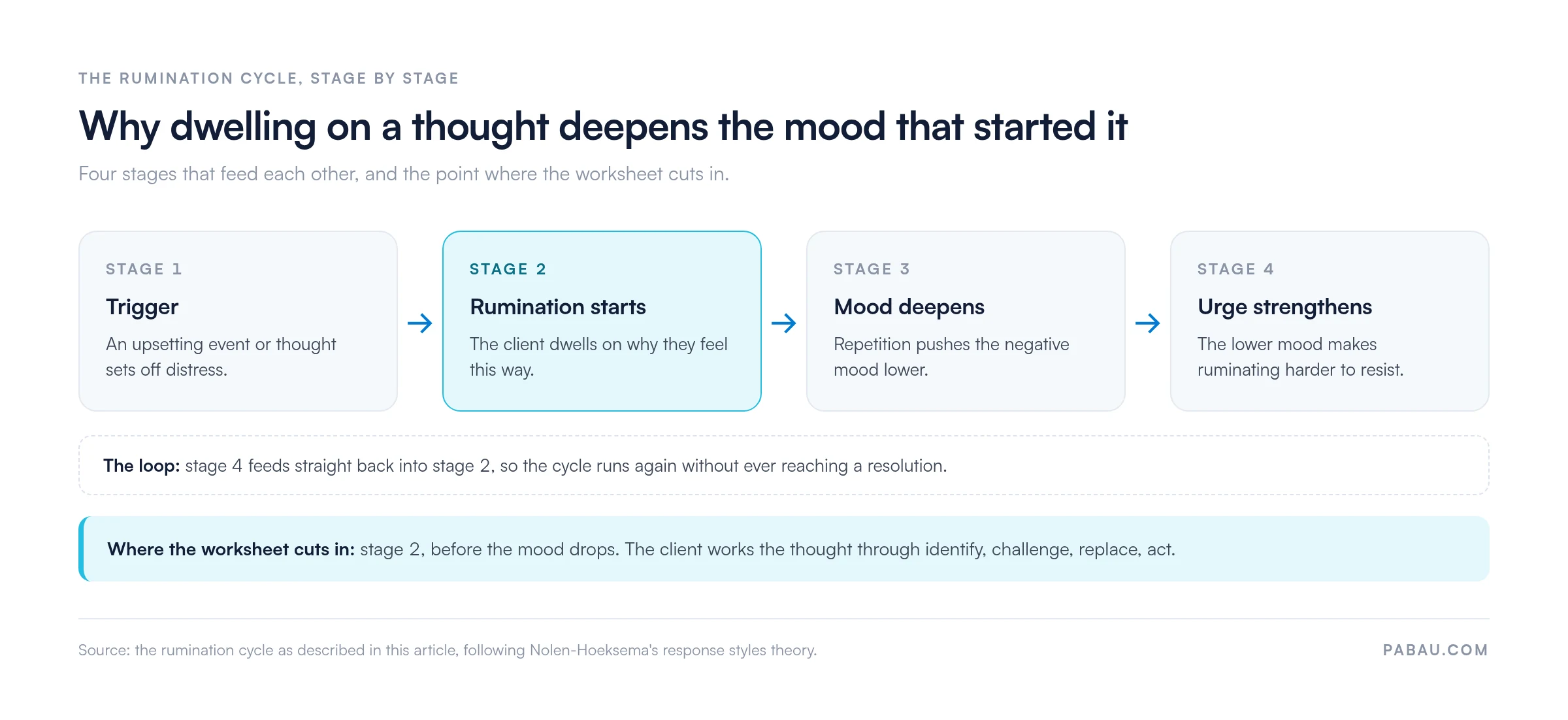
Rumination looks backward at what already happened, while worry looks forward at what might happen, and each one needs a different tool. Sorting the two at assessment saves a session of aiming the wrong intervention at the wrong pattern.
The four sections of the worksheet are not four separate exercises. They run in a fixed order, and naming that order helps clients follow it without the form in front of them. We call it the Identify → Challenge → Replace → Act sequence, and every section below is one step in it.
Run the worksheet in session by explaining the cycle, picking one live thought, and working it through Identify → Challenge → Replace → Act together. The five steps below are the operational version of that sequence.
In practices we onboard, the step clinicians skip most often is the last one. The action step is what stops the client re-running the loop the same evening. That step earns its place even when the session is running short.
Below is one composite client thought carried through all four steps, in the plain language a client writes. She has replayed a missed work deadline for three days.
| Step | What the client writes |
|---|---|
| Identify | “I’m a failure at everything I do.” It started Monday when I missed the deadline, and it has been running since. |
| Challenge | Shame, and a flat mood since Monday. For: I missed the deadline and I let the team down. Against: I delivered two projects on time last month, and my manager asked me to lead the next one. |
| Replace | “I missed this deadline and I am struggling right now. I have also finished good work before, and this week is not the whole picture.” |
| Act | Text my sister on Wednesday instead of canceling again. |
Two rows in that example are worth pointing out to a client. The Replace row keeps the missed deadline in it, so the balanced thought stays believable. The Act row names a day and a person, so the decision is already made.
Sessions using the worksheet usually take 5 to 15 minutes. The variation comes from the client’s initial resistance and the complexity of the thought, not from the form itself.
Four established techniques sit inside the four steps. Knowing which is which lets you explain the form to a skeptical client with some authority, and adapt it when one step stalls.
The worksheet handles the thought a client brings to session. These four techniques handle the ones that show up at 11pm, when nobody is holding a form.
The grounding and mindfulness items work better on paper than from memory. Hand the client a grounding techniques worksheet alongside this one, so the late-night version has a script.
The worry exploration questions worth putting in that scheduled slot are the ones the worksheet already uses. Ask what part of this the client can act on tonight, and what genuinely cannot be decided until tomorrow. Whatever falls into the second group goes back on the log.
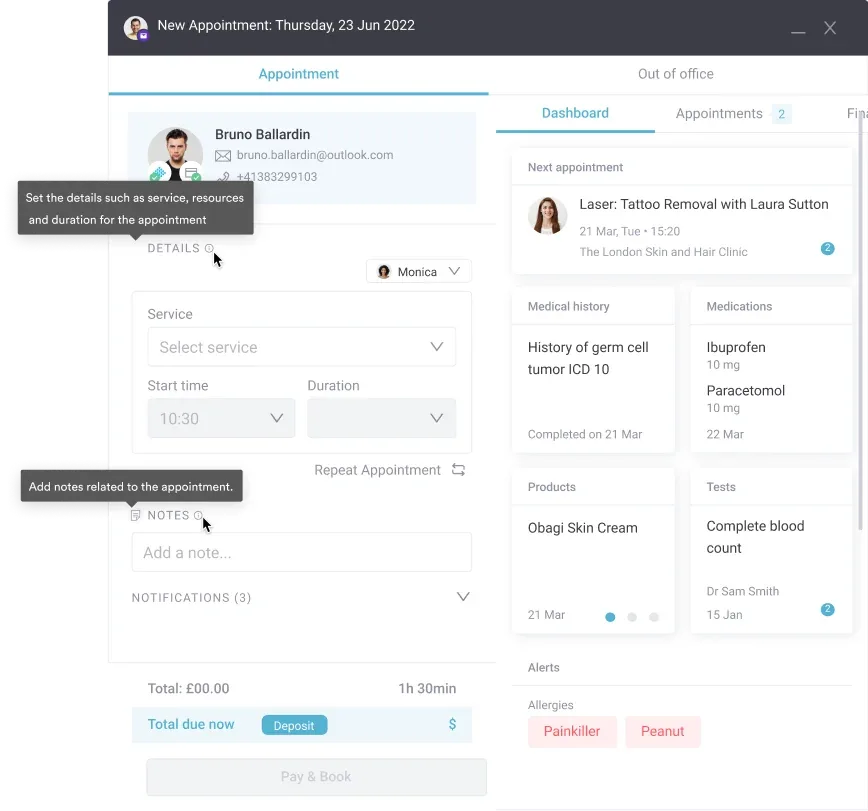
Between sessions, the reminder is what turns an agreed action into a completed one. Appointment reminders and portal notifications reinforce the commitment without another phone call from your front desk.
The worksheet suits therapists, psychologists, counselors, psychiatric nurses, and primary care clinicians who treat depression, anxiety, or rumination in adult clients. Settings range from a single-clinician private practice to an inpatient psychiatric ward.
Adults are the main audience. The wording, the examples, and the evidence-weighing step are all written for adult clients, and adult caseloads are where the form gets used most. It also works from around age 14 upward, where cognitive and language ability allows. Younger clients need simpler wording or a visual version of the same four steps.
The rumination worksheet PDF downloads from the box at the top of this page. No registration required, no email address, and no form standing between you and the file.
Print it for the room, or display it on screen during the session. You can also send it ahead through your secure client portal, so the client completes the Identify step at home. Arriving with the thought already written saves the first few minutes of the session.
A completed worksheet is clinical data, and it rarely lands anywhere the practice can use it again. The page goes home with the client, or gets scanned into a folder nobody opens. Either way, the pattern across six sessions never becomes visible.
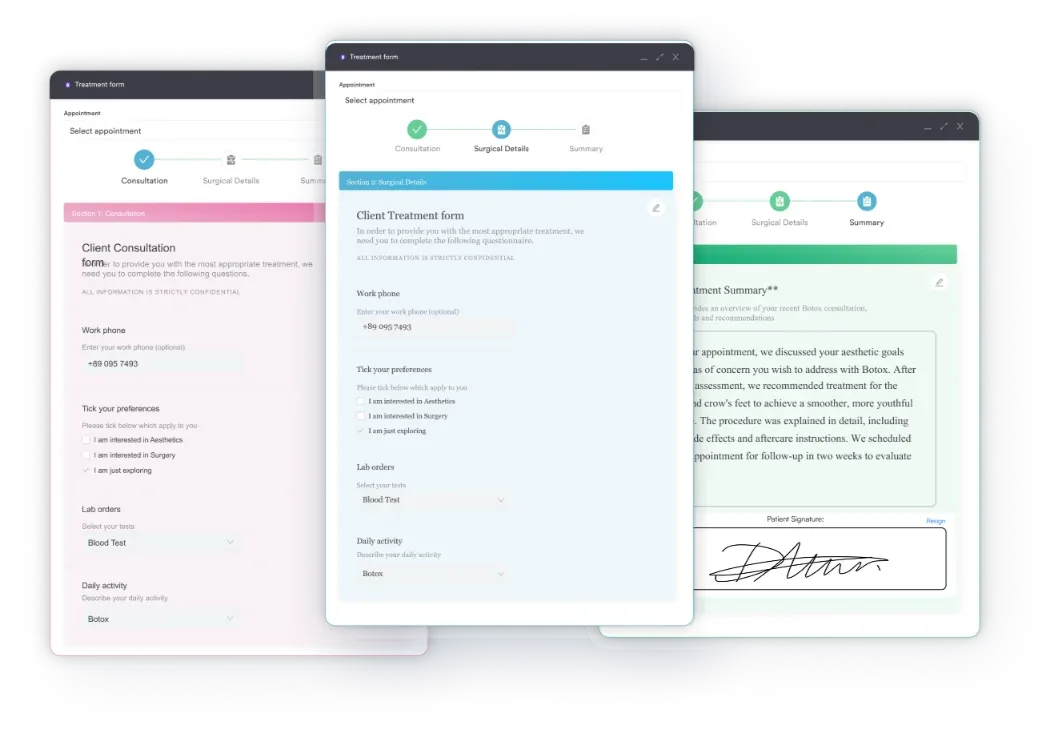
Pabau is an all-in-one system for therapy practice management, and it keeps the worksheet inside the client record rather than beside it. You upload the completed form to the client’s file and note which thought was addressed.
From there you link the form to the treatment plan and the session note. Pabau Scribe, our AI scribe, drafts that note from the conversation, so the write-up does not eat the ten minutes after the appointment.
The payoff shows up months later. When the same thought reappears in session nine, you can pull up what the client wrote in session two. Showing them the difference in their own handwriting lands harder than any summary. Attendance, worksheet completion, and symptom change all sit in one record, so progress becomes something you can point at.

Pabau stores clinical worksheets in the client file, links them to treatment plans and session notes, and tracks completion over time. You can see whether a client’s thinking is shifting without digging through a filing cabinet.

The worksheet earns its place because it names a sequence a client can repeat alone. Identify, challenge, replace, act is short enough to remember at 11pm, which is when it matters. Teaching the sequence is the goal. The paper is only the scaffolding.
The trade-off worth remembering is the Act step. Clinicians drop it when time runs out, and it is the step that carries the change out of the room. Pair the worksheet with a psychiatric evaluation template at intake and you get both the formulation and the weekly work in one file.
Download the worksheet, run it in your next three sessions, and see which clients bring the sequence back without prompting. Book a demo to see how Pabau keeps completed worksheets and session notes together in one client record.

Need a structured mental health intake before the first worksheet? Psychiatric evaluation template gives you the assessment framework that sets up the formulation this worksheet then works inside.
Stuck on the Challenge step? Cognitive distortions worksheet names the thinking patterns behind the thought, so the evidence columns have something to push against.
Need more room for the Act step? Behavioral activation worksheet turns one agreed action into a weekly plan the client can follow between sessions.
Wondering what to suggest between sessions? Coping skills for depression covers the techniques that support the worksheet when the client is on their own.
A ruminating thoughts worksheet is a structured CBT form that walks a client through four steps. They name the repetitive negative thought, weigh the evidence for and against it, write a balanced alternative, and commit to one action. The sequence interrupts rumination, the passive repetitive thinking pattern that keeps depression and anxiety running.
Ruminating thoughts are repetitive, passive thoughts about distress, its causes, and its consequences that never arrive at a decision. Clinicians also call them ruminative thoughts. The ruminating thoughts definition they work from is narrower than everyday overthinking, since it requires the repetition to be passive. They differ from worry because they look backward at what has already happened, rather than forward at what might.
In practice, largely yes. Overthinking is the everyday word for the same overthinking cycle that clinicians call rumination. Either form asks the client to name the thought, weigh the evidence on both sides, and commit to one action. The clinical version simply uses the diagnostic language.
A typical run takes 5 to 15 minutes. The variation comes from the client’s readiness and the complexity of the thought. Some clients move through all four steps quickly, while others need most of that time on the challenge step alone.
Both are CBT tools. A thought record is broader, tracking situations, thoughts, emotions, and behaviors across a longer timeframe. This worksheet is narrower and built for one job: interrupting a rumination cycle inside a single session, with an action step attached.
Yes. Rumination is most strongly associated with depression, but many anxious clients ruminate too, usually about past social interactions or perceived failures. The four steps work the same way on either presentation.
Yes. Thought challenging, cognitive restructuring, and behavioral activation are core components of cognitive behavioral therapy. NICE and the major psychological associations treat that therapy as the first-line psychological treatment for depression and anxiety. The worksheet puts those techniques into a format a clinician can use in one sitting.
Yes. Clinicians routinely change the language, the font size, and the cultural examples to match their caseload. Keep the order intact, because the four steps only work as a sequence: identify, challenge, replace, act.