Emotional awareness worksheet
An emotional awareness worksheet is a structured psychoeducational tool that hel...

3
Last Updated: Oct 16, 2026

DSM-5 has no diagnosis called psychopathy, so clinicians document the behavior as conduct disorder in under-18s and antisocial personality disorder in adults.
Conduct disorder criterion A needs three of 15 behaviors in the past 12 months, with at least one in the past six months.
The limited prosocial emotions specifier is the closest DSM-5 comes to callous and unemotional traits, requiring two of four characteristics for 12 months.
Antisocial personality disorder needs three of seven criterion A features since age 15, plus an age of 18 and childhood conduct disorder.
The Hare PCL-R is a separate forensic instrument, not a DSM-5 diagnosis, and it is not what this checklist covers.
Two printable pages holding the DSM-5 conduct disorder criteria A to C, all 15 behaviors, and the onset, severity, and limited prosocial emotions specifiers. Page two carries the antisocial personality disorder criteria A to D plus a clinician details block.
Download templateIf you are looking for psychopath criteria in DSM-5, you will not find them under that name. Instead, the manual splits that presentation by age. Conduct disorder covers the years before 18, and antisocial personality disorder covers adulthood from there.
The patient’s age and childhood history decide which set you score, not how the presentation feels in the room. That matters, because either diagnosis follows a patient into school records, child protection referrals, and court.
You get both criteria sets in full below, along with the specifiers and the three age thresholds that link them. The last sections cover how the checklist works in a session, and where it usually goes wrong.
DSM-5 contains no diagnosis called psychopathy. The manual covers the same territory with two disorders split by age. Conduct disorder describes the pattern in children and adolescents, and antisocial personality disorder describes it from age 18 onward.
Section III of the manual adds an alternative model of personality disorders. That model lets a clinician record antisocial personality disorder with psychopathic features, marking low anxiety and a bold, dominant interpersonal style. It sits in the section reserved for models that need further research, so it is not the everyday coding route.
The practical answer for a clinical record is the one the downloadable checklist reflects. You document observed behaviors against the conduct disorder or antisocial criteria, then note the specifiers that capture callousness.
Practices running mental health EMR software can hold those criteria as a structured form rather than free text.
Conduct disorder is diagnosed when a repetitive, persistent pattern of behavior violates the basic rights of others or major age-appropriate norms and rules.
You have to satisfy three criteria. Criterion A sets the behavior count, criterion B sets the impairment test, and criterion C sets the age boundary.
Criterion A requires at least three of 15 behaviors in the past 12 months, with at least one present in the past six months. The behaviors fall into four groups, and the three can be drawn from any combination of them.
Aggression to people and animals (seven behaviors)
Destruction of property (two behaviors)
Deceitfulness or theft (three behaviors)
Serious violations of rules (three behaviors)
Two of those items carry their own age qualifier. Staying out at night and truancy only count toward criterion A if the behavior began before age 13.
Criterion B asks whether the behavior causes clinically significant impairment in social, academic, or occupational functioning. Behavior that meets the count in criterion A but leaves school, work, and relationships intact does not satisfy this criterion. Record the impairment, not just the incidents.
Criterion C states that if the individual is 18 or older, the criteria for antisocial personality disorder must not be met. Conduct disorder can still be diagnosed in an adult, but only where the adult criteria fall short. This is where the two sets of criteria meet.
Three specifiers sit under the conduct disorder criteria, and the checklist gives each one a row of checkboxes. Onset and severity are recorded on every diagnosis. The third is the one that matters most to a question about psychopathic traits.
This specifier requires at least two of four characteristics, shown persistently over at least 12 months and across multiple relationships and settings. The four are:
The two-of-four rule and the 12-month window separate this specifier from a single callous remark in a session. It is also the closest DSM-5 comes to the callous and unemotional traits described in psychopathy research.
Antisocial personality disorder is the adult diagnosis, and it carries four criteria rather than three. Criterion A lists seven features and requires three of them. Criteria B, C, and D then set the age, the developmental history, and one exclusion.
Criterion A describes a pervasive pattern of disregard for and violation of the rights of others, present since age 15. You have to document three or more of the following seven features:
The remaining three criteria set conditions rather than symptom counts.
Criterion C is where adult assessments stall. Without a documented history of conduct disorder before age 15, the antisocial criteria are not met, however clear the adult pattern looks.
That history usually comes from collateral sources. School records, family accounts, and earlier clinical notes carry the most weight here. A note that names its source is worth more than one that does not.
Side by side, the two sets differ on more than the age they apply to.
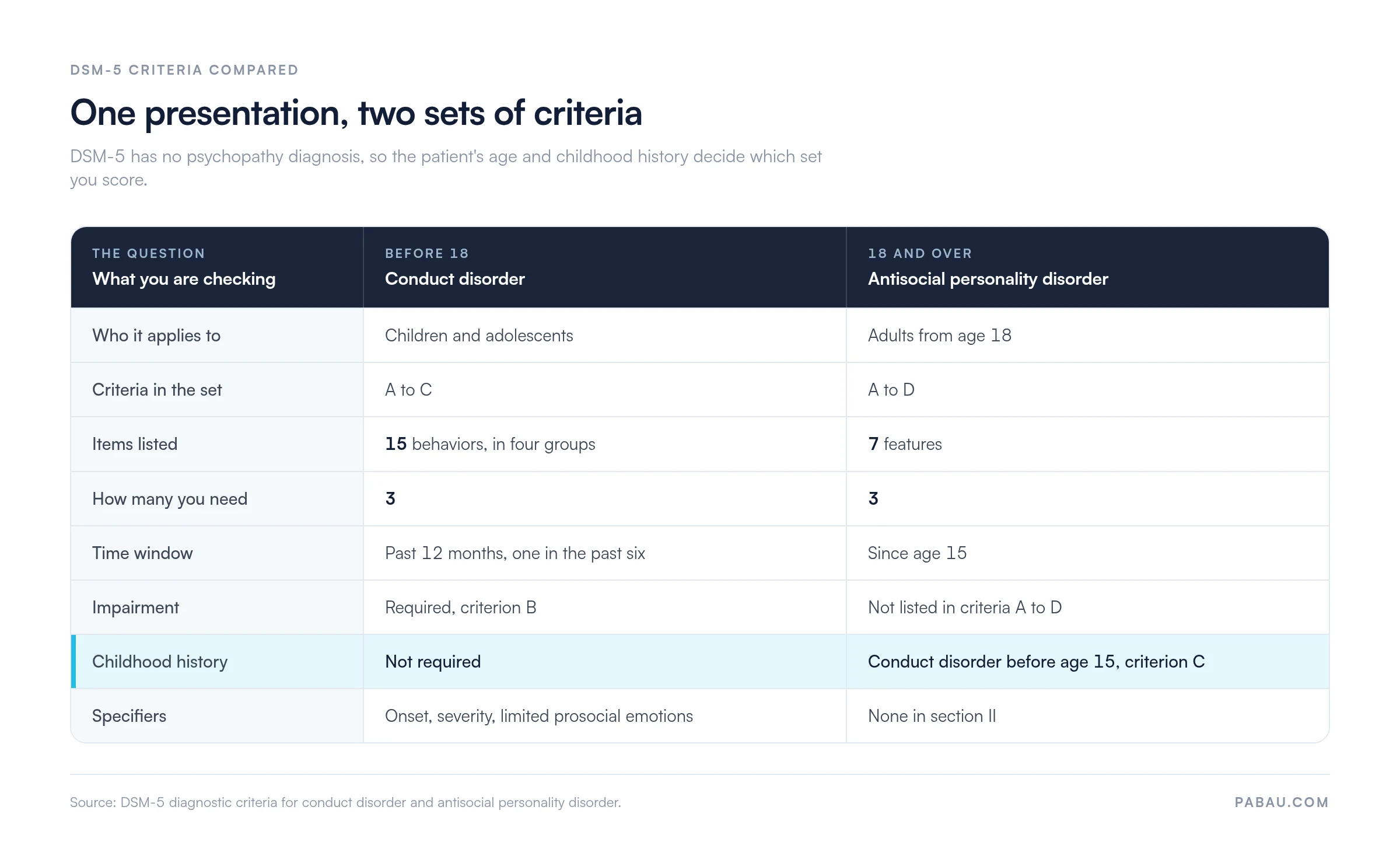
The two criteria sets are not alternatives to pick between. They form a sequence, and three age thresholds govern it. Each one decides something different about the diagnosis you can record.
Working forward, this is why a conduct disorder diagnosis at 16 is not a forecast of antisocial personality disorder at 25.
DSM-5 notes that most people diagnosed with conduct disorder show remission of symptoms by adulthood. Working backward, it is why an adult assessment cannot skip the childhood history.
The specifiers are what carry prognostic weight in between. Childhood onset and the limited prosocial emotions specifier both mark a more persistent course.
That is why the checklist asks for each one explicitly, rather than leaving it to the narrative.
The Hare Psychopathy Checklist-Revised is a separate forensic instrument, not part of DSM-5. It is a 20-item rating scale used mainly in forensic risk assessment, and scoring it requires instrument-specific training. This template does not contain it.
If a court report or a formal risk assessment calls for the PCL-R, that is a referral to someone trained to score it. For a diagnosis in a clinical record, the DSM-5 criteria on this checklist are the relevant ones.
Work the checklist as a documentation aid, not as a script to read out. The behaviors are historical facts, so most boxes get filled from collateral sources rather than the patient’s own account.
Five habits keep the completed form defensible months later:
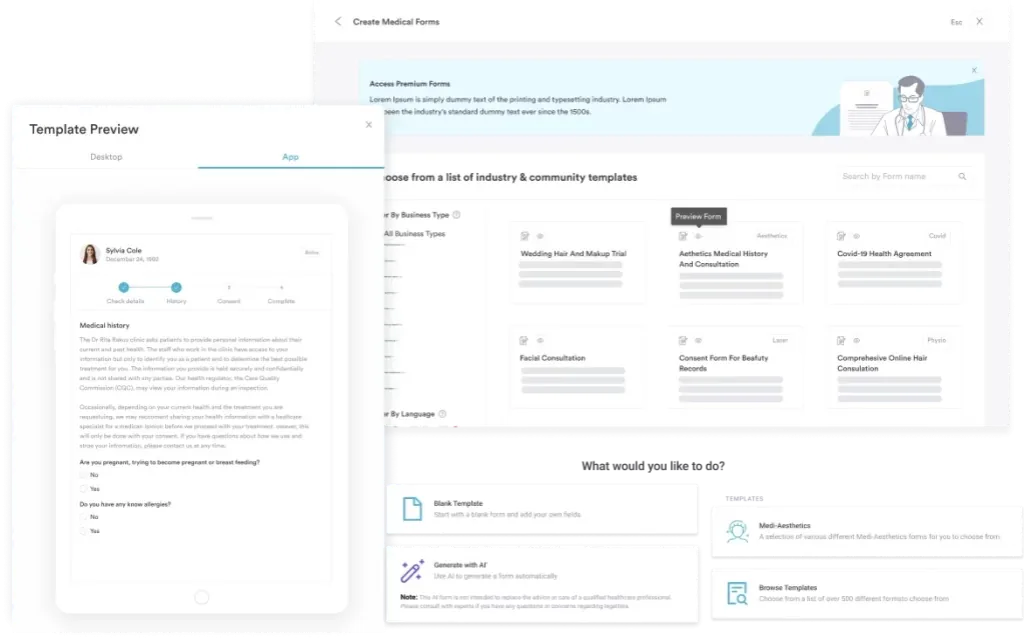
Paper copies work for a single session, but they leave the criteria outside the record. Digital intake forms in practice management software like Pabau let a clinician fill it in on a tablet. The checklist then files against the client’s record the moment you save.
The criteria themselves are not hard to read. The qualifiers attached to them are what get dropped. Each mistake below costs the diagnosis its footing.
Each of these is easier to catch on a structured form than in a narrative note. That is the practical case for filling the checklist in as you go, rather than writing it up afterward.
This is a documentation aid for qualified clinicians, and it is not a self-diagnosis tool. The PDF says as much on its final page, and the reason is practical. A conduct disorder or antisocial personality disorder diagnosis carries legal, educational, and child protection consequences.
Two more points belong in the note. Diagnose only within your own scope of practice and licensure. When you assess a minor, record who gave consent and who was present in the room.
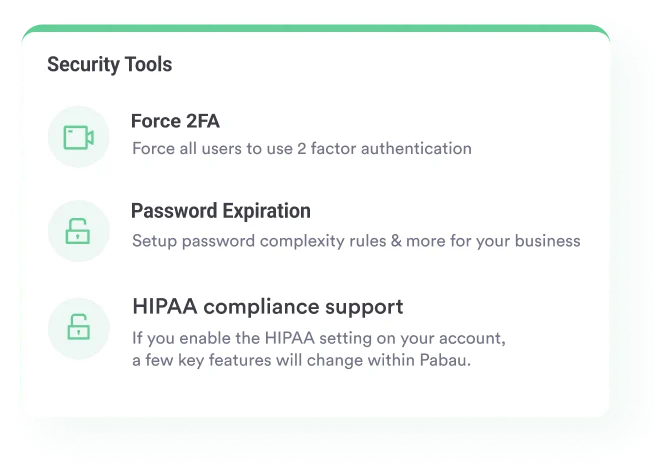
These records also sit at the sensitive end of the scale, so storage matters. Compliance management software that logs who opened a file, and when, keeps an audit trail behind a diagnosis this consequential.
Plenty of practices run this checklist on paper or in a PDF, then type a summary into the note. The checked boxes stay outside the record, so the next clinician sees a conclusion with no evidence behind it.
Pabau holds the checklist as a custom clinical form instead. Each criterion becomes its own field, and the completed form attaches to the client’s file. The specifiers stay searchable rather than buried in free text.
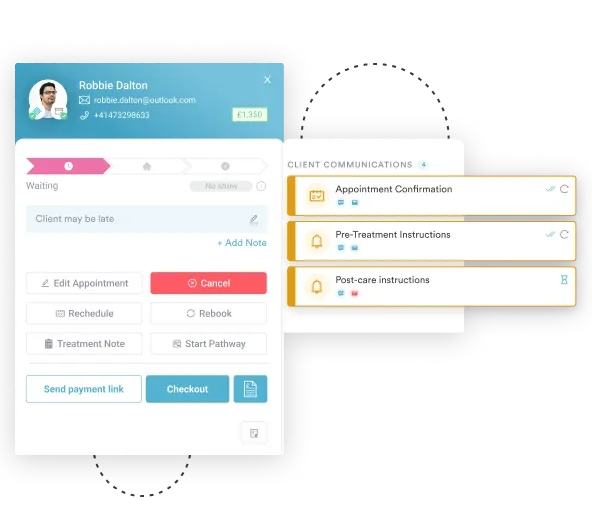
That matters for the age gates. When the intake form, past notes, and correspondence sit in one file, the onset question has an answer you can cite. Automated reminders then chase the review appointment and the collateral information you are still waiting on.
Because the form sits inside software for therapy practices, the assessment lives beside the calendar and the billing. There is no second tool to keep in step.

Pabau turns the conduct disorder and antisocial checklists into custom clinical forms that file against the client record. Onset dates, specifiers, and impairment notes stay searchable for the next assessment.

Score the set the patient’s age points to, and date every behavior you check. That is the part that survives a second reading, whether the reader is a colleague, a school, or a court.
The trade-off worth remembering is that these criteria describe conduct, not character. A completed checklist tells you what a person has done, and when. It does not forecast what they will do next. DSM-5 is clear that most conduct disorder symptoms remit by adulthood.
Download the checklist, and keep the completed copy where the rest of the assessment lives. Book a demo to see how Pabau files DSM-5 criteria against the client record and keeps the audit trail intact.

Assessing an adult rather than a minor? The antisocial personality disorder test works through the adult criteria on their own.
Need the structured interview behind the diagnosis? The SCID-5 assessment template covers the interview clinicians use to confirm a DSM-5 diagnosis.
Documenting the wider psychiatric picture? The psychiatric evaluation template gives you the assessment structure this checklist slots into.
Is impulsivity the dominant feature? The UPPS impulsive behavior scale breaks impulsivity into five subscales you can score.
Neither term appears in DSM-5. Both are informal labels for behavior the manual codes as antisocial personality disorder. A clinical record should carry the diagnosis, not the label.
Conduct disorder uses F91.1 for childhood-onset type, F91.2 for adolescent-onset type, and F91.9 when onset is unspecified. Antisocial personality disorder is F60.2.
Not always. Oppositional defiant disorder often comes before childhood-onset conduct disorder, but many children never progress to it. DSM-5 also allows both diagnoses at once.
Yes. Attention-deficit/hyperactivity disorder is one of the conditions most often found alongside conduct disorder, and DSM-5 allows both. Document each set of criteria separately.
No medication is licensed for it. Treatment usually targets the conditions that sit alongside it, such as substance use, plus structured psychological work. Progress tends to be slow.
No. The 2022 text revision reworked the explanatory text around both disorders. The diagnostic criteria for conduct disorder and antisocial personality disorder stayed the same.