Emotional awareness worksheet
An emotional awareness worksheet is a structured psychoeducational tool that hel...

4
Last Updated: Oct 16, 2026

A progressive muscle relaxation script is a guided therapeutic tool that helps patients systematically tense and release muscle groups to reduce anxiety and physical tension.
PMR was developed by physician Edmund Jacobson in the 1920s. Clinical research supports it as an evidence-based relaxation technique for stress and insomnia management.
The standard PMR protocol covers major muscle groups sequentially with 5-10 second tension holds followed by 20-30 second release phases for maximum relaxation response.
Practice management software like Pabau lets therapists share downloadable PMR scripts through digital forms and a patient portal, then track completion automatically.
A ready-to-use guided script covering all major muscle groups from feet to face with tense/hold/release cues. Includes timing guidance for therapists leading group or individual sessions.
Download templateA progressive muscle relaxation script is a guided, evidence-based tool that therapists, counselors, and wellness practitioners can offer patients struggling with anxiety, stress, or insomnia. A structured script speeds up how quickly patients learn to recognize and release physical tension.
Originally developed by physician Edmund Jacobson in the 1920s, progressive muscle relaxation (PMR) teaches patients to methodically tense and release muscle groups throughout the body. This simple yet powerful technique is supported by decades of clinical research. It’s an effective intervention for anxiety disorders, PTSD, chronic pain, and sleep disturbances.
This guide covers what a progressive muscle relaxation script is and how to use one in clinical practice. It also shows how to adapt scripts for different patient populations, plus a free downloadable template you can share with patients immediately.
A progressive muscle relaxation script is a guided set of verbal instructions. It walks a patient through a systematic sequence of muscle tensing and releasing exercises. The patient tenses each muscle group for 5-10 seconds, then consciously releases the tension. They notice the sensation of relaxation for 20-30 seconds before moving to the next muscle group.
The clinical value lies in teaching patients to distinguish between states of muscle tension and relaxation. Over time, this body awareness carries into everyday life. Patients begin to notice tension earlier and can initiate relaxation without the full script.
PMR is grounded in the physiological principle that the body cannot be both relaxed and tense at once. Deliberately inducing and then releasing tension activates the parasympathetic nervous system, the body’s “rest and digest” mode. This lowers heart rate, blood pressure, and cortisol levels.
Clinical psychology research consistently supports PMR for anxiety reduction, insomnia management, and chronic pain relief. It’s a staple intervention across mental health practices and wellness practices worldwide.
Using a progressive muscle relaxation script effectively requires attention to environment, pacing, and patient positioning. Here are the five key steps clinicians follow when introducing PMR to patients:
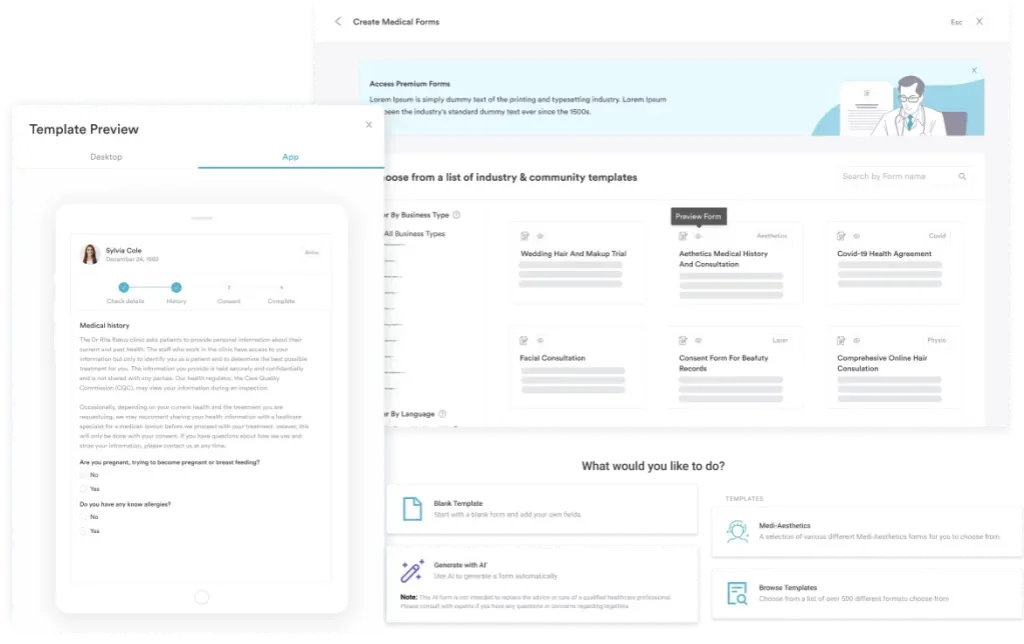
Clinicians using digital forms and patient portals can share a written progressive muscle relaxation script with patients for home practice. They can then track adherence through completion confirmations, turning a single session into an ongoing self-care tool.
A structured progressive muscle relaxation script is valuable across diverse clinical settings:
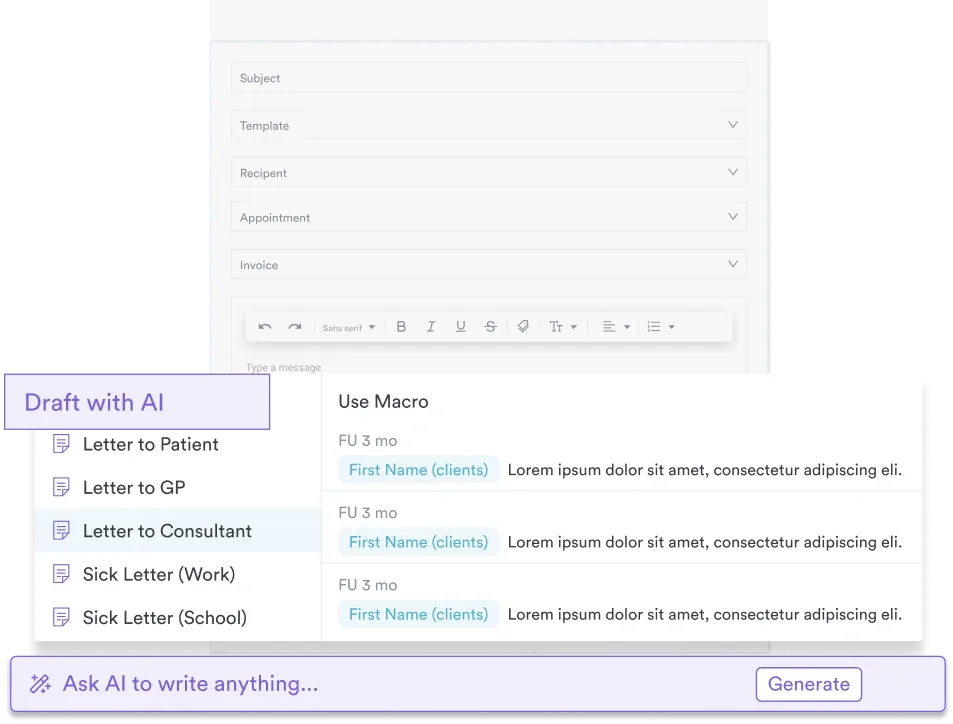
AI-powered clinical documentation can help therapists quickly record which relaxation techniques, including PMR, were introduced in each session. This builds a consistent treatment narrative for insurance and compliance purposes.
Clinical efficacy. PMR is supported by peer-reviewed research as an evidence-based intervention. Clinicians can confidently recommend it as a first-line or adjunct relaxation tool because efficacy data exists.
Accessibility and ease of teaching. Unlike some relaxation techniques, PMR requires no special equipment, apps, or music. A therapist with a script can lead a session anywhere: a practice, hospital, school, or community center. Patients also learn easily how to self-administer PMR at home.
Rapid symptom relief. Many patients report noticeable reduction in physical tension within a single 15-20 minute session. This quick positive experience increases engagement and homework compliance.
Physiological measurability. PMR produces observable changes in heart rate variability, muscle tension electromyography (EMG), and cortisol levels. This lets clinicians document patient progress and response to treatment objectively.
Scalability across populations. PMR can be adapted for children, adolescents, older adults, and patients with mobility limitations. Short variants fit into busy schedules; longer variants provide deeper relaxation for motivated patients.
Workflow integration. A downloadable progressive muscle relaxation script template embedded in your therapy practice management system ensures every therapist uses consistent language and structure. This reduces training burden and improves clinical outcomes.
Timing consistency matters more than script perfection. Record yourself leading a 20-minute progressive muscle relaxation script once, then play the recording during sessions. This removes pacing variability, allows you to focus on patient cues, and gives patients a consistent home-practice tool they already recognize.
Standard PMR protocols progress through 10-16 major muscle groups in a head-to-toe or foot-to-head sequence. The most common sequence used in clinical settings follows this order:
Total time for a full-body progressive muscle relaxation script covering all eleven groups ranges from 15-25 minutes. This depends on pause length and whether you include breathing transitions. Shorter 5-minute variants omit lower-body groups and focus on upper body and face.
A progressive muscle relaxation script can be adapted for specific clinical needs and populations. The most common variants include:
Full-body (15-25 minutes): Covers all muscle groups sequentially from feet to face. Best for initial therapy sessions and for patients with significant baseline tension or trauma histories. Creates the deepest relaxation response.
Short variant (5 minutes): Focuses on hands, arms, shoulders, neck, face, and breathing only. Ideal for busy practices, waiting-room anxiety reduction, school settings, or patients with limited time. Still produces measurable relaxation even in compressed format.
Sleep-focused variant (20 minutes): Uses slower pacing, longer release pauses, and softer language (“drift” instead of “relax”, “heavy” instead of “loose”). Often incorporates body-scan elements and hypnagogic imagery to transition the patient into sleep.
Adolescent variant (10-15 minutes): Uses contemporary language, shorter muscle groups, and relatable scenarios (“imagine releasing the tension from a tough exam day”). Avoids clinical jargon that might alienate teenage patients.
Accessible variant (15 minutes): Modified for patients with mobility limitations, pain, or paralysis. Uses isometric micro-tensing (tiny muscle contractions) instead of large movements, or alternates between tension and breathing without tensing. Automated workflow software can tag which script variant was used in each session, helping clinicians track outcomes by patient population.
Many practices still hand patients a printed progressive muscle relaxation script and hope they keep it. There is no record of whether the patient read it, practiced it, or had questions before the next session.
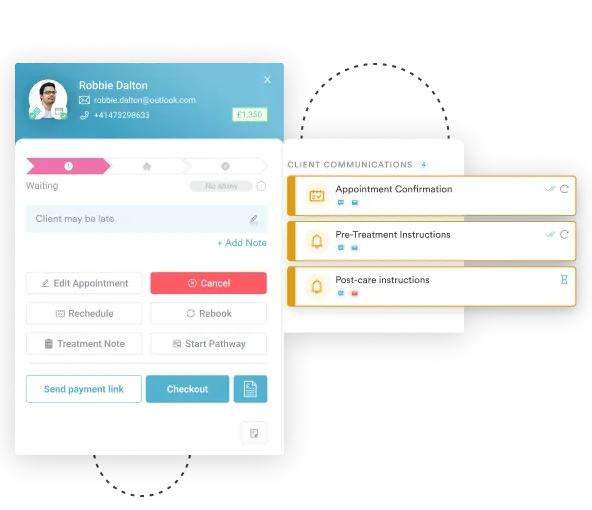
Pabau’s digital forms attach the script directly to a patient’s file and deliver it through the patient portal. Every patient receives the same version, regardless of which therapist sent it. The portal logs when a patient opens the document, giving the practice a completion record without extra admin work.
AI-powered clinical documentation can note which script variant a therapist used in a session. This keeps the treatment narrative consistent for insurance reviews and compliance audits, with less time chasing paperwork and more time with patients.

Pabau’s digital forms and patient portal deliver relaxation scripts, confirm when patients complete them, and keep a compliance-ready record of every session.

A progressive muscle relaxation script is a straightforward, evidence-based tool that transforms how patients experience their bodies and manage anxiety. Whether you’re treating generalized anxiety, helping insomnia patients wind down, or supporting PTSD recovery, PMR delivers reliable, measurable results, often within a single session.
Download the free template above and begin introducing PMR to your patients. Book a demo with Pabau to see how digital forms and patient portals track relaxation-based interventions. This makes them a seamless part of your clinical workflow.

Need a quick reference for client education? SOAP notes for social work covers how to document relaxation interventions in your clinical records.
Want to integrate relaxation into broader anxiety management? Mental health EMR helps therapists organize every anxiety-focused intervention, PMR included, in one practice management platform.
Looking for other guided wellness resources? Therapist burnout prevention explores how clinicians can model self-care practices like PMR for their own wellbeing.
Progressive muscle relaxation is a relaxation technique developed by physician Edmund Jacobson in the 1920s. You systematically tense and release muscle groups throughout your body, teaching the nervous system to tell tension from relaxation. Research shows PMR reduces anxiety, stress, and insomnia.
A full-body progressive muscle relaxation script typically takes 15-25 minutes depending on pacing and the number of muscle groups covered. Short variants can be completed in 5 minutes, while sleep-focused versions often run 20-30 minutes to deepen relaxation.
Yes. Children ages 6 and up can learn PMR with age-appropriate language and shorter scripts (5-10 minutes). For very young children (under 6), simplified body-awareness activities work better. School counselors and pediatric therapists frequently teach PMR to manage anxiety and improve focus.
Yes. Multiple clinical trials show PMR reduces symptoms of generalized anxiety disorder, panic disorder, and social anxiety. It’s considered a first-line non-pharmacological intervention by major mental health organizations and is especially effective when combined with cognitive-behavioral therapy (CBT).
Progressive muscle relaxation was developed by Dr. Edmund Jacobson, an American physician, in the 1920s. He published his foundational work, Progressive Relaxation, in 1929. Jacobson discovered that deliberately tensing and relaxing muscles activates the parasympathetic nervous system and produces measurable stress reduction.