Nutrition intake form
A nutrition intake form is a structured questionnaire that records a patientR...

2
Last Updated: Oct 22, 2026

The original cabbage soup diet 7-day plan pairs unlimited fat-free cabbage soup with one designated food group each day.
Day 1 is fruit only, Day 5 adds lean protein, and Day 7 closes with brown rice and vegetables.
Almost all of the weight lost is water and glycogen rather than fat, and no controlled trial supports the plan.
Screen every patient for pregnancy, diabetes, kidney disease, and eating disorders before you issue the week.
The free template below structures the pre-plan screen, daily adherence notes, agreed substitutions, and the post-diet transition.
A dietary planning template with the classic soup recipe, the food rules for all seven days, and portion guidance. It also carries fields for the pre-plan screen, daily adherence notes, agreed substitutions, and the post-diet transition.
Download templateThe original cabbage soup diet 7-day plan is a week of unlimited fat-free cabbage soup. One food group joins it each day. Patients bring it into consultations constantly, usually after finding a version on a recipe blog.
Almost all of the weight it shifts is water and glycogen, not fat. So the clinical value sits in how you screen for the plan, document the week, and handle the days after it. What follows is the recipe, the daily rules, the screening you owe the patient, and the transition that decides whether the loss holds.
At its core the plan is a short-term, calorie-restricted week built around a fat-free homemade cabbage soup. Patients eat as much of the soup as they like.
Alongside it, each day permits one narrow set of foods. The rotation runs fruit, then vegetables, then lean protein, then whole grains.
Versions of the diet have circulated since the 1980s. Common names include the wonder soup diet and the Sacred Heart diet. No clinical organization claims authorship. Simplicity is what makes it stick, since there is one recipe, one week, and one rule a day.
The soup is fat-free by design. No oil or butter goes into the pot, and herbs, garlic, and pepper do the seasoning work.
Confirm the patient has the recipe before you hand over the daily rules. The standard version makes a large batch, enough to last several days in the fridge.
Combine the ingredients in a large pot and bring to a boil. Simmer for 20 to 30 minutes, until the vegetables soften. Patients rarely get the recipe wrong. What trips them up is portioning, so the template leaves room for recipe adherence notes and any substitution you allow.
The daily rules are what patients search for, so put them in front of them early. Every day allows unlimited cabbage soup plus one designated group. Water sits at 6-8 glasses daily across the whole week.
Print the table, or issue it inside the patient record, so both of you are working from the same week. Recording a baseline before Day 1 matters just as much, which is where the template starts.
The template is a documentation framework, not a set of patient-facing meal cards. Dietitians, nutritional therapists, and weight management practitioners work through it in five steps. Timing matters more than wording.
Laid out against the calendar, the documentation arc runs longer than the diet itself.
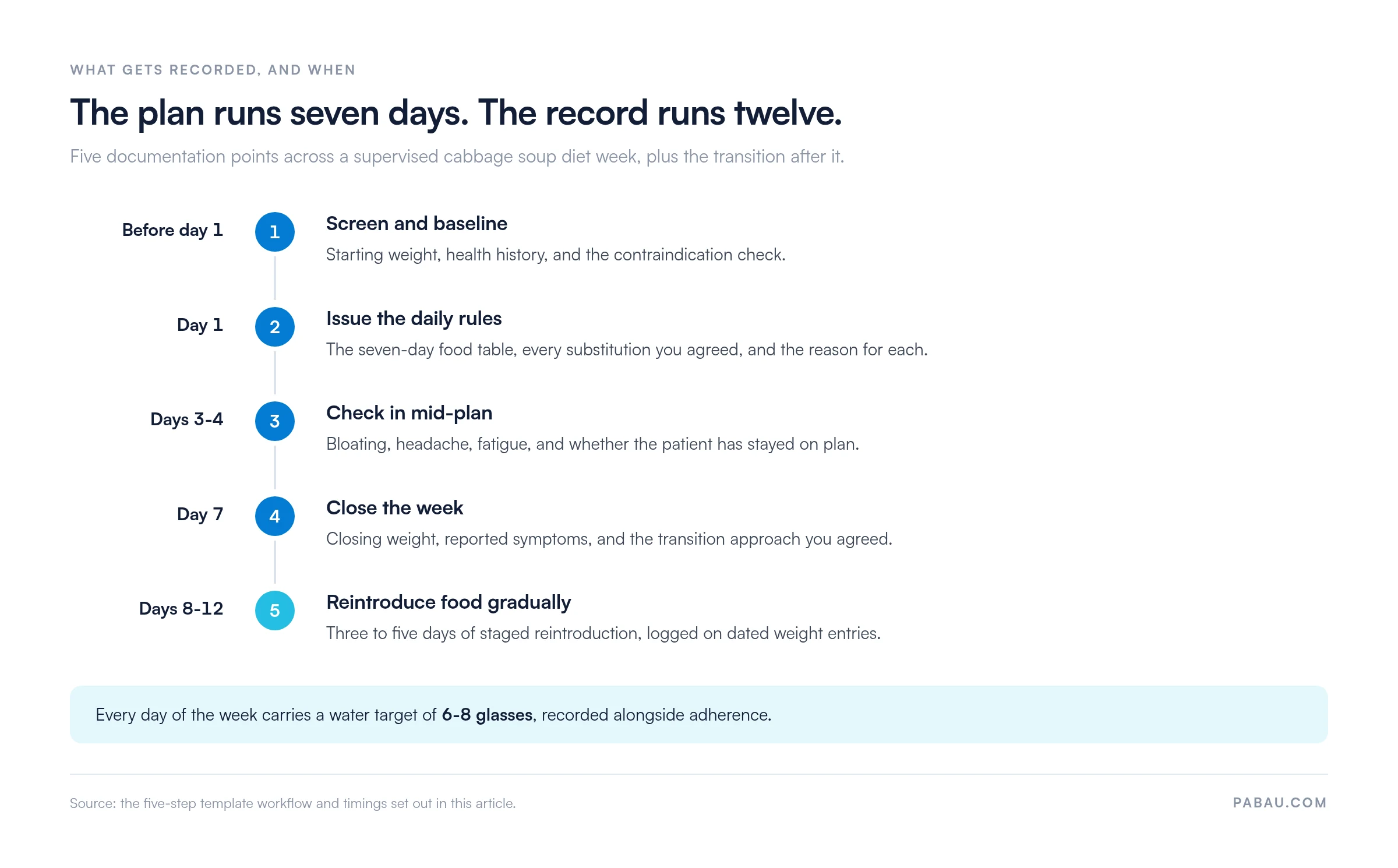
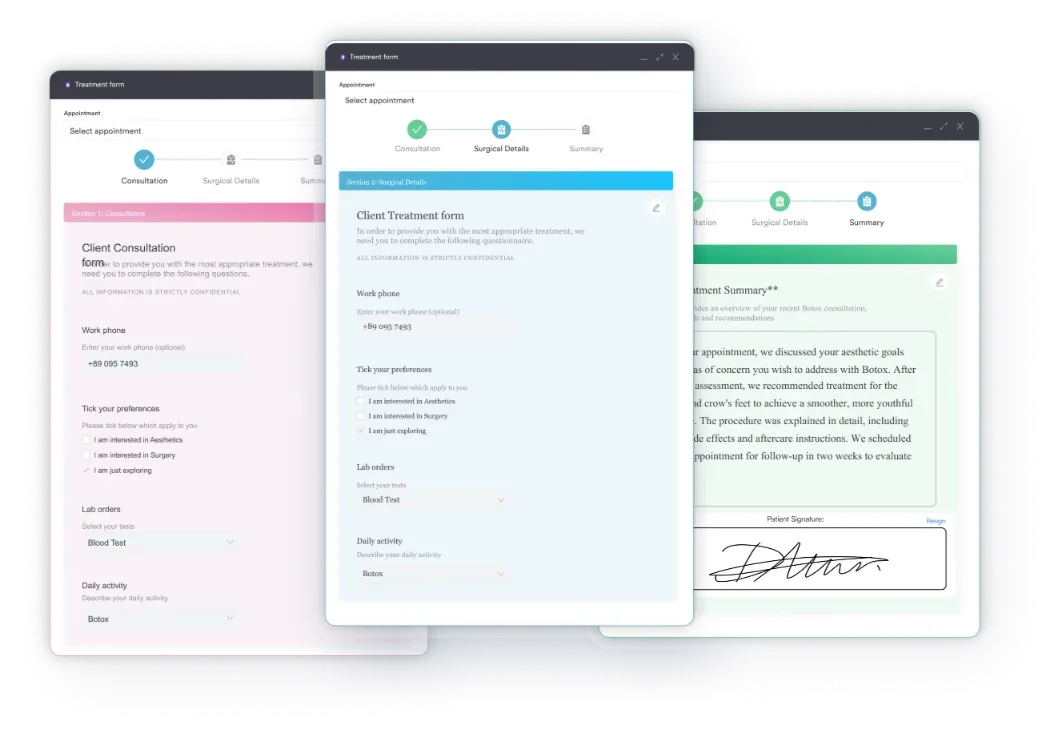
Practice management software like Pabau can carry the pre-plan screen as a digital intake form. The answers then land in the patient record instead of on paper.
The plan works as a time-limited reset only. Its duration is the safeguard, so treat seven days as a ceiling rather than a starting point.
Weight management practices see it most, usually from patients who want a visible drop before a procedure or a wedding. Nutritional therapists and registered dietitians field the same questions and need a reviewed version to hand over. Primary care teams get asked about it too, and a template beats an off-the-cuff verbal answer.
Functional, integrative, and longevity practices sometimes fold short resets into a broader protocol. Metabolic health software gives those teams somewhere to keep the diet week next to the biomarker trend it sits inside.
Any one of these rules out the week. Document the check itself, not just the outcome, so the record shows you asked.
The plan runs at roughly 500 to 800 kcal a day, which is a steep deficit by any measure. Guidance from the National Institute of Diabetes and Digestive and Kidney Diseases is the useful benchmark here.
Cutting 500 to 1,000 kcal a day typically produces 0.5 to 1 kg of loss per week. The cabbage soup week cuts deeper, so the scale moves faster, but most of that movement is water and glycogen.
For the practice, the benefit is the paperwork rather than the physiology. A structured template gives you consistent notes and a recorded contraindication screen. It also hands the patient a version they cannot improvise around. Plus the audit trail supports clinical governance.
Cabbage does bring something useful. A half-cup of cooked cabbage carries roughly 2 g of fiber. It also supplies approximately 15-20% of the daily recommended vitamin C intake, per USDA FoodData Central. Across the full week, though, the plan still falls short on protein and most micronutrients.
Batch-cook the cabbage soup at the start of Day 1 and portion it into airtight containers for Days 1-4. A full recipe makes roughly 8-10 servings and refrigerates well for four days. Cover this at the first consultation, because a patient with no soup in the fridge on Day 3 stops on Day 3.
This week’s side effects should not surprise you. Tell the patient what is coming before Day 1, and record that you did, using the template’s risk disclosure section.
Rebound is the one worth flagging hardest. Because most of the loss is water, a patient who returns straight to old habits regains within days.
The Academy of Nutrition and Dietetics files the cabbage soup diet under fad diets, and comparable registered dietitian bodies agree. Their reason is the absence of controlled trial evidence for lasting weight loss. Frame it that way in the notes. Point patients who want trial evidence toward a DASH diet plan or a Mediterranean pattern.
Nearly every version of this diet online ends at Day 7. The transition is where a practitioner adds something a recipe blog cannot, and the template has a section for it.
Reintroduce food over three to five days. Start with easily digestible protein such as eggs, fish, or legumes. Complex carbohydrates like oats, quinoa, and sweet potato come next. Jumping straight back to a standard diet after a week of soup usually causes stomach discomfort.
Keep weighing through the transition. Dated entries let you separate water re-absorption from a genuine change, so give every entry its own date.
Use the post-diet consultation to set a target the patient can hold. The Dietary Guidelines for Americans give a workable baseline for a long-term eating pattern. For patients who want structure rather than a free hand, a 30-day meal plan is the natural next step. Anyone with more complex needs belongs with a registered dietitian for longer-term work.
Most practices run this plan across three places. The screening questions sit on a paper form and the weights live in a spreadsheet. Transition advice often exists only in whoever ran the consultation.
Pabau pulls those three into one client record. Digital intake forms capture the pre-plan screen. Measurements tracking holds every dated weight, from baseline through the transition window. Automated follow-ups book the Day 3 check-in, so nobody has to chase it.
The result is a diet week that reads as one continuous record rather than three scattered notes. When the patient comes back in six months asking about the plan again, the history is already there.
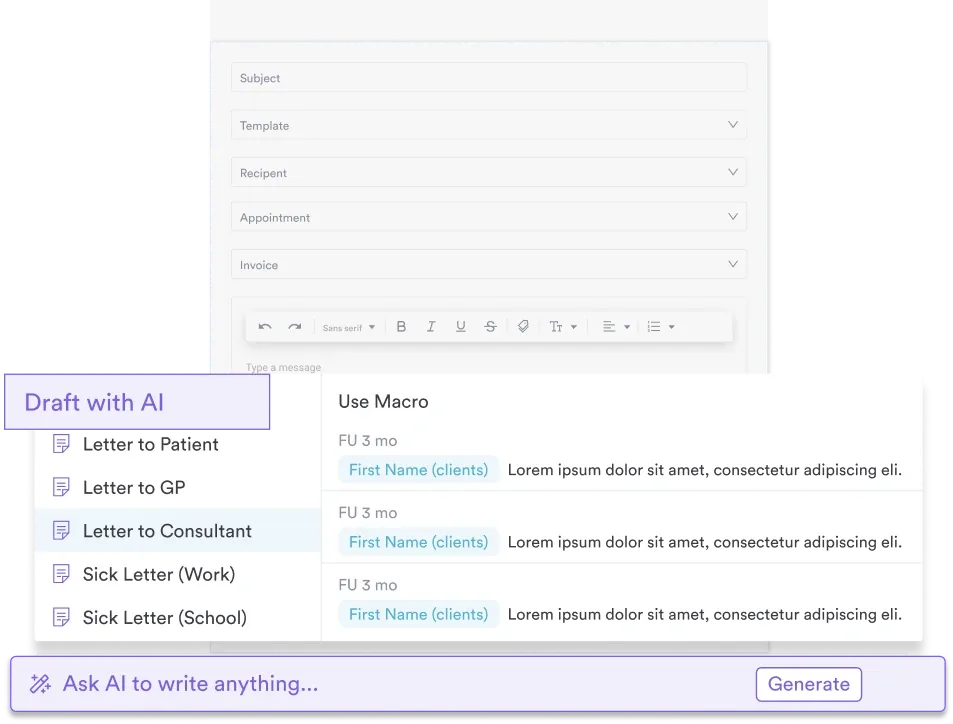

Pabau gives weight management and nutrition practitioners one platform for patient records, digital intake forms, measurements tracking, and automated follow-up workflows. No paperwork, and no missed check-ins.

The cabbage soup diet will keep arriving in your consultation room whether or not you recommend it. So the useful question is how well you document the week when a patient decides to try it.
Screen properly, write down the substitutions, and plan the transition. Do that and you have given the patient something a recipe blog never will. Skip the transition and you have documented a week of water loss.
Download the free template above for a practice-ready structure covering the pre-plan screen, daily adherence, and the post-diet transition. Book a demo to see how Pabau holds that record in one patient file.

Need a documentation format for nutrition consultations? ADIME note template gives you an assessment, diagnosis, intervention, and monitoring structure for dietitian notes.
Looking for a plan the patient can hold for longer than a week? 30-day meal plan for weight loss sets out a month of structured eating with practitioner review points.
Want an alternative with controlled trial evidence behind it? DASH diet plan lays out a seven-day template built for blood pressure and long-term adherence.
Need a middle ground between one week and one month? 2 week diet plan covers two weeks of structured meals with documentation fields for review.
Commonly cited figures run from 4 to 7 kg, or about 10 lbs. No controlled trial supports that number, so present it as anecdotal. Most of it returns once normal eating resumes.
Yes. Most versions allow unsweetened black coffee and plain tea, with no milk or sugar. Water stays the main drink, at 6-8 glasses a day.
Keep it light. At 500 to 800 kcal a day there is little fuel for hard training. Walking and gentle stretching are enough, so advise against a heavy session on Days 1 to 4.
It can. Cabbage is high in vitamin K, which affects how warfarin works, and this plan pushes intake up sharply. Check anticoagulant use at screening and involve the prescribing clinician first.
Traditional versions suggest a two-week break between rounds. Repeating it back to back extends the low protein intake, which raises the deficiency and lean mass risks. Once is usually enough.