Fun journal prompts for adults
Fun journal prompts for adults are short, open-ended questions that make sitting...

Last Updated: Oct 6, 2026

A honesty worksheet is a printable, two-page form that walks an adult client through structured self-reflection on where and why they struggle to be honest.
The worksheet moves through self reflection, understanding patterns, exploring impact, insight and motivation, goal setting, and progress and reflection, finishing with space for additional notes.
It includes one question on how honesty aligns with personal values, but it is a single generic adult worksheet, not a scenario-based exercise, a children’s version, or a dedicated values-identification tool.
Pabau, practice management software for therapy and counseling practices, lets therapists send, collect, and store completed honesty worksheets directly inside each client record.
A ready-to-use, two-page printable worksheet that guides an adult client through self reflection, understanding patterns, exploring impact, insight and motivation, goal setting, and progress and reflection, with space for additional notes. Ready to hand to a client in therapy or counseling.
Download templateMost people know honesty matters. Far fewer have sat down and examined where, why, and with whom they struggle to be honest. A structured honesty worksheet closes that gap, giving therapists and counselors a reliable tool for turning an abstract value into concrete, guided self-reflection. This page covers a free, printable two-page worksheet designed for adult clients in individual therapy or counseling, along with how to use it well.
This guide explains what the worksheet covers, how to introduce and debrief it with a client, and where honesty work fits into a wider treatment plan. It is written for practitioners, not patients, and should be used alongside, not instead of, professional therapeutic care.
A honesty worksheet is a structured, guided document that helps a client examine their relationship with truthfulness, integrity, and authentic self-expression. It goes beyond “tell the truth” to explore the gap between stated values and actual behavior, and why that gap tends to show up in specific situations.
According to the Collaborative for Academic, Social, and Emotional Learning (CASEL), honesty is a core component of responsible decision-making and relationship building. In therapeutic contexts, honesty work underpins many evidence-based approaches. The worksheet format gives that work structure, so it does not become an unfocused, open-ended conversation.
The downloadable worksheet above is a single, two-page adult self-reflection form. It moves through seven sections, plus a place to capture the client’s name and date:
It is a generic adult template, so you may still want to adjust language for a specific presentation, such as a client working through relationship difficulties versus one working through a specific disclosure. Practitioners in psychology practices often introduce it as one tool inside a broader treatment plan rather than a stand-alone exercise.
The five steps below reflect standard clinical practice for introducing, completing, and debriefing this worksheet. Adapt the sequencing based on your client’s readiness and the clinical context.
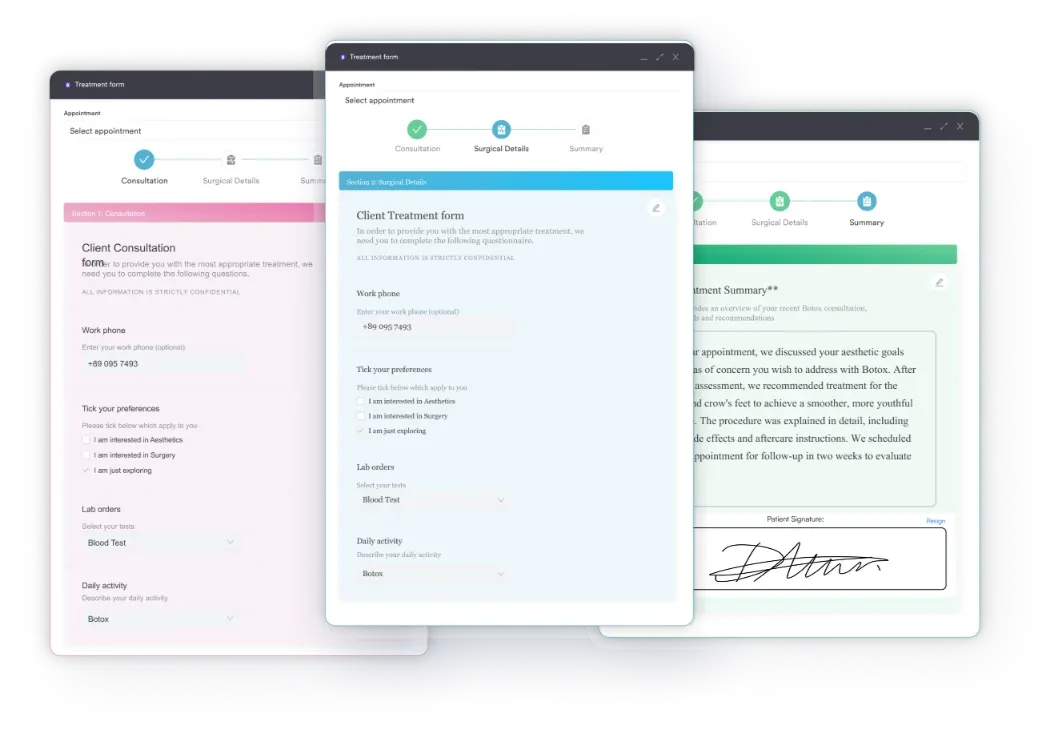
Therapists using digital intake forms can send the honesty worksheet to a client before a session, so debrief time goes to insight rather than form completion.
A structured worksheet offers something open conversation alone often cannot: a written record the client can return to between sessions.
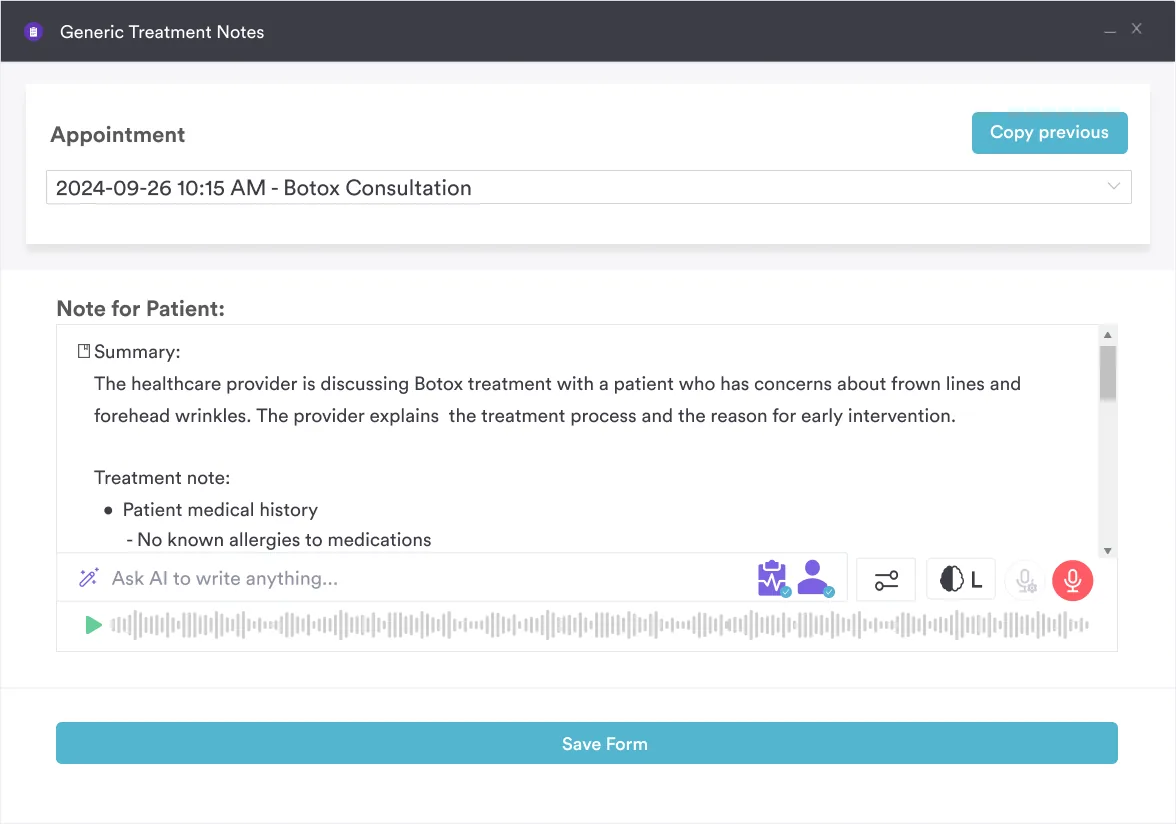
For practitioners managing high caseloads, a completed worksheet also becomes a clinical documentation asset. Notes drawn from a client’s own written responses carry more weight in treatment planning than a session summary alone. Practitioners using AI-assisted clinical documentation tools can combine worksheet responses with session notes to build a richer, more accurate client record in less time.
Specific benefits across practice contexts:
A patient management platform stores every completed form against the right patient record automatically.
Honesty work also comes up often outside general therapy, particularly in addiction recovery, where dishonesty tends to run through multiple relationships at once: with family, with employers, and with oneself. The Substance Abuse and Mental Health Services Administration (SAMHSA) identifies honest self-appraisal as a prerequisite for sustained recovery, and 12-step traditions build on this through concepts like the HOW acronym (Honesty, Open-mindedness, Willingness).
The worksheet on this page is a general adult self-reflection form, not a recovery-specific or 12-step tool, but it can still be a useful bridge in early recovery: a low-stakes, private way for a client to practice honest self-examination on paper before attempting the same disclosure in group sharing or a sponsor conversation. Counselors working in therapy practice management settings sometimes use it this way alongside their own recovery-specific materials.
When introducing this worksheet to a client in early recovery, frame it as a private exercise first. Ask them to complete it at home and bring it to the next session sealed. The act of writing honestly before sharing builds the muscle for disclosure in higher-stakes moments.
Integrating a honesty worksheet into a clinical workflow requires more than printing a PDF. Practitioners need a reliable way to send it to clients before sessions, capture completed responses, and link them to the clinical record without creating a parallel paper trail.
Therapists using structured clinical note formats can cross-reference worksheet findings directly in their session documentation. A client’s written answers often surface a specific avoidance pattern or belief that belongs in the treatment plan, and capturing that link consistently strengthens the clinical record and supports continuity if the client moves to a different provider.
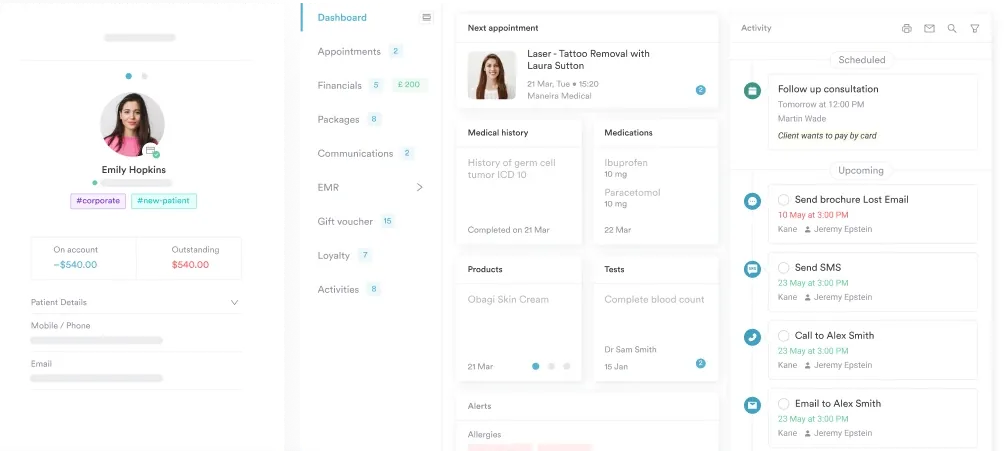
Pabau, practice management software for therapy and counseling practices, gives practices a way to centralize this. Pabau’s client record system lets a completed worksheet sit alongside session notes, treatment history, and outcome measures in a single view, reducing the risk that important worksheet data gets lost in a folder or email thread.
For practitioners conducting psychiatric evaluations, a honesty worksheet can complement formal diagnostic instruments by surfacing the client’s self-narrative before standardized testing begins, which often makes assessment findings more interpretable and treatment planning more targeted.
Practitioners managing client communication and session prep can also use automated workflows to prompt worksheet delivery at the right point in the care journey, reducing the admin of manual scheduling and follow-up.
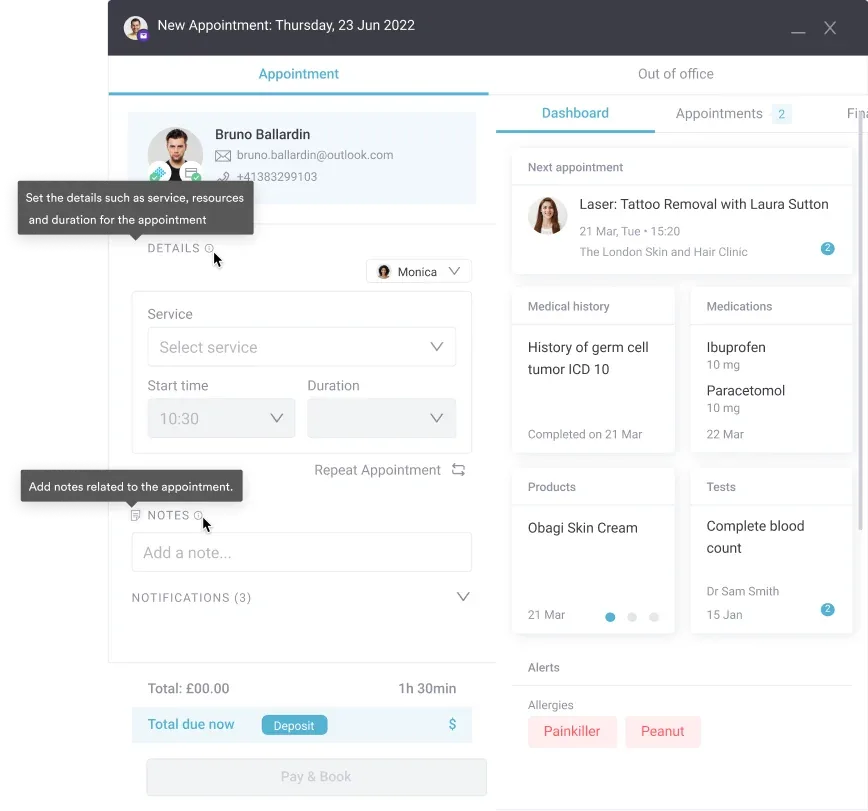

Pabau lets therapists and counselors send digital worksheets, capture responses, and link completed forms directly to client records, all without paper or manual filing.

Dishonesty, in its many forms, sits close to the center of what brings a lot of clients to therapy: broken trust, self-deception, shame, and avoidance. A single well-used worksheet will not resolve any of that on its own, but it gives a practitioner a structured, repeatable entry point into the territory, one a client can return to across several sessions rather than revisiting from scratch each time.
The value is in the routine as much as the form itself: hand it over consistently, debrief the patterns rather than individual answers, and land one concrete commitment before the client leaves. Pabau’s digital forms platform makes it straightforward to send, collect, and store honesty worksheets as part of every client’s record, without the friction of paper or a separate filing system. Book a demo to see how Pabau supports therapy and counseling practices in keeping this kind of clinical documentation organized.

Want to help a client set concrete goals? Life goal planner breaks goals into SMART steps with milestones and space for regular reviews.
Curious how clients explain their own struggles? Locus of Control Worksheet identifies whether a client leans internal or external, a pattern that predicts therapy outcomes.
Running therapy groups and need informed consent documentation? Group Therapy Informed Consent explains what to include, from confidentiality limits to participation boundaries.
A honesty worksheet is a structured document that guides a client through self-reflection on their relationship with truthfulness, integrity, and authentic behavior. The free printable version on this page is a two-page adult form covering self reflection, understanding patterns, exploring impact, insight and motivation, goal setting, and progress and reflection, used in therapy and counseling settings.
No. The downloadable worksheet is a general adult self-reflection form, not a recovery-specific or 12-step tool. It does not include HOW-framework, amends, or sponsor-based exercises. Some practitioners in recovery settings still use it alongside their own recovery-specific materials as a low-stakes way to practice written honesty.
Establish psychological safety first, then have the client complete the self reflection and understanding patterns sections independently before debriefing together. Focus the debrief on patterns across responses rather than individual answers, and close with one specific behavioral commitment the client can act on before the next appointment.
Honesty refers to accuracy in communication: telling the truth and avoiding deception. Authenticity is broader, covering alignment between a person’s internal experience and outward expression, including their values, emotions, and identity. A person can be technically honest while still suppressing their authentic self, which is why worksheets often touch on both.
The free honesty worksheet PDF at the top of this page is a two-page adult self-reflection form. It is downloadable immediately, without registration, and is suitable for therapy and counseling settings.