Hyperbole and a Half pain scale: Every level + free template
The Hyperbole and a Half pain scale is Allie Brosh’s humorous pain chart, ...

2
Last Updated: Oct 5, 2026

A gym exercise plan for beginners needs four training days a week, two of them full-body strength sessions.
Start at 2-3 sets of 10-12 reps per exercise, with 60-90 seconds of rest between sets.
Compound lifts like squats, rows, and presses do more for a beginner than any machine circuit.
Add 2.5-5 pounds, or one extra rep, once you can finish every set with clean form.
Two full rest days a week are part of the plan, not a reward for finishing it.
A five-day training week with the exercise list, sets, reps, and rest time for every session. It also carries a movement screen, a baseline strength test, and space to log your weights each week. The return-to-activity criteria are there for a client coming back from injury.
Download templateA gym exercise plan for beginners works best at four training days a week. Each session runs 2-3 sets of 10-12 reps per exercise, with 60-90 seconds of rest between sets. The five-day template below sets that out day by day, and you can download it as a PDF.
The week holds two full-body strength sessions, one cardio and mobility session, one upper-body session, and one day of active recovery. Two full rest days close it out. That shape holds for the first 12 weeks. What changes is the weight on the bar.
The plan also works as a handout. Trainers and physical therapists give it to clients who have never trained in a gym, then adjust the exercise list rather than the structure.
Three of the four training days involve lifting. Two of those are full-body sessions that hit chest, back, shoulders, arms, legs, and core. Full-body work suits beginners because it leaves a recovery day between every lifting session.
Log every session in a notebook or an app. You need to know what weight you used last time before you can add to it. That record is what turns four separate workouts into a plan.
Three terms define every beginner workout. Sets are how many times you repeat an exercise. Reps are the individual movements inside a set. Rest is the pause you take between sets.
A beginner workout plan built on those numbers will carry you through the first three months. The American College of Sports Medicine (ACSM) publishes position stands on resistance training that support these ranges.
Repeating the same weight, reps, and sets every week stops working. Your muscles adapt to the load and then stay where they are. Progressive overload means raising the challenge a little at a time so they keep adapting.
Add weight in small increments, usually 2.5 to 5 pounds per lift. Make the jump once you can finish every rep at your current weight with clean form. If the next weight up is too big a step, add one rep or one set instead, every one to two weeks.
Every beginner makes some of these. Knowing them upfront saves months of wasted effort.
If a twinge turns into pain that lasts more than a few sessions, stop and get it looked at. And if you can’t reach the gym for a week, switch to a home exercise program. Bodyweight versions of the same lifts keep the habit alive.
Recovery is when the adaptation happens. Muscle tissue rebuilds while you are away from the gym, powered by sleep, food, and a lower stress load. Beginners who train five or six days a week without those three usually stall or get hurt.
Two full rest days a week is the floor, not the target. On active-recovery days, keep the intensity low enough to hold a conversation. Hard intervals on a recovery day defeat the point of the day.
Sleep does more for you than any supplement. Aim for seven to nine hours a night, because muscle repair peaks during deep sleep. Protein matters too, at roughly 0.7 to 1.0 grams per pound of body weight a day.
Progress on a beginner plan is not steady, and the structure changes far less than the load does. The timeline below shows what to change in each block of weeks, and where the one real decision sits.
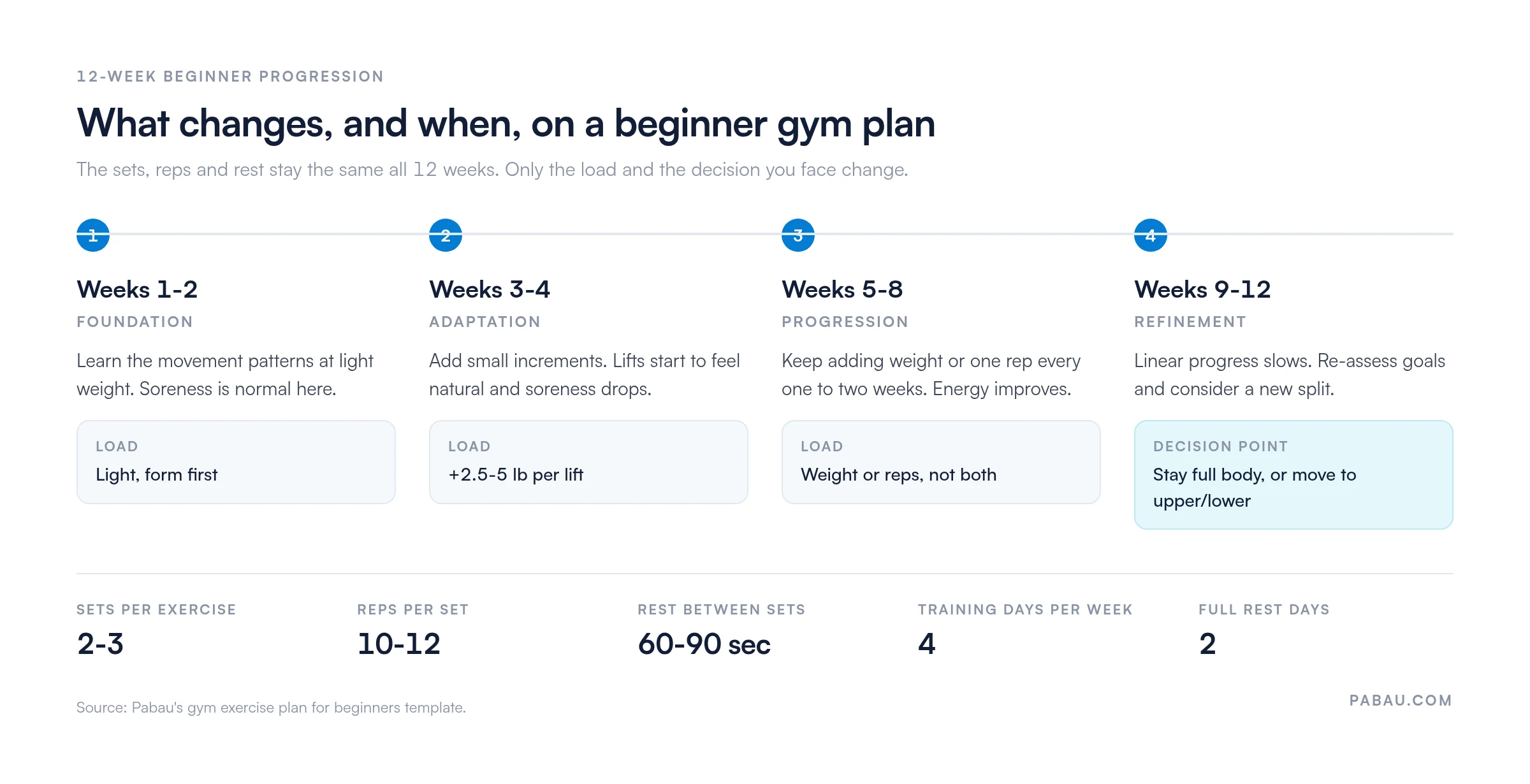
Weeks 1-2 (foundation): Master the movement patterns at light weight. Form should be clean before the weight goes up. Expect some soreness, which is normal and not an injury.
Weeks 3-4 (adaptation): Increase the weight slightly. The lifts start to feel more natural and the soreness drops off.
Weeks 5-8 (progression): Keep adding weight or reps. Energy improves through the day, and many people start to see some muscle definition.
Weeks 9-12 (refinement): Linear progress slows down. Re-assess your goals and decide whether to stay full body or move to an upper/lower or push/pull/legs split.
The week also clears the public health baseline. The CDC’s physical activity guidelines ask adults for 150 minutes of moderate activity a week, plus two muscle-strengthening days.
The core principles apply to every body. Women and men both build muscle through progressive overload, both need enough protein, and both need rest days. The old idea that light weight tones women while heavy weight bulks them up is wrong. Muscle responds to load, not to gender.
What varies is the goal and the starting point. A beginner runner may want more lower-body strength. Someone coming back from a shoulder problem may spend the first weeks on stability work before any pressing. A client chasing more conditioning can run a kettlebell exercise plan across the same four training days.
Trainers and physical therapists who hand this plan to a client usually change the exercise list, not the structure. A physical therapy EMR keeps each client’s movement screen, plan version, and session log in one record. The next appointment then starts from what happened in the last one.
Most gyms and physical therapy practices hand a plan like this over as a printout or an email attachment. The client mislays it, trains from memory, and nobody can say which week they are actually on by the time they come back.
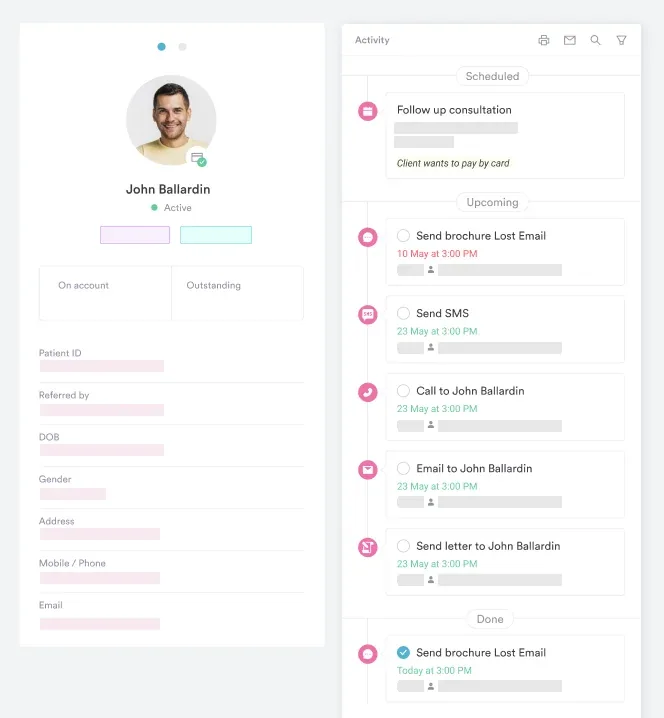
Practice management software like Pabau handles that differently. You attach the plan to the client’s record and send it from the same place you booked their session. Each session’s weights get logged against that record. Intake and consent forms go out before the first appointment, so the screening questions are answered before anyone touches a barbell.
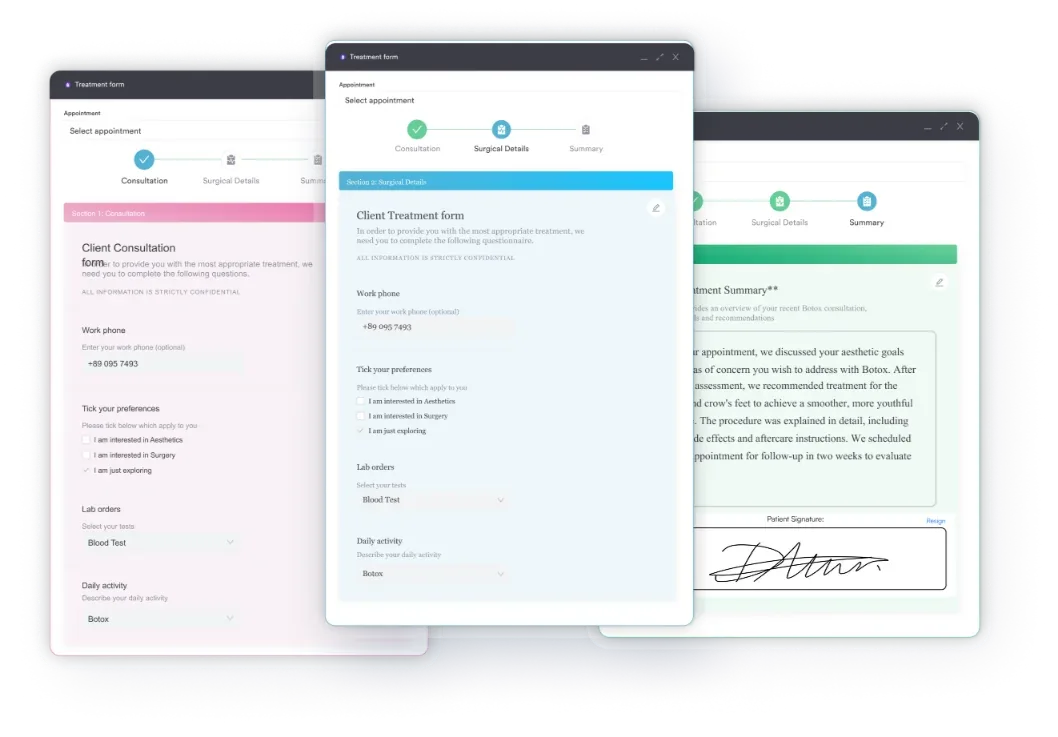
Automated messages cover the follow-up. A reminder goes out before the session, a check-in lands on a rest day, and a re-assessment prompt arrives at week 12. So you spend the appointment coaching, not chasing paperwork.
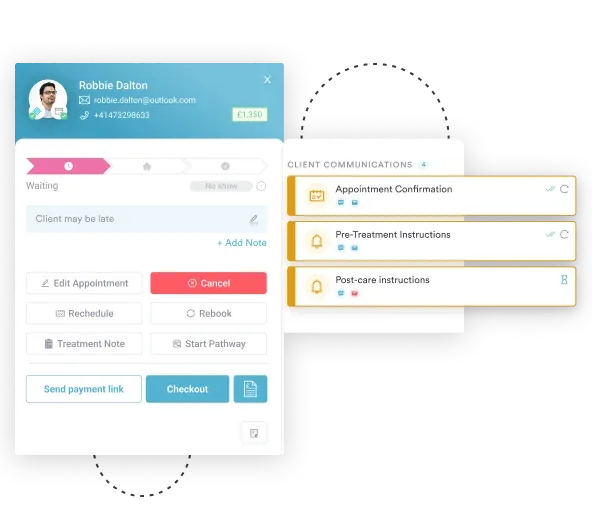

Pabau sends the plan, collects the intake and consent forms, and stores each session’s weights against the client’s record. Your trainers stop rebuilding plans from memory and start each appointment from the last one.

The plan is not the hard part. Showing up on the days it asks for, and adding a little weight when the last set starts to feel easy, is the hard part.
Give it 12 weeks before you judge it. If you reach week 8 still adding load with clean form, it worked, and it is time to pick a new split. If you keep missing sessions, cut back to three days rather than abandon the week entirely.
Download the template above and write your starting weights into it today. Book a demo to see how Pabau sends training plans, logs each session, and keeps client records in one place.

Working with an older client? Strength exercises for older adults adapts the loading and adds the balance work that age group needs.
Need a baseline before week one? Muscular strength test gives you a starting score to measure the next 12 weeks against.
Onboarding a new client? Personal training questionnaire collects goals, training history, and injury flags up front.
45-60 minutes is ideal. That covers a five-minute warm-up, six to eight exercises at 2-3 sets each, and a cool-down stretch. Longer sessions risk fatigue and poor form. Shorter ones leave too little stimulus for adaptation.
Yes. Do the strength work first, while your nervous system is fresh, then the cardio. That order protects your lifting performance and still leaves room to recover. Skip high-intensity cardio after leg day. Easy walking or cycling on a strength day is fine.
Pick up the next day with the next planned workout. One missed session doesn’t erase your progress. More than two weeks off calls for a deload week at lighter weight and higher reps before you return to your old numbers.
Start with full body. You get a recovery day between sessions and still hit every muscle group each week. After 8-10 weeks, switch to upper/lower across four days if you want more volume. Upper/lower suits intermediates better.
You should feel steady energy through the session, clear the soreness within 48 hours, and add weight or reps every one to two weeks. If you feel weak, stay sore all week, or stop gaining strength after four weeks, eat more. Add 200 to 300 calories a day and re-check in two weeks.