Waist-to-hip ratio chart: Risk bands for women & men (free PDF)
A waist-to-hip ratio chart sorts a patient’s waist-to-hip ratio (WHR) into...

2
Last Updated: Oct 14, 2026

A diabetes mellitus nursing care plan is a structured clinical document that guides nursing assessment, NANDA diagnoses, evidence-based interventions, and outcome evaluation for patients with diabetes.
The five most common NANDA diagnoses for diabetic patients are Risk for Unstable Blood Glucose Level, Deficient Knowledge, Imbalanced Nutrition, Risk for Infection, and Ineffective Self-Health Management.
Each nursing intervention must include both the action AND the clinical rationale, grounded in ADA guidelines and current diabetes management standards.
Pabau’s digital forms and automated workflows help nurses complete care plans faster while maintaining clinical accuracy and compliance with nursing documentation standards.
A comprehensive care plan template covering patient assessment, NANDA nursing diagnoses, evidence-based interventions with clinical rationale, measurable patient goals, and systematic outcome evaluation for optimal diabetes management.
Download templateA nursing care plan for diabetes mellitus is a clinical roadmap that translates evidence-based diabetes standards into actionable nursing interventions for each individual patient.
This guide walks nurses and nursing students through building a complete care plan, from initial assessment through outcome evaluation, using NANDA-I approved diagnoses and the care documentation tools built into practice management software like Pabau to streamline the process.
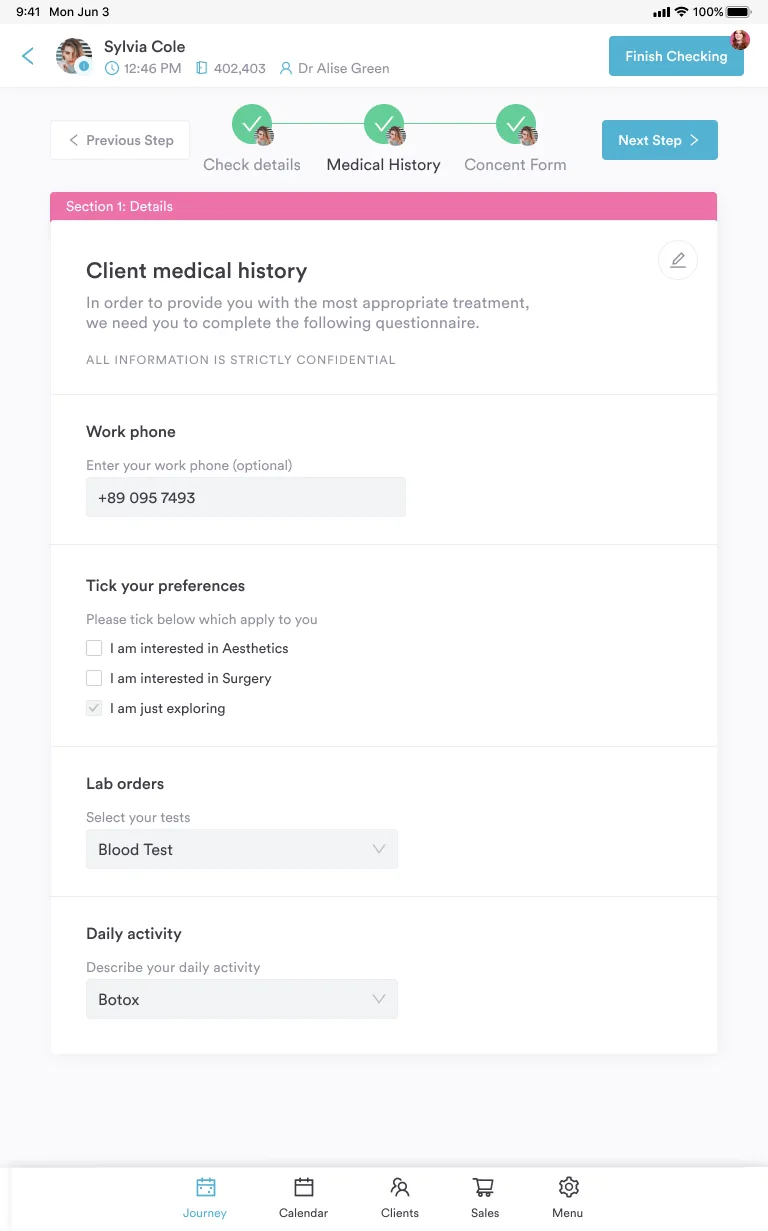
Diabetes mellitus is a chronic metabolic disorder characterized by hyperglycemia resulting from defects in insulin secretion, insulin action, or both. A nursing care plan for diabetes is a structured clinical document that standardizes how nurses assess, diagnose, intervene, and evaluate care for patients with Type 1, Type 2, or gestational diabetes.
Diagnosis typically follows an abnormal fasting glucose. Coders classify straightforward Type 2 cases as E11.9, while complications such as neuropathy or hyperglycemia shift both the diagnosis and the nursing interventions that follow.
Unlike a generic treatment protocol, a care plan is patient-specific. It documents the individual’s unique risk factors, comorbidities, social barriers to adherence, and response to interventions, creating a living document that guides the entire multidisciplinary team.
The care plan serves three critical functions: it ensures clinical safety through standardized monitoring, it supports regulatory compliance with documentation standards required by accreditation bodies (such as The Joint Commission), and it enables team communication so all clinicians (nurses, physicians, dietitians, and pharmacists) know the agreed-upon clinical goals and how to measure progress.
Building an effective care plan requires completing five essential steps in sequence. Each step grounds the next, so skipping or rushing through sections undermines the entire plan’s value.
Using Pabau’s automated documentation tools, nurses can save time on form completion while maintaining the depth and accuracy required for regulatory compliance and patient safety.
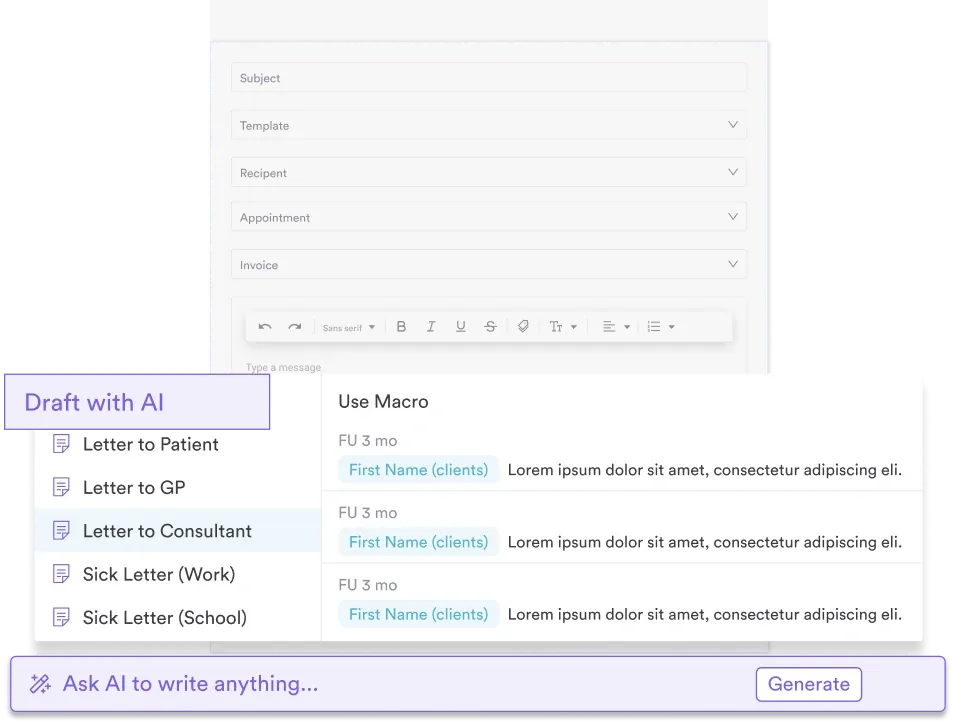
The most common NANDA-I approved nursing diagnoses for diabetic patients reflect the physiological, knowledge, and self-management challenges these patients face. Each diagnosis is supported by defined characteristics (signs/symptoms the patient exhibits) and related factors (the underlying cause).
Assessment is the foundation of the care plan. A thorough assessment uncovers both the patient’s clinical status and the barriers that will affect their ability to follow the care plan. During assessment, collect both objective data (lab values, vital signs, physical findings) and subjective data (patient’s understanding, beliefs, and self-care practices).
Documentation of assessment findings directly into a structured electronic care record ensures this critical information is immediately available to the entire team and reduces the risk of duplicate assessments.
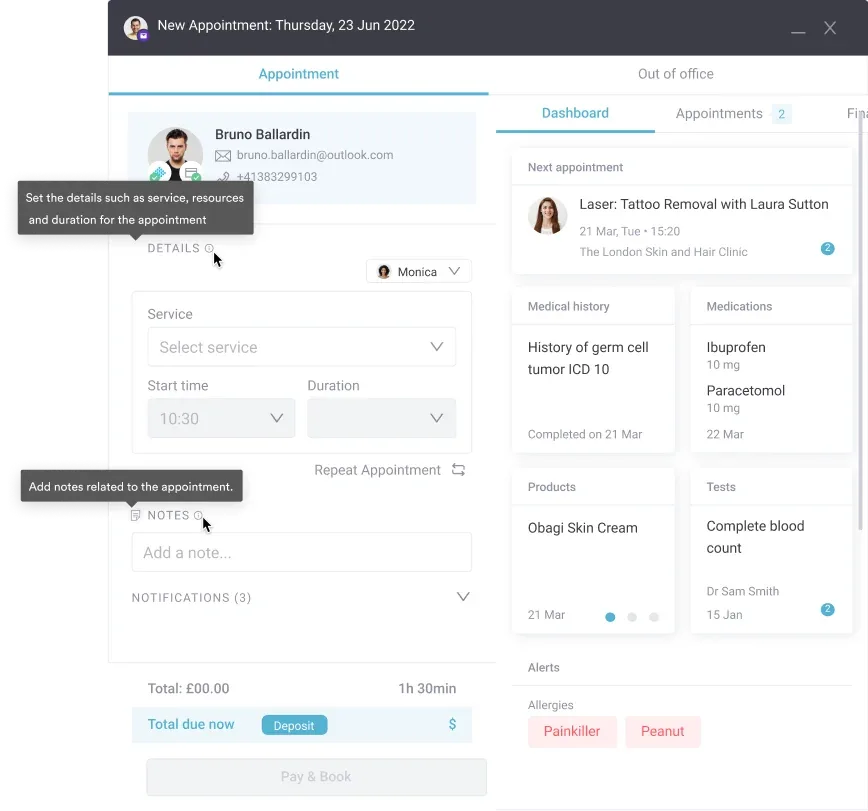
Nursing interventions for diabetes fall into five categories: monitoring, medication administration, patient education, foot care, and complication prevention. Each intervention must be grounded in evidence and the patient’s specific diagnosis.
Intervention: Instruct patient on self-monitoring of blood glucose (SMBG) at specified times (fasting, pre-meal, post-meal two hours, bedtime). Record readings in a patient-accessible portal for trend analysis.
Rationale: Regular glucose monitoring identifies patterns of hyperglycemia or hypoglycemia, enabling early detection of medication non-adherence or unmanaged stress. ADA guidelines recommend home glucose monitoring for all patients on insulin or certain oral agents. Persistent hyperglycemia severe enough to need escalation is billed as E11.65, a threshold worth flagging for physician follow-up.
Intervention: Teach correct insulin injection technique (site rotation, angle, depth); verify return demonstration. Confirm medication adherence at each visit.
Rationale: Incorrect injection technique reduces insulin absorption and effectiveness. Medication adherence is the strongest predictor of glycemic control and complication prevention.
Intervention: Inspect feet at every visit; teach daily foot inspection, appropriate footwear, and immediate reporting of breaks in skin. Refer to podiatry if ulceration or neuropathy present.
Rationale: Diabetic neuropathy. Early detection and intervention prevent amputation. Foot care is a critical complication-prevention strategy cited in CDC diabetes guidelines.
Patient education is a core nursing responsibility and a NANDA diagnosis on its own (Deficient Knowledge). Effective education must address not just the “what” but the “why” and the “how” in language the patient understands.
Goals must be patient-centered, measurable, and achievable. Work collaboratively with the patient to set goals that are meaningful to their life. Generic glucose targets without patient buy-in will not be sustained.
Set goals collaboratively with the patient, honoring their priorities and cultural context so glucose targets translate into changes they will actually sustain.

Pabau’s care plan templates and automated clinical documentation tools help nurses complete evidence-based care plans faster while maintaining accuracy. See how Pabau supports your documentation workflow.

Type 2 diabetes, the most common form, often develops later in life and is frequently accompanied by insulin resistance, obesity, and hypertension. Care plans for T2DM differ slightly from T1DM in emphasis: Lifestyle modification and oral hypoglycemics are typically first-line, with insulin added only if glycemic targets are not met. New patients with obesity-driven type 2 diabetes can start with a weight loss intake form to guide initial assessment.
Key nursing focus areas for T2DM:
Many T2DM patients require care coordination across multiple team members: Physicians, nurse practitioners, registered dietitian nutritionists, mental health specialists, and pharmacists. Document all referrals and recommendations in a shared centralized patient record to prevent duplication and ensure alignment.
Evaluation determines whether the care plan is working. At each planned review (typically weekly initially, then monthly), compare actual outcomes to the stated goals. Document whether goals were met, partially met, or unmet, and revise the plan accordingly.
Evaluation criteria:
If goals are not met, troubleshoot the barriers. Is the patient unable to access medications due to cost? Does cultural or religious belief prevent adherence? Is depression impairing motivation? Use telehealth consultations to reach patients who face transportation barriers and maintain continuity between in-person visits.
Care plan documentation has to satisfy three audiences at once: accreditation surveyors, state nursing boards, and the payers reimbursing the visit. Missing or vague entries create exposure on all three fronts, regardless of how sound the clinical judgment behind them was.
Each entry should capture:
Most EHR systems structure these fields as discrete, time-stamped entries rather than free text, since surveyors and payers look for a clear trail from assessment to intervention to outcome.
The Joint Commission requires documented care planning for inpatients, and many state boards set their own minimum charting standards for licensure. Payers reviewing diabetes self-management education or chronic care management claims expect the same trail: What was assessed, what was taught, and how the patient responded.
A downloadable reference like the CMS-1500 form is worth keeping alongside the care plan for practices billing diabetes self-management services directly.
A well-crafted diabetes mellitus nursing care plan is the difference between reactive crisis management and proactive, evidence-based care. By grounding assessment in structured data collection, matching NANDA diagnoses to actual patient findings, and defining measurable goals, nurses transform a generic template into a personalized clinical roadmap that improves outcomes and reduces complications.
The template gives you the structure. Your clinical judgment and patient partnership provide the content. Book a demo to see how Pabau’s care plan tools accelerate documentation and help your team deliver consistent, evidence-based diabetes care at scale.

Caring for a patient after bariatric surgery? bariatric food list template covers stage-by-stage food lists, protein-first guidance, and vitamin supplementation for bariatric patients.
Need to document metabolic lab results too? basic metabolic panel template documents eight core analytes with reference ranges for electrolyte and kidney function screening.
Managing digestive complications alongside diabetes care? bland diet food list guides patients toward easy-to-digest foods while avoiding common gastric irritants.
The five most prevalent NANDA diagnoses in diabetes care are Risk for Unstable Blood Glucose Level, Deficient Knowledge related to diabetes self-management, Imbalanced Nutrition: Less Than Body Requirements, Risk for Infection due to impaired immune response, and Ineffective Self-Health Management. Each is supported by specific defining characteristics found in the patient assessment.
Evaluation intervals depend on the patient’s acuity. Newly diagnosed patients or those with poorly controlled glucose should be reviewed weekly. Stable patients on consistent regimens may be reviewed every 2-4 weeks, extending to monthly once goals are met consistently. Always revise sooner if the patient’s condition changes or goals are not being met.
Most accreditation standards (e.g., The Joint Commission) require documentation of a care plan for inpatients. In primary care or outpatient clinic settings, documentation requirements vary by institution, state licensing board, and insurance payers. Check your facility’s policy and your state nursing board regulations. Documentation of care planning demonstrates competency and supports quality outcomes in regulatory audits.
A physician’s diabetes management plan typically prescribes medications, target glucose ranges, and monitoring frequency. A nursing care plan extends this by identifying specific barriers the patient faces (knowledge deficit, food insecurity, depression) and designing nursing interventions to address them. It is patient-centered and multidimensional, focusing on the patient’s ability to self-manage and prevent complications.
Yes. This template is provided as a downloadable PDF designed for nurses and nursing students. Customize it for your specific patient population, facility policies, and electronic health record system. Ensure your institution’s clinical leadership reviews and approves the template before widespread use. If your clinic uses Pabau for clinical documentation, you can integrate this template directly into your EHR workflow.