Antipsychotic medication list
An antipsychotic medication list is a structured reference that organizes psychi...

2
Last Updated: Oct 13, 2026

A chronic loneliness test is a validated self-assessment tool that helps clinicians identify patients experiencing persistent social isolation and its impact on mental and physical health.
The UCLA Loneliness Scale is the gold-standard 20-item instrument used clinically, with scores ranging from 20 (low loneliness) to 80 (severe chronic loneliness) across four distinct severity bands.
Chronic loneliness increases risk of depression, anxiety, cardiovascular disease, cognitive decline, and premature mortality — making early identification and referral clinically essential.
Pabau’s digital forms and client portal enable clinicians to administer loneliness assessments seamlessly during intake, track patient scores over time, and automate referral workflows for higher-risk patients.
A ready-to-use assessment template for identifying chronic loneliness in patients. Includes scoring guidance, interpretation bands, and clinical documentation prompts to support practitioner-led discussions about social connection and mental wellbeing.
Download templateLoneliness is not simply a moment of solitude — for many patients, it becomes a chronic condition that reshapes their physical health, mental wellbeing, and daily functioning.
This guide covers how to screen for it with a chronic loneliness test, score and interpret the result, and build the referral workflow around it, not just how to administer the scale itself.
A chronic loneliness test is a validated self-report questionnaire designed to measure the degree to which a patient experiences persistent feelings of disconnection and social isolation.
Unlike momentary loneliness, which is situational and temporary, a chronic loneliness test assesses whether isolation has become a pervasive emotional state affecting their daily functioning and health outcomes.
The most widely used instrument in clinical practice is the UCLA Loneliness Scale, a 20-item self-assessment developed by researcher D. W. Russell in 1996. This scale has been validated across diverse populations and clinical settings, making it the gold standard for measuring chronic loneliness in healthcare environments.
Clinicians use this test during patient intake, annual wellness visits, or when presenting mental health concerns like depression or anxiety. The results provide a quantified baseline that helps practitioners identify at-risk patients, tailor intervention strategies, and document emotional wellbeing trends over time.
Chronic loneliness manifests across emotional, behavioral, and physical domains. Recognizing these signs during patient consultations helps clinicians distinguish situational loneliness from a more serious chronic condition that warrants intervention.
Patients experiencing chronic loneliness often report feeling trapped in a cycle: their withdrawal pushes away potential connections, confirming their belief that relationships are impossible. Early identification via a chronic loneliness assessment can interrupt this pattern before it entrenches.
Understanding the distinction between situational and chronic loneliness helps clinicians calibrate the urgency and type of intervention. The table below outlines the key differences:
The UCLA Loneliness Scale consists of 20 items scored on a 4-point Likert scale (Never, Rarely, Sometimes, Often). Total scores range from 20 to 80, with higher scores indicating greater chronic loneliness. The interpretation bands below provide clinically meaningful thresholds for patient discussion and referral planning.
Loneliness rarely shows up in isolation. Clinicians who want a fuller psychological picture often pair the UCLA scale with a personality-level tool such as the 16PF questionnaire.
The clinical case for early detection is compelling. According to the Surgeon General’s 2023 Advisory, chronic loneliness carries health risks comparable to smoking 15 cigarettes a day, raising the risk of serious illness and early death.
These findings underscore why administering a chronic loneliness test is not optional .
Effective implementation requires integrating the assessment into your clinical workflow and responding appropriately to results. Here is a step-by-step approach:
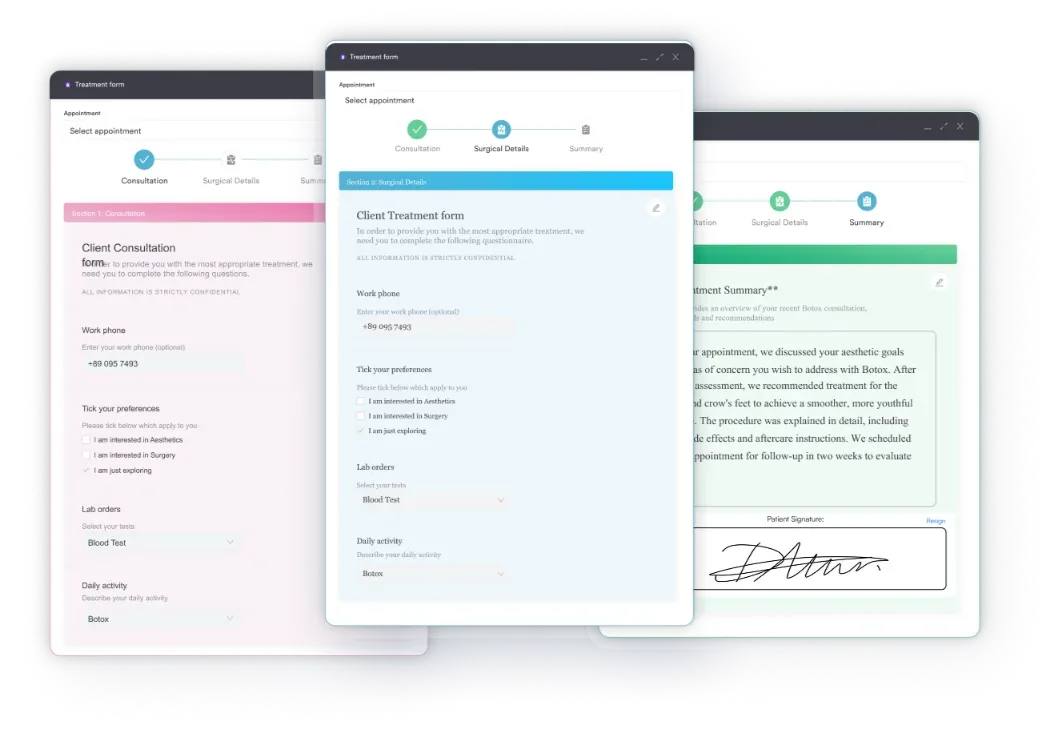
Using automated workflows can streamline this process: flag high-risk patients for immediate clinician notification, auto-generate referral templates, and schedule follow-up assessments at optimal intervals without manual intervention. Scores recorded at each session are only useful when they sit in one place, which is what psychology practice software does.
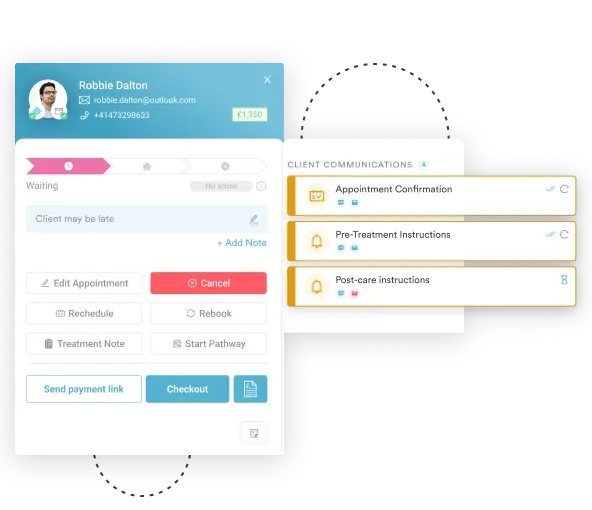

Administer loneliness tests, track results, and automate referral workflows all in one integrated system. Free 15-minute demo.

Clear referral criteria ensure patients receive appropriate care levels. Use the scoring bands above as a guide, but also watch for these clinical red flags that warrant urgent action:
Whichever flag triggers the handoff, record it on a structured counseling referral form. The form captures the reason, the risks, prior counseling history, and a 0 to 10 urgency rating for the receiving specialist.
Develop a patient portal connection protocol so that after referral, patients can access resources, track progress, and stay engaged between appointments.
A chronic loneliness test gives you a validated way to catch a risk factor that doesn’t surface in a standard visit. Score the result, discuss it openly with the patient, and route higher scores to the right level of support. The downloadable template above is ready to use in your practice today.
Book a demo with Pabau to see how our practice management platform handles assessment administration, scoring, and referral tracking in one place.

Working with a client going through divorce? Washington State parenting plan outlines custody arrangements, visitation schedules, and decision-making responsibilities for separated parents.
Want to catch depression and anxiety alongside loneliness? DASS-21 scale gives you a validated combined measure to run alongside the loneliness score for a fuller clinical picture.
Wondering if withdrawal reflects apathy rather than loneliness? Apathy Evaluation Scale helps you distinguish clinical apathy from social disconnection during the same assessment.
A high score (50-64) indicates significant chronic loneliness affecting the patient’s wellbeing and health. A severe score (65-80) signals urgent need for mental health intervention, therapy, or referral. High scores do not diagnose a mental illness but identify a serious risk factor requiring professional support.
The UCLA Loneliness Scale totals 20 items scored 1-4 each, producing a combined score of 20-80. Scores of 20-34 = low loneliness, 35-49 = moderate, 50-64 = high, and 65-80 = severe chronic loneliness requiring urgent intervention.
Situational loneliness is temporary and tied to a specific life event (breakup, relocation). Chronic loneliness persists for months or years despite social opportunities and causes long-term health damage. A loneliness test helps distinguish which type a patient is experiencing.
Yes. The UCLA Loneliness Scale is validated for clinical use in primary care, mental health, geriatric, and preventive health settings. Many practices now integrate it into digital intake forms for streamlined administration and automated scoring.
Scores ≥65 require urgent action. Conduct a suicide risk assessment, refer to mental health services, explore safety concerns, and document the referral plan in the patient record. Schedule a prompt follow-up to ensure the patient engages with recommended support.