GLP-1 diet plan
A GLP-1 diet plan is a structured eating framework for patients taking semagluti...

2
Last Updated: Oct 13, 2026

The arm curl test is a 30-second upper body strength assessment validated for older adults (ages 60-94) as part of the Rikli & Jones Senior Fitness Test battery.
Men use an 8 lb (3.6 kg) dumbbell and women use a 5 lb (2.3 kg) dumbbell, with a straight-backed chair, stopwatch, and score sheet required for standardized administration.
Normative scores range from about 8-22 repetitions depending on age and gender; scores below age-specific norms may indicate functional decline or need for strengthening interventions.
Practice management software like Pabau simplifies data capture, automated calculation of normative comparisons, and seamless outcome documentation for OT and PT practices.
A standardized score sheet and protocol guide for administering the 30-second arm curl test to assess upper body muscular endurance in older adults (ages 60-94) as part of the Senior Fitness Test battery. Includes space for patient demographics, repetition count, normative score comparison, and clinical notes.
Download templateMost occupational therapists and physical therapists assess upper body strength as part of functional capacity evaluation, yet many rely on inconsistent or informal testing methods. The arm curl test offers a validated, standardized alternative that takes just 30 seconds to administer and provides immediately comparable data.
This guide covers the complete protocol, normative reference tables, and clinical applications so your team can implement a reliable assessment tool today.
Whether you’re documenting rehabilitation progress for insurance purposes, establishing baseline functional capacity, or tracking outcomes after an intervention, consistent protocols matter. This article walks through exactly how to administer the arm curl test, interpret scores, and use the data to drive treatment decisions in your practice. Many practices pair this with a chiropractic intake form to capture pain location and history before treatment starts.
The arm curl test is a standardized 30-second functional fitness assessment that measures upper body muscular endurance – specifically the strength and fatigue resistance of the biceps and forearms. It is part of the Senior Fitness Test battery, a validated testing protocol developed by exercise scientists Rikli and Jones to assess functional fitness in adults aged 60-94.
The test is quick, requires minimal equipment, and has published normative reference data stratified by age and gender. These characteristics make it ideal for occupational therapy and physical therapy practices, sports medicine practices, and wellness facilities where practitioners need objective, repeatable measures of functional capacity for treatment planning and progress monitoring.
Standardized equipment ensures consistent, valid test administration. Here’s the complete list:
Follow this standardized protocol exactly to ensure valid, comparable results:
Raw score is the total number of completed repetitions in 30 seconds. To interpret the score clinically:
Step 1: Count completed repetitions only. A full arm curl begins with the elbow at full extension and ends when the dumbbell reaches shoulder height. Partial reps, bouncing motions, or incomplete range-of-motion attempts do not count.
Step 2: Compare to normative data. Use the age- and gender-specific normative table (below) to determine whether the participant’s score falls in the low, moderate, or high range for their age group. Scores below the 25th percentile may indicate functionally weak upper extremities; scores above the 75th percentile suggest good muscular endurance for age.
Step 3: Consider clinical context. Context matters – a lower-than-expected score in a person with recent shoulder surgery is expected and may not warrant aggressive intervention, whereas a steep decline from a participant’s previous baseline can signal functional decline or need for targeted strengthening.
Reference norms below are drawn from the Senior Fitness Test manual (Rikli & Jones, 2013) and represent completed repetitions in 30 seconds for community-dwelling older adults. Use these tables to benchmark participant performance:
Note: Ranges shown represent the 25th to 75th percentile band. Performance below the 25th percentile may warrant clinical follow-up and documentation of functional limitations.
The arm curl test serves as a functional outcome measure in occupational therapy and physical therapy. Typical uses include:
Many occupational and physical therapy practices pair the arm curl test with other targeted assessments.
The test is particularly valuable because it directly measures dynamic muscular endurance – not just static strength – so results reflect real-world functional capacity during activities like lifting groceries, reaching, or sustained gripping tasks.
Practices administering the arm curl test across multiple patients need a reliable way to capture, store, and compare assessment results over time.
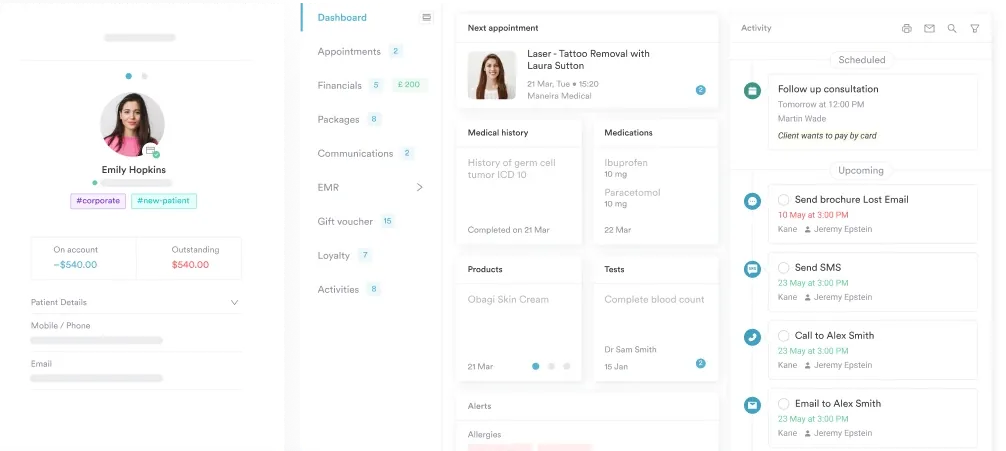
Measurement tracking flags clinically meaningful changes (e.g. a 3-repetition decline from baseline) and surfaces them in treatment summaries, so your team never misses a functional decline that warrants intervention adjustment.
Use the free printable arm curl test score sheet above to record participant demographics, test date, raw repetition count, age-gender normative range, and clinical notes. The form is formatted for quick use in practice:
Print the sheet, laminate it for durability, and file it in the patient’s clinical record. The structured format ensures consistent administration and documentation across your entire team, reducing variability and improving data quality for outcomes reporting.

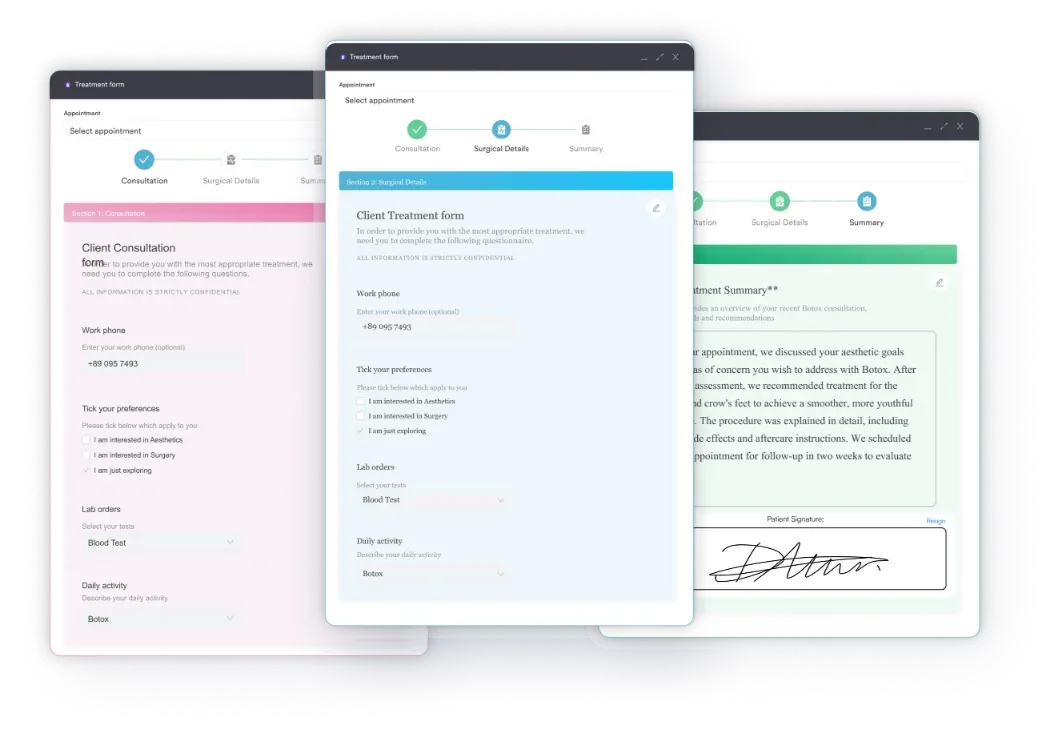
Pabau’s digital forms and client records help practices capture, track, and report functional assessment outcomes seamlessly.

The arm curl test offers occupational therapists, physical therapists, and wellness practitioners a quick, validated way to assess upper body functional capacity in older adults. With just a 30-second protocol, standardized equipment, and age-gender normative data, your team can confidently measure baseline strength, track rehabilitation progress, and make data-driven treatment decisions.
Consistent, documented functional assessments are the foundation of evidence-based practice and insurance-compliant documentation. Use the free downloadable arm curl test score sheet and protocol above to bring consistency to your practice.
Pair it with related assessments, such as our fitness assessment form, then let Pabau’s outcome tracking tools automate calculation, flagging, and comparison of functional results, so your team spends more time on patient care and less time on manual data entry.

Comparing practice management software for osteopaths? osteopathy practice management software compares scheduling, SOAP notes, billing, and reporting features across leading practice management platforms.
Investigating an often misdiagnosed voice disorder? spasmodic dysphonia guide explains the types, diagnosis, and treatment options for this rare, frequently misdiagnosed laryngeal muscle disorder.
Want to track other common functional assessments? Anterior pelvic tilt covers how to assess and correct another common finding in physical therapy practices.
The arm curl test measures upper body muscular endurance and is used by occupational therapists, physical therapists, and sports medicine practitioners to assess baseline strength, monitor rehabilitation progress, document functional capacity for insurance purposes, and identify fall risk in older adults aged 60-94.
Seat the participant in a straight-backed chair with feet flat. Place an 8 lb (men) or 5 lb (women) dumbbell in their dominant hand at their side. On cue, they perform as many arm curls as possible in 30 seconds, raising the weight to shoulder height and lowering back to full elbow extension. Count only completed repetitions with full range of motion.
Normative scores range from about 8-22 repetitions depending on age and gender. For example, a 70-year-old woman with 14 arm curls falls within the normal range (12-17 reps); a 75-year-old man with 16 reps is also within range (13-19 reps). See the normative table above for full age-stratified data from Rikli & Jones, 2013.
Men use an 8 lb (3.6 kg) dumbbell and women use a 5 lb (2.3 kg) dumbbell. These standardized weights ensure that normative score comparisons are valid and that results are comparable across different practices and time points.
Yes. The arm curl test is a validated outcome measure recognized by occupational therapy and physical therapy professional bodies. It is commonly used to document upper extremity functional capacity, establish functional limitations for insurance purposes, and track progress during rehabilitation.
The Senior Fitness Test is a battery of validated functional fitness assessments developed by Rikli and Jones to evaluate functional capacity in older adults (ages 60-94). The arm curl test is one component; other tests in the battery include the 30-second chair stand test, chair sit-and-reach, timed up-and-go, and others. It is widely used in clinical and community fitness settings.