CPT code 93503: Swan-Ganz catheter billing and modifiers
CPT code 93503: Official descriptor and procedure overview In the AMA CPT code s...

Last Updated: Oct 23, 2026
J7515 is the HCPCS Level II code for cyclosporine, oral, 25 mg.
Cyclosporine claims get denied more often than most immunosuppressant J-codes because of one avoidable problem: incorrect unit calculation. A patient prescribed 150 mg daily is billed as 6 units of HCPCS Code J7515, since 1 unit equals 25 mg. Billing teams frequently default to 1 unit per prescription line instead, leaving reimbursement on the table.
Managing patient management workflows that include drug administration billing requires precision at the unit level.
Let Pabau's smart automation suggest the right codes, reduce claim denials, and keep your practice compliant—effortlessly.
Automate repetitive tasks and focus on what matters most—your patients.
Reduce coding errors and ensure compliance with the latest regulations.
Clean claims, fewer denials, and faster reimbursements.
Powerful insights and reporting to help your practice thrive.
HIPAA compliant SOC 2 certified GDPR-compliant Trusted by 4,000+ clinics worldwide

HCPCS Code J7515 represents cyclosporine, oral, 25 mg per billing unit – a Level II HCPCS J-code for immunosuppressive drugs.
Medicare Part B covers J7515 only for post-transplant use. Reimbursement follows the ASP+6% formula, which CMS updates quarterly.
Modifiers JW and JZ must be applied correctly. Incorrect or missing modifiers are a top OIG audit trigger for J7515 claims.
Practice management software like Pabau tracks J-code billing alongside clinical records, reducing the manual lookups that cause unit calculation errors.
HCPCS Code J7515 is the Level II HCPCS code for cyclosporine, oral, 25 mg. It belongs to the J-code drug category, subcategory: immunosuppressive drugs. The Centers for Medicare and Medicaid Services (CMS) maintains the HCPCS Level II code set. CMS confirms J7515 as active for 2026, with an effective date of January 1, 2000.
Cyclosporine is a calcineurin inhibitor that suppresses T-lymphocyte activity, preventing immune rejection of transplanted organs and reducing autoimmune inflammation. It is available under the brand names Neoral (Novartis), Sandimmune (Novartis), and Gengraf (AbbVie). All three are oral formulations that crosswalk to HCPCS Code J7515. Tracking the specific NDC for each is critical for compliant claim submission.
FDA-approved indications covered by J7515 billing include post-organ transplant rejection prophylaxis (kidney, liver, heart), severe rheumatoid arthritis unresponsive to methotrexate, plaque psoriasis, and uveitis. Off-label use exists but requires additional documentation of medical necessity.
Dermatology practices billing J7515 for psoriasis benefit from dermatology EMR software that keeps the diagnosis, dispensing record, and NDC in one chart. Using prescription management software that links the prescribed NDC to the corresponding HCPCS code reduces transcription errors between the clinical and billing record.
Medicare Part B covers J7515 as an oral immunosuppressant for beneficiaries who received a covered organ transplant under Medicare Part A coverage. Reimbursement follows the Average Sales Price method: CMS pays ASP+6% of the drug’s wholesale cost, and figures update quarterly.
Billing teams should reference the current CMS Average Sales Price pricing files to confirm the applicable payment rate for the claim quarter. Citing an outdated ASP is a common adjustment trigger. A paid claim can still be underpaid, and the electronic remittance file is where that shows up.
Under the buy-and-bill model, the provider purchases cyclosporine and dispenses it to the patient. The practice then bills J7515 to recover the drug cost plus the 6% add-on.
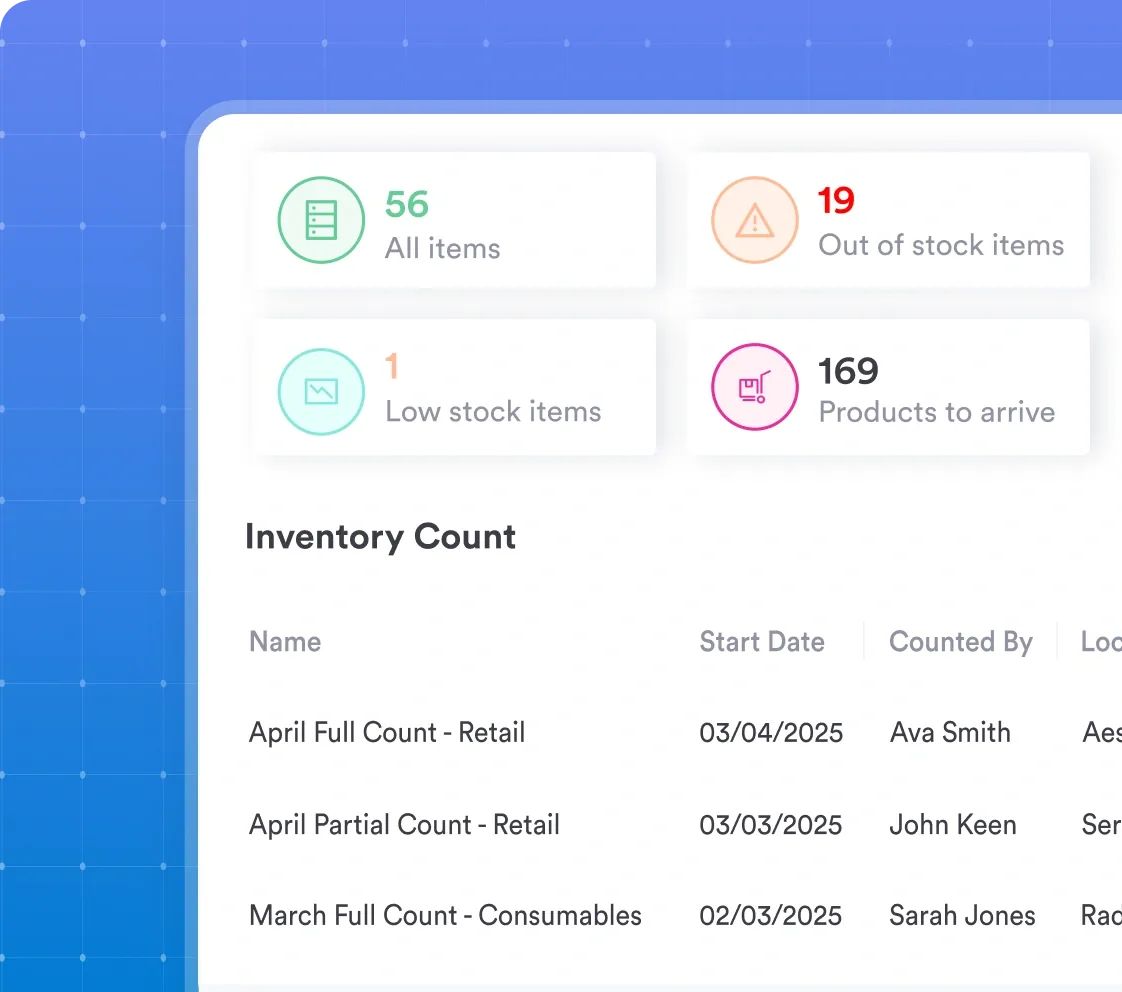
Accurate drug inventory management at the practice level is necessary to track acquisition cost against ASP reimbursement and flag negative-margin dispensing events. Non-Medicare payers may use contracted rates rather than ASP; verify coverage and unit rates with each commercial plan before billing.
With software designed for IV therapy clinics, drip protocols and drug units stay documented for every session.
One unit of HCPCS Code J7515 equals 25 mg of oral cyclosporine. The number of units billed must reflect the total milligrams dispensed or administered in the reporting period, divided by 25. Rounding errors here directly reduce reimbursement or trigger overpayment audits.
When a 30-day supply is dispensed at once, multiply the daily unit count by 30 to arrive at total billable units for the claim period. Bill the actual quantity dispensed, not the prescribed quantity, and document any discrepancy in the patient record.
Cross-check the dispensed quantity on the pharmacy or dispensing record against the units on the claim before submission. A 100 mg capsule package dispensed in a 30-day supply equals 120 units of J7515. Billing 1 unit instead of 120 leaves over 99% of reimbursement uncollected.
Two modifiers apply to J7515 claims. Each has a specific use case and a compliance consequence when misapplied. CMS JW/JZ modifier policy has been in mandatory effect since July 1, 2023. Claims lacking the correct waste-reporting modifier are subject to recovery.
For most ambulatory J7515 claims where a full package is dispensed and the patient self-administers at home, JZ is the correct modifier. JW applies when the provider dispenses a partial package and discards the remainder in-office. Incorrect modifier use is one of the most common billing errors caught in medical chart audits.
A distinct-service modifier needs a bundling check before it goes on a claim. A biller adding modifier 59 to CPT code 73562 alongside a same-day knee procedure confirms the CCI edit table for that code pair first.
Medicare and many commercial payers require the National Drug Code (NDC) to be reported on J7515 claims alongside the HCPCS code. The NDC identifies the specific manufacturer, product, and package size dispensed.
The following brand NDC families crosswalk to HCPCS Code J7515 for 25 mg oral capsules. Note that generic manufacturers produce multiple NDCs that also map to J7515. Confirm current NDC status with the NLM HCPCS lookup API before submitting claims, since NDC codes change with manufacturer updates.
NDC must be reported in the 11-digit format (5-4-2) on CMS-1500 claims, using the qualifier N4 in the appropriate field. Report the NDC, the quantity dispensed, and the unit of measure (UN for units). Missing or incorrectly formatted NDC is a top-five denial reason for J-code drug claims.
Every J7515 claim requires a supporting ICD-10-CM diagnosis code that establishes medical necessity. The supported diagnosis codes fall into four clinical categories.
CMS and commercial payers cross-reference the billed HCPCS code against the listed diagnosis. An unsupported diagnosis linkage results in denial for lack of medical necessity. Renal complications such as N05.A can also support a J7515 claim when nephrotic syndrome drives the prescription.
Use the most specific ICD-10-CM code available. Z94.x transplant status codes should appear alongside any complication or rejection codes when applicable. Avoid unspecified codes, such as M06.9 instead of M06.00, when a more specific option exists. Payers apply that same specificity standard to related diagnoses.
Clean J7515 claims depend on documentation that existed before the drug was dispensed, not assembled after a denial. Medicare and most commercial payers require the following in the patient record.
Prior authorization requirements vary significantly by payer. Medicare Part B does not require prior authorization for post-transplant cyclosporine in most cases, but many commercial plans do. Confirm requirements plan by plan before dispensing. General practices coordinating post-transplant care alongside a specialist can rely on practice management software built for general practice to track authorization status.
Maintaining HIPAA compliance for medical offices includes retaining prior authorization records and dispensing logs according to the applicable record-keeping standard. Structured documentation workflows reduce the time spent reconstructing records at the point of an audit.
Selecting the wrong J-code from the immunosuppressant family is a common error, especially when switching a patient between routes of administration or drug classes. The table below covers the most frequently confused adjacent codes. Pre-transplant patients on dialysis may also generate claims for A4870, a related DME code billed alongside the immunosuppressant once the transplant proceeds.
The critical distinction between J7515 and J7516 is the route of administration. J7516 covers intravenous cyclosporine at 250 mg per unit, typically used in inpatient or acute care settings. Billing J7515 for an IV administration, or J7516 for an oral dose, is both a denial risk and a compliance issue.
HCPCS Code J7515 has a consistent error pattern across practices. Most denials trace back to one of five mistakes. Knowing where others get it wrong is the fastest route to a cleaner claim rate.
Catching these patterns before submission is a workflow problem, not a coding one. Building a pre-submission check into the billing process resolves most of them before a payer ever sees the claim.
Billing teams typically catch J7515 errors by hand: cross-referencing the dispensing log against the claim, checking the modifier, and confirming the NDC format before submission. That works until claim volume increases, and then a single missed step turns into a denial.
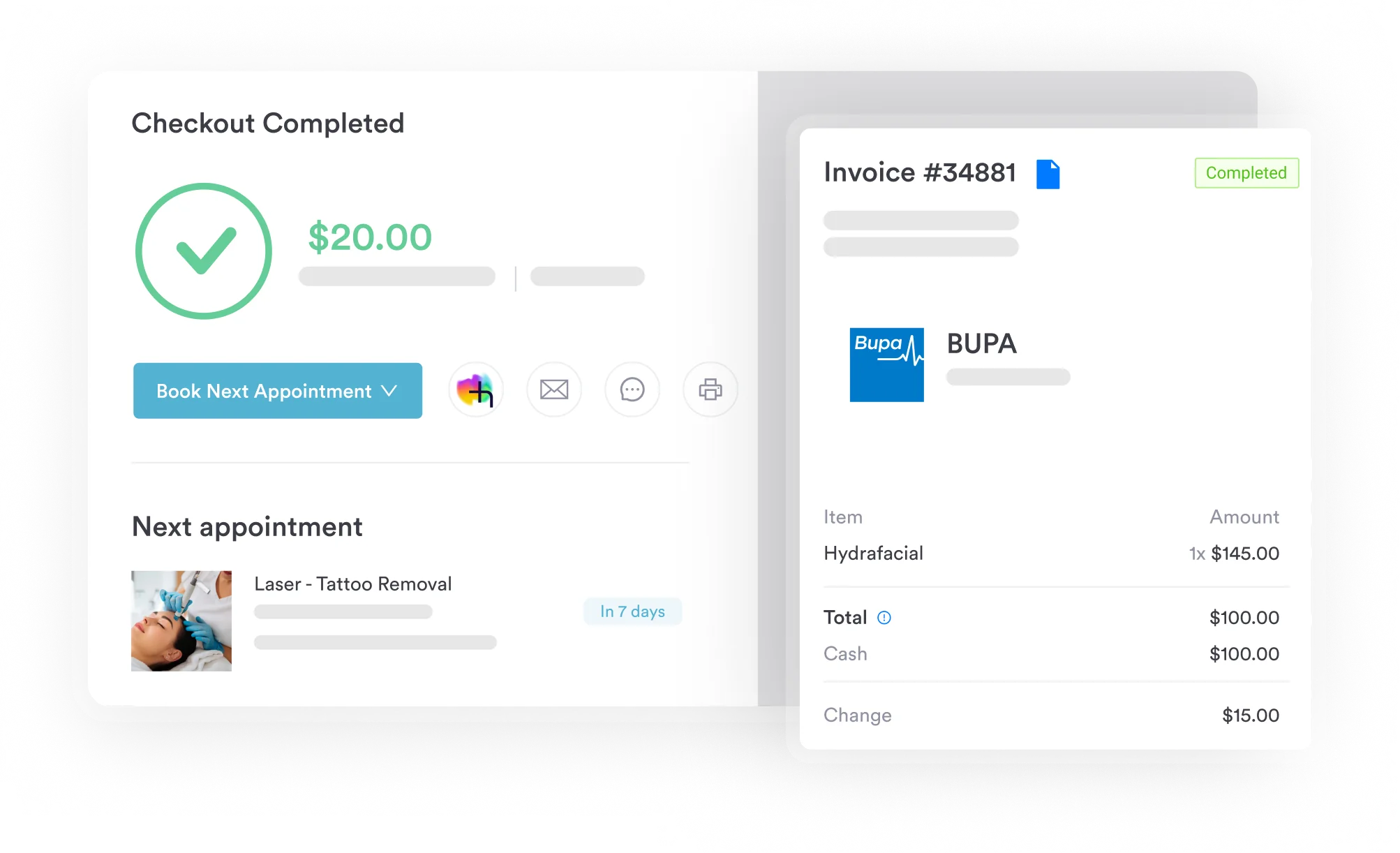
Pabau links the dispensing record, HCPCS code, modifier, and NDC directly in the patient chart. Its claims management tools flag a missing modifier, malformed NDC, or unsupported diagnosis code before the claim leaves the practice. That catches the same errors that drive most J7515 denials.
The result is fewer claims returned for rework and less time spent reconstructing documentation after a denial arrives. Billing staff can spend that time on new claims instead of chasing old ones.

Pabau’s claims management tools link dispensing records to HCPCS codes and flag missing modifiers, NDC fields, and diagnosis gaps before a claim leaves the practice.

J7515 claims fail for five predictable reasons, and every one of them is preventable at the point of submission rather than after a denial arrives.
The unit count, the modifier, and the diagnosis linkage all need a check before the claim leaves the practice. So do the NDC format and the prior authorization status. A correction after the fact is too late.
Practices that build that check into the billing workflow see fewer denials and spend less staff time on rework. Book a demo to see how Pabau supports immunosuppressant and other drug billing workflows.

Need a related renal billing reference? HCPCS Code A4774 covers ammonia test strips for dialysis patients who may later need transplant-related immunosuppressant billing.
Billing other drug administration codes? HCPCS Code H0022 walks through the billing rules for alcohol and drug intervention services.
Coding a lingering metacarpal complication? ICD-10 code S62.367S guide covers this sequela code for stiffness or malunion pain after a fifth metacarpal fracture.
HCPCS Code J7515 is the Level II HCPCS J-code for cyclosporine, oral, 25 mg. It is used by healthcare billing professionals to report the dispensing or administration of oral cyclosporine to Medicare Part B and commercial payers. One billing unit equals 25 mg of cyclosporine.
Two modifiers apply to J7515 claims. JW covers drug waste, used when a portion of the dispensed drug is discarded. JZ covers no drug waste, used when the entire dispensed amount is administered. CMS JW/JZ modifier reporting has been mandatory since July 1, 2023.
Yes, but only for post-transplant use. Medicare Part B covers J7515 as an oral immunosuppressant for beneficiaries who received a covered organ transplant under Medicare Part A coverage. Autoimmune indications such as rheumatoid arthritis and psoriasis are billed under Part D or commercial plans, not this Part B benefit. Coverage rules and reimbursement rates should be verified against the current CMS fee schedule quarter.
Divide the total milligrams dispensed by 25 to get the number of units to bill. A 100 mg daily dose equals 4 units per day; a 30-day supply at 100 mg equals 120 units. Bill the quantity actually dispensed, not the prescribed quantity, and document any difference in the patient record.
J7515 covers oral cyclosporine at 25 mg per unit. J7516 covers intravenous cyclosporine at 250 mg per unit, used in inpatient or acute-care settings. Billing J7515 for an IV administration, or J7516 for an oral dose, is a compliance error.
Brand NDC families for Neoral (Novartis), Sandimmune (Novartis), and Gengraf (AbbVie) 25 mg oral capsules all crosswalk to J7515. Generic cyclosporine 25 mg capsules from multiple manufacturers also map to J7515. NDC codes change when manufacturers update packaging; confirm current NDC-to-HCPCS crosswalk data through the NLM or your billing platform before submitting claims.
Primary supported ICD-10-CM codes for post-transplant claims include Z94.0 (kidney), Z94.4 (liver), and Z94.1 (heart) transplant status. Autoimmune and renal codes include M05.x/M06.x (rheumatoid arthritis), L40.0/L40.1 (psoriasis), H20.0x/H20.1x (uveitis), and N04.x (nephrotic syndrome). Use the most specific code available, and avoid unspecified codes where a more specific alternative exists.