

HCPCS code E0198: Water pressure pad billing guide
HCPCS code E0198 is a water pad for a standard mattress HCPCS code E0198 is the ...

Last Updated: Oct 13, 2026
J0713 is the HCPCS Level II code for injection, ceftazidime, per 500 mg.
The code has no expiration date and remains active for the current fiscal year. Coverage is subject to Local Coverage Determinations (LCDs) issued by Medicare Administrative Contractors (MACs). An LCD may add medical necessity criteria, and those criteria vary by jurisdiction.
Let Pabau's smart automation suggest the right codes, reduce claim denials, and keep your practice compliant—effortlessly.
Automate repetitive tasks and focus on what matters most—your patients.
Reduce coding errors and ensure compliance with the latest regulations.
Clean claims, fewer denials, and faster reimbursements.
Powerful insights and reporting to help your practice thrive.
HIPAA compliant SOC 2 certified GDPR-compliant Trusted by 4,000+ clinics worldwide

HCPCS code J0713 covers an injection of ceftazidime, a third-generation cephalosporin antibiotic, billed per 500 mg administered.
Medicare Part B pays J0713 at ASP+6% in the office setting, while hospital outpatient claims may be packaged under OPPS.
Every J0713 claim must carry the NDC in loop 2410 of the 837P, and a missing NDC is the top rejection trigger.
J0713 is absent from the CMS list of codes subject to the JW and JZ policy, so no discard modifier is expected.
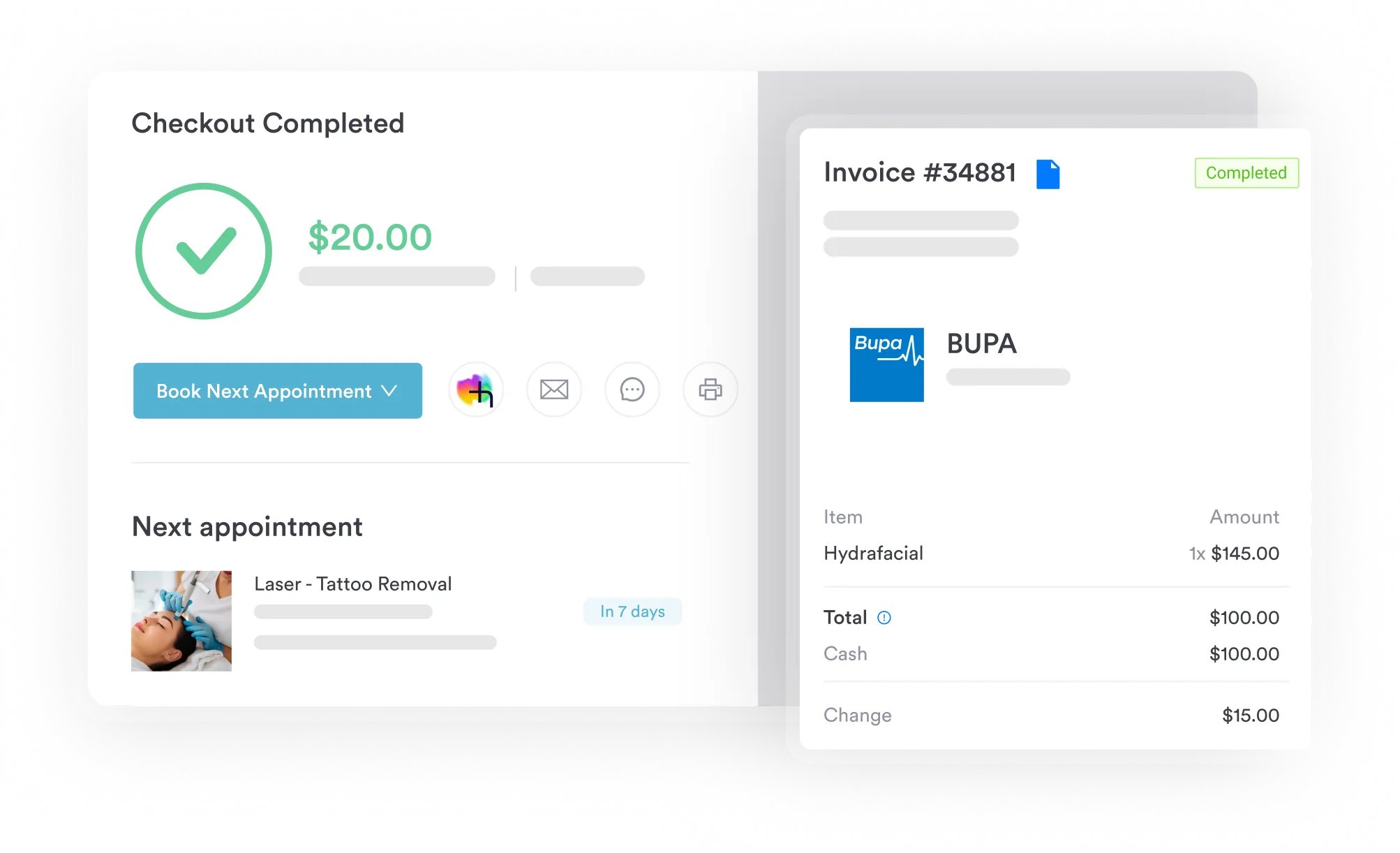
Practice management software like Pabau captures the dose, unit count, and NDC at the point of care.
Ceftazidime is a broad-spectrum beta-lactam antibiotic that works mainly against gram-negative organisms. It blocks bacterial cell wall synthesis and covers Pseudomonas aeruginosa, a pathogen many other antibiotics miss. Practices that handle prescription management for infusion patients meet J0713 in serious hospital-acquired and community-acquired infections. Denial codes in medical billing group the reasons a payer refuses, and the group decides the fix.

The FDA has approved ceftazidime for the following indications, all of which support medical necessity for a J0713 claim:
Outpatient infusion suites treat the sickest of these cases. Brand-name products include Fortaz (Covis Pharma) and Tazicef (Pfizer). Generic formulations are more commonly dispensed in practice settings today, so verify each manufacturer’s current NDC against the FDA NDC Directory.
Units for HCPCS code J0713 are calculated per 500 mg administered, not per vial or per infusion session. If a patient receives a 2 g dose, the correct unit count is 4 (2,000 mg divided by 500 mg). Billing the wrong unit count is the single most common J0713 error, and it triggers both underpayments and overpayment audits.
Bill the dose given, not the dose in the vial. Suppose 1.5 g is ordered but the infusion stops after 1 g. Bill 2 units, then document why the dose changed.
J0713 does not take a JW or JZ modifier. CMS applies those two modifiers to drugs supplied in single-dose containers, and J0713 is not on its published list of affected codes.
The JW modifier reports a discarded amount of a drug, and JZ confirms that nothing was discarded. Any code with a multiple-dose container product is left off the CMS list, which is where ceftazidime sits. Its neighbors J0712 and J0714 are both on the list, so a ceftazidime and avibactam line does need the modifier.
CMS refreshes the discard modifier code list roughly twice a year. Check it before you change a billing rule, and follow your MAC if a local article says otherwise.
Medicare Part B covers physician-administered drugs under the buy-and-bill model. In an office or non-facility setting (Place of Service 11), J0713 pays at ASP+6%. That is the Average Sales Price for the quarter, plus a 6% add-on toward acquisition costs. Practices handling IV therapy billing meet this model across most infusion drug J-codes.
CMS updates ASP pricing quarterly. Rates effective for a given quarter are published in the CMS ASP Drug Pricing Files, available on the CMS Physician Fee Schedule lookup tool. Do not use prior-quarter figures. A claim submitted in Q3 with Q2 ASP rates can pay at the wrong amount.
The place of service code on the claim decides how J0713 is paid. Office claims (POS 11) pay ASP+6% under the Medicare Physician Fee Schedule. Hospital outpatient claims (POS 22) fall under the Outpatient Prospective Payment System (OPPS). There, J0713 may be packaged into the Ambulatory Payment Classification (APC) payment instead of paying as a separate line.
Provider-based practices are owned by a hospital system. If that describes yours, confirm with your MAC whether OPPS packaging applies before you bill J0713 as a separate line.
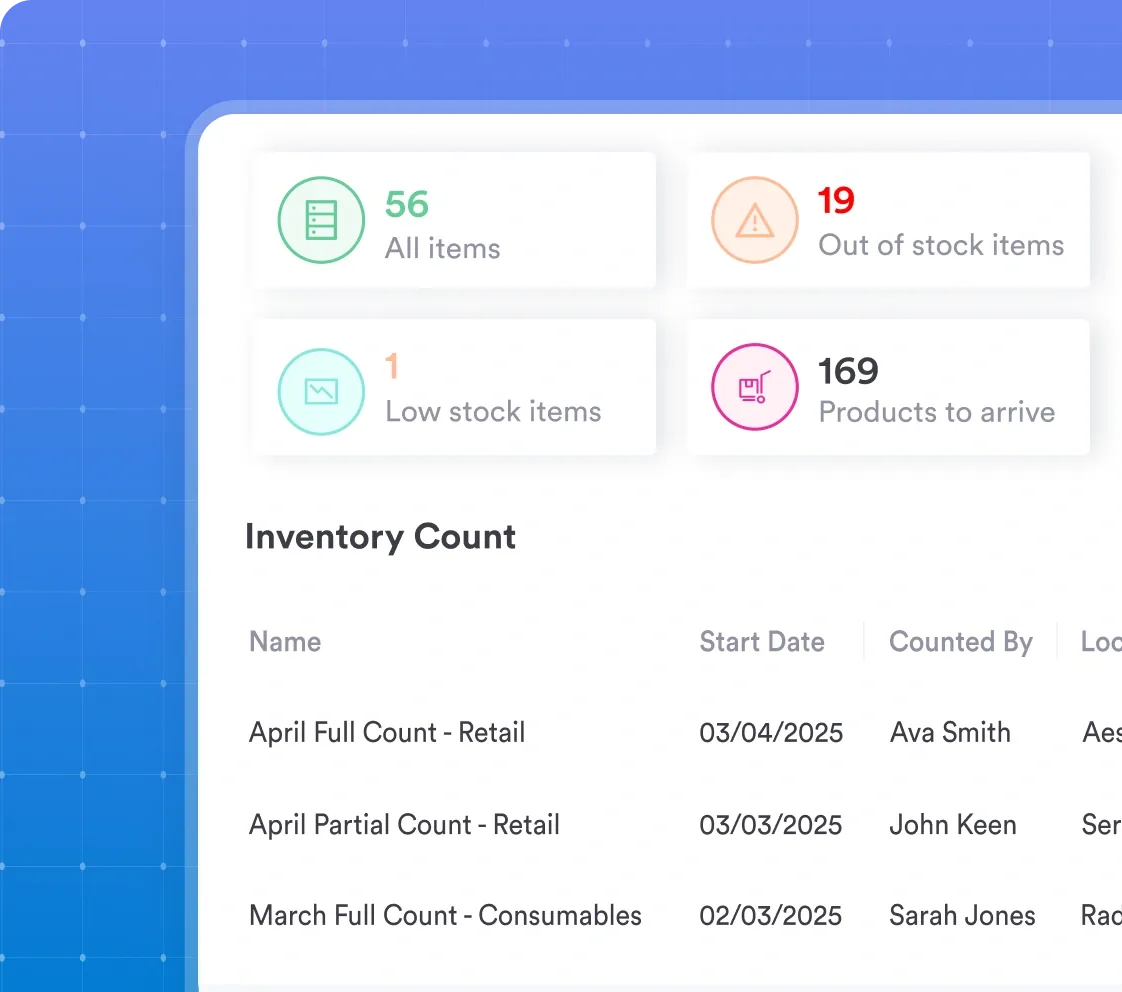
Buy-and-bill is the standard payment pathway for physician-administered drugs under the Medicare Part B benefit. The practice buys the drug, administers it, then bills the payer for the drug and the administration service. Clean drug inventory management is what keeps that cycle straight.
Here is the step-by-step process for J0713 under the buy-and-bill model:
Most injectable J-codes follow this same structure, and only the unit denominator changes. J0744 bills ciprofloxacin in 200 mg units, so the same milligram total produces a different unit count.
Every J0713 claim sent to Medicare needs the National Drug Code (NDC) of the ceftazidime product administered. The NDC ties the manufacturer, product, and package size to the billing code. Missing or wrong NDCs are a primary cause of claim rejection. Verify your mappings against the crosswalk your MAC publishes.
Report the NDC in 11-digit format (5-4-2: labeler-product-package). The NDC on the claim must match the NDC on the vial you administered, not a substitute or preferred contract NDC. An NDC from a different manufacturer than the vial you used is a compliance risk.
Run a monthly NDC reconciliation. Compare the NDCs on your J0713 claims against the NDCs on your purchase invoices for the same period. Any mismatch points to a missing note or a substitution nobody recorded. Flag those before a MAC audit does.
The right ICD-10-CM diagnosis code is what establishes medical necessity for a J0713 claim. The diagnosis must reflect the condition treated with ceftazidime, in line with its FDA-approved indications. Pairing J0713 with a diagnosis outside those indications is a common audit trigger.
Use the most specific ICD-10 code available. Sepsis, unspecified (A41.9) works at initial presentation, but update it once cultures identify the organism. Pneumonia coding works the same way. MACs review diagnosis specificity during audits, and vague codes invite scrutiny.
CMS expects specific documentation elements behind a J0713 claim. Incomplete records are the second most common cause of denial and the main finding in post-payment audits. Capture these elements at the point of care rather than rebuilding them later. The same list applies to other injectable antibiotic codes.
MACs may request the drug order, the nursing administration record, and progress notes together during a probe audit. With all eight elements in place, your records answer the request on their own.
Six errors account for most J0713 denials and recoupments, and each one has a fix. It captures the NDC and the quantity as the drug is given, instead of leaving them to manual entry at claim time.
Coders auditing ceftazidime claims often need the adjacent cephalosporin J-codes to hand. Knowing them cuts crossover errors when the treating physician switches antibiotic regimens mid-course. Each code below carries its own unit denominator, so check the unit before you convert a dose. Denominators change outside the J-code range: CPT Code 00604 is counted in anesthesia base and time units, not milligrams like J0713.
J0713 and J0692 get mixed up in Pseudomonas coverage decisions. Cefepime is a fourth-generation cephalosporin with broader antipseudomonal activity. Confirm which drug was given before you assign the code. Both bill per 500 mg, so the unit count hides the swap and only the drug name gives it away.
Review your claim denial report monthly and filter by J-code. If J0713 claims show a pattern of denials under the same error reason code, trace it back to a specific step in your administration-to-billing workflow. Most recurring J-code denials have a single upstream cause that a process fix eliminates entirely.
In most practices, the details a J0713 claim needs sit in three places. The nurse writes the dose on the administration record. The vial NDC sits on a purchase invoice, and the biller converts milligrams to units days later. Every hop is a chance for the unit count or the NDC to drift.
Practice management software like Pabau closes that distance. Ceftazidime is held as a stock item. The biller then works from what the nurse recorded, not from a phone call two days later.
From there. Denials come back grouped, so a repeat J0713 reason code shows up in a report rather than in a spreadsheet someone maintains by hand. Your team spends the week treating patients instead of reconciling vials against claims.

Pabau keeps drug stock, dosing, and claims in one system. The unit count and product details on a J0713 line come from the record your team already completed.

J0713 is a quiet code that punishes small slips. The arithmetic is simple, but the unit count, the NDC, and the place of service all have to be right on the same line.
Where the work happens is the trade-off worth remembering. Fixing a J0713 line at claim time costs a biller time and a resubmission. Capturing the dose and the NDC at the chairside costs nothing extra. Routine is worth checking too, so look at the CMS discard modifier list before anyone adds JW or JZ out of habit.
Book a demo to see how Pabau turns an administration record into a clean drug claim.

Billing another injectable drug code? J0270 covers alprazolam injection, where the same unit and NDC rules meet a controlled substance.
Screening patients before you treat them? H0049 sets out how to bill alcohol and drug screening in an outpatient setting.
Billing supplies by the unit? B4104 shows how per-unit rules work for an enteral formula additive.
Wondering what OPPS packaging swallows? C1776 covers an implantable joint device, where packaging decides whether the line pays.
HCPCS code J0713 is the Level II billing code for an injection of ceftazidime, billed per 500 mg administered. Practices use it on Medicare Part B claims when a physician or outpatient facility gives the drug. Covered infections include pneumonia, UTIs, meningitis, and septicemia.
Bill 4 units for a 2 g dose. J0713 is billed per 500 mg, so divide the milligrams administered by 500. That makes a 2,000 mg dose equal to 4 units.
Yes, J0713 is covered under Medicare Part B as a physician-administered drug. Coverage depends on medical necessity criteria, which your Medicare Administrative Contractor may set out in a Local Coverage Determination. The diagnosis must match an FDA-approved indication for ceftazidime.
Yes, every Medicare Part B claim for J0713 needs an NDC. Report it in 11-digit format in loop 2410 of the 837P. Missing or wrong NDCs are the leading cause of J0713 rejections at the clearinghouse.
No. The CMS list of codes subject to the JW and JZ policy leaves out J0713, so no discard modifier is expected. The neighboring code J0714 is on that list, so ceftazidime with avibactam is treated differently. Follow your MAC if a local article says otherwise.
ASP (Average Sales Price) is the CMS reimbursement basis for Medicare Part B drugs, updated quarterly from net manufacturer sales prices. AWP (Average Wholesale Price) is a list price published by drug compendia. It usually runs 20-25% above acquisition cost, and Medicare does not use it. J0713 pays at ASP+6%, never at AWP.
Keep a signed physician order, the ICD-10 diagnosis that supports medical necessity, and the drug name with the exact strength given. Record the date and time of service, the route, the place of service, and the NDC of the product used. All of it belongs in the record before the claim goes out.



