CCSD code E5591: Bilateral VATS bullectomy billing guide
CCSD code E5591 covers both lungs in one line CCSD code E5591 is the code for a ...

Last Updated: Oct 12, 2026
F3070 is the CCSD code for suture of palate, the operation that closes a wound or tear in the roof of the mouth with stitches. UK private medical insurers accept it when the palate repair is the main procedure. It sits in Chapter 6 of the CCSD schedule, among the palate codes.
What matters most for billing is the list of codes F3070 can't share a claim with. CCSD lists it as an unacceptable combination with cleft palate repair, palate lesion excision, adenoidectomy and tonsillectomy codes. When the stitches close a wound from one of those operations, they belong to that operation. The sections below show how to tell the cases apart, document the repair and get the claim paid.
Let Pabau's smart automation suggest the right codes, reduce claim denials, and keep your practice compliant—effortlessly.
Automate repetitive tasks and focus on what matters most—your patients.
Reduce coding errors and ensure compliance with the latest regulations.
Clean claims, fewer denials, and faster reimbursements.
Powerful insights and reporting to help your practice thrive.
HIPAA compliant SOC 2 certified GDPR-compliant Trusted by 4,000+ clinics worldwide

CCSD code F3070 covers suture of palate, which means stitching a wound or tear in the roof of the mouth.
It sits in Chapter 6 of the CCSD schedule, face, mouth, salivary and thyroid, under the palate codes.
CCSD lists F3070 as an unacceptable combination with adenoidectomy, tonsillectomy, cleft palate repair, palate lesion excision and the snoring pillar procedure.
Bill F3070 when closing the palate is the operation itself, and back it with a note that describes the wound and the repair.
Each insurer sets its own fee and authorization rules, so check the patient’s policy before surgery, not at invoicing.
CCSD code F3070 is the code UK private medical insurers recognize for suture of palate. A surgeon bills it when the main job in the operating room is closing a wound or tear in the palate with stitches.
The palate is the roof of the mouth. The bony hard palate sits at the front, and the muscular soft palate hangs behind it. F3070 applies to a stitched repair of either part.
A typical case is a young child who falls with a pen or a toothbrush in the mouth. Small palate wounds often heal without stitches. The ones that reach surgery tend to be deeper, wider or still bleeding.
The descriptor is short, and that matters for billing. F3070 names the closure and nothing more. Removing a palate lesion, repairing a cleft and taking out the tonsils all carry codes of their own.
CCSD stands for Clinical Coding and Schedule Development. The group brings together Aviva, AXA Health, Bupa and Vitality, and it maintains one shared schedule of procedure codes. Our overview of CCSD codes explains how that schedule is organized.
The schedule groups codes by body area. F3070 belongs to Chapter 6, face, mouth, salivary and thyroid, inside the palate section. CCSD search results list that sub-chapter as 6.4.0 Palate.
Once you know where the code lives, the next question is which neighbors it can’t share a claim with.
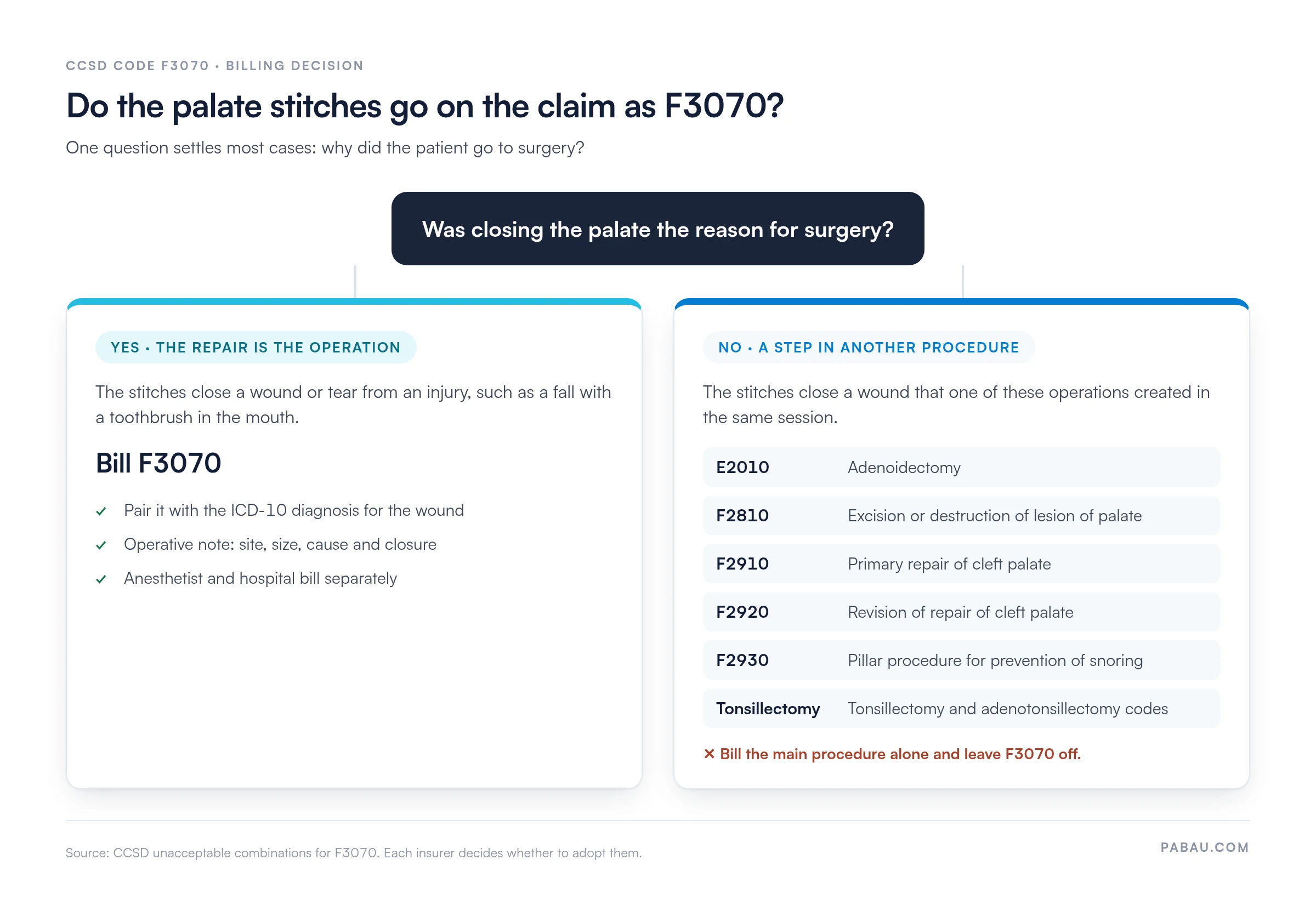
CCSD publishes a list of unacceptable combinations for F3070. If one of these procedures happens in the same session, the insurer pays the main procedure and treats the palate stitching as part of it.
The pattern is easy to remember. If the stitches close a wound that another palate or throat operation created, they belong to that operation. F3070 stands alone when the wound came from somewhere else, such as an injury.
One caution applies. CCSD calls its coding principles non-exhaustive guidelines, and each insurer chooses whether to adopt a combination. Treat the list as the default, and confirm any exception with the insurer in writing.
Two cases from the same week show how the same stitches can lead to two different claims.
Case one: an injury. A six-year-old trips while holding a toothbrush in the mouth and tears the soft palate. The ENT surgeon closes the tear under general anesthetic the next morning. Closing the palate is the operation, so the surgeon’s claim carries F3070. The anesthetist sends a separate claim.
Case two: a tonsillectomy. An adult has a planned tonsillectomy. During the operation, the surgeon stitches part of the soft palate to control bleeding. Here the stitching is a step inside the tonsillectomy. The claim carries the tonsillectomy code alone, because CCSD lists F3070 as an unacceptable combination with it.
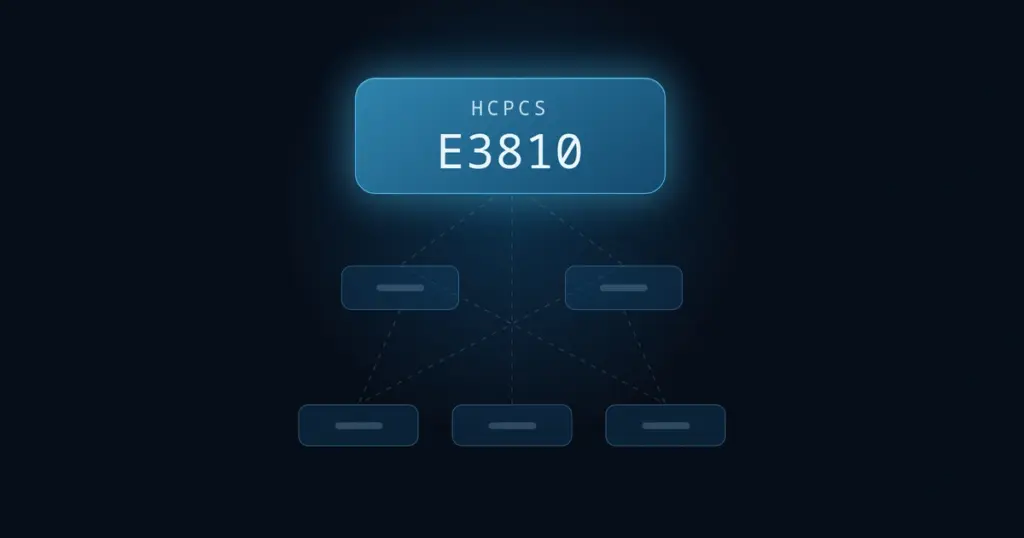
The question to ask each time is simple. Was closing the palate the reason for surgery, or a step in another procedure? The diagram below follows both branches.
Insurers can query or recover payment when the note doesn’t support the code. For F3070, the note should let a reviewer picture the wound and the closure without asking you.
A note written days later is weaker evidence, and a backdated one is an audit risk. Write it before the patient leaves recovery.
F3070 covers the surgeon’s work on the palate. Other people and costs on the same episode are billed separately, and some codes can’t appear beside it at all.
With the codes settled, the claim itself follows a fairly fixed path.
If the repair happened out of hours, call the insurer on the next working day. Log the reference number, the time of the call and the name of the person you spoke to.
Each insurer publishes its own fee lookup. Use the current one before you quote the patient or raise the invoice.
If most of your insured patients are with Bupa, our guide to Bupa CCSD codes walks through its code search and claim rules.
Run through these points before the claim leaves the practice. Each one maps to a common reason for rejection.
Most rejections trace back to a handful of avoidable errors. The table pairs each one with its fix.
In most practices, the authorization number lives in an email and the code lives on a surgical list. Someone then retypes both into an insurer portal, which is where small errors creep in.
Pabau, the practice management platform we build, connects to Healthcode for UK insurer billing. The CCSD code, the authorization number and the membership number sit in the patient record. The claim draws on them, so nobody retypes them.
Before the claim can be sent, Pabau checks that required fields such as the membership number and authorization code are filled in. After submission, the claims screen shows where each claim stands, from submitted to paid.
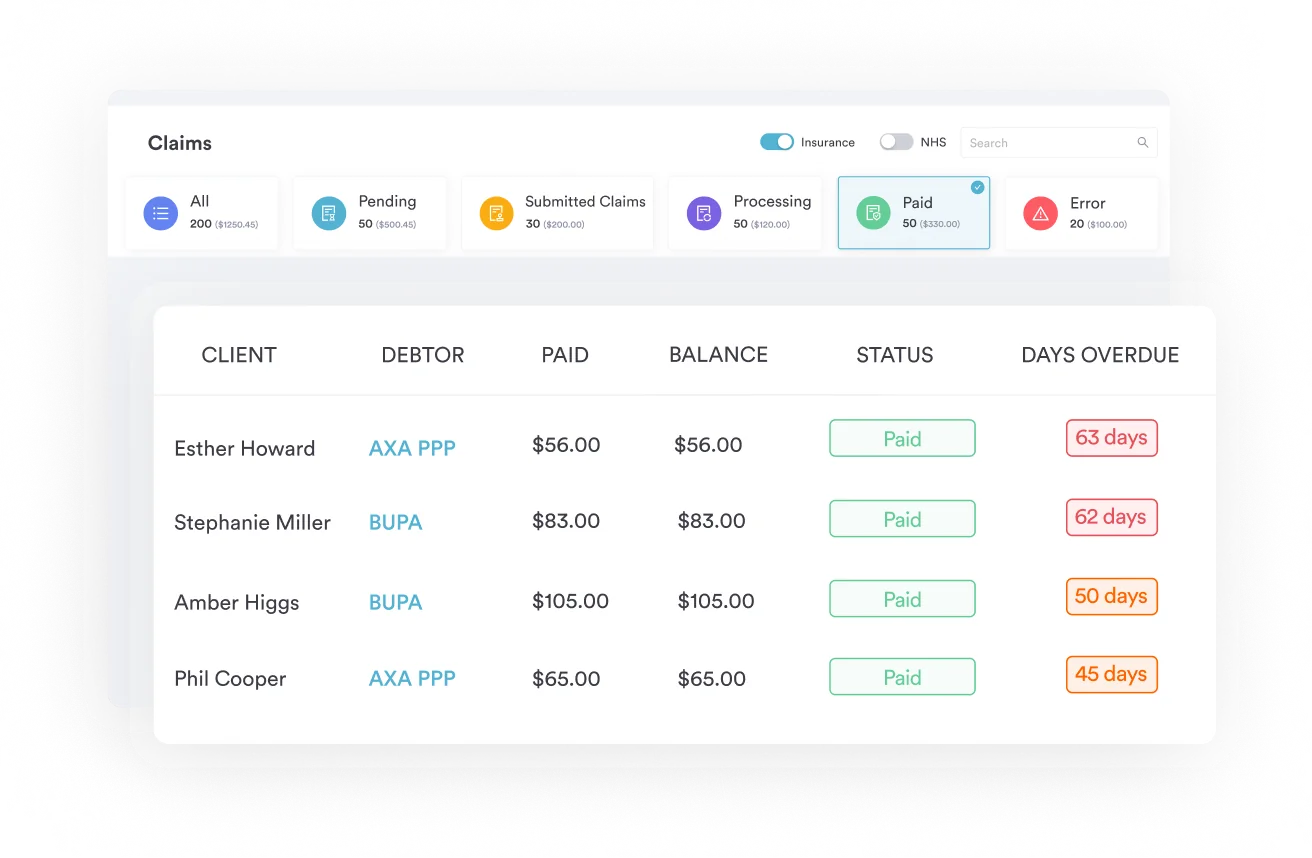
The result is fewer claims bounced for a missing number, and less time chasing them. See how claims management software fits a UK private practice.

Pabau keeps the CCSD code, authorization number and membership details in the patient record. It then submits through Healthcode and tracks each claim to payment.

F3070 is one of the shortest descriptors in the palate range, and one of the easiest to misuse. One question settles most cases. Was closing the palate the operation, or a step inside another one?
If it was the operation, bill F3070 with a note that shows the wound and the repair. If it was a step, leave F3070 off and bill the main procedure alone. Getting that call right up front saves a rejection, a query and a second submission.
Book a demo to see how Pabau sends CCSD claims through Healthcode and tracks each one to payment.

Looking up another CCSD code? CCSD codes explains how the schedule is organized and how private insurers use it.
Billing Bupa patients? Bupa CCSD codes covers Bupa’s code search, fee references and submission rules.
Want fewer claims bounced for missing details? Claims management software shows how Pabau submits and tracks insurer claims.
Comparing billing tools for a UK practice? Best medical billing software in the UK compares the options for insurer and self-pay billing.
For an injury, it is usually a code under S01.5, open wound of lip and oral cavity, which includes the palate. Pick the fourth character the operative note supports, such as a laceration or a puncture.
No. CCSD codes are for billing UK private medical insurers. NHS hospitals record procedures in OPCS-4, the NHS classification of interventions and procedures, so an NHS palate repair is coded there instead.
Each insurer sets its own fee. CCSD publishes the code and its narrative but not a price. Check the insurer’s current fee schedule or code search before you quote the patient.
Use the CCSD schedule search on ccsd.org.uk, which needs a login, or your insurer’s own code search, such as Bupa’s. Check again each policy year, because narratives and fees can change.