

HCPCS code E0198: Water pressure pad billing guide
HCPCS code E0198 is a water pad for a standard mattress HCPCS code E0198 is the ...

Last Updated: Oct 13, 2026
E0153 is the HCPCS Level II code for platform attachment, forearm crutch, each.
Let Pabau's smart automation suggest the right codes, reduce claim denials, and keep your practice compliant—effortlessly.
Automate repetitive tasks and focus on what matters most—your patients.
Reduce coding errors and ensure compliance with the latest regulations.
Clean claims, fewer denials, and faster reimbursements.
Powerful insights and reporting to help your practice thrive.
HIPAA compliant SOC 2 certified GDPR-compliant Trusted by 4,000+ clinics worldwide

HCPCS Code E0153 describes a platform attachment for a forearm crutch, billed per each unit as durable medical equipment (DME).
Medicare Part B covers E0153 when the supplier documents medical necessity. Use modifier NU for purchases and RR for rentals.
Rates vary by region and by year. Verify the current allowed amount on the CMS DMEPOS fee schedule before you bill.
Bill the attachment on its own line, separate from the forearm crutch code E0111, to avoid a bundling denial.
Practice management software like Pabau helps DME suppliers track E0153 claims and keep medical necessity records in one place.
HCPCS Code E0153 is a Level II HCPCS code maintained by CMS, the Centers for Medicare and Medicaid Services. Its official long descriptor is “Platform attachment, forearm crutch, each.” The code is active for 2026 and falls within the walking aids and attachments category (E0100-E0159).
A platform attachment converts a standard forearm crutch into one that supports the forearm rather than requiring the patient to grip a handle. Patients with wrist arthritis, hand weakness, or upper-extremity injuries use this modification. It moves the weight-bearing load onto the forearm platform instead of the palm and wrist.
A forearm crutch platform attachment is a padded, trough-like accessory that mounts to the forearm cuff area of a forearm (Lofstrand) crutch. It lets patients bear weight through the forearm rather than gripping a handle. That matters when hand or wrist pathology makes a conventional grip painful or impossible.
The billing unit is “each,” meaning one E0153 claim covers one platform attachment. A patient using two forearm crutches requires two units, billed as two separate line items. Misunderstanding this is a common audit trigger in physical therapy workflows where assistive devices are prescribed post-operatively.
The platform attachment is prescribed when a patient needs ambulatory support but cannot tolerate a conventional crutch grip. The prescribing practitioner must document the specific functional limitation that makes the attachment necessary rather than a standard crutch accessory.
Medicare Part B covers E0153 as a DMEPOS (Durable Medical Equipment, Prosthetics, Orthotics, and Supplies) item when medical necessity criteria are satisfied. Coverage is administered by DME Medicare Administrative Contractors, or DME MACs. These regional contractors process DME claims and issue the Local Coverage Determinations (LCDs) that govern eligibility.
CMS does not publish a standalone national coverage policy for E0153. The item is included in the CMS list of specified covered DME items. Coverage is contingent on meeting all of the following conditions:
Coverage criteria can vary between DME MAC jurisdictions. Noridian administers Jurisdictions A and D, and CGS covers Jurisdictions B and C for the rest of the country. Check your contractor’s current LCD and policy article before you submit.
Medicaid coverage for E0153 varies by state. Some state Medicaid programs follow Medicare’s DME coverage guidelines, while others maintain independent fee schedules and medical necessity criteria. Billers serving Medicaid patients must verify coverage and prior authorization requirements with the state agency before delivery.
Private commercial insurers typically cover E0153 when medical necessity documentation mirrors Medicare standards. Prior authorization is common. Verify benefit language in the patient’s Evidence of Coverage document and confirm in-network DME supplier status before billing. Authorization and appeal deadlines differ by payer, so track each one against the delivery date. Revenue cycle management treats coding, submission and collection as one process rather than three handoffs.
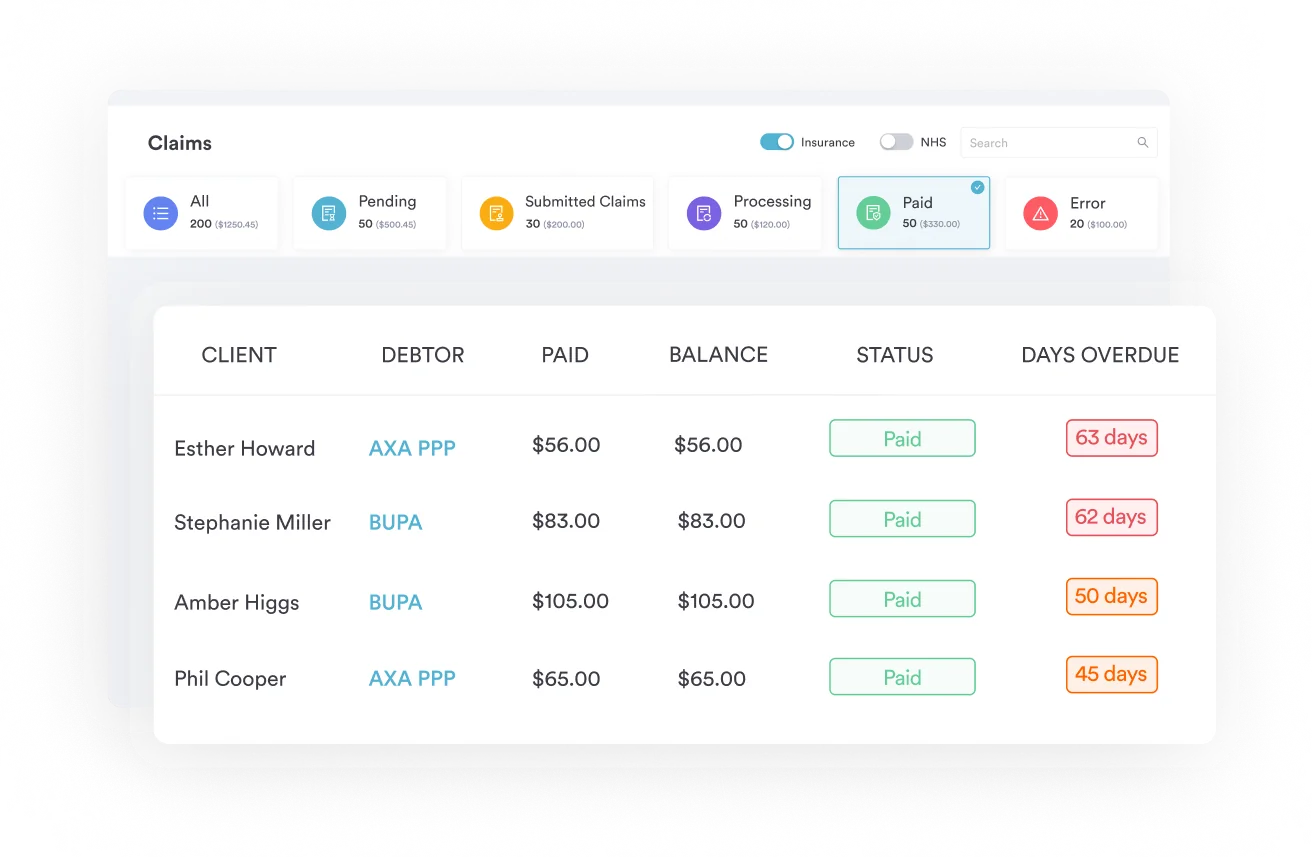
Practices supplying equipment directly rely on inventory management software to know what’s in stock before promising it.
Medicare reimburses E0153 under the DMEPOS fee schedule, which CMS updates annually. Rates are geographically adjusted and differ between competitive bidding areas (CBAs) and non-competitive bidding areas. The fee schedule publishes both a rental rate and a purchase rate. Which one applies depends on the modifier you bill.
Reimbursement for E0153 is modest compared with more complex DME items. To look up the current allowed amount for a jurisdiction, use the CMS DMEPOS fee schedule files. Always check the rate for the year of service and the patient’s location before you submit.
Run a fee schedule lookup before every E0153 claim using the CMS DMEPOS fee schedule file for the current year. Rates differ between competitive bidding areas and non-CBAs, and an incorrect expected reimbursement amount can delay cash flow reconciliation.
Billing E0153 correctly requires the right modifier, complete documentation, and the appropriate diagnosis code to support medical necessity. Incomplete submissions are the leading cause of initial denials for DMEPOS accessories.
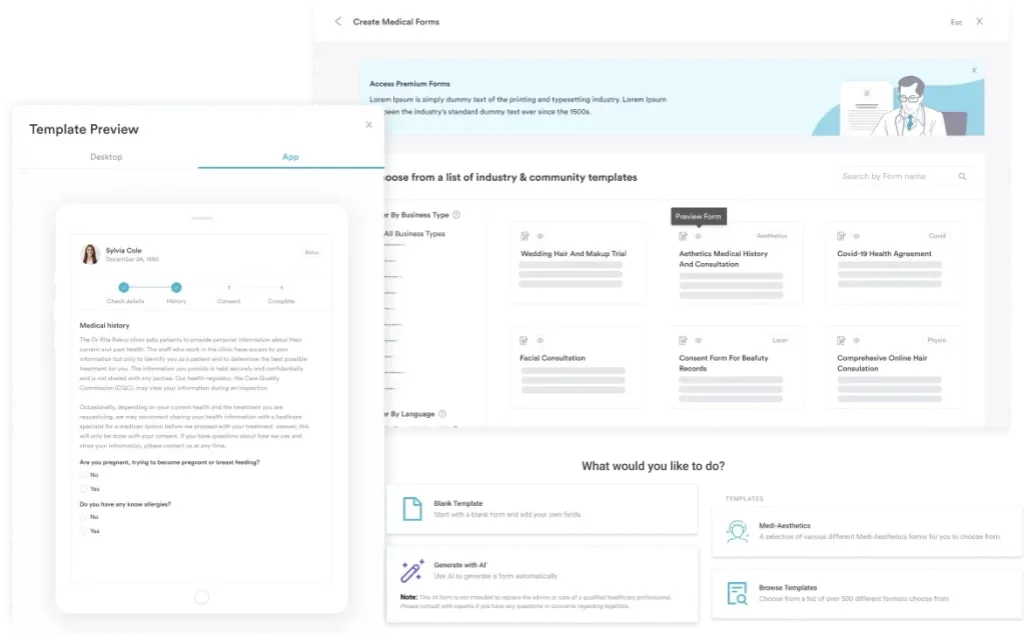
Before submitting a claim for E0153, confirm all of the following are in the patient record. Using digital intake forms reduces the risk of missing fields at submission time:
The functional findings behind the order usually come from the initial physical therapy evaluation. Keep that note in the same record as the delivery slip.
For HIPAA compliance, retain all patient documentation supporting the claim for at least seven years. The DME MAC can request it during a post-payment review.
Modifiers signal to Medicare and other payers whether the equipment is being purchased, rented, or provided in a specific circumstance. Applying the wrong modifier is one of the most common billing errors for DMEPOS accessories.
The table below covers the modifiers most frequently used with E0153. Verify applicability against current CMS guidance and your DME MAC’s LCD before billing:
Platform attachments are inexpensive accessories typically purchased rather than rented, making NU the most common modifier. If a supplier bills under a rental agreement, RR applies for each month. Confirm the billing arrangement in the patient’s file before selecting a modifier.
DME billers working with forearm crutch accessories run into the adjacent codes below. Knowing the distinctions prevents upcoding and audit exposure. Wooden underarm crutches sit in the same range under E0112.
E0111 covers the complete crutch. E0153 covers the attachment alone. When a patient receives a forearm crutch with a platform modification, bill both codes as separate line items. Bundling the attachment into the crutch code creates audit risk and can trigger overpayment recovery.
Watch the unit of service as well.
A patient fitted with two forearm crutches needs two units of E0153, billed on two lines. Claims submitted with a single unit for a bilateral fitting get paid at half the expected amount, and the difference is rarely recovered later.
HCPCS Level II codes are updated annually by CMS, with additions, revisions, and deletions published each October for the following calendar year. E0153 carries no termination date for 2026, so it remains billable. According to AAPC’s HCPCS code reference, E0153 is an active code with no planned retirement.
Verify code status each year against the official CMS HCPCS alpha-numeric file, published every January at cms.gov. The descriptor “platform attachment, forearm crutch, each” has not changed, and no replacement code applies for 2026.
Physical therapy and rehabilitation teams that submit DME orders benefit from an annual code-review step. Building it into practice management software keeps code verification tied to the ordering workflow.
DME suppliers and practices ordering forearm crutch attachments face the same problem. The prescription, the delivery record, and the claim live in different places, so a denial often arrives before anyone notices a missing note.
Practice management software like Pabau keeps those records in a single patient file. Its claims management software submits and tracks the claim from that same record. When a DME MAC asks for support during post-payment review, the note and the delivery proof are already there.
Rehabilitation teams recording functional assessments in occupational therapy software can point to those measurements when a payer questions medical necessity. Practitioners also stop retyping the same wrist and grip findings into a separate billing system.
Who may write a DME order varies by state. Arizona’s physical therapy practice requirements show the kind of role restrictions worth checking before delivery.

Pabau keeps the clinical note, the signed order, and the proof of delivery in one patient record. Your billers stop rebuilding paperwork every time a DME claim comes back denied.

Nothing about E0153 is complicated. What decides the outcome is whether the file is built before the claim goes out. An order dated before delivery, a note naming the functional limitation, and a signed delivery receipt carry almost every audit.
Two habits are worth building. Bill one unit per attachment, and keep E0111 on its own line whenever the crutch goes out with it. Both take seconds at submission and save a redetermination later.
The trade-off is time. Documentation discipline costs a few minutes per order, while appeals cost weeks. Book a demo to see how Pabau keeps DME orders, delivery records, and claims in one place.

Fitting a platform attachment to a walker instead? HCPCS Code E0154 covers the walker version of this accessory, with its own unit and modifier rules.
Billing a spring-assisted crutch? HCPCS Code E0117 explains how the articulating crutch code differs from standard underarm and forearm crutches.
Patient using a lower leg platform rather than a crutch? HCPCS Code E0118 walks through coverage and documentation for the crutch substitute.
Replacing worn crutch pads? HCPCS Code A4635 covers the replacement underarm pad and when a supplier can bill it separately.
Adding a seat to a walker? HCPCS Code E0156 sets out the descriptor and the coverage limits for the walker seat attachment.
HCPCS Code E0153 is a Level II HCPCS code for a platform attachment for a forearm crutch, billed per each unit. It sits in the walking aids and attachments category (E0100-E0159) as durable medical equipment. Suppliers use it to bill Medicare, Medicaid, and commercial insurers for the attachment.
Yes, Medicare Part B covers E0153 when the platform attachment is medically necessary and ordered by a treating physician. The claim must include a written order dated before equipment delivery, supporting clinical documentation, and proof of delivery. Coverage is administered through the patient’s regional DME MAC, which may have specific Local Coverage Determination criteria.
CMS updates DMEPOS fee schedule rates annually, and amounts vary by geographic region and by competitive bidding arrangement. To find the current allowed amount for a specific jurisdiction, use the CMS DMEPOS fee schedule files available at cms.gov. Rates for E0153 are modest, given the low unit cost of the attachment.
E0111 describes a complete forearm crutch, while E0153 covers only the platform attachment added to that crutch. E0156 is a seat attachment for a walker, not a crutch accessory. When a patient receives both a forearm crutch and a platform attachment, bill E0111 and E0153 as separate line items.
Use modifier NU when the patient is purchasing the platform attachment outright, and modifier RR when billing under a rental arrangement. Modifier KH applies to the first month of a capped rental, and KI applies for months two and three. Platform attachments are usually purchased rather than rented, making NU the most common modifier.
Medical necessity for E0153 requires documentation of a condition that affects hand or wrist function. Arthritis, post-surgical limitations, and neurological weakness all qualify when they prevent safe use of a standard grip. The physician’s notes must address the functional limitation, and a signed written order must exist before delivery.



