

HCPCS code E0198: Water pressure pad billing guide
HCPCS code E0198 is a water pad for a standard mattress HCPCS code E0198 is the ...

Last Updated: Oct 13, 2026
C1714 is the HCPCS Level II code for catheter, transluminal atherectomy, directional.
Let Pabau's smart automation suggest the right codes, reduce claim denials, and keep your practice compliant—effortlessly.
Automate repetitive tasks and focus on what matters most—your patients.
Reduce coding errors and ensure compliance with the latest regulations.
Clean claims, fewer denials, and faster reimbursements.
Powerful insights and reporting to help your practice thrive.
HIPAA compliant SOC 2 certified GDPR-compliant Trusted by 4,000+ clinics worldwide

HCPCS Code C1714 is the Level II device code for a directional transluminal atherectomy catheter.
C1714 belongs on the UB-04 institutional claim next to the atherectomy CPT code, never on a CMS-1500.
Under OPPS, device cost is usually packaged into the APC rate for the procedure, so C1714 rarely pays on its own.
Mixing up directional C1714 with rotational C1724 is the specificity error auditors find most often on cardiovascular device claims.
Practice management software like Pabau keeps the device detail and the procedure note in one record, so charge capture has a source.
HCPCS Code C1714 is the Level II device code for a catheter, transluminal atherectomy, directional. Facility billers report it on outpatient hospital and ambulatory surgery center (ASC) claims to identify the catheter used during a directional atherectomy.
The Centers for Medicare and Medicaid Services (CMS) maintains the code within the Healthcare Common Procedure Coding System (HCPCS). It covers a category of single-use vascular intervention device. It does not describe the procedure performed with that device.
CMS assigns C-codes specifically for use under OPPS. They cannot be billed on professional claims, so they never appear on a CMS-1500. The CMS HCPCS overview explains the Level I and Level II structure, the code maintenance schedule, and the annual update process.
Directional atherectomy is a percutaneous procedure that shaves atherosclerotic plaque off the wall of an artery. The catheter carries a cutting window that the operator aims at the deposit, so plaque comes away from one side of the vessel.
Rotational atherectomy grinds plaque instead, and laser atherectomy vaporizes it. Both of those work circumferentially. Knowing which mechanism the operator used is what separates C1714 from the codes around it. Good clinical documentation workflows capture that distinction while the case is still fresh.
That device-versus-procedure split is the concept that decides whether a directional atherectomy encounter bills correctly.
A directional atherectomy encounter usually generates two line items on the UB-04. One is the procedure CPT code and the other is the device HCPCS code. C1714 occupies the second line. Leave it off and the facility loses revenue. Report it against the wrong procedure and the claim denies.
For a femoral or popliteal lesion treated with atherectomy and a stent, that procedure line was 37227 through December 31, 2025. CPT deleted the code on January 1, 2026, and replaced it with 37275 or 37277.
Anesthesia for a peripheral case is reported separately again. Tight EHR integration keeps operative documentation and charge capture on the same clock, which is how device charges stop going unbilled.
Firing the device charge from the procedure record beats manual entry days later. It is one of the cheapest medical billing controls a facility can put in place.
Verify the procedure report explicitly names the device as ‘directional’ atherectomy before coding C1714. Rotational and orbital atherectomy catheters map to different HCPCS codes. Submitting C1714 for a rotational device is a specificity error that auditors catch during post-payment review.
Whether C1714 earns separate payment or disappears into the procedure rate depends on the Ambulatory Payment Classification (APC) assigned to the companion procedure. This is where facilities quietly lose money. Teams running outpatient EMR workflows can track APC assignments by procedure type and flag the device codes that still need their own line. Reworking denied claims one at a time keeps cash moving but never lowers the denial rate. Common claim denial codes repeat by specialty, so the pattern is worth reading before reworking.
Because these values move every January, a prior-year coding reference is worth nothing. The current OPPS Addendum B is the authoritative source for status indicators and APC assignments. C-codes carry no Physician Fee Schedule value, so the MPFS lookup tool will not answer this question for you.
No modifier is specific to C1714. The ones below turn up on outpatient and ASC claims that include a device line, but requirements are payer-specific. Verify each one against the individual payer policy before submission.
Device credits are not reported with a modifier at all. CMS retired modifiers FB and FC on January 1, 2014. Hospitals now report condition code 49 or 50 together with value code FD, which carries the credit amount received from the manufacturer.
The AAPC HCPCS code lookup carries the current descriptor for every C-code in the range. Cross-reference it against your MAC’s local coverage determinations before you finalize the claim.
Medicare covers C1714 when it is used in a covered cardiovascular interventional procedure in an outpatient hospital or ASC. Coverage follows the OPPS and ASC payment rules. There is no National Coverage Determination (NCD) for the device itself.
What the facility is paid depends on the APC assigned to the companion procedure and on the current-year OPPS final rule. CMS publishes no fixed dollar amount for an individual device code. For the ASC side, the current ASC payment rates addenda carry the payment indicator for each covered ancillary code.
Picking the wrong atherectomy catheter code is the most common audit finding in cardiovascular device billing. The codes below all sit in the same C17xx block. Some are catheters that are easy to confuse with C1714, and one only looks related because of the number.
C1713 is the row worth reading twice. It is an orthopedic fixation implant. Numeric adjacency in the C17xx block tells you nothing about what a device does.
The C1714 and C1724 pair is the one auditors cite most in post-payment review of cardiovascular device claims. The operative report has to state the mechanism outright. Crosswalk references built into practice management software reduce misassignment between adjacent codes, but they cannot fix a note that never named the device.
Post-payment audits of cardiovascular device claims surface the same handful of errors. Each one is preventable with documentation and workflow controls. Facilities building paperless billing workflows can embed these checkpoints in the pre-submission review queue.
Run a quarterly audit of all claims containing C1714 alongside C1724. Cross-reference the procedure report for each encounter to confirm the correct atherectomy catheter type is coded. This 15-minute review catches the directional/rotational mix-up before it becomes a post-payment overpayment demand.
Most device coding errors start in the note rather than in the code book. The record says atherectomy without naming the mechanism, the device sticker never makes it into the chart, and the coder is left guessing. Charge capture then happens from memory, days after the case.
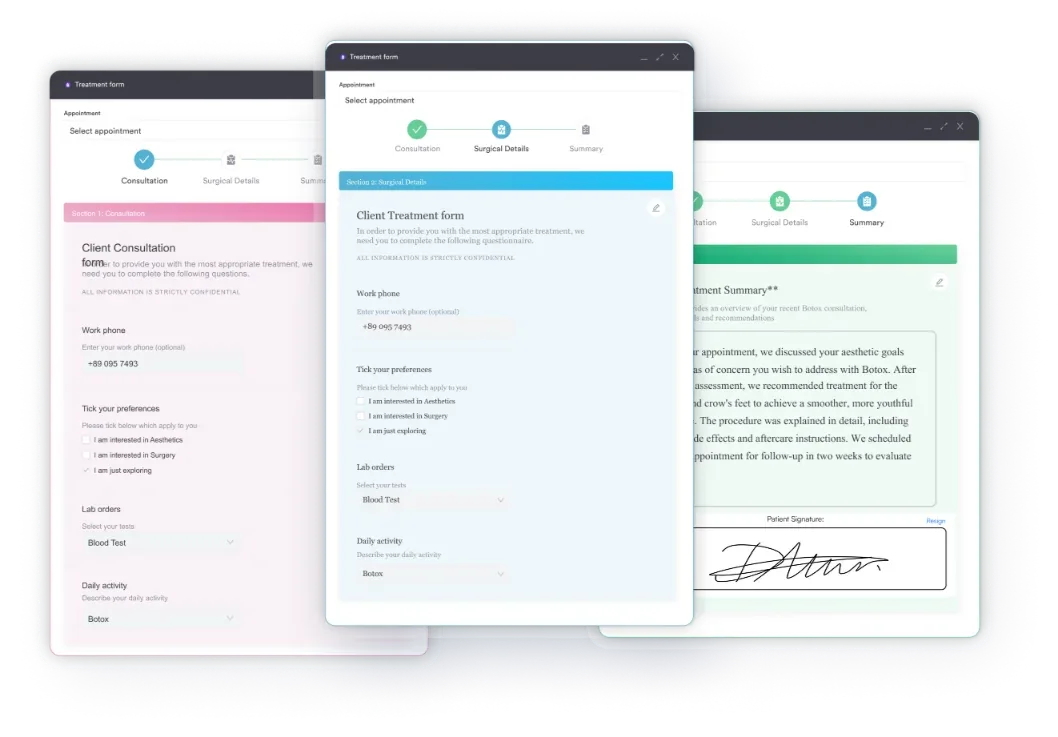
Practice management software like Pabau moves that detail to the point of care. Treatment forms are built from structured fields rather than free text, so device trade name, mechanism, and units used can be required entries. The record cannot be signed off without them.
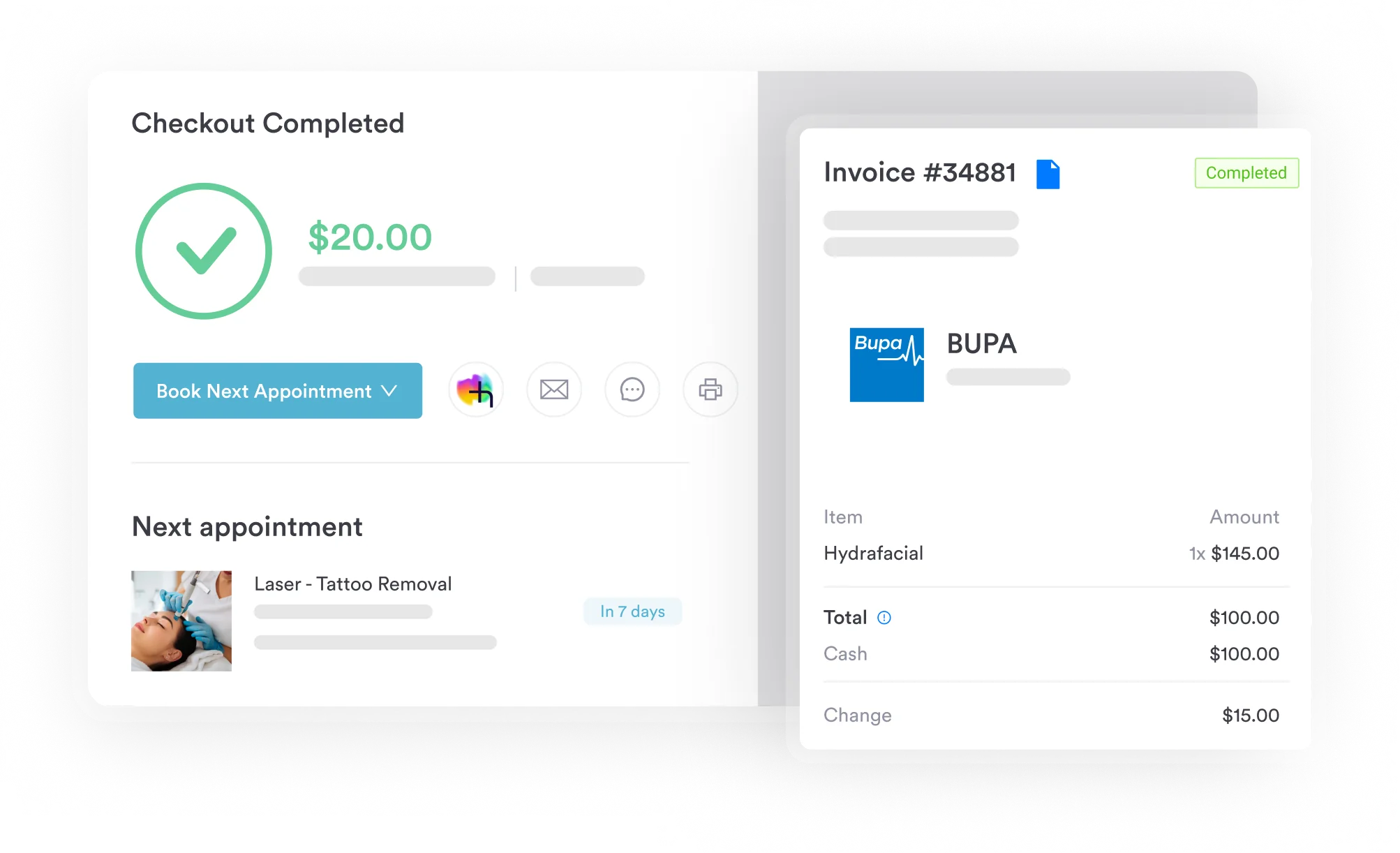
Charges itemize against the same visit record, which means your billing team sees the device and the procedure together instead of reconciling two systems. Outpatient surgical practices. Pabau’s claims management software then pulls what is already on the record into a pre-filled claim.
Your facility billers still work from the current OPPS and ASC addenda. What changes is that the clinical detail behind each device line is already there when they need it.

Pabau’s structured treatment forms and itemized checkout keep the device, the procedure, and the charge in one patient record. Your coders stop chasing operative notes for detail that should already be there.

C1714 is a small line on a large claim, and it only pays when everything around it holds up. Get the operative report to name the mechanism and the unit count, and most of the audit exposure on these claims disappears.
The second habit is calendar work. Payment indicators move on January 1. A Q4 chargemaster review is what stops a correctly reported device line from being paid on last year’s assumption.
Neither habit survives on goodwill. Both need a record that captures device detail while the case is still open. Book a demo to see how Pabau keeps that detail in one place for your coders.

Coding another catheter device this quarter? C1755 walks through the same OPPS and ASC reporting rules for a different device category.
Billing the anesthesia line on a peripheral arterial case? 01270 covers base units, time reporting, and the documentation that supports them.
Billing residential habilitation waiver services? residential habilitation billing guide covers billing HCPCS code T2016 per diem under a Medicaid HCBS waiver.
Billing an unlisted Medicaid waiver service? waiver services billing guide covers denial causes for HCPCS code T2025, the catch-all code for Medicaid waiver services.
HCPCS Code C1714 is a Level II device code describing a catheter, transluminal atherectomy, directional. It reports the directional atherectomy catheter on outpatient hospital and ASC facility claims billed under CMS OPPS and the ASC payment system.
Yes, Medicare covers C1714 when it is used in a covered cardiovascular interventional procedure in an eligible outpatient hospital or ASC. Coverage follows the OPPS APC for the companion procedure rather than a standalone NCD for the device. Verify current coverage with your MAC.
The ASC payment indicator for C1714 decides whether the device is paid separately or packaged into the ASC procedure rate. CMS updates that indicator every year in ASC Addendum BB. Check the current-year addendum instead of relying on a prior-year reference.
No modifier is specific to C1714. Laterality modifiers LT and RT are the ones that most often appear on these claims, and requirements are payer-specific. Device credits use condition code 49 or 50 with value code FD, not a modifier. Check your MAC guidance first.
C1714 describes a directional atherectomy catheter and C1724 describes a rotational one. Directional cutting removes plaque from one side of the vessel, while rotational ablates it all the way around. The operative report has to confirm which type was used before the coder chooses.
Report C1714 on a UB-04 institutional claim alongside the companion atherectomy CPT code. Pair it with the appropriate revenue code, usually 278, and report one unit per device used. Verify the current ASC or OPPS payment indicator before assuming separate reimbursement applies.



