

HCPCS code E0198: Water pressure pad billing guide
HCPCS code E0198 is a water pad for a standard mattress HCPCS code E0198 is the ...

Last Updated: Oct 13, 2026
A4561 is the HCPCS Level II code for pessary, reusable, rubber, any type.
The "any type" language in the descriptor is significant. A4561 applies regardless of pessary shape, including ring, donut, Gellhorn, cube, and Hodge styles, provided the device is made of rubber. Material is the defining variable for code selection.
Let Pabau's smart automation suggest the right codes, reduce claim denials, and keep your practice compliant—effortlessly.
Automate repetitive tasks and focus on what matters most—your patients.
Reduce coding errors and ensure compliance with the latest regulations.
Clean claims, fewer denials, and faster reimbursements.
Powerful insights and reporting to help your practice thrive.
HIPAA compliant SOC 2 certified GDPR-compliant Trusted by 4,000+ clinics worldwide

HCPCS Code A4561 describes a pessary, reusable, rubber, any type; it is a Level II HCPCS supply code used for DME billing under Medicare and most commercial payers.
A4561 must be paired with a companion CPT fitting code (such as 57160) and a supporting ICD-10 diagnosis code (typically from the N81 or N39 range) for claims to process correctly.
A4561 covers rubber pessaries only; silicone and non-rubber pessaries are billed under A4562, and using the wrong code is one of the most common denial triggers for this supply.
Pabau’s claims management software helps gynecology and pelvic health practices attach the correct HCPCS supply codes, companion CPT codes, and supporting documentation to every claim before submission.
CMS publishes updated HCPCS fee schedule rates annually. For HCPCS Code A4561, reimbursement is governed by the Medicare DMEPOS fee schedule rather than the Physician Fee Schedule. Rates vary by Medicare Administrative Contractor (MAC) jurisdiction and geographic pricing locality.
Because the 2026 national limitation amount for A4561 is subject to annual CMS adjustment, always verify the current figure directly in the CMS Physician Fee Schedule and DMEPOS fee schedule lookup tool before billing. Third-party aggregators may reflect prior-year figures.
Check your MAC’s Local Coverage Determination (LCD) for pessary coverage before submitting. Not every ICD-10 diagnosis code that seems clinically appropriate will satisfy medical necessity under your jurisdiction’s LCD. CGS, Novitas, and other MACs publish their own covered diagnosis lists.
HCPCS Code A4561 covers the supply only, and a pessary fitting or management visit generates a separate procedure charge billed with a CPT code. Both the supply code and the procedure code must appear on the claim, following the same pairing logic used across other gynecology procedure billing codes.
CPT 57160 is the standard companion code for the initial pessary fitting visit and is commonly referenced in coding guidance from the American Academy of Family Physicians (AAFP). Verify the current AMA descriptor before use, as CPT codes are updated annually. Subsequent management visits typically use the appropriate level of E&M service rather than 57160, unless a refitting is required.
Every A4561 claim needs an ICD-10 diagnosis code that establishes medical necessity. Payers and MACs review the submitted diagnosis code to determine whether the supply is covered. Missing or non-covered diagnosis codes are the second most common denial reason for pessary claims, after material-type mismatches.
Teams using OB/GYN EMR software can pre-configure default diagnosis code pairings to reduce this error at the point of care.
Coverage varies by MAC jurisdiction. Not all diagnosis codes above are covered under every Local Coverage Determination. Confirm your MAC’s current LCD for pessary coverage before billing, and document the specific clinical findings that support the selected code.
Three HCPCS A-codes cover pessary supplies: A4561, A4562, and A4564. Selecting the wrong one between the reusable rubber and non-rubber codes is the most common material-type coding error, and confusing a reusable code with the disposable code A4564 is another frequent trigger. The table below clarifies each code’s scope.
When a patient has a latex allergy or the clinician orders a silicone pessary, A4562 is the correct code. Billing A4561 for a silicone device misrepresents the supply and constitutes a coding error. For a disposable pessary supplied with no expectation of reuse, bill A4564 instead of either reusable code. The AAPC HCPCS Level II code lookup provides the full descriptor for each A-code.
Supply billing leaks revenue quietly, and medical practice management software catches unbilled items before they’re written off.
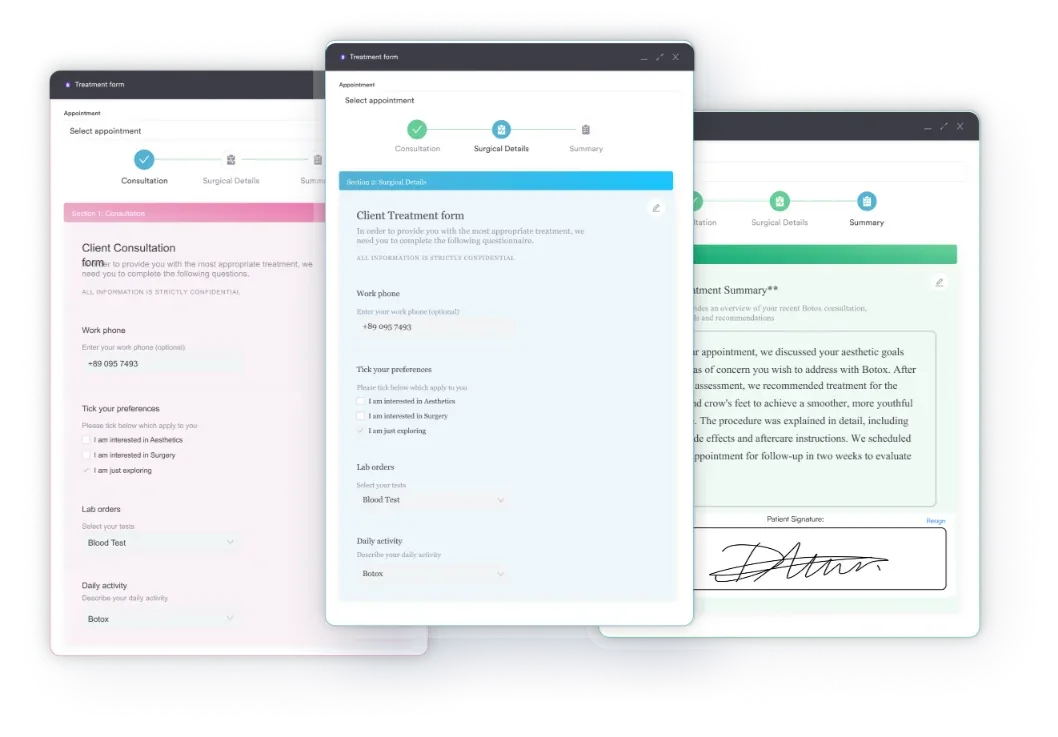
Medicare and most commercial payers require specific documentation to support A4561 claims. Missing documentation is the third most common denial trigger, after material-type errors and diagnosis mismatches. Practices using digital intake forms can pre-build pessary-specific intake templates that capture all required elements at the point of care.
Required documentation elements typically include all of the following. Confirm with your MAC’s LCD and payer contracts, as specific requirements vary.
Good medical documentation workflows reduce audit risk. Store all supporting documentation in the patient record at the time of service, not retrospectively.
Pessary claims have a predictable set of denial patterns. Knowing the specific triggers lets billing teams build workflow checkpoints that catch errors before submission rather than after.
Maintaining HIPAA-compliant documentation practices also protects against audit exposure when payers request supporting records for A4561 claims.

Pabau helps gynecology and pelvic health practices capture the right supply codes, diagnosis codes, and documentation at every visit, so claims go out clean the first time.

Billing HCPCS Code A4561 correctly requires coordination across three code types, a documentation checklist, and payer-specific LCD rules. That is a lot to verify manually at the point of care, especially in a high-volume gynecology practice.
Pabau’s claims management software lets practices pre-configure billing templates that attach the correct HCPCS supply code, companion CPT code, and supporting diagnosis code to pessary fitting encounters. The clinical records management layer captures fitting details and patient instructions directly in the patient record, giving the billing team the documentation they need without a separate chart review.
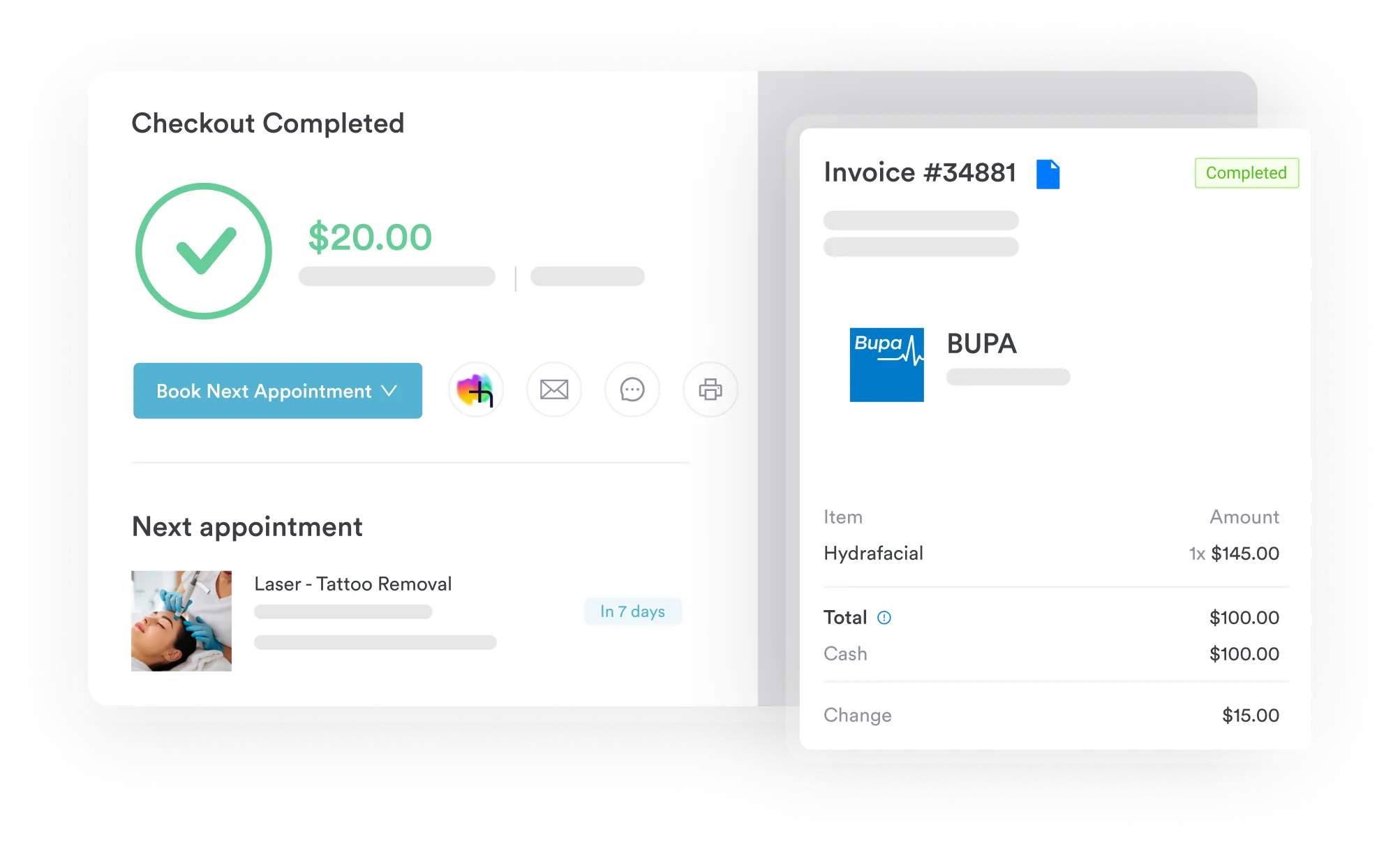
For practices managing multiple providers and locations. That means fewer returned claims, less rework, and faster reimbursement cycles.
Teams looking to move away from paper-based claim prep can pair the billing module with Pabau’s practice management software for end-to-end coverage from scheduling through payment.
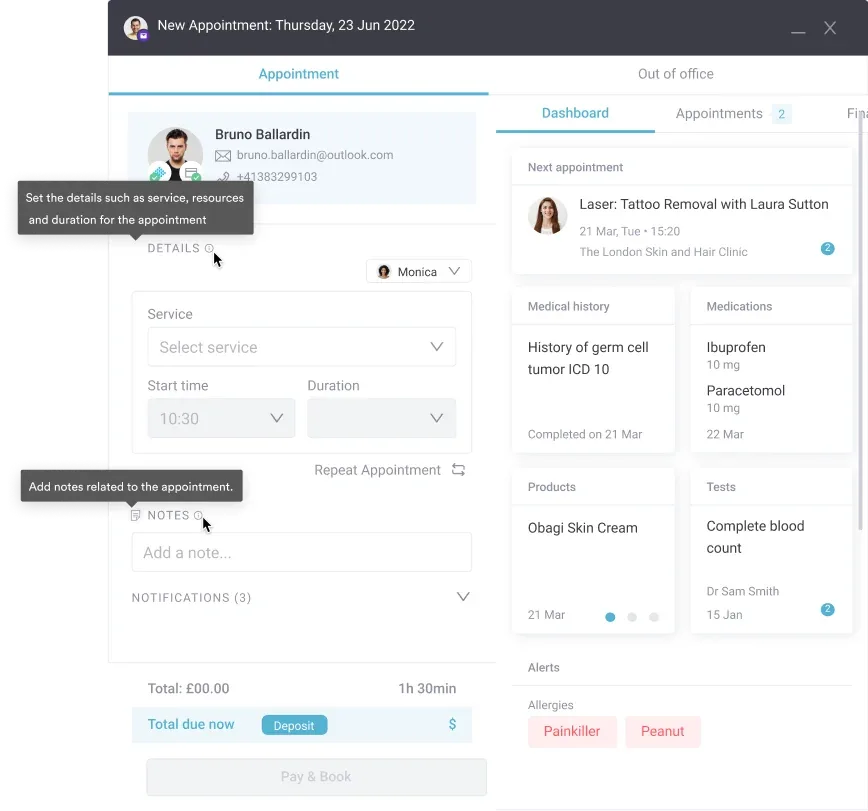
When setting up pessary billing templates in your practice management system, build separate templates for initial fitting visits (A4561 + CPT 57160) and for follow-up management visits (A4561 + appropriate E&M code). Mixing the two on a single template is a common source of CPT selection errors at follow-up.
HCPCS Code A4561 is a supply code with a narrow scope. Rubber material, reusable device, any type. Getting those three elements right before code selection, then pairing the supply code with the correct CPT and ICD-10 codes, and backing the claim with complete documentation eliminates the majority of denial triggers for pessary claims.
Practices that automate the pairing logic and documentation capture at the point of care see cleaner claim submissions and faster reimbursement. Pabau’s practice management software handles HCPCS supply billing from intake through claim submission for pelvic health and gynecology practices.
To see it applied to your own pessary and DMEPOS billing, book a demo.

Billing a different HCPCS supply code? Our guide to A4452 walks through waterproof tape billing using the same supply-code logic.
Also coding an anesthesia claim? Our guide to 00820 covers the billing rules for that procedure.
Need a diagnostic-code reference too? Our guide to M16.6 covers the billing basics for that diagnosis.
HCPCS Code A4561 describes a pessary, reusable, rubber, any type. It is a Level II HCPCS supply code used to bill durable medical equipment under Medicare Part B and most commercial payers. The “any type” language means it applies regardless of pessary shape, provided the material is rubber.
The 2026 national limitation amount for A4561 is published annually by CMS and may change each fiscal year. Always verify the current figure directly in the CMS DMEPOS fee schedule lookup tool rather than relying on third-party aggregators, which may reflect prior-year rates.
CPT 57160 (fitting and insertion of pessary or other intravaginal support device) is the standard companion code for the initial fitting visit. Follow-up management visits use the appropriate E&M level (99213 or 99214 for established patients). The supply code A4561 must appear alongside the procedure code on every claim.
A4561 covers rubber pessaries only. A4562 covers non-rubber pessaries, including silicone and latex-free devices. Using A4561 for a silicone pessary is a coding error that will trigger a denial. Always confirm the device material in the supply order before selecting the code.
The most commonly accepted diagnosis codes are from the N81 range (pelvic organ prolapse, including N81.1 cystocele, N81.2 incomplete uterovaginal prolapse, and N81.3 complete uterovaginal prolapse) and N39.3 (stress urinary incontinence). Coverage varies by MAC jurisdiction; verify the covered-diagnosis list in your MAC’s Local Coverage Determination before billing.
No. CMS discontinued Certificates of Medical Necessity nationwide for all dates of service on or after January 1, 2023. A Standard Written Order (SWO) from the treating practitioner is now the required order documentation for A4561 claims, regardless of MAC jurisdiction.



