

HCPCS code E0198: Water pressure pad billing guide
HCPCS code E0198 is a water pad for a standard mattress HCPCS code E0198 is the ...

Last Updated: Oct 13, 2026
A4326 is the HCPCS Level II code for male external catheter with integral collection chamber, any type, each.
The official CMS descriptor for HCPCS Code A4326 reads: Male external catheter with integral collection chamber, any type, each. It is a Level II HCPCS supply code classified under the Medical and Surgical Supplies section (A-codes), maintained by the Centers for Medicare and Medicaid Services, or CMS. The code is billed per unit, one catheter at a time.
The phrase "integral collection chamber" in the descriptor is the critical differentiator. It means the chamber that collects urine is built into the catheter assembly itself, rather than connected via a separate drainage tube or bag.
This single design feature is what separates A4326 from its closest relative, A4349. Understanding this distinction prevents the most common coding error in the external catheter family.
A4326 falls within the DMEPOS billing framework, meaning it is billed by an enrolled DMEPOS supplier, not by the treating physician's practice. Suppliers must be Medicare-enrolled and meet supplier standards to receive reimbursement.
For practices that also supply urological equipment, keeping physician orders and delivery confirmations separate from clinical billing records reduces the risk of claim crossover errors.
Let Pabau's smart automation suggest the right codes, reduce claim denials, and keep your practice compliant—effortlessly.
Automate repetitive tasks and focus on what matters most—your patients.
Reduce coding errors and ensure compliance with the latest regulations.
Clean claims, fewer denials, and faster reimbursements.
Powerful insights and reporting to help your practice thrive.
HIPAA compliant SOC 2 certified GDPR-compliant Trusted by 4,000+ clinics worldwide

HCPCS Code A4326 describes a male external catheter with integral collection chamber, any type, billed per unit under Medicare Part B DMEPOS.
Medicare covers A4326 for urinary incontinence or retention when medical necessity is documented and a valid physician order is on file.
A4326 and A4349 are frequently confused: A4326 includes an integral collection chamber; A4349 does not. Using the wrong code is a leading denial reason.
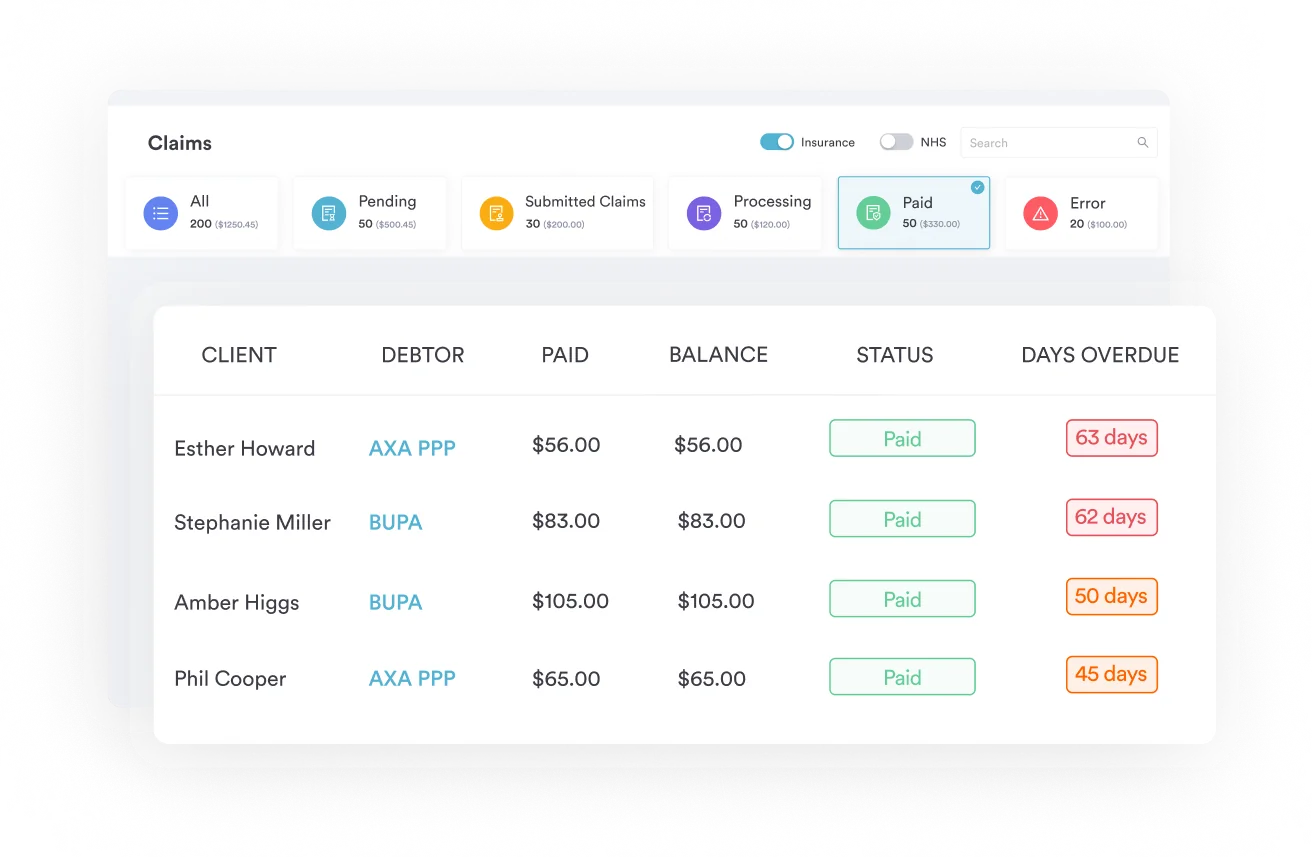
Pabau’s structured client records and claims management tools help DMEPOS suppliers keep physician orders, delivery confirmations, and claim status organized in one place.
Medicare Part B covers HCPCS Code A4326 under the DMEPOS benefit when three conditions are met: the patient has a documented medical need, a valid physician order exists, and the treating physician has examined the patient within the required timeframe. Coverage is not automatic on the basis of diagnosis alone.
According to CMS Policy Article A52521, which governs urological supplies under Medicare, A4326 is covered for the following clinical indications:
Medical necessity requires physician documentation confirming the condition, its severity, and why an external catheter with integral collection chamber is the appropriate device.
Local Coverage Determinations (LCDs) issued by Medicare Administrative Contractors (MACs) such as Noridian Healthcare Solutions may impose additional criteria for their jurisdictions. Suppliers should confirm applicable LCD requirements with their MAC before filing claims.
Practices that treat urinary incontinence and other pelvic health conditions directly, rather than only supplying the device, often manage the clinical visit and the DMEPOS billing side by side.
Medicaid coverage for A4326 varies by state program. Some states mirror Medicare criteria; others apply different quantity limits or prior authorization requirements. Verify coverage directly with the applicable state Medicaid agency before billing.
Insufficient documentation is the leading cause of A4326 claim denials and post-payment audits. The file must support both the medical necessity and the specific device billed. Billing staff should verify these elements before claim submission, not after a denial arrives.
Required documentation for an A4326 claim includes:
Maintaining these records in a structured, accessible patient file is essential for both initial claims and retrospective audits. Digital patient records reduce retrieval time during audits.
For practices managing high volumes of supply claims.
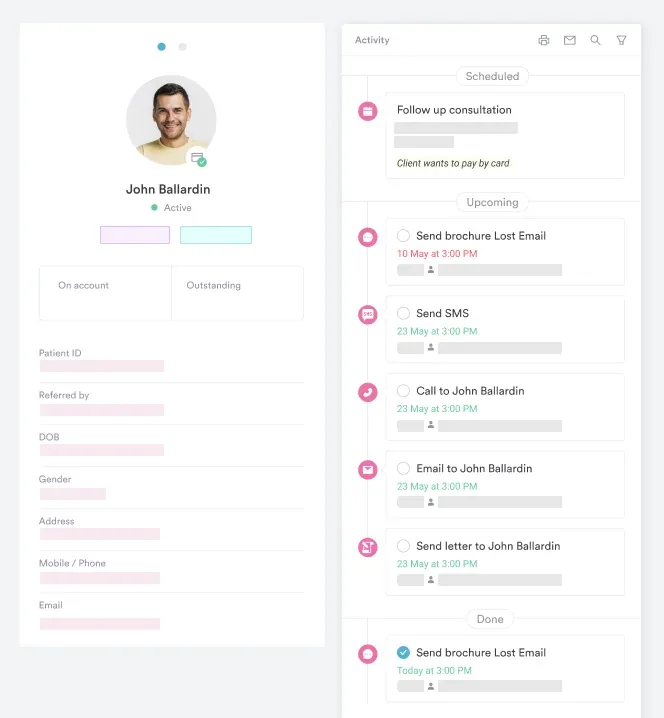
Flag each A4326 claim file with a documentation checklist before submission: physician order, diagnosis note, face-to-face exam record, and proof of delivery. A missing delivery confirmation alone is enough for Medicare to demand full repayment on audit.
Medicare reimbursement for HCPCS Code A4326 is set through the Physician Fee Schedule and the DMEPOS fee schedule, with payment amounts varying by Medicare Administrative Contractor (MAC) locality. The allowable reimbursement is based on a pricing indicator assigned to the code and is updated annually.
Fee schedule rates change each January 1 for the upcoming calendar year. Always verify the current allowable with the applicable MAC or through the CMS fee schedule files before quoting rates to patients or for business planning.
The figures below reflect general 2025/2026 ranges; payment amounts depend on locality and current year data.
CMS Policy Article A52521 and MAC-specific LCDs impose quantity limits on external catheters billed under A4326. These limits reflect typical clinical use patterns and are enforced at adjudication.
Standard Medicare quantity limits for male external catheters generally allow a set number of units per month, based on the clinical documentation supporting daily use. Billing above the standard quantity without documented clinical justification triggers automatic claim editing and potential denial.
Some MACs apply prior authorization requirements when quantities exceed a defined threshold. Confirm applicable rules with your billing MAC before supplying above-standard quantities.
Quantity limits for urological supplies can be updated by CMS or individual MACs. Always confirm current limits directly from the applicable LCD or policy article before billing. Overstating quantities in claims, even inadvertently, creates overpayment liability.
The best medical practice management systems tie supply usage to invoices, so dressing changes stop being free.
Every A4326 claim requires at least one ICD-10-CM (International Classification of Diseases, 10th Revision, Clinical Modification) diagnosis code that establishes medical necessity.
The diagnosis code must correspond to a condition listed in the governing LCD or CMS policy article. Using an unsupported diagnosis code is a common denial trigger, even when the device is clinically appropriate.
ICD-10-CM codes are updated annually on October 1. Always verify codes against the current-year CMS tables before billing. The crosswalk below reflects commonly used diagnoses for A4326 claims, based on CMS Policy Article A52521 guidance. Confirm applicability with the MAC-specific LCD for your jurisdiction.
When the diagnosis code on the claim does not appear in the LCD’s covered diagnoses list, Medicare will typically deny the claim as not medically necessary, regardless of the clinical reality. Practices using integrated EHR integration that maps diagnosis codes to supply codes at the point of ordering can catch mismatches before submission rather than after denial. Billing compliance asks a narrower question than coding accuracy: can the practice defend this claim on review.
Most A4326 denials trace back to a handful of recurring errors. Understanding them before filing reduces rework and prevents the cash flow disruption that delayed claims create for DMEPOS suppliers.
Common denial reasons include wrong code selection (billing A4349 instead of A4326 when the device has an integral chamber), missing physician order at the time of supply, unsupported diagnosis codes, quantities exceeding MAC limits without prior authorization, and missing or unsigned proof of delivery. Each is avoidable with the right pre-billing workflow.
Submitting an A4326 claim correctly requires a structured sequence. Most errors occur when steps are skipped or completed out of order. This step-by-step workflow covers the full claim cycle:
For practices managing DMEPOS supply claims alongside clinical billing, keeping supply documentation separate from clinical notes prevents file confusion during audits.
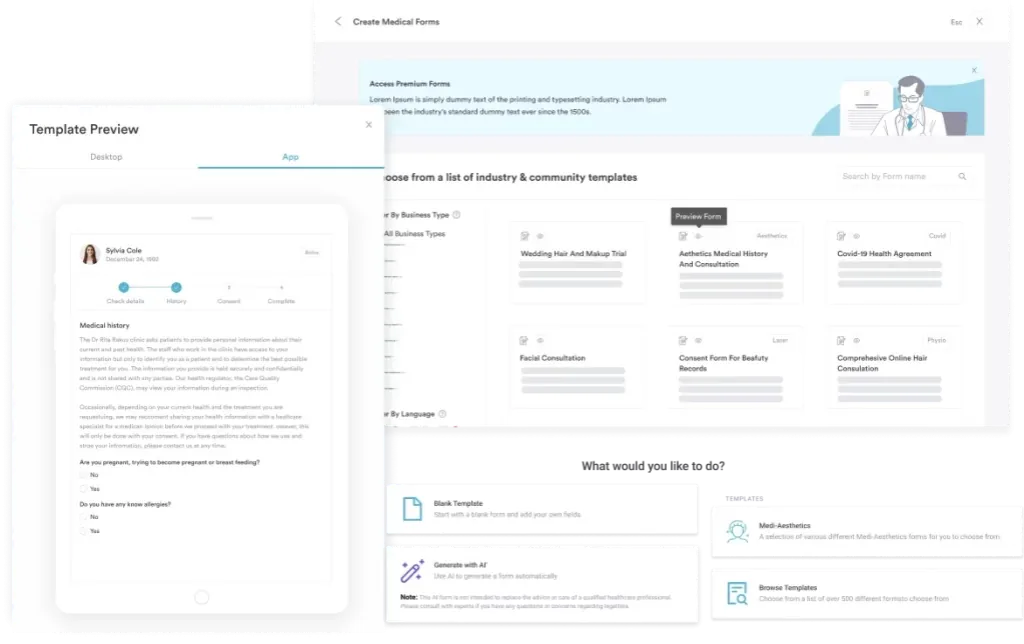

Practice management software like Pabau keeps physician orders, diagnosis notes, and delivery confirmations organized in one place for DMEPOS suppliers and billing teams, so documentation is ready before a claim is ever filed.

The external catheter code family includes several closely related codes. Selecting the correct one depends on the specific device design and whether the patient is male or female. Mixing up these codes is the most frequent billing error in this category, because the devices look similar and clinical staff often order by device name rather than descriptor.
The A4326 vs. A4349 distinction is the most important to internalize. Both are male external catheters. The difference is purely structural: A4326 has the collection chamber built in, while A4349 requires a separately billed drainage bag. Bill the code that matches the physical device delivered, verified against the manufacturer’s product specifications if needed.
For HCPCS Level II code lookups and crosswalks, the AAPC Codify HCPCS lookup and the National Library of Medicine’s Clinical Table Search API provide up-to-date descriptor and classification data.
When a patient switches from a standard external catheter (A4349) to an integral-chamber device (A4326), update the physician order to specify the new device type before billing the new code. Billing A4326 against an order written for A4349 creates a descriptor mismatch that auditors flag during post-payment review.
Most A4326 claim denials come down to a single missed step: a physician order obtained after supply, a delivery confirmation left unsigned, or a diagnosis code that does not appear in the MAC’s covered list. These are not clinical errors. They are documentation workflow failures.
Pabau’s structured client records keep physician orders, delivery confirmations, and clinical notes in one system, so DMEPOS billing teams can catch a missing order or an unsigned delivery confirmation before it turns into a denial.
Pabau’s claims management software also gives billing teams a single view of claim status from submission through payment. To see how it fits a urological supply billing workflow, book a demo.

Billing a HCPCS code that was recently retired? HCPCS Code J1040 walks through the replacement codes and documentation changes suppliers need after a deletion like this.
Need a diagnostic code lookup outside the urology billing family? ICD-10 Code L26 covers the billable status and coding guidelines for exfoliative dermatitis.
Billing short-term residential behavioral treatment? Short-term residential billing guide covers H0018, billed per calendar day, and why room and board isn’t included.
HCPCS Code A4326 is a Medicare Level II supply code used to bill for a male external catheter with an integral collection chamber. It is billed per unit by enrolled DMEPOS suppliers for male patients with documented urinary incontinence or retention, where the catheter’s built-in chamber collects urine without a separate drainage bag.
Yes, Medicare Part B covers HCPCS Code A4326 when medical necessity is documented and a valid physician order is on file. Coverage is governed by CMS Policy Article A52521 and applicable MAC Local Coverage Determinations. The patient’s diagnosis must appear on the covered ICD-10-CM list for the claim to be paid.
A4326 includes an integral collection chamber built into the catheter assembly; A4349 does not. A4349 requires a separately billed external drainage bag, while A4326 functions as a standalone unit. Both apply to male patients only. Billing A4349 when the device supplied has an integral chamber is a coding error that creates audit exposure.
Required documentation includes a signed physician order specifying the catheter type and quantity, medical records confirming the covered diagnosis, a face-to-face physician examination note within the MAC-required timeframe, and a signed proof of delivery from the beneficiary. All records must be retained for at least seven years under Medicare supplier standards.
Commonly used ICD-10-CM codes that support A4326 medical necessity include N39.3 (stress incontinence), N39.41 (urge incontinence), N39.46 (mixed incontinence), R32 (unspecified urinary incontinence), N31.9 (neuromuscular dysfunction of bladder), and G82.20 (paraplegia). Always verify against the current MAC LCD, as covered diagnosis lists can be updated.
Quantity limits for A4326 are set by CMS Policy Article A52521 and individual MAC LCDs; the standard allowance reflects typical daily clinical use. Billing above the standard quantity without documented clinical justification and prior authorization triggers claim editing or denial. Confirm current limits with your MAC before supplying quantities above the standard threshold.
Medicaid coverage for HCPCS Code A4326 varies by state. Some state Medicaid programs mirror Medicare criteria; others apply different quantity limits, prior authorization requirements, or coverage conditions. Verify coverage directly with the applicable state Medicaid agency and the payer’s provider manual before billing.



