

CCSD code G5100: Bypass of duodenum billing guide
CCSD code G5100 bills a bypass that leaves the duodenum in place CCSD code G5100...

Last Updated: Oct 16, 2026
A4231 is the HCPCS Level II code for infusion set for external insulin pump, needle type.
Let Pabau's smart automation suggest the right codes, reduce claim denials, and keep your practice compliant—effortlessly.
Automate repetitive tasks and focus on what matters most—your patients.
Reduce coding errors and ensure compliance with the latest regulations.
Clean claims, fewer denials, and faster reimbursements.
Powerful insights and reporting to help your practice thrive.
HIPAA compliant SOC 2 certified GDPR-compliant Trusted by 4,000+ clinics worldwide

HCPCS Code A4231 describes a needle-type infusion set for an external insulin pump, but Medicare does not pay for it as a separate line item.
CMS Policy Article A52507 bundles A4231 into HCPCS Code A4224, the weekly all-inclusive supply allowance for external insulin pump maintenance, so suppliers bill A4224 instead.
Medical necessity is established through the physician’s written order and supporting medical record documentation, not a Certificate of Medical Necessity — Medicare discontinued CMNs and DME Information Forms for claims dated January 1, 2023 or later.
A4230 and A4233 are also frequently mislabeled: A4230 is the non-needle cannula infusion set, and A4233 is a replacement battery for a home blood glucose monitor, not the insulin pump itself.
Practice management software like Pabau helps DME suppliers keep physician orders, diagnosis codes, and supply records organized so A4224 claims go out clean the first time.
HCPCS Code A4231 is a Level II HCPCS supply code that describes an infusion set for an external insulin pump, specifically the needle type. It is maintained by the Centers for Medicare & Medicaid Services, or CMS, as part of the DMEPOS (Durable Medical Equipment, Prosthetics, Orthotics, and Supplies) category.
The “needle type” designation distinguishes A4231 from A4230, the non-needle cannula infusion set for the same external insulin pump device. Both descriptors matter for documentation and clinical ordering, but neither is billed on its own. CMS Policy Article A52507 includes both in HCPCS Code A4224, the weekly all-inclusive supply allowance for external insulin pump maintenance. For a full lookup, AAPC’s code lookup tool allows filtering by the A-series and confirming descriptor accuracy.
HCPCS Code A4231 describes a replacement needle-type infusion set for a patient on continuous subcutaneous insulin infusion (CSII) therapy. CSII delivers basal and bolus insulin doses via a programmable pump worn by the patient. The infusion set connects the pump reservoir to the subcutaneous tissue.
Clinical scenarios for a needle-type set include patients with Type 1 diabetes (insulin-dependent) managed on CSII. They also include select Type 2 patients whose physician has documented medical necessity for pump therapy over multiple daily injections. Patients typically replace their infusion sets every 2-3 days to reduce infection risk and maintain insulin delivery accuracy. Each replacement set is a covered supply within the weekly A4224 allowance, not a separately billable line item.
DME suppliers should still ensure clinical documentation specifies “needle type” explicitly. This detail drives clinical ordering and audit review even though the supply bills under A4224. Using prescription management software that captures device type and supply specifications at the point of order reduces the missing details that lead to post-claim audits.
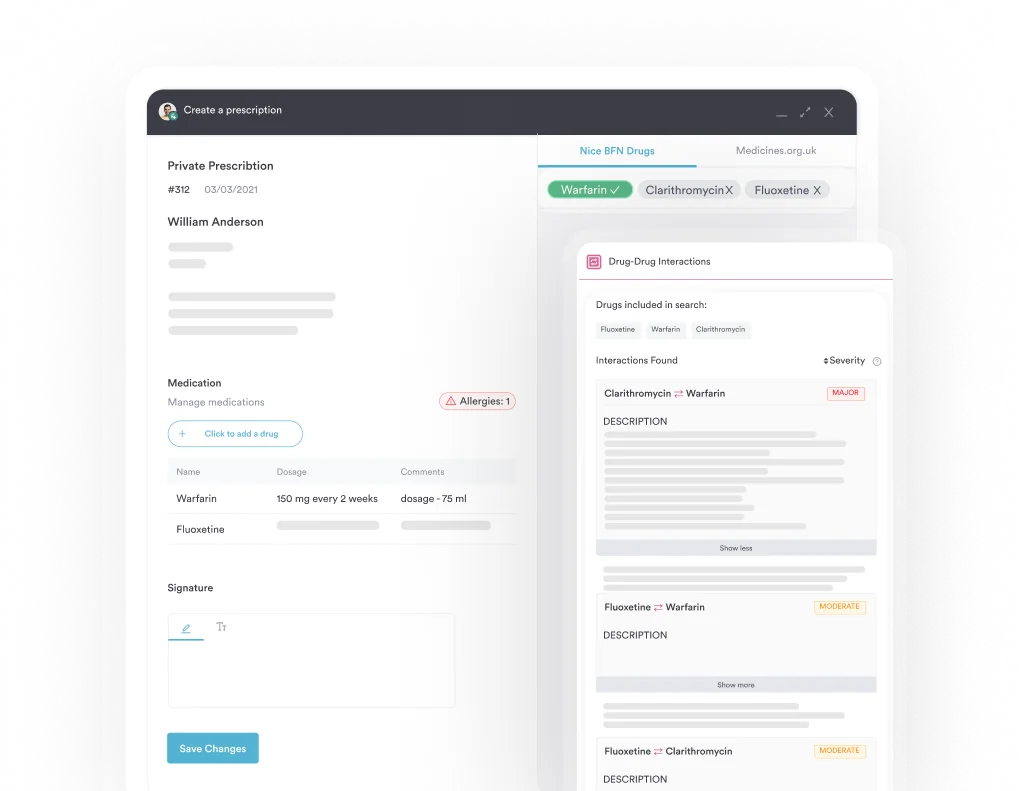
Medicare covers infusion supplies for external insulin pumps under the DMEPOS benefit when medical necessity is documented. Coverage follows the applicable Local Coverage Determination (LCD) and CMS Policy Article A52507. Because A4231 is not separately billable, this coverage applies to HCPCS Code A4224, the weekly supply allowance that includes the needle-type infusion set.
Policy Article A52507 covers non-insulin pumps too, and the bundling rule does not carry over. Supplies for a chemotherapy or pain pump are counted per cassette or bag under HCPCS Code A4222.
Maintaining medical necessity documentation forms that align with current CMS requirements reduces audit exposure significantly. Key coverage requirements include:
DME suppliers managing Medicare beneficiary records have a parallel obligation. They must ensure HIPAA-compliant practice software stores and transmits physician orders and medical record documentation correctly. Missing or outdated documentation, not a missing CMN, is the leading cause of post-payment recoupment in DMEPOS audits since the CMN/DIF requirement ended.
With built-in inventory tracking, every dressing or catheter billed under these codes matches recorded stock movement.
HCPCS Code A4231 does not carry its own DMEPOS fee schedule rate. CMS Policy Article A52507 states that A4230 and A4231 “are not valid for claim submission to the DME MAC because they are included in code A4224.” It adds that “separate billing for any item… will be denied as unbundling.” The reimbursement that matters is the one Medicare pays under HCPCS Code A4224, the weekly all-inclusive supply allowance for the external pump (E0784). It covers cannulas, needles, dressings, and other infusion supplies, but excludes the insulin reservoir, which is billed separately under A4225.
Never submit A4230 or A4231 alongside A4224 for the same date of service. Doing so duplicates a supply that is already paid within the weekly allowance and triggers an unbundling denial. Always verify current-year A4224 rates from the CMS DMEPOS fee schedule before billing.
Every claim for HCPCS Code A4224 requires a supporting ICD-10 diagnosis code that establishes medical necessity for CSII therapy. This applies whether the pump uses a needle-type (A4231) or non-needle (A4230) infusion set. Medicare’s LCD for external infusion pumps specifies covered diagnoses. The primary category is insulin-dependent diabetes mellitus (Type 1). Billing with an unsupported diagnosis code is among the top reasons for denial.
Important: The ICD-10 codes above are commonly cited in LCD crosswalk references. Always verify the active covered diagnosis list against the current CMS LCD for external infusion pumps before submitting claims. Covered diagnoses can change with annual LCD updates. Using digital intake forms that capture patient diagnosis information in a structured, codeable format streamlines this verification step at the point of order.
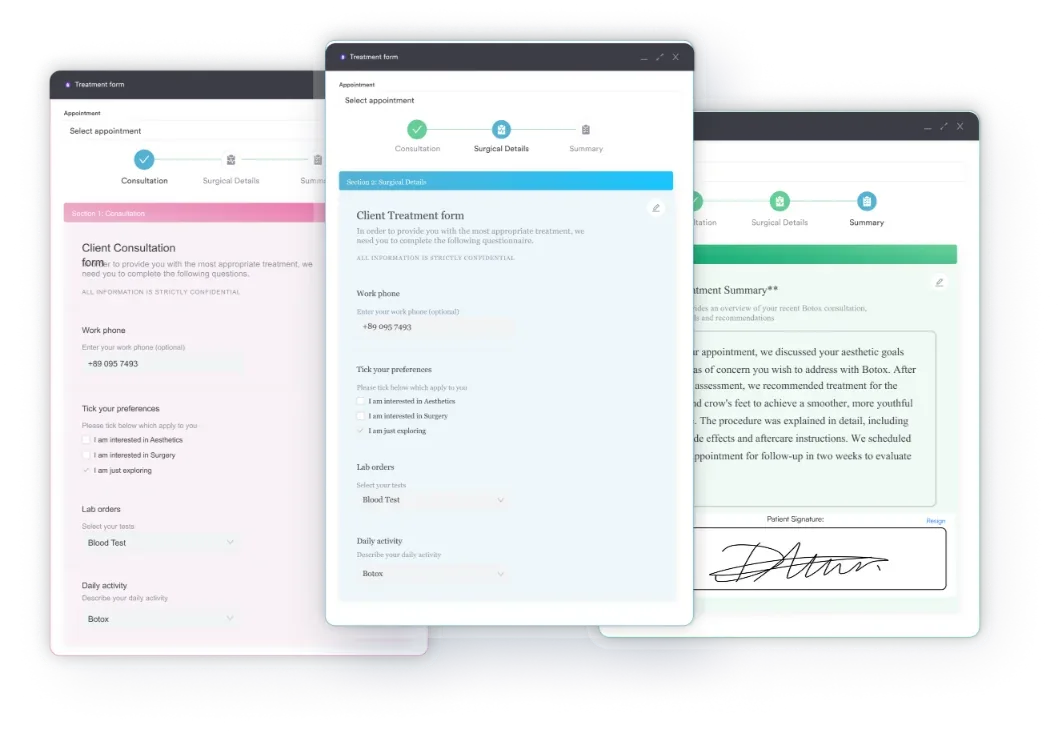
Modifier selection and frequency compliance are where most claims involving a needle-type infusion set run into trouble. The billing rules apply to HCPCS Code A4224, not to A4231 directly. Applying the wrong modifier, attaching an obsolete CMN, or submitting above the allowed frequency triggers automatic edits.
The KX modifier is the most critical for routine A4224 Medicare billing. Submitting without KX when documentation exists leaves money on the table. Submitting KX when documentation is incomplete exposes the supplier to recoupment. Verify documentation status before every claim submission using a workflow that flags incomplete physician-order or medical-record files before the billing queue.
Medicare applies frequency limits to A4224 through the applicable LCD, since it is billed as a weekly all-inclusive allowance rather than a per-unit supply. The number of weeks billed is based on the patient’s pump usage protocol and documented medical necessity. The specific allowed frequency must be verified against the current active LCD, as CMS adjusts these periodically. Billing more weeks than the LCD allows, without documentation of higher clinical need, results in automatic claim edits and denial of excess units.
Tracking billed weeks per beneficiary requires a system that can flag when a patient approaches their allowed frequency within a billing period. Practice management software like Pabau keeps physician orders, diagnosis codes, and supply records organized in one place. That helps prevent inadvertent overbilling, which is both a denial risk and a compliance concern under Medicare’s DMEPOS rules. Ensure all HIPAA-compliant billing documentation is retained per the applicable record retention schedule.
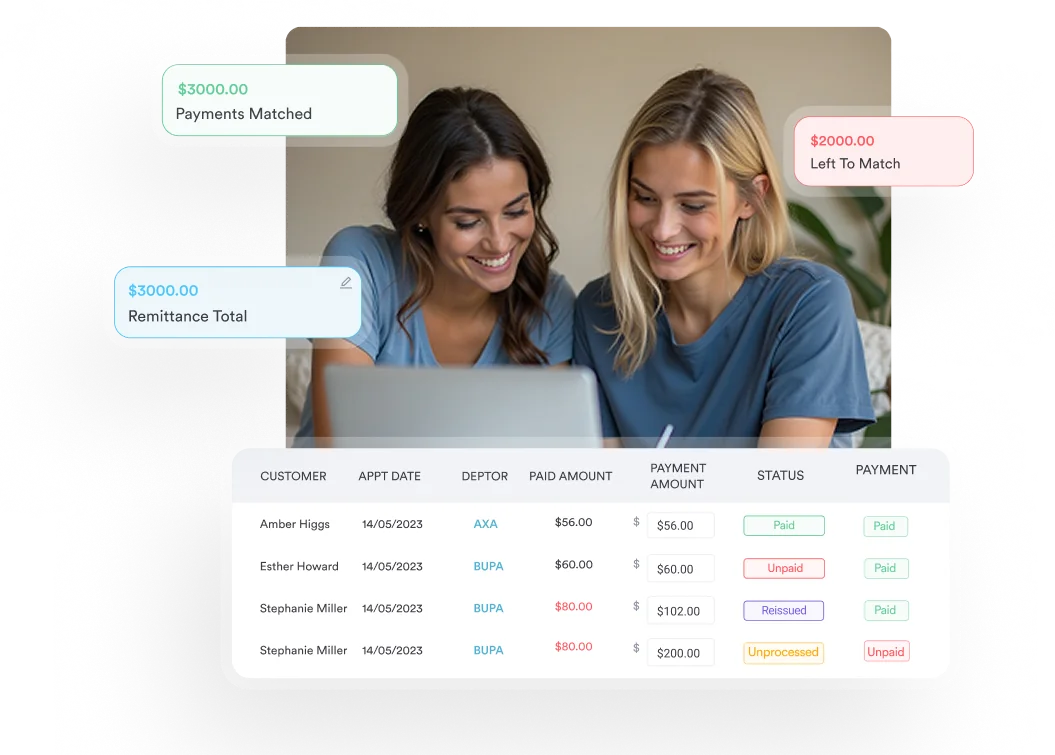
Flag every A4224 claim that includes a needle-type infusion set for a two-step review before submission: first confirm the KX modifier is supported by the physician’s order and medical record documentation, then verify the billed weeks do not exceed the beneficiary’s allowed frequency under the LCD. This two-gate check eliminates the two most common denial reasons in a single workflow step.
The A4225, A4230-A4233 code range covers infusion sets and related supplies for external insulin pumps. Selecting the wrong code from this cluster is a frequent billing error. For the syringe code in this range, see A4232 for its own billing status.
A4230 and A4231 are the most commonly confused pair, and both share the same billing status: neither is separately payable. CMS Policy Article A52507 bundles both into HCPCS Code A4224. Clinically, the distinction is still worth documenting. A needle-type set (A4231) uses a steel needle that stays in the subcutaneous tissue throughout the wear period. A non-needle set (A4230) uses a soft cannula inserted via a retractable needle guide. The guide then withdraws, leaving only the flexible cannula in place. A4225, the insulin reservoir cartridge, is the one code in this range billed separately from A4224 rather than bundled into it. A4233 is unrelated to the pump entirely: it is a battery for the patient’s home blood glucose monitor.
HCPCS Code A4231 is never billed on its own. Here is the end-to-end billing process for DME suppliers submitting the weekly A4224 claim that includes a needle-type infusion set. Using medical practice management software that integrates with your billing queue makes each step faster and auditable.
That reduces manual transcription errors that generate step 7 and 8 failures.
HCPCS Code A4231 has a predictable denial pattern, and the top error is billing it in the first place. The same errors appear repeatedly across DMEPOS audits and AAPC member forum discussions. Addressing each one in your pre-submission workflow eliminates the majority of rejections. Most avoidable denials on this code trace back to eligibility verification that was never run.
Build a five-field pre-submission checklist for every A4224 claim that includes a needle-type infusion set: (1) physician order and medical record documentation on file (no CMN needed), (2) ICD-10 code on the covered list, (3) KX modifier attached when supported, (4) billed weeks within the LCD’s allowed frequency, (5) A4230 and A4231 are not itemized separately anywhere on the claim. Claims that clear all five fields have near-zero routine denial rates.
Many DME suppliers still track physician orders, diagnosis codes, and supply specifications for insulin pump patients across separate spreadsheets and paper charts. That split makes it easy to miss the detail that supports a clean A4224 claim. Examples include whether the pump uses a needle or non-needle infusion set, or whether the physician’s order was signed before delivery. Whether the order originates from a general practice or a metabolic health practice managing insulin-dependent patients, the same missing detail causes the same claim denial.
Practice management software like Pabau keeps the physician’s order, diagnosis codes, and supply details from intake in one patient record. Billing staff can confirm documentation is complete before a claim goes out, instead of finding a missing item after a denial arrives.
The result is fewer claims returned for missing modifiers or unsupported diagnoses, and less time spent reconstructing documentation after the fact.

Pabau’s practice management software keeps physician orders, diagnosis codes, and supply records together in one patient file, helping DME suppliers and practice billing teams confirm documentation is complete before submitting a claim.

HCPCS Code A4231 is straightforward to describe but easy to bill incorrectly, because Medicare never pays it as its own line item. CMS Policy Article A52507 bundles it, along with A4230, into HCPCS Code A4224. The CMN requirement that older billing guides still reference ended for dates of service on or after January 1, 2023.
Getting the claim right now comes down to billing A4224 and attaching the KX modifier when the physician’s order and medical record documentation support it. Pair the claim with a covered ICD-10 code, and never itemize A4230 or A4231 separately. Book a demo to see how Pabau keeps that documentation organized for DME suppliers and practice billing teams.

Billing a different DME or diagnostic code? A4641 covers the documentation habits that keep radiopharmaceutical claims from denial.
Still billing radiosurgery under a deleted code? CPT 77372 radiosurgery billing guide explains why G0173 was deleted and how to bill single-session radiosurgery under CPT 77372 today.
Coding a complex surgical claim? 11005 walks through the bundling rules and modifiers a debridement claim needs.
Curious about skin lesion destruction billing? 17264 breaks down the size-based CPT tiers coders often mix up.
HCPCS Code A4231 is a Level II supply code for a needle-type infusion set used with an external insulin pump. It applies to continuous subcutaneous insulin infusion (CSII) therapy. Medicare does not pay it separately, because it is bundled into HCPCS Code A4224, the weekly supply allowance for the pump.
A4230 describes a non-needle (soft cannula) infusion set for an external insulin pump, while A4231 describes the needle (steel cannula) type. Both are bundled into HCPCS Code A4224 for Medicare billing, so the distinction matters for clinical documentation and ordering, not for separate reimbursement.
Not as a separate line item. CMS Policy Article A52507 includes A4231 in the weekly allowance paid under HCPCS Code A4224, so billing A4231 on its own is denied as unbundling. The needle-type set is covered as part of a compliant A4224 claim, supported by the physician’s order and medical record documentation. Medicare replaced the Certificate of Medical Necessity requirement for dates of service on or after January 1, 2023.
The primary supported diagnoses for an A4224 claim with a needle-type infusion set are Type 1 diabetes codes in the E10 series. Examples include E10.9, E10.649, and E10.65. Select Type 2 insulin-dependent diabetes codes may also be covered when physician documentation establishes medical necessity. Always verify against the current CMS LCD covered diagnosis list before submitting.
A4231 itself does not carry modifiers because Medicare never pays it as a separate line item. It is bundled into HCPCS Code A4224. On the A4224 claim, KX confirms documentation meets LCD requirements. GA indicates a signed Advance Beneficiary Notice is on file when coverage may be denied. GZ reports an item expected to be denied as not reasonable and necessary when no ABN is on file, which results in an automatic denial.
No. Medicare does not set a per-unit limit on A4231 because the code is never billed on its own. The applicable LCD instead sets the allowed billing frequency for HCPCS Code A4224, the weekly bundled supply allowance that includes the needle-type set. Suppliers bill by week, and exceeding the allowed frequency without documented clinical justification triggers a CO-119 denial.



