

HCPCS code E0198: Water pressure pad billing guide
HCPCS code E0198 is a water pad for a standard mattress HCPCS code E0198 is the ...

Last Updated: Oct 13, 2026
A4206 is the HCPCS Level II code for syringe with needle, sterile, 1 cc or less, each.
A biller sets up HCPCS code A4206 as its own line for every allergy shot, then watches the claim bounce back unpaid. The syringe isn't the problem. It's the billing setup.
Medicare Part B's incident-to rules explain why. A syringe used to give an injection in the office gets folded into the payment for that injection. It isn't billed as a separate charge.
That one distinction, bundled versus billed on its own, decides almost everything else about A4206: enrollment, pricing, and modifiers included. Here's how to get it right in both directions.
Let Pabau's smart automation suggest the right codes, reduce claim denials, and keep your practice compliant—effortlessly.
Automate repetitive tasks and focus on what matters most—your patients.
Reduce coding errors and ensure compliance with the latest regulations.
Clean claims, fewer denials, and faster reimbursements.
Powerful insights and reporting to help your practice thrive.
HIPAA compliant SOC 2 certified GDPR-compliant Trusted by 4,000+ clinics worldwide

HCPCS code A4206 identifies a sterile syringe with needle, 1 cc or less, each, a disposable Level II HCPCS supply, not a stand-alone procedure.
When staff give the injection in-office, A4206 is usually bundled into the administration or procedure code under Medicare Part B incident-to rules. Separate DMEPOS billing applies mainly to take-home dispensing.
A4206 is carrier-priced. The local DME MAC sets the payable amount, so check the CMS DMEPOS Fee Schedule file or your DME MAC’s own tool, not the CMS Physician Fee Schedule lookup.
Practice management software like Pabau helps injection-based practices track syringe and needle supplies at the encounter level for a clean documentation trail, while claims management handles the insurer-submission side.
HCPCS code A4206 describes a syringe with needle, sterile, 1 cc or less, each. The Centers for Medicare & Medicaid Services (CMS) maintains it as a Level II HCPCS supply code. It sits inside the Injection and Infusion Supplies range (A4206 to A4232) and the broader Medical and Surgical Supplies range (A4206 to A8004). The code covers a disposable, single-use item, not durable equipment and not a procedure in its own right. Compliance risk rises where one person codes, bills and reconciles without a second review. Denial codes in medical billing group the reasons a payer refuses, and the group decides the fix.
The billing unit is “each,” meaning one syringe-and-needle combination per line. Bill the exact count used during the encounter, not an estimated batch. Even so, most practices will never see A4206 pay out as a stand-alone charge. It’s usually bundled into whatever service used it, and the next section explains why.
Most A4206 claims never reach a payer as a separate line, and that’s by design. Picture a nurse giving an allergy shot in the office with the practice’s own supplies. Medicare’s incident-to rules apply here, so the syringe folds into the payment for the injection or administration code.
The same logic covers hormone-pellet insertion.
CMS treats the syringe the way it treats gauze or an alcohol wipe. It’s a supply consumed while delivering a service, not a billable service on its own. The same logic shows up elsewhere in coding: simple wound closure bundles into an excision code like 11442, not billed on its own.
Adding A4206 as an extra line on top of the injection code, for the same encounter, is a common denial trigger. If your system defaults A4206 to its own charge item for every in-office shot, expect rework, not extra revenue.
The same bundling question runs through other supply codes. With A4270, an NCCI edit decides whether the disposable endoscope sheath is already paid for by the endoscopy CPT code.
The exception is take-home dispensing. Say a practice sends a patient home with syringes and needles for self-administered injections, instead of giving the shot in-house.
That supply can move onto its own DMEPOS claim to the DME MAC. Insulin-dependent patients tracking glucose monitoring supplies like A4235, patients self-injecting biologics.
Before billing A4206 as a separate DMEPOS line, confirm:
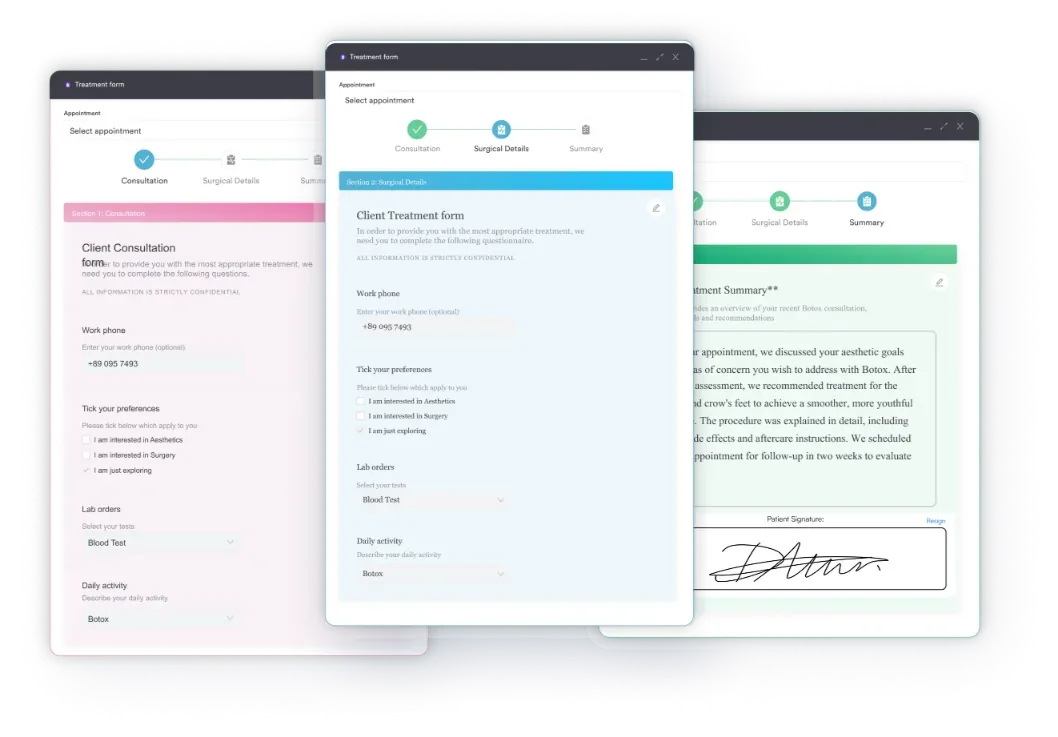
A digital intake form that captures the dispensing details at the point of care keeps this checklist from turning into a scramble later.
Run a quarterly audit of every A4206 claim your practice submitted as a stand-alone DMEPOS line. If more than a handful trace back to in-office administration rather than take-home dispensing, that’s a bundling rule your charge master is missing, not a coincidence.
The best medical practice management systems tie supply usage to invoices, so dressing changes stop being free.
A4206 is carrier-priced. CMS doesn’t publish one national fee schedule amount for it, the way it does for many HCPCS codes. Noridian and CGS split the country between them, and each DME MAC sets its own payable amount for A4206.
That also means the CMS Physician Fee Schedule Look-Up Tool won’t return a rate for A4206. The tool is built for RVU-based, geographically adjusted physician services. A carrier-priced supply code doesn’t work that way. For an actual figure, check the CMS DMEPOS Fee Schedule file, or go straight to your jurisdiction’s DME MAC fee schedule lookup.
Coverage outside traditional Medicare varies more than most billing teams expect.
Practices managing med spa compliance requirements that include injection services should build the bundled-by-default assumption into their charge master. The same goes for IV therapy practices running high-volume protocols. Flag the take-home exceptions as they come up, rather than assuming a separate charge by default.
The table below covers the modifiers that come up most with A4206, but none of them is an automatic default. NU, the modifier for new durable equipment, exists to separate a purchase from a rental or a used item. A disposable syringe has no purchase, rental, or used distinction. NU doesn’t apply the way it does to a wheelchair or a hospital bed.
Modifier lists change, and DME MACs don’t all apply them the same way. Check the current list published by your DME MAC before setting any modifier as a default on a charge item. The AAPC HCPCS code reference is a useful cross-check too. What worked last quarter isn’t guaranteed to still be correct.
Before assuming a supply is bundled, ask one question: who gave the injection? Staff administering it in-house means bundled. A patient self-administering it at home is the DMEPOS exception. That single question resolves most A4206 billing disputes.
A4206 is the smallest-capacity code in a four-code family. A4207, A4208, and A4209 cover larger syringe volumes. The same bundling logic applies to all four. They’re bundled when staff use them in-office, and billed separately to the DME MAC only when dispensed for take-home use.
The PGM HCPCS lookup tool is a quick free way to verify a descriptor before claim submission.
Capacity is the only distinguishing factor among these four codes. A4206 applies when the syringe holds 1 cc or less. That’s the size typically used for intradermal allergy testing, tuberculin skin tests, and most insulin syringes.
A4208’s 3 cc syringes are the more common choice for standard intramuscular injections. Billing A4206 for a 3 cc syringe is a straightforward coding error. It shows up quickly at audit, whether the original claim was bundled or billed separately.
A few questions come up often enough to answer directly.
Pabau doesn’t change Medicare’s bundling rules, but it can stop a practice from fighting them by accident. Its inventory tracking ties every syringe and needle used in an encounter back to the treatment record. That way, the documentation trail an audit asks for already exists, instead of getting assembled after the fact.
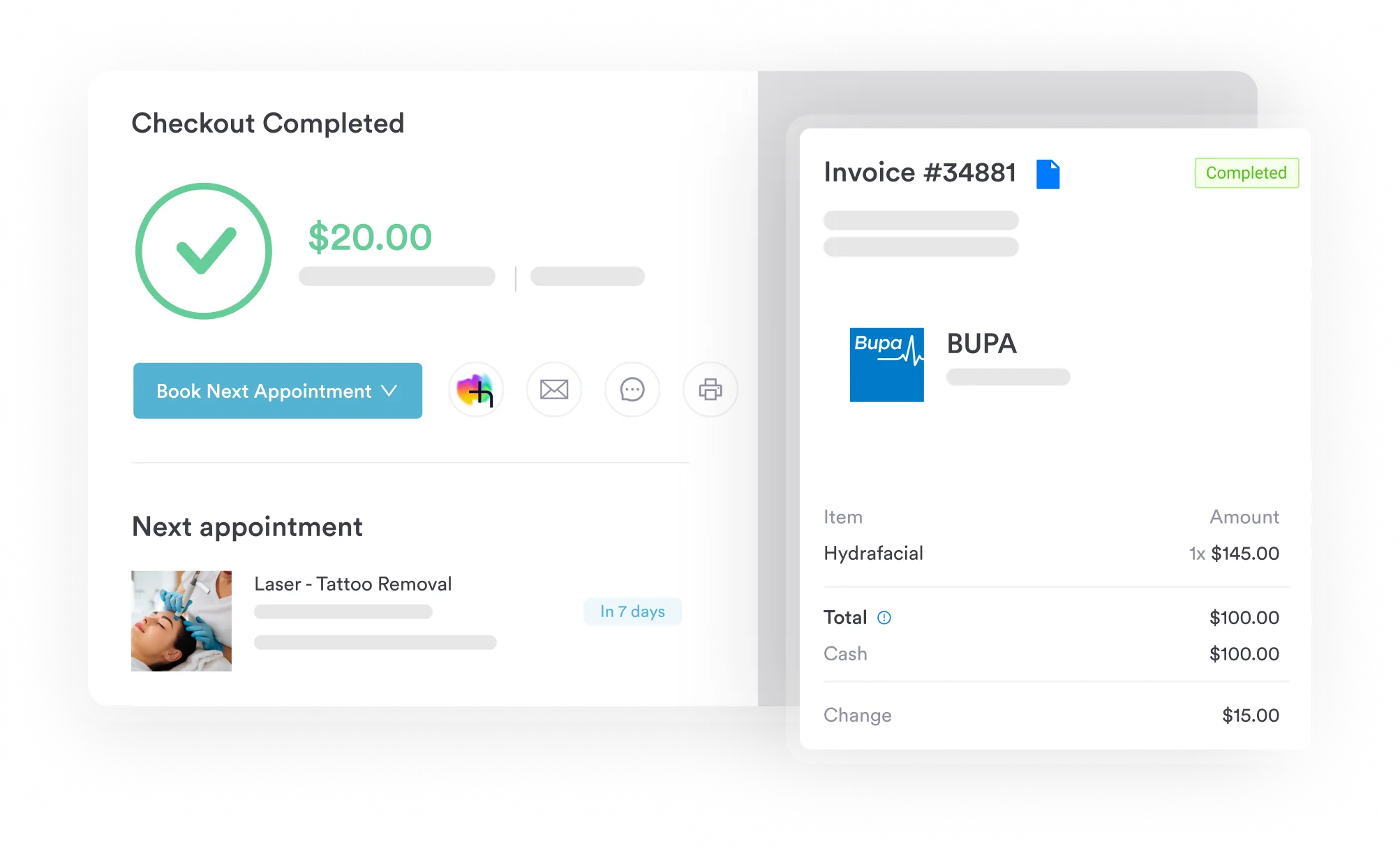
For practices that also dispense supplies for take-home use, that same encounter-level record shows which syringes went home with a patient instead of staying in-office. That makes it easier for billers to code the DMEPOS exception correctly instead of guessing.
Pabau’s claims management tools then handle the insurer-submission side once the charge is coded right. For IV therapy practice management in particular, that distinction is a daily operational detail, not an edge case.

Pabau helps injection-based practices track syringe and needle supplies at the encounter level, keep documentation audit-ready, and manage claims from submission to reconciliation.

HCPCS code A4206 is a simple code that gets complicated by one wrong assumption: that it’s always separately billable. Most of the time it isn’t. When staff give the injection in-office, A4206 rides along with the administration or procedure code. Separate DMEPOS billing is the exception, reserved mainly for take-home dispensing, and it comes with its own enrollment and documentation requirements.
Practice management software like Pabau helps injection-based practices keep that distinction straight. It ties supply use to the treatment record, so billing teams can code bundled charges and DMEPOS exceptions the way Medicare actually pays for them.
To see how it fits your billing workflow, book a demo.

Dispensing syringes for an insulin pump? A4232 covers the syringe-and-needle billing rules specific to external insulin pump supplies.
Switching a patient to a needle-free device? A4210 breaks down billing for needle-free injection devices and how they differ from standard syringes.
Billing an intralesional injection? 11901 walks through documentation and bundling rules for that procedure code.
Both. A4206’s descriptor is “syringe with needle,” so one code covers the whole unit. If you’re only replacing a needle, that’s a separate code, A4215 (needle, sterile, any size), not A4206.
Usually, yes. Most insulin syringes hold 1 cc or less, which puts them under A4206 rather than A4207 through A4209. Some state Medicaid programs cap monthly units for self-administered supplies, so check your payer’s utilization limit before dispensing a large quantity.
A Standard Written Order (SWO), not the old Certificate of Medical Necessity. CMS retired CMNs for DMEPOS items back in 2023. The SWO, plus supporting clinical documentation, is what a DME MAC now expects to see on file.
Rarely. Original Medicare usually covers self-administered insulin syringes and needles under Part D, not Part B DME. That’s because they’re tied to the drug benefit rather than durable equipment. Part B DME still covers separate diabetes testing supplies, like glucose monitors, under its own rules. Check the patient’s Part D plan before billing A4206 to the DME MAC for take-home insulin use.



