CPT code 34812: Open femoral artery exposure for endovascular repair
CPT code 34812: Official descriptor and procedure overview CPT code 34812 is off...

Last Updated: Nov 19, 2026
28288 is the CPT code for ostectomy, partial, exostectomy or condylectomy, metatarsal head, each metatarsal head. It covers removing the prominent part of a single metatarsal head, and it is reported once for each head operated on.
Common denial triggers for this code are wrong code selection (28288 versus 28110), missing laterality modifiers, and documentation that does not show failed conservative treatment.
Let Pabau's smart automation suggest the right codes, reduce claim denials, and keep your practice compliant—effortlessly.
Automate repetitive tasks and focus on what matters most—your patients.
Reduce coding errors and ensure compliance with the latest regulations.
Clean claims, fewer denials, and faster reimbursements.
Powerful insights and reporting to help your practice thrive.
HIPAA compliant SOC 2 certified GDPR-compliant Trusted by 4,000+ clinics worldwide

CPT code 28288 reports a partial ostectomy (exostectomy or condylectomy) of a metatarsal head, once for each head operated on.
It is distinct from 28110, which covers partial excision of the fifth metatarsal head for a bunionette, and from 28111-28114, which cover complete head excision.
Laterality modifiers RT or LT belong on every claim, and modifier 50 applies when both feet are operated on during the same session.
Common denial triggers are wrong code selection between 28288 and 28110, missing RT or LT modifiers, and documentation that does not show failed conservative treatment.
Pabau, a practice management platform with built-in claims billing, tracks prior authorization on the case and warns when the authorization code is missing.
CPT code 28288 reports a partial ostectomy of a metatarsal head, where the surgeon removes its prominent part by exostectomy or condylectomy.
AAPC’s CPT 28288 summary describes it as removing part of a single metatarsal head, so the code is reported once for each head operated on.
The American Medical Association publishes the code in its CPT code set, within the foot and toes surgery range (28001-28899). The official descriptor reads: Ostectomy, partial, exostectomy or condylectomy, metatarsal head, each metatarsal head.
The procedure removes prominent bone from a metatarsal head to relieve plantar pressure, most often on the second through fourth metatarsals. The fifth head qualifies too when the indication is not a tailor’s bunion. It is performed open, typically through a plantar or dorsal incision, with a rongeur or oscillating saw.
The procedure addressed by CPT code 28288 targets the plantar-prominent metatarsal head. The surgeon approaches through a plantar elliptical incision over the callus or through a dorsal longitudinal incision. A rongeur or sagittal saw then resects the prominent portion of the metatarsal head. Wound closure follows with absorbable suture for deep layers and nylon or staples for skin.
Medical necessity documentation must address the specific clinical indication. Payers commonly accept three primary indications.
The operative note must state which metatarsal was operated on, the approach, the amount of bone resected, and the closure method. Generic wording such as “metatarsal head excision performed,” with no metatarsal or extent named, leaves auditors unable to match the note to the claim.
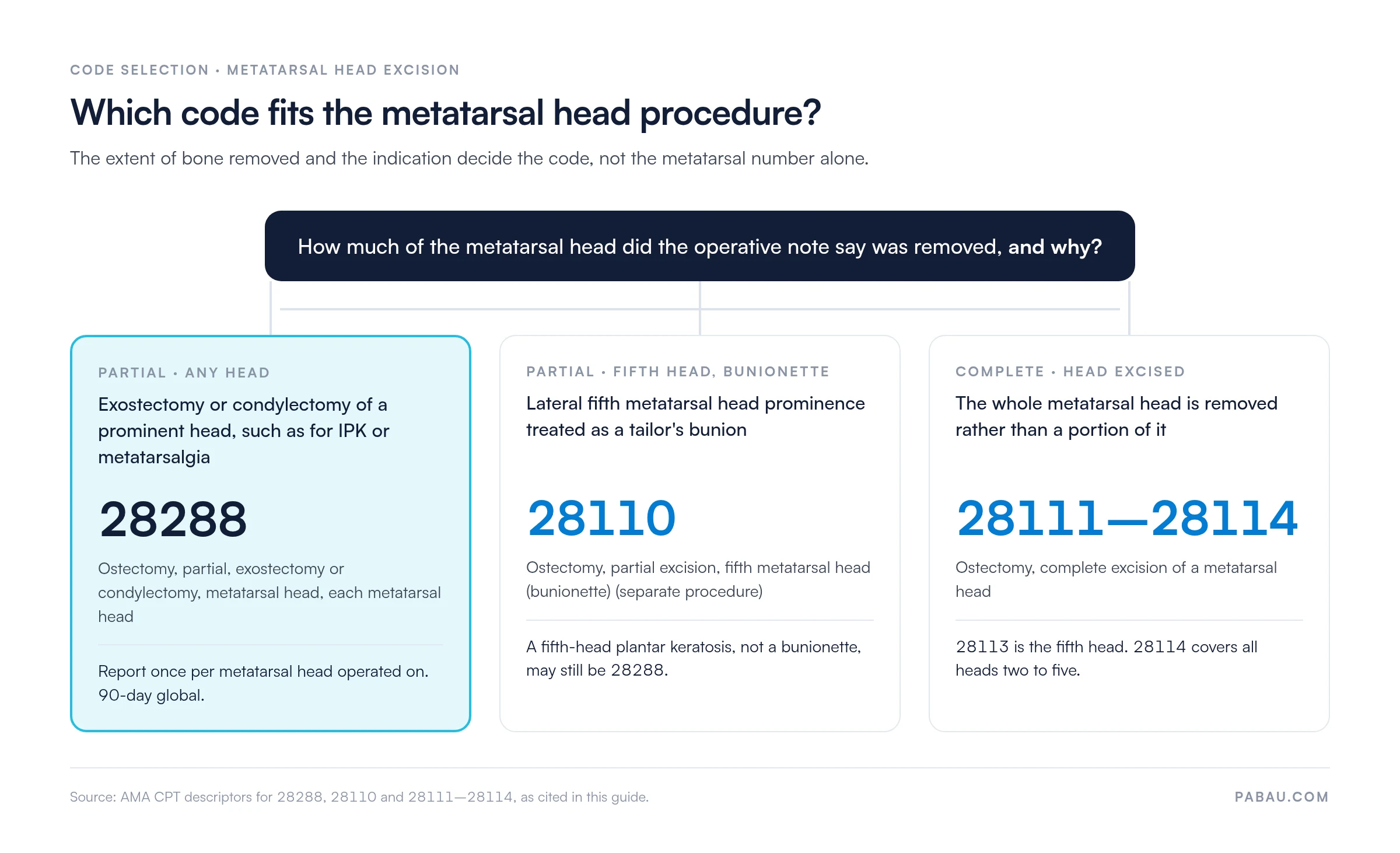
CPT 28288 covers partial excision of any metatarsal head, usually a lesser metatarsal. 28110 is a partial excision of the fifth metatarsal head for a tailor’s bunion (bunionette), and it is designated a separate procedure. Picking the wrong one of the pair is a common reason metatarsal head claims are denied.
Sometimes the operative report describes a fifth metatarsal procedure for a plantar keratosis beneath the head, not a lateral bunionette prominence. In that case, 28288 may be more appropriate than 28110. The clinical indication and anatomical approach drive the code selection, not the metatarsal number alone.
When the whole head comes out, the claim moves to the complete-excision codes 28111-28114, as the decision map below shows.
Every CPT 28288 claim must include an ICD-10-CM diagnosis code that documents medical necessity. Payer coverage policies vary, but most require evidence of conservative treatment failure before authorizing surgical intervention. The table below lists the most commonly accepted diagnosis codes.
Always select the ICD-10-CM code that reflects the actual documented clinical finding, not the code most likely to gain authorization. Final code selection must be based on the treating clinician’s documented findings. When intractable plantar keratosis is the indication, L84 is the usual pairing, and the note should name the metatarsal head beneath the callus.
Modifier selection is where many CPT 28288 claims break down. The American Medical Association and CMS both require laterality modifiers on foot procedures, and most commercial payers follow the same rule. Missing or incorrect modifiers generate automatic system denials.
Because the descriptor reads “each metatarsal head,” 28288 is reported once for every head operated on. A partial resection of the second and third heads on the same foot is two units of service, each supported in the operative note.
Before submitting a bilateral 28288 claim, call the payer’s provider line. Confirm whether they accept modifier 50 on a single line or require two claim lines with RT and LT. Medicare generally accepts modifier 50, but some commercial plans reject it and require the two-line format.
Medicare reimbursement for CPT code 28288 is determined by the Medicare Physician Fee Schedule (MPFS), which CMS updates annually. Use the CMS Physician Fee Schedule lookup tool to find current non-facility and facility rates for your geographic area. GPCI locality adjustments can change the rate by 15 to 20 percent between high- and low-cost regions.
The RVU breakdown for 28288 typically divides into work RVUs (reflecting surgeon time and skill), practice expense RVUs (non-facility overhead), and malpractice RVUs. The FastRVU 2026 lookup tool provides current work, PE, and MP RVU values alongside the Medicare conversion factor. Payment rates change each January, so never use a prior-year rate on a current claim.
Prior authorization requirements for CPT code 28288 vary by payer and plan year. Medicare does not currently require prior authorization for most podiatric surgical procedures, though Medicare Advantage plans may impose their own requirements. Always verify with the specific plan before scheduling surgery.
Commercial payers with prior authorization requirements for foot surgery typically ask for the following documentation.
Medicaid coverage for CPT 28288 varies by state. Some state Medicaid programs exclude elective foot surgery or require a referral from a primary care physician before authorizing podiatric surgical care. Check the state fee schedule and prior authorization portal before submitting.
Many CPT code 28288 denials trace back to coding and documentation errors that can be prevented before submission. The denial management framework below groups common causes by CARC code so your billing team can prioritize corrections.
See the full list of denial codes in medical billing for CARC and RARC code definitions used across podiatric billing contexts.
The operative note is the single most audited document for CPT 28288 claims. A deficient op note cannot be remedied after the fact, and payers increasingly request records before releasing payment on surgical claims. Use the checklist below as a pre-submission verification step.
Payers conducting pre-payment reviews look for the linkage between the pre-operative notes and the operative report. Say the office notes mention pain at the second and third metatarsal heads, but the operative report only addresses the third. The claim for the second will be denied.
Consistency across the medical record matters as much as the documentation itself. Good medical billing documentation practices tie every line of the claim back to a specific note in the record.
Podiatric surgical codes like 28288 can fail at several points, from code selection and modifiers to prior authorization and NCCI bundling. A miss at any one of them sends the claim back for rework. Practice management software with integrated billing keeps those checks on the patient’s case, so staff are not relying on memory for every claim.
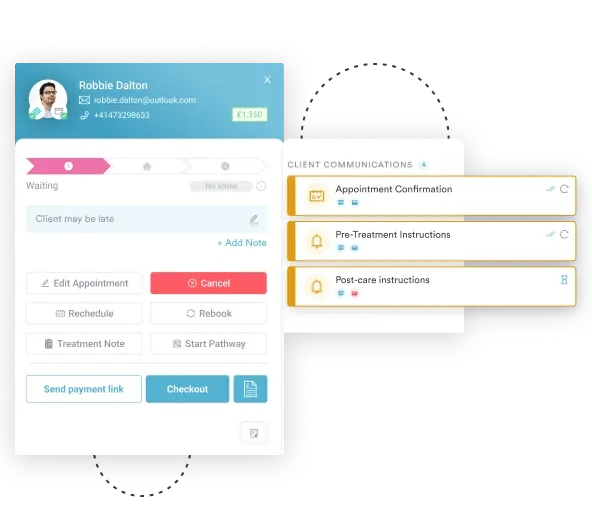
In Pabau’s claims management software, the prior authorization code, dates and sessions are tracked on the patient’s case. Pabau warns staff when the authorization code is missing. US claims go out as CMS-1500/837P files through Claim.MD, with eligibility checks, ERA remittances and secondary claims handled in the same workflow.
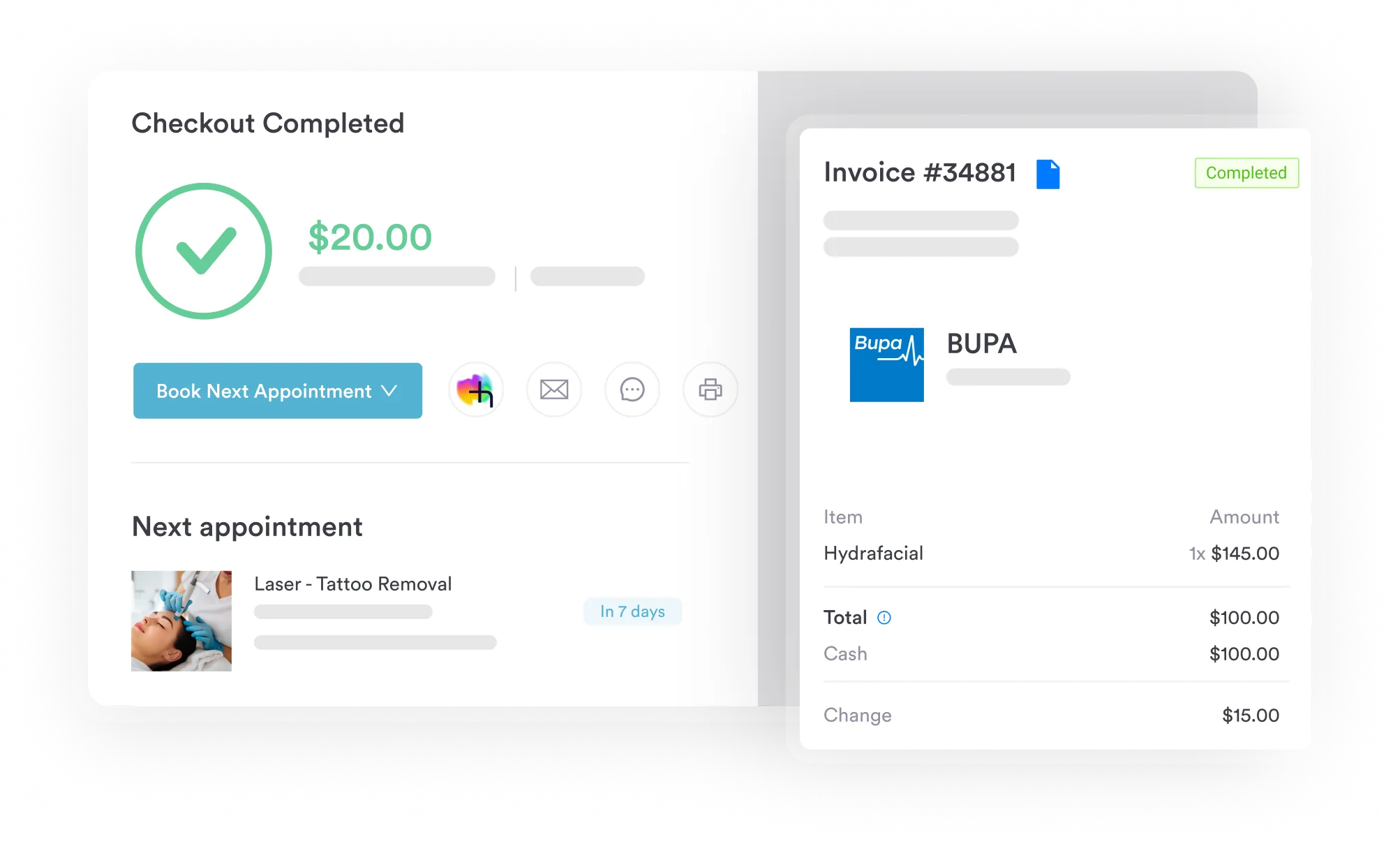
A medical claims clearinghouse checks each file for formatting errors and payer-specific requirements before it reaches the payer. For a practice that bills podiatric surgery codes regularly, that check means fewer claims come back for avoidable formatting errors.
Run a quarterly audit of all CPT 28288 claims submitted in the prior 90 days. Pull every denial by CARC code and map each to the documentation checklist in the section above. If CO-50 (medical necessity) denials cluster in one provider’s claims, start with that provider’s documentation habits.

Pabau tracks prior authorization on each case, warns when an authorization code is missing, and sends surgical claims through Claim.MD. See how podiatric practices keep complex foot surgery claims clean.

Code 28288 only when the operative note shows a partial exostectomy or condylectomy, names the metatarsal head, and states the side. Bill one unit per head, send bunionette cases to 28110, and move complete head excisions to 28111-28114.
Before the claim goes out, confirm that the diagnosis matches the documented indication and that any required authorization is on file. A claim that clears those checks the first time saves an appeal later.
Pabau keeps the authorization, the coded procedure and clean claim submission through Claim.MD on one case. Book a demo to see how it handles podiatric surgery billing for your practice.

Need a broader framework for reducing surgical claim denials? Denial management in healthcare covers the end-to-end process from prevention through appeal.
Looking for the CARC codes that appear on denied podiatric claims? Denial codes in medical billing explains the most common adjustment reason codes and how to respond.
Want to understand how clearinghouse submission works? Our medical claims clearinghouse guide explains how 837P files move from practice to payer and where errors occur.
Coding a tailor’s bunion instead? CPT code 28110 covers partial excision of the fifth metatarsal head for a bunionette.
Was the whole fifth metatarsal head removed? CPT code 28113 explains how complete fifth head excision is billed.
CPT code 28288 is used to bill a partial excision (ostectomy) of a metatarsal head. It is performed to relieve intractable plantar keratosis, metatarsalgia, or pressure-related forefoot deformity. The procedure removes the prominent portion of the metatarsal head bone rather than the entire head.
CPT 28288 covers partial excision of a metatarsal head, usually a lesser metatarsal, for plantar lesions or metatarsalgia. CPT 28110 describes partial excision of the fifth metatarsal head for a tailor’s bunion deformity. If the fifth metatarsal procedure treats a bunionette rather than a plantar keratosis, 28110 is the correct code.
Modifier RT or LT is required for every unilateral CPT 28288 claim to identify the foot operated on. Modifier 50 applies when the procedure is performed bilaterally during the same session, though some payers require two separate claim lines instead. Modifier 59 is used when NCCI edits bundle 28288 with another foot procedure on the same date of service, confirming the services were clinically distinct.
Yes, Medicare covers CPT code 28288 when medical necessity is documented. Reimbursement is based on the Medicare Physician Fee Schedule, with rates varying by GPCI locality. Medicare does not typically require prior authorization for this code, but Medicare Advantage plans may have their own requirements. Verify the current MPFS rate using the CMS fee schedule lookup tool.
Common denial causes include choosing 28110 in place of 28288, a missing RT or LT modifier, and documentation that does not show failed conservative treatment. Missing prior authorization on commercial plans that require it also generates denials. So do NCCI conflicts when 28288 is billed alongside 28285 without modifier 59.
Partial metatarsectomy is a clinical name for the procedure CPT code 28288 describes, the surgical removal of part of a metatarsal head. Code 28288 is reported once per metatarsal head operated on, per its “each metatarsal head” descriptor. Complete excision of a metatarsal head is reported with 28111-28114 (28113 is the fifth head, 28114 is all heads 2-5), not 28288.