CCSD Code V0980: Open reduction of zygomatic fractures
What is CCSD code V0980? CCSD code V0980 is the UK private-healthcare procedure ...

Last Updated: Nov 24, 2026
W0282 is the CCSD code for total excision of trapezium. It sits in the Hand – Incision/Excision section of the bones and joints chapter, and Bupa bands it MAJOR+ 2.
It covers removal of the whole trapezium with nothing placed in the gap. A spacer, ligament reconstruction or joint surface replacement moves the procedure to W0283, W0284 or W0285.
Let Pabau's smart automation suggest the right codes, reduce claim denials, and keep your practice compliant—effortlessly.
Automate repetitive tasks and focus on what matters most—your patients.
Reduce coding errors and ensure compliance with the latest regulations.
Clean claims, fewer denials, and faster reimbursements.
Powerful insights and reporting to help your practice thrive.
HIPAA compliant SOC 2 certified GDPR-compliant Trusted by 4,000+ clinics worldwide

CCSD code W0282 is total excision of trapezium, sitting in the Hand – Incision/Excision section of the bones and joints chapter.
Bupa bands W0282 as MAJOR+ 2, with a £725 surgeon fee in its February 2026 CCSD reference.
A spacer, ligament reconstruction or joint surface replacement changes the code to W0283, W0284 or W0285 rather than adding a second line.
M18.1, other primary osteoarthritis of the first carpometacarpal joint, is the diagnosis most often paired with W0282, and M18.0 covers both thumbs.
UK insurers such as Bupa, AXA Health, Aviva and Vitality expect pre-authorisation before surgery, and claims usually travel through Healthcode.
CCSD code W0282 is the UK private-sector code for total excision of trapezium, the operation often called a simple trapeziectomy. CCSD stands for Clinical Coding and Schedule Development, the scheme Bupa, AXA Health, Aviva and Vitality use to identify procedures on a bill. AXA Health’s procedure schedule, built on CCSD work, lists W0282 under that exact descriptor in its bones and joints chapter.
The trapezium is the small carpal bone at the base of the thumb. It forms the first carpometacarpal (CMC) joint with the first metacarpal. When arthritis destroys that joint, removing the bone takes away the painful surfaces.
The word “total” in the descriptor matters. W0282 describes removal of the whole bone with nothing put in its place. If the surgeon also inserts a spacer, reconstructs a ligament or replaces the joint surface, a different code applies.
Fees and bands can change, so check the code in Bupa’s code search before you quote a patient or submit a claim. Other insurers publish their own schedules, and some list W0282 under a different complexity label.
Surgeons remove the trapezium when disease at the thumb base causes pain, weak pinch and lost function that conservative care has not relieved. Splinting, steroid injections and hand therapy usually come first. The common reasons for choosing W0282 are:
Insurers generally want the referral and clinical notes to show that non-surgical treatment has been tried. Radiographs showing joint-space narrowing or destruction support the request. Each insurer sets its own evidence rules, so check the policy before you apply for authorisation.
The operative note is the document an insurer reads when it queries a W0282 claim. A note that follows the steps below, and confirms the bone was removed whole, answers most of those queries before they arise.
The note should say that excision was total, name the approach and record what was or was not placed in the gap. A note that only says “trapezium removed” leaves the coder guessing between W0282 and its siblings.
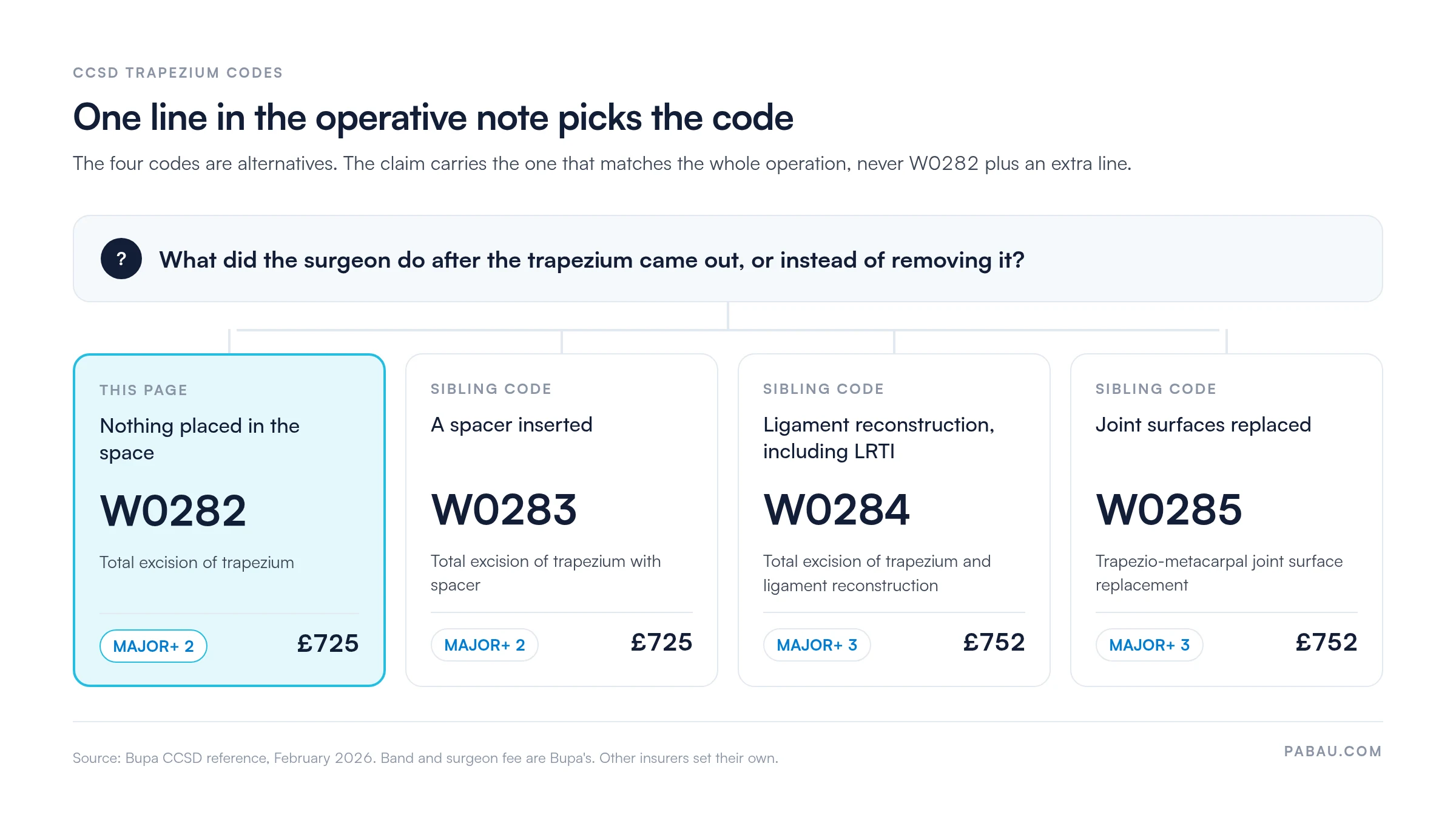
Four neighbouring CCSD codes describe surgery on the trapezium and the thumb base. They are alternatives to each other, so the claim carries the one that matches the whole operation.
*Fees are from Bupa’s CCSD reference dated February 2026. Other insurers set their own rates.
A spacer, a ligament reconstruction or a joint replacement is not an extra line on top of W0282. It moves the whole procedure to W0283, W0284 or W0285, and the chart below maps each choice to its code.
W0282 pays for the operation from incision to closure. Billing parts of it separately is unbundling, and insurers reject or recover those lines.
Ask surgeons to state in one line of the operative note what filled the gap, even when the answer is nothing. That single line decides between W0282, W0283 and W0284, and it is the line insurers look for first.
UK insurers expect a WHO ICD-10 diagnosis code on the claim. The diagnosis has to explain why the trapezium came out. Pairing W0282 with a vague or unrelated code invites a query.
WHO ICD-10, which UK insurers use, has no seventh-character extensions. Some of these codes distinguish bilateral disease, but none records left or right. State the operated side in the notes and on the authorisation request.
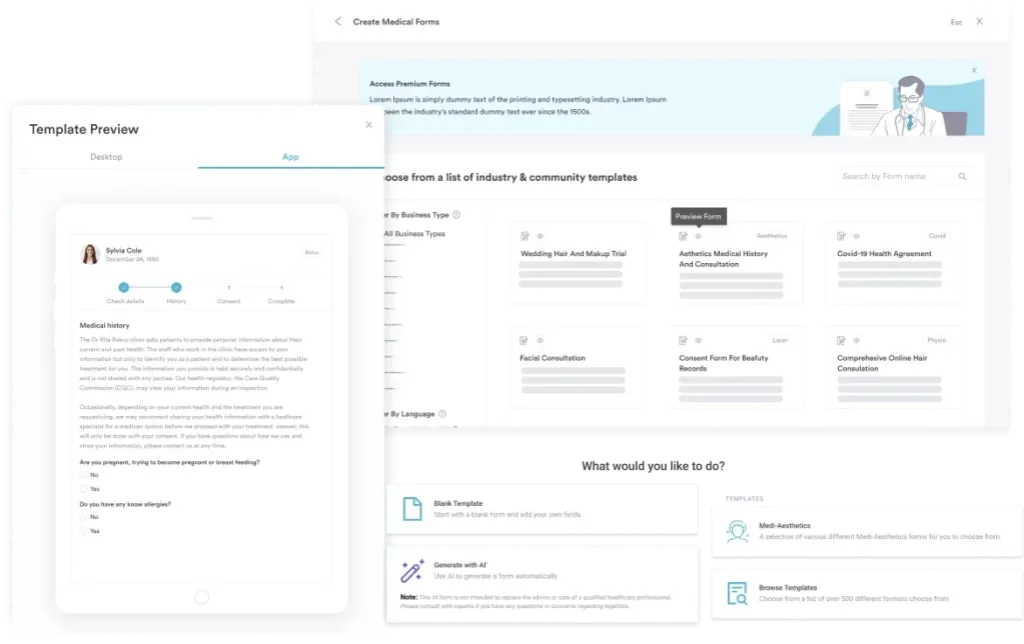
A W0282 claim stands or falls on the record behind it. Building the record with digital clinical forms means each element below is captured at the time, not chased later.
Elective hand surgery is normally pre-authorised before the date is booked. Bupa, AXA Health, Aviva and Vitality each ask for the procedure code at that stage, and the authorisation is tied to it. A claim for a different code from the one authorised is likely to be queried.
The authorisation request usually includes:
If the surgeon may decide on a spacer or ligament reconstruction during the operation, raise that at authorisation. Ask the insurer how it wants a change of code handled. Our guide to Bupa CCSD codes covers how Bupa applies the scheme in more detail.
Most UK private practices send insurer invoices electronically through Healthcode, the clearing house that connects providers with the major insurers. A W0282 claim passes through five stages.
Stage three is where most avoidable errors start. If the note does not say what filled the gap, the claim leaves the practice on a guess.
Rejections on this code follow a few predictable patterns. A short checklist before submission prevents most of them.
A rejected claim is often recoverable. The response depends on the reason the insurer gives, so start there.
Keep a log of each rejection and its reason. A repeated reason shows where to intervene, whether that is the authorisation step, the note template or code selection.
In many practices the operative note and the invoice live in different places. The surgeon writes up the case in one system, and billing staff work from a summary in another. When that summary just says “trapeziectomy”, someone has to go back and check which code applies.
In Pabau, the practice management platform, the clinical record and the invoice sit on the same patient file. Billing staff can read the note itself before choosing between W0282 and its siblings.
Pabau’s claims management software handles UK insurance billing through Healthcode, including invoices to Bupa. Remittances come back into the same system, so the team can see what each insurer paid against each invoice.
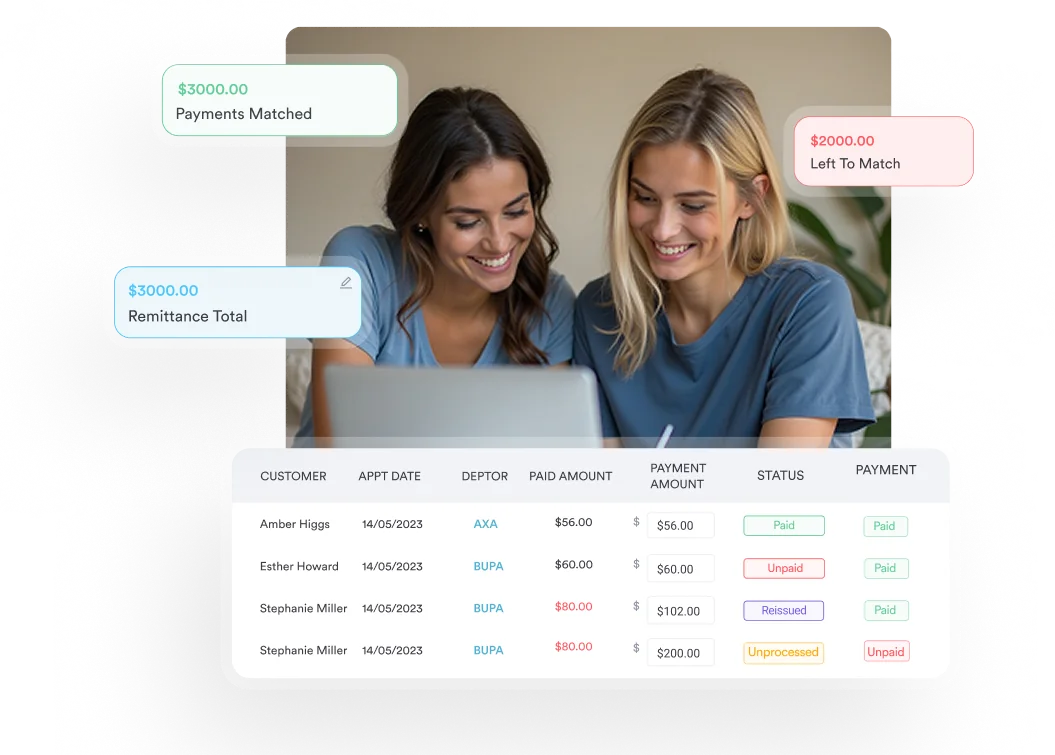

Pabau keeps the operative note, the consent forms and the CCSD invoice on one patient record. Your team can bill Bupa and other UK insurers through Healthcode and track every remittance.

W0282 is the right code only when the trapezium comes out whole and nothing goes in its place. A spacer, a ligament reconstruction or a new joint surface each belongs to a sibling code with its own band and fee.
So the operative note decides the claim. Get the surgeon to record what filled the gap, and authorise the code you expect to bill. The invoice that reaches Bupa or AXA Health will then match the operation.
Book a demo to see how Pabau links the operative note to the CCSD invoice and the insurer’s payment.

Billing thumb-base surgery in the US? CPT code 25447 covers interposition arthroplasty of the intercarpal or carpometacarpal joints.
New to how Bupa uses the scheme? Bupa CCSD codes explains how the codes are structured and applied.
Setting fees against insurer rates? Bupa procedure codes fee schedule sets out how Bupa publishes its rates.
Coding another total excision? CCSD code W0610 is the guide to total excision of cervical rib.
CCSD Code W0282 covers total excision of trapezium, the carpal bone at the base of the thumb. It includes the approach, removal of the whole bone and closure. It applies only when nothing is placed in the gap. A spacer, ligament reconstruction or joint surface replacement is coded W0283, W0284 or W0285 instead.
CCSD codes are used across UK private medical insurance, including Bupa, AXA Health, Aviva and Vitality. Claims usually travel electronically through Healthcode. Each insurer sets its own fee for the code.
Bupa’s CCSD reference dated February 2026 lists W0282 in band MAJOR+ 2 with a surgeon fee of £725. Fees change, so check Bupa’s code search before you quote. Other insurers publish their own rates.
No. Total excision of trapezium with ligament reconstruction has its own code, W0284, which Bupa bands as MAJOR+ 3. Bill W0284 in place of W0282 when the operative note records a ligament reconstruction, rather than adding a second line.
The usual reasons are a missing or mismatched pre-authorisation and a sibling code that does not match the operative note. Extra lines for work included in the procedure are another. A vague diagnosis code or an operative note that does not confirm total excision also causes queries.