

HCPCS Code Q4175: Billing, coverage, and documentation guide
HCPCS Code Q4175: Code Description and Product Identity HCPCS Code Q4175 is the ...

Last Updated: Nov 20, 2026
T6770 is the CCSD code for peroneal sling/groove reconstruction and replacement of dislocated peroneal tendons. It covers surgery that stabilizes the peroneus brevis and longus tendons behind the fibula after they dislocate.
The code sits in the Ankle section (16.11.1) of CCSD chapter 16. One T6770 claim usually covers groove deepening, superior peroneal retinaculum repair and tendon repositioning, so the operative note should document each component performed.
Let Pabau's smart automation suggest the right codes, reduce claim denials, and keep your practice compliant—effortlessly.
Automate repetitive tasks and focus on what matters most—your patients.
Reduce coding errors and ensure compliance with the latest regulations.
Clean claims, fewer denials, and faster reimbursements.
Powerful insights and reporting to help your practice thrive.
HIPAA compliant SOC 2 certified GDPR-compliant Trusted by 4,000+ clinics worldwide

CCSD code T6770 covers peroneal sling/groove reconstruction and replacement of dislocated peroneal tendons, billed as one procedure code.
T6770 sits in the Ankle section (16.11.1) of CCSD chapter 16, alongside the Achilles tendon repair codes T6780 and T6810.
The descriptor covers groove and sling reconstruction and tendon replacement, so the operative note should document each component performed.
Bupa, AXA Health and Aviva require preauthorization before elective T6770 surgery, and operating without it risks a rejected claim.
Pabau, a practice management platform, keeps the operative note, the authorization reference and the insurer claim in one patient record.
CCSD code T6770 covers “Peroneal sling/groove reconstruction & replacement of dislocated peroneal tendons,” billed as one procedure code. It is listed in the Clinical Coding & Schedule Development (CCSD) group schedule, the standard procedure code set for UK private healthcare. Insurers including Bupa, AXA Health and Aviva use it to price and pay claims.
T6770 sits in the Ankle section (16.11.1) of chapter 16, Bones, Joints & Connective Tissue/Tendon Muscle. Its schedule reference is Fp.272. The descriptor covers groove and sling reconstruction and tendon replacement as a single operation, so document each component the surgeon performed.
Peroneal sling reconstruction treats instability of the peroneus brevis and peroneus longus tendons, which run behind the lateral malleolus (the end of the fibula). The superior peroneal retinaculum (SPR) holds them in place. When the SPR ruptures or stretches, the tendons slip forward over the fibula.
The operation usually combines three steps:
Surgeons usually operate under general anesthesia or a regional nerve block. The operative note may also record tourniquet use and fluoroscopic guidance. Neither generates a separate CCSD code for the surgeon. The anesthetist’s practice submits its own anesthetic codes.
T6770 is performed when peroneal tendon instability doesn’t settle with conservative care and the tendons need operative stabilization. Orthopedic and sports medicine practices see it most often after athletic ankle injuries, and in active patients for whom immobilization has failed. Accepted indications include:
The operative note must state which indication applied. It must also confirm that conservative management came first, or explain why it was contraindicated. Payers treat a missing indication as grounds for a clinical-necessity denial.
Many T6770 billing questions come down to what the code’s fee already covers. The table shows which parts of the episode sit inside the T6770 fee, and which are billed separately or need payer confirmation.
Confirm current bundling rules with each payer before you submit another code alongside T6770. CCSD guidance is updated periodically. One insurer may accept a separate line item that another denies as unbundling.
T6770 shares the CCSD Ankle section (16.11.1) with other tendon procedures, including the Achilles tendon repair codes T6780 and T6810. The section also lists graft repair code T6822 for a delayed Achilles repair with a tendon or fascial graft. They treat a different tendon, so they never stand in for T6770. Outside these named codes, a tendon graft done as the sole procedure is billed under code T6580. Percutaneous lengthening of the Achilles tendon is coded on its own as well, under CCSD T6720.
Picking the wrong code, or billing two codes for one operation, leads to denials and audit queries. Check current descriptors in Bupa’s CCSD code reference alongside the official schedule. For procedures outside the ankle, browse the full list of CCSD codes.
Code from the operative note, not the booking. If the surgeon stabilized the tendons without reconstructing the groove or sling, check the schedule for any narrower code before you submit T6770.
A T6770 claim stands or falls on the operative note. The note should describe each part of the procedure, so a reviewer can match it to the descriptor. Pabau’s digital forms let foot and ankle surgeons build a structured operative note template, so each required field is filled before the claim goes out.
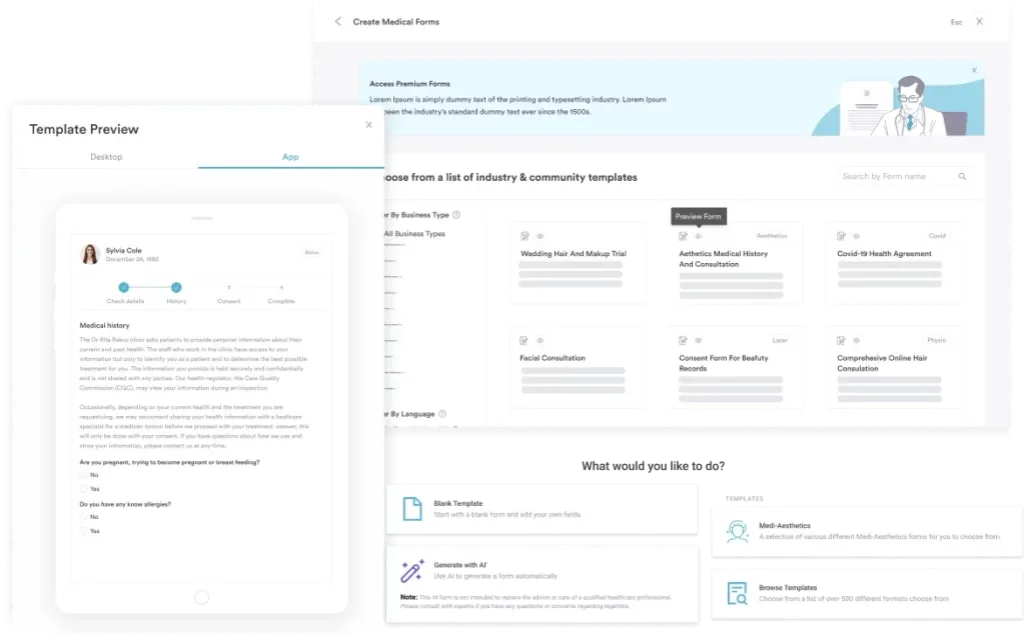
These elements should appear in the operative note for a T6770 claim to hold up at audit or on appeal:
Major UK private health insurers treat peroneal sling and groove reconstruction as elective surgery that needs preauthorization. Surgery without a valid authorization almost always ends in a rejected claim, however strong the clinical case or the notes. For what Bupa pays once the procedure is authorized, see the Bupa procedure fee schedule.
Payer requirements and clinical thresholds change. The table reflects general practice in early 2026, so confirm with each payer before you request authorization for T6770.
T6770 denials usually trace back to one of five causes, and each one starts before the claim is sent. The diagram maps every cause to the step in the episode where it begins.
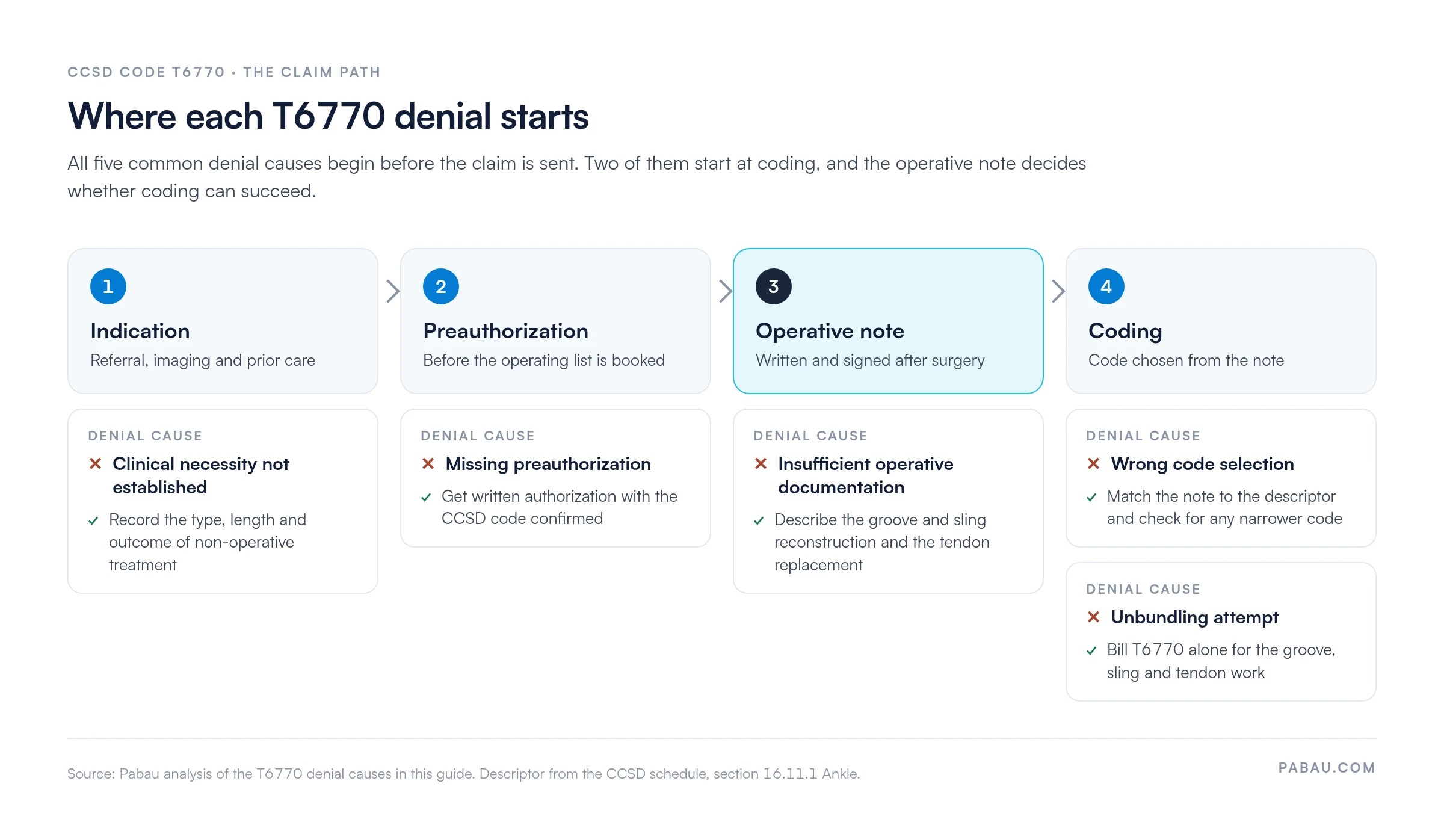
The T6770 surgical fee covers the surgeon’s operative work only. The anesthetist’s practice bills anesthetic services separately, using the relevant CCSD anesthetic codes. Those are calculated by time or by procedure units, depending on current payer rules.
The surgeon’s note must record whether general anesthesia or a regional nerve block was given, typically a popliteal sciatic block. The anesthetist uses that record to validate their own claim.
Two billing errors come up here with some regularity. First, the surgeon’s practice bills a local or regional anesthetic code when the surgeon’s team gave no such service. Second, the anesthetist’s claim is rejected because the recorded anesthetic time doesn’t fit a typical T6770 operation. Accurate, contemporaneous timing in the surgeon’s note protects both claims.
Confirm anesthetic unit calculations with the anesthetist’s coder before both claims go out. Payers cross-check surgical and anesthetic claims for the same episode. A mismatch in operative time or anesthetic type between the two notes triggers manual review and can delay payment on both.
Foot and ankle practices often keep the operative note, the authorization reference and the claim in different places. A coder then pieces the T6770 claim together days after surgery. That’s when a missing groove description or an expired authorization slips through.
Pabau’s claims management software keeps CCSD coding next to the clinical record, so surgeons and coders work from the same patient file. UK insurer claims go out through Healthcode and Bupa from that record.
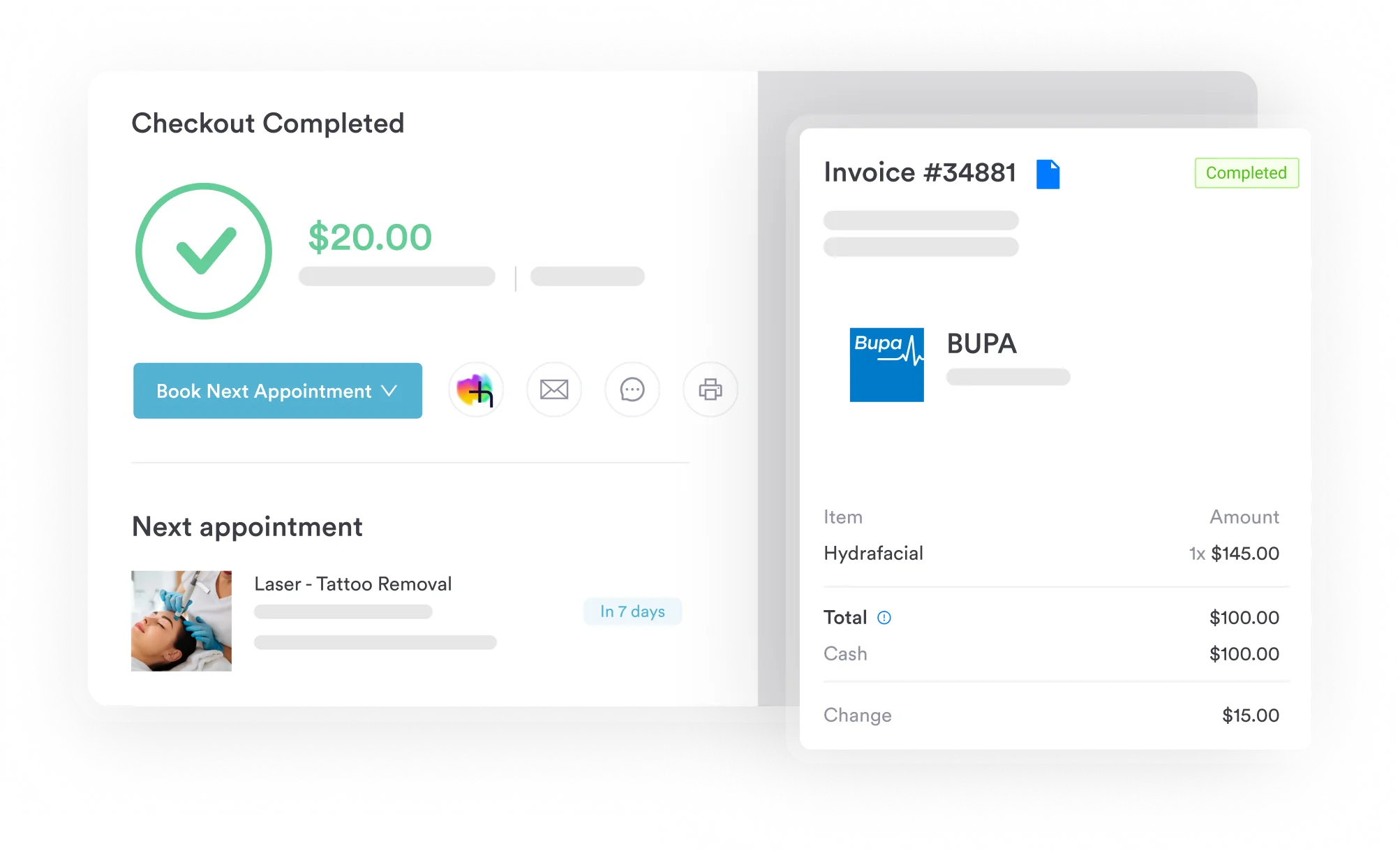
Structured operative note templates prompt for the groove, sling and tendon steps the T6770 descriptor covers. Imaging reports, authorization references and operative notes stay linked to the patient file. When a payer queries the claim, the supporting records are already in one place.
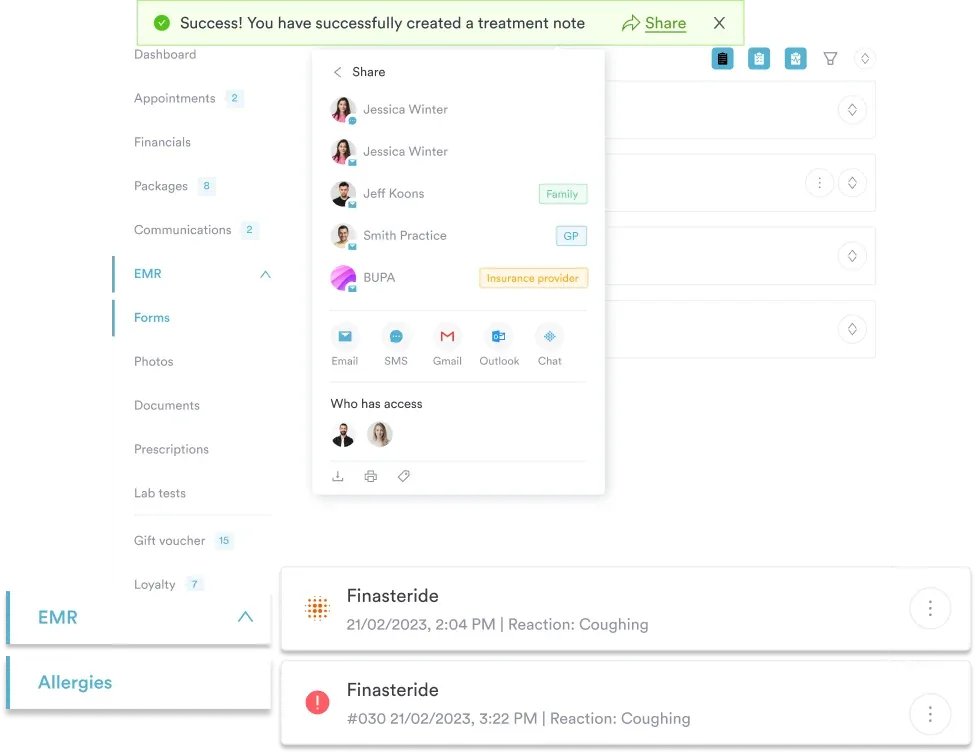

Pabau keeps CCSD coding, operative notes and Healthcode claim submission in one system for orthopedic and foot and ankle practices. Each T6770 claim leaves with the detail payers check.

T6770 pays for one operation, and the claim has to read that way. The descriptor covers groove and sling reconstruction and tendon replacement, so document each component performed. A note that skips the groove work leaves the code exposed, whatever happened in the operating room.
Fix the process before the next case, not after the first denial. Confirm the code in the written authorization, and give surgeons an operative template that asks for each component. Then check the anesthetist’s timings against your own note.
If your practice bills several CCSD surgical codes, book a demo to see how Pabau links operative documentation to Healthcode claim submission.

Need a broader CCSD billing reference for Bupa procedures? Bupa CCSD codes covers the full schedule structure, code-search process, and submission rules for Bupa-insured patients.
Looking for Bupa’s current fee schedule for surgical procedures? Bupa procedure codes fee schedule details how fees are structured and what affects reimbursement for orthopedic procedures.
Billing an Achilles tendon repair in the same ankle section? CCSD code T6780 covers primary repair of the Achilles tendon, which shares the CCSD Ankle section with T6770.
Want to reduce claim errors across your practice? Claims management software from Pabau helps private practices submit CCSD-coded claims with the documentation attached from the outset.
CCSD code T6770 covers peroneal sling/groove reconstruction and replacement of dislocated peroneal tendons. The operation usually combines retromalleolar groove deepening, superior peroneal retinaculum repair or reconstruction, and repositioning of the tendons. The descriptor covers groove and sling reconstruction and tendon replacement, so document each component performed.
Bupa, AXA Health and Aviva all require preauthorization before elective T6770 surgery. Vitality Health and most other major UK private insurers follow similar rules. Get written authorization confirming the CCSD code and procedure before booking the operating list. Surgery without it typically ends in a rejected claim.
The operative note should state the diagnosis with laterality and the conservative management that failed. It should cite the pre-operative imaging that showed tendon dislocation and SPR disruption. It should also describe the groove deepening, the retinaculum repair and the tendon repositioning, plus any implants or anchors used. A missing groove deepening description is a common documentation trigger.
Generally no. T6770 covers the groove deepening, retinaculum work and tendon repositioning as one code. Billing those components separately alongside it risks a denial for unbundling. If a separately documented peroneal tendon tear repair was also performed, check the CCSD schedule and the payer’s policy before adding a second code.
T6770 applies when the surgeon reconstructs the peroneal sling or groove and replaces the dislocated tendons. If the operation stopped short of that, for example a tendon repair with the groove left intact, check the schedule for any narrower code. Base the choice on the operative note, not the booking.
It depends on the payer. Some insurers apply a global period in which follow-up outpatient appointments are included in the surgical fee. Others pay outpatient consultations separately during recovery. Confirm each payer’s rule before billing postoperative appointments.





