HCPCS Code Q4185: Cellesta flowable amnion billing guide
HCPCS Code Q4185: definition and official descriptor HCPCS Code Q4185 is the Lev...

Last Updated: Nov 20, 2026
M2280 is the CCSD code for open correction of vesico-ureteric reflux on both sides. It covers an open operation that reimplants both ureters into the bladder, so urine stops flowing back toward the kidneys.
The code sits in sub-chapter 12.2.0 Ureter of the CCSD schedule used by UK private insurers. One-sided open correction is billed as M2210, and endoscopic anti-reflux injection as M2981.
Let Pabau's smart automation suggest the right codes, reduce claim denials, and keep your practice compliant—effortlessly.
Automate repetitive tasks and focus on what matters most—your patients.
Reduce coding errors and ensure compliance with the latest regulations.
Clean claims, fewer denials, and faster reimbursements.
Powerful insights and reporting to help your practice thrive.
HIPAA compliant SOC 2 certified GDPR-compliant Trusted by 4,000+ clinics worldwide

CCSD code M2280 covers open correction of vesico-ureteric reflux on both sides, in CCSD sub-chapter 12.2.0 Ureter.
One side only is M2210. Bill M2280 once for a bilateral operation, never M2210 twice.
Endoscopic anti-reflux injection is M2981, and a robotic-assisted bilateral reimplantation is M2091.
The operation note has to record the technique and the findings for each ureter, so the insurer can see both sides were corrected.
UK insurers such as Bupa usually want pre-authorization, and the claim goes through Healthcode or direct to the insurer.
CCSD code M2280 is the code UK private insurers use for open correction of vesico-ureteric reflux (VUR) in both ureters. National Friendly’s CCSD-based schedule of fees lists it under that narrative as a Major Plus procedure.
In vesico-ureteric reflux, urine flows back from the bladder up the ureter toward the kidney. The open operation reimplants each ureter through a longer tunnel under the bladder lining. As the bladder fills, its wall presses the tunnel shut, which stops the backflow.
The CCSD Group, which maintains the schedule, files the code in chapter 12.0.0, Urinary System and male reproductive organs. It sits in sub-chapter 12.2.0 Ureter, next to its one-sided counterpart, M2210.
Each insurer sets its own fee for M2280, so check the schedule your payer works from. Our CCSD reference for coders lists the other procedure codes we cover.
Open VUR correction is done under general anesthesia, most often in children. The surgeon usually reaches the bladder through a low transverse incision, called a Pfannenstiel incision, or a lower midline incision. Both ureters are then corrected in the same session.
Three named techniques cover most open reimplantations:
The surgeon may leave a double-J stent in one or both ureters. It usually comes out a few weeks later at a separate cystoscopy, which is billed in its own right. CCSD lists that removal as M2930, Removal of prosthesis from ureter (including cystoscopy).
Sub-chapter 12.2.0 holds several codes for joining the ureter to the bladder. The approach and the number of sides in the operation note decide which one fits.
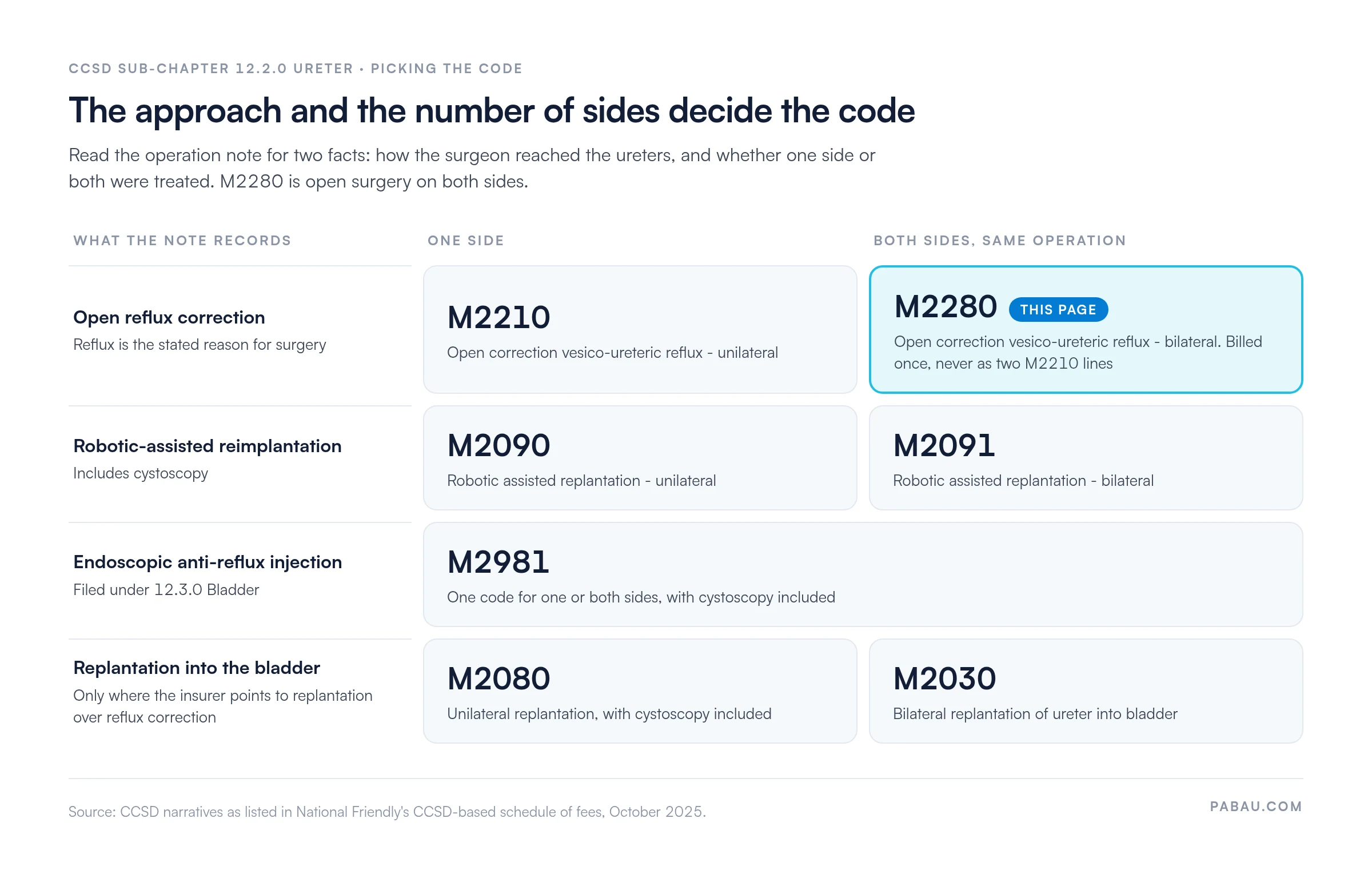
The pair coders confuse most is M2210 and M2280, because their narratives differ by one word. When both ureters are corrected in the same operation, bill M2280 once. Two M2210 lines describe two separate procedures, and the insurer is likely to query the second one.
M2030 and M2080 also put the ureter back into the bladder, but their narratives don’t mention reflux. When reflux is the documented reason for surgery, the M2280 narrative matches the note most closely. If an insurer prefers a replantation code, get its answer in writing before you submit.
The robotic codes, M2090 and M2091, were added to the schedule in April 2024. A robotic-assisted bilateral reimplantation belongs on M2091, not on the open code.
When an insurer asks for a diagnosis, UK claims use WHO ICD-10 codes rather than the US ICD-10-CM edition. The code should match what the surgeon recorded and what the imaging showed.
Check each code in the WHO ICD-10 browser before you submit. The US edition adds extra digits, such as N13.70 and N28.89, that don’t exist in the WHO version.
An M2280 claim is only as strong as the operation note behind it. If the note reads like a one-sided repair, the insurer will query the bilateral code.
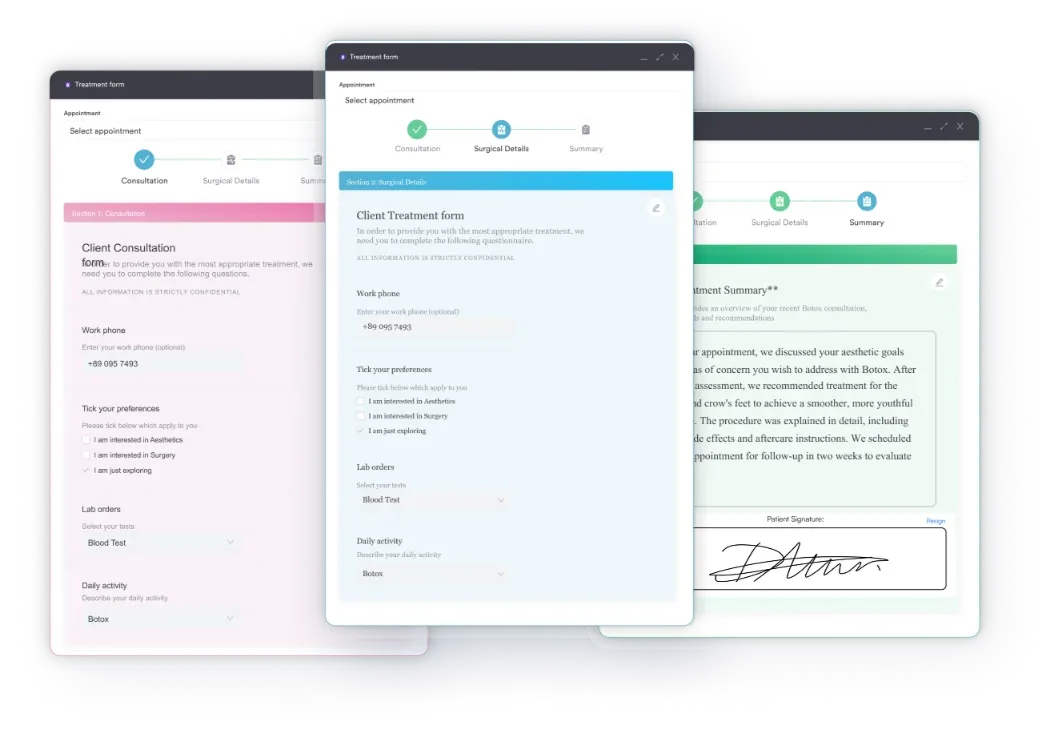
Build a left and a right section into your reimplantation note template. When each side has its own findings field, the coder can confirm M2280 at a glance instead of reading the whole narrative.
Most UK insurers want planned surgery approved before the operation date. The patient is often a child covered on a parent’s policy, so check whose name and membership number the insurer holds.
The anesthesiologist bills separately for the same operation. A later stent removal is a new procedure with its own date of service, so check whether it needs its own authorization.
For Bupa, only a consultant Bupa recognizes in the relevant specialty can bill M2280. Our guides to Bupa CCSD codes and the Bupa procedure fee schedule cover its claim rules in more detail.
Most rejected M2280 claims trace back to one of the seven slips below, each listed with its fix.
If a claim is still refused, check the insurer’s current provider manual for its appeal process.
In many pediatric urology practices, the authorization sits in an email and the operation note in another system. The claim is then keyed in by hand, and each handoff risks a lost reference or the wrong code.
Pabau has insurance billing built in, so those steps stay on the patient record. Its claims software for surgeons sends claims electronically through Healthcode and to Bupa. The authorization code, dates and sessions sit on the patient’s case, with a warning when one is missing.
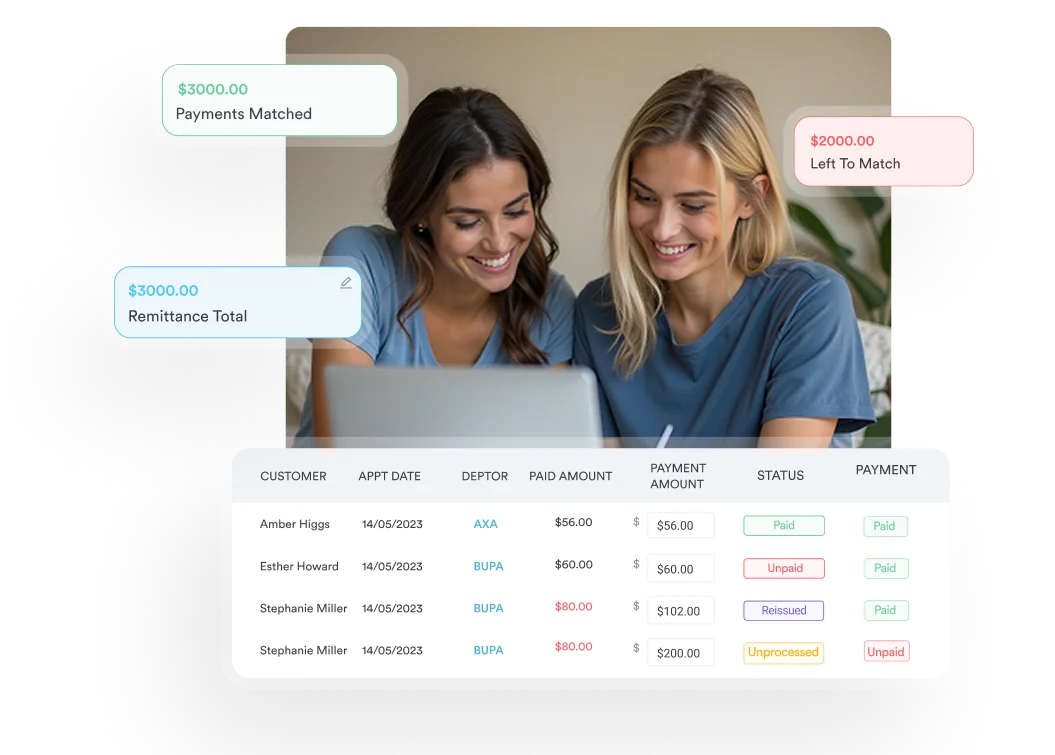
You get fewer claims returned for a missing reference, and a clear view of what each insurer still owes. Your team spends less time chasing payers and more time supporting families.

Pabau tracks authorization codes on the patient’s case and sends claims electronically through Healthcode and to Bupa. Your team sees each claim’s status without phoning the insurer.

M2280 is the right code when the surgeon corrects reflux in both ureters through an open operation. One side is M2210, an endoscopic injection is M2981, and a robotic bilateral repair is M2091.
Most queries trace back to a note that doesn’t show both sides, a US diagnosis code or a missing authorization. Catch those three before the claim leaves, and M2280 payments arrive sooner. Book a demo to see how Pabau tracks authorizations and sends your Healthcode claims from one patient record.

Correcting reflux on one side only? CCSD code M2210 covers open correction of vesico-ureteric reflux on one side.
Reimplanting both ureters without a reflux indication? CCSD code M2030 explains bilateral replantation of the ureter into the bladder.
Coding a single ureteric replantation? CCSD code M2080 covers unilateral replantation, with cystoscopy included.
Need a full Bupa CCSD billing reference? Bupa CCSD codes covers Bupa’s procedure list and how its claims work.
Removing the stent at a later cystoscopy? CCSD code M2930 covers removal of a prosthesis from the ureter, with cystoscopy included.
CCSD code M2280 covers open correction of vesico-ureteric reflux in both ureters, in one operation. Its CCSD narrative is Open correction vesico-ureteric reflux – bilateral. It sits in sub-chapter 12.2.0 Ureter of the CCSD schedule.
M2210 is the unilateral code, Open correction vesico-ureteric reflux – unilateral. Use it when the surgeon corrects reflux on one side only. When both sides are corrected in the same operation, bill M2280 once rather than M2210 twice.
Endoscopic anti-reflux injection is M2981, which covers one or both sides and includes cystoscopy. Robotic-assisted reimplantation is M2090 for one side and M2091 for both sides. M2280 is for open surgery only.
UK claims use WHO ICD-10 codes. N13.7 covers vesicoureteral-reflux-associated uropathy, and Q62.7 covers congenital vesico-uretero-renal reflux. N11.0, N39.0 and N28.8 can be added where the note records them.
The M2280 narrative doesn’t mention cystoscopy, while M2080 and the robotic codes include it. Check the insurer’s guidance before you add a separate cystoscopy line to an M2280 claim.
Most UK private insurers, Bupa included, expect planned surgery to be authorized before the operation. Put the authorization reference on the claim and check that it names M2280.