CCSD Code C7920: Pars plana vitrectomy with tamponade, buckling and retinopexy
CCSD Code C7920: Definition and official descriptor CCSD Code C7920 is the CCSD ...

Last Updated: Nov 11, 2026
E6300 is the CCSD code for diagnostic mediastinoscopy in UK private healthcare. It covers inspection of the mediastinum through a small incision just above the sternal notch, including lymph node biopsy or sampling under general anesthesia.
The code is diagnostic only. EBUS-guided sampling, VATS and open mediastinal surgery each carry their own CCSD codes. The access route recorded in the operative note decides which one applies.
Let Pabau's smart automation suggest the right codes, reduce claim denials, and keep your practice compliant—effortlessly.
Automate repetitive tasks and focus on what matters most—your patients.
Reduce coding errors and ensure compliance with the latest regulations.
Clean claims, fewer denials, and faster reimbursements.
Powerful insights and reporting to help your practice thrive.
HIPAA compliant SOC 2 certified GDPR-compliant Trusted by 4,000+ clinics worldwide

CCSD Code E6300 covers diagnostic mediastinoscopy only, so a therapeutic procedure through the same incision needs its own code.
The access route in the operative note decides between E6300 and the EBUS, VATS and open mediastinal codes.
Payers may query an E6300 claim with no linked anesthetic episode, so confirm the rule in each insurer’s provider manual.
Bupa, AXA Health and Aviva generally require prior authorization for mediastinoscopy, and claims without it are typically declined.
Pabau, the practice management software we build, supports UK insurance billing through Healthcode and BUPA and warns staff when a prior authorization is missing.
CCSD Code E6300 is the CCSD Schedule code for diagnostic mediastinoscopy in UK private healthcare. The CCSD Group, made up of representatives from four major private insurers, publishes the CCSD Schedule as the standard procedure code set for that sector. E6300 carries the descriptor “Diagnostic mediastinoscopy” and sits in section 8.6.0 (Mediastinum) of chapter 8, which covers the thorax.
The code covers the whole diagnostic episode. That includes suprasternal access, scope insertion, inspection of the mediastinal structures, lymph node biopsy or sampling, and wound closure. A therapeutic procedure performed through the same incision is coded separately.
CCSD is a separate system from NHS OPCS-4 coding and US CPT coding. It is the schedule UK private medical insurers (PMIs) use, including Bupa, AXA Health, Aviva, Vitality and WPA. OPCS codes for mediastinoscopy do not map one-to-one onto E6300, so coders who bill both NHS and private work should keep them apart. Neighboring codes from the same schedule are collected in our CCSD code reference.
Diagnostic mediastinoscopy is a surgical procedure performed under general anesthesia in an operating room. Knowing the technique helps coders confirm that the operative note supports E6300 rather than a neighboring code.
The procedure typically takes 20–40 minutes. It needs a staffed operating room, so the claim should never describe it as an endoscopy done in a treatment room.
The indication documented in the operative note decides which ICD-10 diagnosis code accompanies E6300. The principal indications are:
The indication also shows whether the mediastinoscopy is a standalone diagnostic episode or a prelude to resection under the same anesthetic. Sometimes the surgeon proceeds straight to resection at the same sitting, for example a pneumonectomy billed as E5410. The diagnostic mediastinoscopy may then be bundled rather than coded separately, depending on the payer’s unbundling policy.
E6300 is easy to confuse with the other mediastinal and bronchoscopic codes, because several routes reach the same lymph nodes. The table sets out how they differ. For Bupa’s own rules on this chapter, see our Bupa CCSD code guidance.
The costliest error here is billing E6300 when EBUS-guided sampling was performed. EBUS has its own CCSD codes and needs no incision. The CCSD schedule lists E6300 as an unacceptable combination with E6310, E5100, E6200 and E6110, so they are not billed together for one episode. Resection of a tumor that has invaded nearby structures moves to E6100. Check the access route in the operative note before you choose any thoracic code.
An operative note that misses a required element leaves the E6300 claim unsupported, even when the procedure was appropriate. Payers judge the claim on what the note records. A structured operative note template that prompts for each field makes those omissions far less likely.
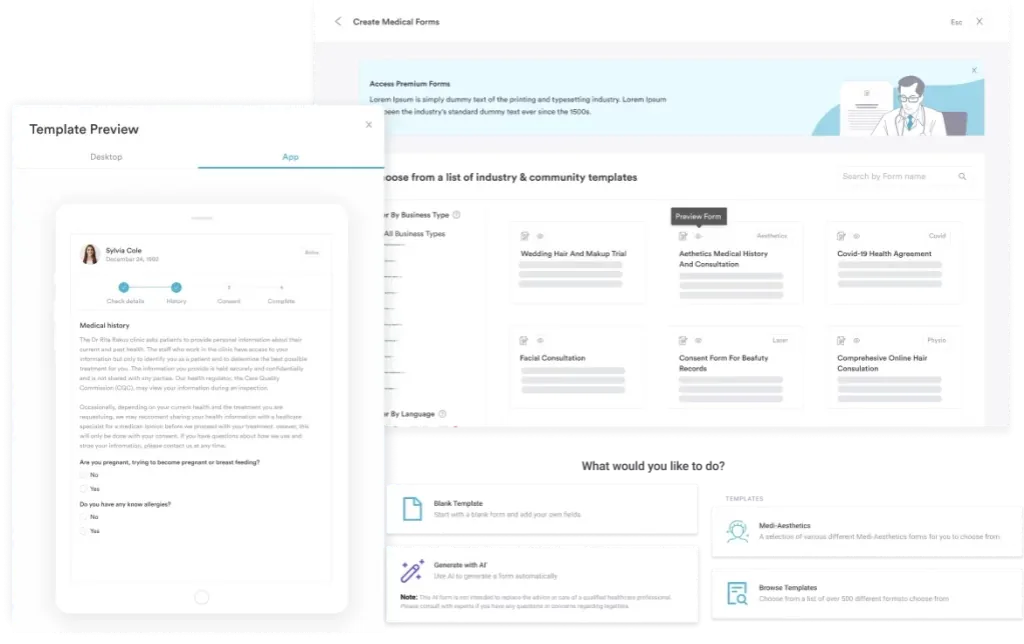
The operative note must include all of the following:
The post-operative diagnosis drives ICD-10 code selection. If histology is still pending at submission, use the pre-operative indication code. Once the pathology result is known, amend the code through the insurer’s amendment process.
Diagnostic mediastinoscopy is performed under general anesthesia. The patient lies fully anesthetized with the neck extended, because the mediastinoscope cannot safely pass along the pretracheal space in a conscious or sedated patient.
The anesthetist bills the anesthetic separately, under their own CCSD anesthesia code. Payers may query an E6300 claim with no linked anesthetic episode, so confirm the rule in each insurer’s provider manual. The surgeon’s invoice and the anesthetist’s invoice should both name the same episode, hospital and date to avoid a mismatch query.
A surgical assistant may be present, particularly in teaching hospitals. Whether the assistant can bill separately depends on the payer. Bupa and AXA Health both specify maximum assistant fees for recognized procedures, while some smaller insurers do not accept assistant invoices as separate line items. Confirm the payer’s current assistant-fee policy before billing.
Surgeons often inspect the airway with a diagnostic bronchoscopy at the same sitting, and that bronchoscopy may carry its own CCSD code on the episode. Some payers apply unbundling rules that cap the total paid when several thoracic procedures happen in one session. Document each procedure separately in the operative note, with its own description and indication. Then check the payer’s current unbundling schedule before you submit a combined claim.
Before submitting a combined E6300 and bronchoscopy claim on the same episode, check the payer’s unbundling policy. Bupa and AXA Health publish unbundling rules in their provider manuals. Submit both operative descriptions separately. A narrative that blurs the two procedures can trigger a manual review, and one code may be disallowed.
Prior authorization is effectively mandatory for mediastinoscopy with the major UK private medical insurers. The exact requirements vary by payer and change over time. The guidance below reflects common practice, so check each insurer’s current provider manual before you book.
Bupa: Requires pre-authorization for elective surgical procedures, mediastinoscopy included. The authorizing clinician typically submits CT or PET findings, the multidisciplinary team (MDT) recommendation, and the proposed procedure code. Bupa issues an authorization number that must appear on the invoice, and claims without a valid number are typically declined. Use Bupa’s code search portal to check current code recognition and fee status.
AXA Health: Pre-authorization is required for inpatient and most day-case surgical procedures. AXA Health’s provider portal accepts electronic authorization requests and returns a reference number within its stated response times. The AXA Health specialist procedure codes portal lists recognized CCSD codes and current fee chapters.
Aviva: Requires authorization for surgical procedures classed as inpatient or complex day-case. The request must name the CCSD procedure code. See Aviva’s current provider fee schedule for reimbursement rates and procedure recognition status.
Retrospective authorization requests are rarely granted, so a missed authorization is hard to fix after the procedure. Each insurer’s provider manual sets out whether it reviews late requests at all. Build authorization tracking into booking, so no procedure date is confirmed until the reference number is recorded. Our guide to the prior authorization process walks through each stage of that workflow.
E6300 claims are rejected for a predictable set of reasons. Most are administrative rather than clinical, and the right pre-submission checks catch them.
The ICD-10 code on an E6300 claim reflects why the procedure was performed, which is not always the final histological diagnosis. Where histology is pending at submission, use the clinical indication. Amend the claim once a confirmed diagnosis is available, following each payer’s amendment protocol.
Use the most specific code available. Where the subcategory is known (e.g. C34.1 for malignant neoplasm of the upper lobe bronchus or lung), use it rather than the unspecified parent code. Payers increasingly flag unspecified codes for manual review, particularly when the note describes a targeted biopsy of a named lymph node station.
Claim submission for E6300 follows the same workflow as other elective surgical procedures in UK private practice, and a skipped step usually means rework. The checklist below groups what has to be on file at each stage, and the steps after it put them in order.
Tap a stage
What has to be on file for an E6300 claim, stage by stage
Prior authorization number
Recorded before the procedure date is confirmed. It goes on the invoice.
Imaging and MDT recommendation
CT or PET findings and the multidisciplinary team decision, where the insurer asks for them.
Requested CCSD code
E6300 named on the authorization request.
Insurer manual checked
Each insurer’s provider manual sets its own authorization rules.
Access route
Suprasternal approach with a mediastinoscope. This separates E6300 from EBUS, VATS and open codes.
Surgeon and provider numbers
Named consultant, GMC number and the insurer’s provider number.
Nodes and specimens
IASLC station numbers, laterality, specimen count and handling.
Diagnoses and complications
Pre- and post-operative diagnosis, with complications stated as “nil” if none.
E6300 plus the ICD-10 indication
The reason for the procedure, amended once histology confirms the diagnosis.
Authorization number on every line
A missing reference is a common reason for a declined claim.
Linked anesthetic episode
The anesthetist’s invoice names the same episode, hospital and date.
Operative note attached
Sent through Healthcode or the insurer’s portal, whichever the payer uses.
Checklist drawn from the documentation, prior authorization and submission sections of this guide. Confirm each insurer’s current provider manual before you bill.
The operative note is a clinical document, so the billing team should never be expected to interpret or add to it. Treat claim submission as part of clinical governance, with the surgeon accountable for what the note records.
Manual processes break down on high-value CCSD procedures like E6300. Prior authorization references get lost between the booking team and the billing team. The surgeon’s invoice goes out before anyone links the anesthetic episode. Operative notes arrive as free text that does not map to the payer’s audit checklist.
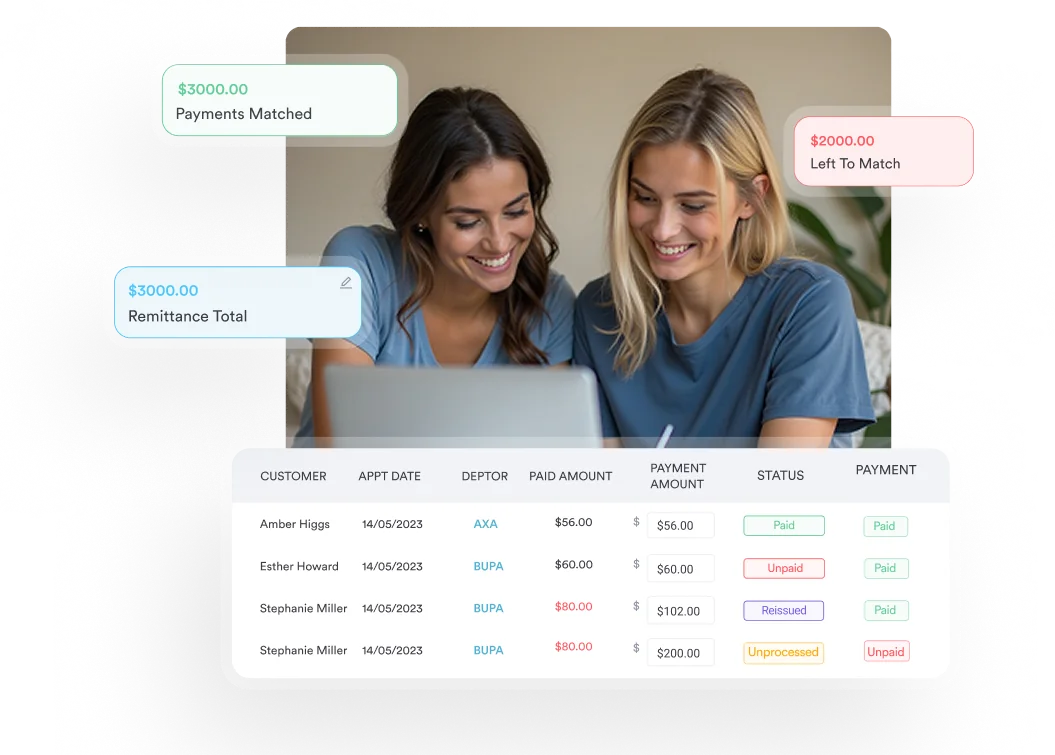
Pabau’s claims management software handles UK insurance billing through Healthcode and BUPA. The prior authorization code, its dates and its sessions sit on the patient’s case, and Pabau shows a warning when one is missing. Pabau shows a warning when a prior authorization is missing, so the gap is flagged before the date is confirmed or the invoice goes out.
Pabau’s digital forms can also be set up as structured operative note templates. They prompt the surgeon for each required element at the time of documentation, so the note is complete before the claim leaves the practice.

Pabau supports UK insurance billing through Healthcode and BUPA, warns you when a prior authorization is missing, and turns operative notes into structured digital forms.

E6300 is a narrow code, and most E6300 claims that fail do so on process rather than on coding. Treat the authorization number, the access route and the linked anesthetic episode as conditions for booking. Left to a review after submission, each one turns into an insurer query.
The trade-off is a few minutes of admin before the procedure date against rework once a claim is queried. Book a demo to see how Pabau tracks prior authorizations and insurance claims for CCSD procedures like E6300.

Need a broader CCSD reference for Bupa billing? Bupa CCSD codes covers the full Bupa procedure code schedule and fee recognition rules.
Billing open surgery on the mediastinum? CCSD Code E6100 explains how an invasive mediastinal tumor resection is coded and documented.
Did the surgeon go on to resect the lung? CCSD Code E5410 covers pneumonectomy billing in the same thoracic chapter.
Want a standard form for authorization requests? Medical prior authorization form gives your team a template for collecting what insurers ask for.
CCSD Code E6300 covers diagnostic mediastinoscopy. The surgeon examines the mediastinum through a suprasternal incision with a rigid mediastinoscope and biopsies or samples lymph nodes under general anesthesia. It covers the diagnostic procedure only, so any therapeutic intervention needs a separate code.
The anesthetist bills the anesthetic under their own CCSD anesthesia code, on a separate invoice. Payers may query an E6300 claim with no linked anesthetic episode, so confirm the rule in each insurer’s provider manual. Both invoices should name the same episode, hospital and date.
Mediastinoscopy (E6300) reaches the mediastinum directly, with a rigid scope passed through a suprasternal incision. Bronchoscopy reaches the airways through the mouth with a flexible or rigid bronchoscope. EBUS-guided needle aspiration is a bronchoscopic technique with its own CCSD codes, E6310 or E5100. It is never billed as E6300, even when both target mediastinal lymph nodes.
Yes, when the biopsy is taken through a rigid mediastinoscope inserted via a suprasternal incision under general anesthesia. A biopsy taken by EBUS, VATS or open surgery takes a different CCSD code. The access route documented in the operative note decides the correct code.
The most common reasons are a missing prior authorization reference, an inadequate operative note, and a claim with no linked anesthetic episode. Others include billing E6300 for EBUS, a wrong consultant registration number, and billing the diagnostic code when a therapeutic procedure was also performed. Pre-submission checklists and structured documentation help catch most of them.
The major UK private medical insurers generally require prior authorization for mediastinoscopy. Bupa, AXA Health and Aviva require pre-authorization for elective surgery in this category, and claims without it are typically declined. Smaller or occupational health schemes may differ, so check the insurer’s provider manual before you proceed.