CPT Code 86160: Complement component billing and coding guide
CPT code 86160: Official descriptor and definition CPT code 86160 is defined by ...

Last Updated: Nov 26, 2026
K6512 is the CCSD code for a pressure wire measurement study as sole procedure. It covers an intracoronary pressure assessment of a coronary narrowing when no coronary angiogram or intervention takes place on the same date.
K6512 sits in the Heart – Cardiology sub-chapter of CCSD chapter 8. When angiography or PCI happens in the same session, a different code applies, so the report must show that the pressure wire study stood alone.
Let Pabau's smart automation suggest the right codes, reduce claim denials, and keep your practice compliant—effortlessly.
Automate repetitive tasks and focus on what matters most—your patients.
Reduce coding errors and ensure compliance with the latest regulations.
Clean claims, fewer denials, and faster reimbursements.
Powerful insights and reporting to help your practice thrive.
HIPAA compliant SOC 2 certified GDPR-compliant Trusted by 4,000+ clinics worldwide

CCSD Code K6512 covers a pressure wire measurement study only when it is the sole invasive procedure on that date of service.
FFR and iFR are generally billed under the same code, but confirm this against the current CCSD schedule. Some insurers once authorized FFR only.
Missing pre-authorization and incomplete operative notes are the most preventable causes of K6512 denials.
The cath lab report should record the index used, its value, the vessels assessed and any adenosine given.
Pabau’s practice software tracks authorization codes and dates on each insurance case and submits UK claims through Healthcode and Bupa.
CCSD Code K6512 is the code for a pressure wire measurement study performed as a sole procedure. It sits in the CCSD Group's schedule, the standard set of procedure codes for UK private healthcare, which a group of private insurers manages. The code covers an intracoronary pressure wire assessment with no coronary angiogram or intervention on the same date of service.
The CCSD schedule holds the official descriptor, and coders should apply it as written. Its two key words are “sole procedure,” and they set the whole scope of the code.
K6512 sits in the K65 group of cardiac catheterization codes, within the Heart – Cardiology sub-chapter of the CCSD schedule. Neighboring codes cover pressure wire studies done alongside diagnostic angiography or PCI. Our guide to K6510 shows how the catheterization codes split by patient age, pressure wire use and access route. Alcohol septal ablation shares the Heart – Cardiology sub-chapter and the cath lab setting, and it is billed under CCSD code K1690.
A pressure wire measurement study is a minimally invasive cath lab procedure that tests whether a coronary narrowing restricts blood flow enough to need treatment. Cardiologists use it to judge the hemodynamic significance of a stenosis.
The procedure follows this sequence:
An FFR value of 0.80 or below indicates a hemodynamically significant stenosis, per ESC guidelines. An iFR value of 0.89 or below carries equivalent significance, as established by the DEFINE-FLAIR and iFR-SWEDEHEART trials. These thresholds guide the revascularization decision, and each operator and institution decides how to apply them.
K6512 is appropriate when a cardiologist assesses the physiology of a coronary lesion as the only invasive procedure in that session. Accepted clinical indications include the following:
In each of these cases, any angiography has already happened, so the pressure wire study is the only billable procedure on this date.
The sole-procedure designation is the defining coding rule for K6512. On the date of service, the pressure wire measurement study is the only invasive cardiac procedure performed. No diagnostic coronary angiography, PCI or other catheterization takes place in the same session.
The rule matters because the K65 group holds separate codes for pressure wire studies performed alongside other procedures. Billing K6512 when a second procedure also took place is a misclassification, and it is the most common root cause of denial for this code. The diagram below turns that rule into one question, followed by the six report items covered later in this guide.
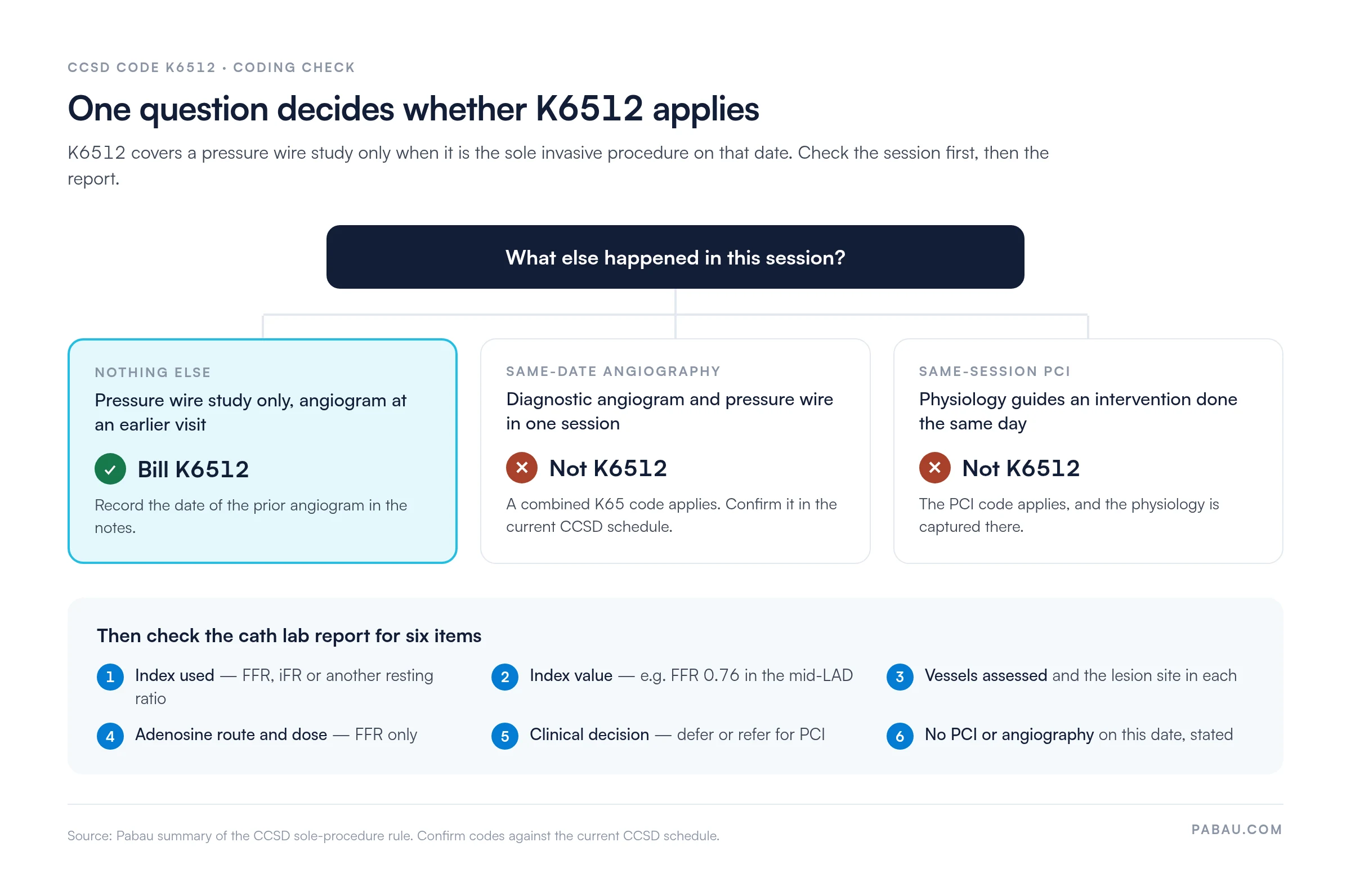
The table below maps the most common clinical scenarios to the correct coding decision:
The K65 group holds the CCSD codes for cardiac catheterization, including catheterization combined with physiological assessment. Coders new to the group often apply K6512 to sessions that need a different code. This happens most when angiography and physiology fall on the same date.
Start with the most complex procedure performed on the date of service. Then check whether physiology is captured within that code or needs a standalone one. K6512 applies only when the pressure wire study is the sole invasive procedure.
When comparing K6512 with adjacent K65 codes, keep these distinctions in mind:
Pediatric cardiac catheterization has its own code, K6520, so check the patient's age before choosing any K65 code. For a combined-procedure session, verify the code against the current CCSD schedule, since descriptors and bundling rules change between editions. Our CCSD code library gathers the neighboring codes in one place.
An accurate operative report is the difference between a clean claim and a denial. For K6512, the cath lab report must show that the pressure wire study took place and was the sole invasive procedure. It must also show why the study was clinically needed. Insurers audit these records at pre-authorization and in post-payment review.
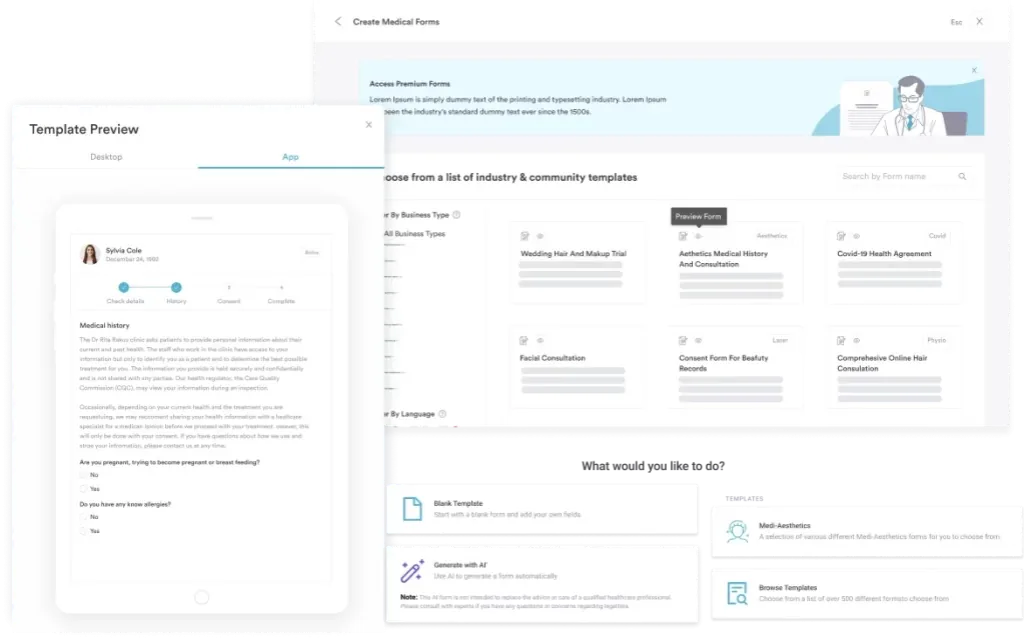
The procedural documentation should include the following elements:
A structured procedure form completed at point of care captures each of these elements every time. Free-text narrative is where auditors most often find a missing value or vessel.
UK private health insurers commonly require pre-authorization for planned procedures, and a standalone pressure wire study is a planned episode of care. It is not an add-on to an angiogram that has already been authorized. Missing pre-authorization is one of the most preventable reasons for a K6512 denial.
The table below summarizes the general position of major UK private insurers. Payer policies change and depend on the contract, so check current requirements with each insurer before scheduling. Our Bupa CCSD billing guide covers Bupa-specific requirements in more detail.
Important: Pre-authorization approval is at the insurer's discretion and does not guarantee payment. It depends on the clinical information being accurate and the procedure going ahead as described. If the procedure changes, such as angiography being added on the day, notify the insurer before proceeding.
The same handful of errors cause most K6512 denials across practices, and each one has a specific fix.
No, the choice of FFR or iFR generally does not change the code: K6512 is applied to both hyperemic and resting pressure wire indices. The descriptor “pressure wire measurement study” names no specific index, but confirm this against the current CCSD schedule before billing.
The table shows how each index is usually handled and where payer policy can differ:
Always document the specific index used and its numerical result in the operative report. Even with the same CCSD code, insurers reviewing the claim need the measurement type to audit clinical appropriateness. A report that only states “physiology performed” is open to a query or a denial.
Put the index type and numerical result in the first paragraph of the cath lab report, not in a free-text addendum. Insurers reviewing K6512 claims look for the measurement value at the top of the note. If they cannot find it quickly, the claim goes to query. A one-line entry such as “FFR 0.76 measured in the mid-LAD using IV adenosine” covers that element in full.
A K6512 claim goes out clean only when the sole-procedure check, the authorization and the report all line up. In many practices, a biller still checks a cath lab note against an insurer portal and a spreadsheet by hand.
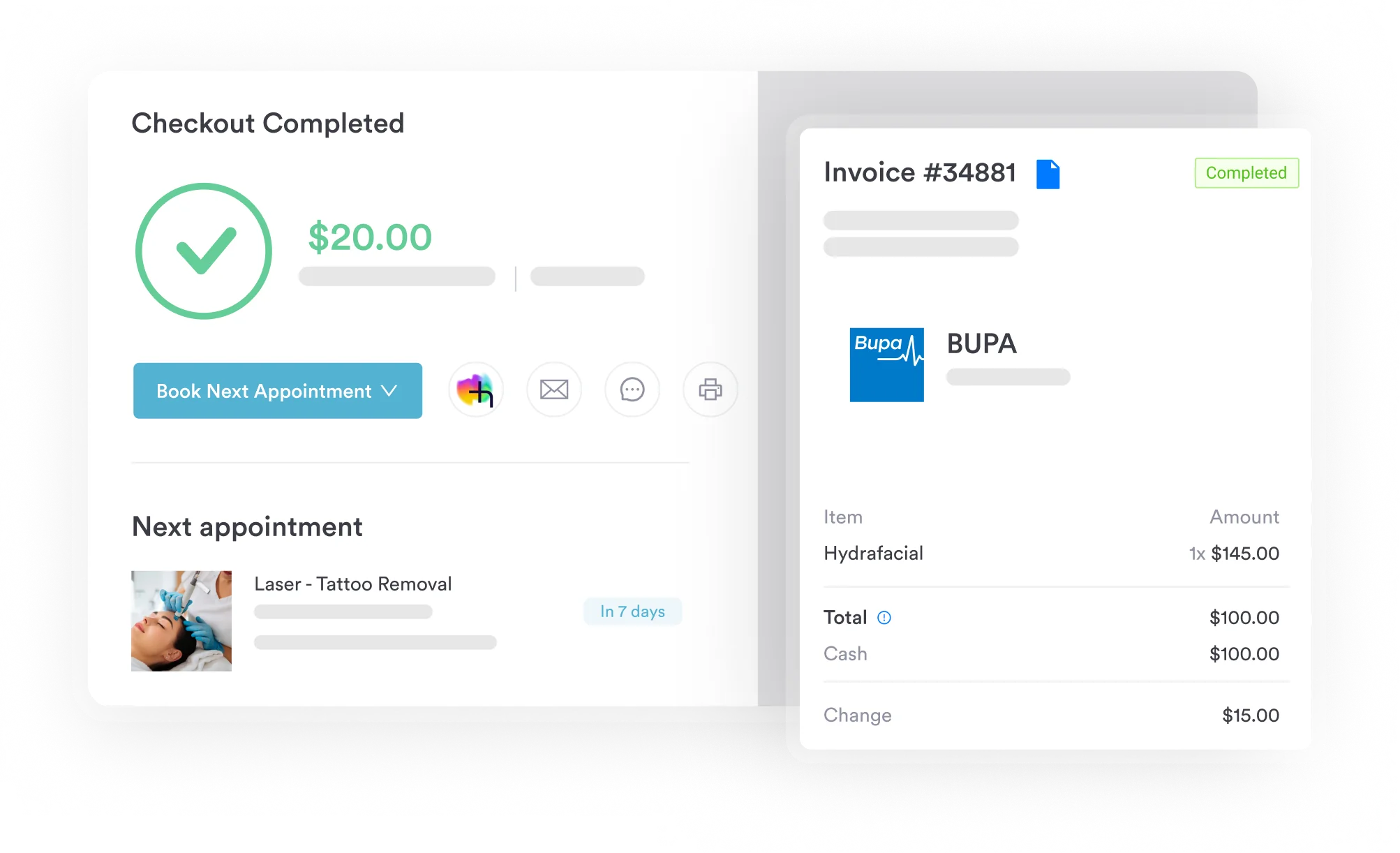
Pabau, a practice management platform with insurance billing built in, tracks insurance cases, authorization codes and dates, and submits UK claims through Healthcode and Bupa. Its claims management software warns staff when a case has no authorization recorded, so the missing approval is caught before the procedure date.
Procedure notes sit in the same patient record as the insurance case. When an insurer queries the index value or the vessels assessed, the answer is next to the claim instead of in a separate system.
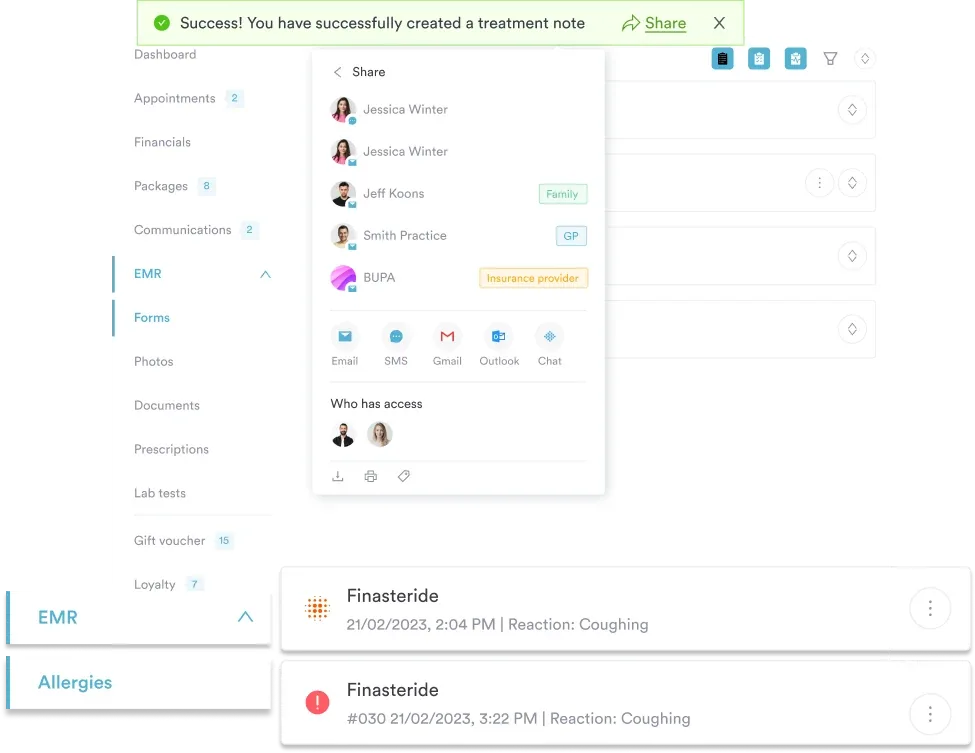
The result is fewer claims returned for a missing authorization or an incomplete note.

Pabau tracks insurance cases, authorization codes and dates, and submits UK claims through Healthcode and Bupa. Your K6512 claims leave with the authorization already on file.

K6512 rewards one habit: settle what else happened in the session before you choose the code. If the study stood alone, record the prior angiogram date, the index, its value and the decision, and confirm authorization before the procedure.
If angiography or PCI joined the session, K6512 is off the table. Checking that up front costs far less than an appeal after a denial. Book a demo to see how Pabau keeps authorizations, procedure notes and UK claims together for your cardiology practice.

Need a full reference for Bupa CCSD codes? Bupa CCSD codes billing guide covers Bupa-specific procedure code requirements, pre-authorization rules and submission standards for UK private practice.
Billing catheterization with a pressure wire in the same session? CCSD code K6510 explains how the catheterization codes split by patient age, pressure wire use and access route.
Coding a catheterization for a child? CCSD code K6520 covers pediatric cardiac catheterization and the interventional codes CCSD lists as not billable with it.
Want fewer returned claims across your practice? Claims management software from Pabau tracks authorizations on each insurance case and submits UK claims through Healthcode and Bupa.
CCSD Code K6512 covers a pressure wire measurement study performed as a sole procedure. That means an intracoronary physiological assessment carried out with no diagnostic angiography or PCI on the same date. The code captures the work of advancing a pressure wire, recording the index value and assessing the stenosis. That work is the only invasive procedure of the session.
K6512 applies when the pressure wire study is the only invasive cardiac procedure on the date of service. This is typical of a staged approach, where diagnostic angiography took place at a prior visit. When pressure wire assessment and coronary angiography happen on the same date, a combined code from the K65 group applies instead. Billing K6512 alongside a same-date angiography code is a bundling error and a leading cause of denial.
Generally not. K6512 is applied to both hyperemic indices (FFR, which needs adenosine) and resting indices such as iFR and RFR. Confirm this against the current CCSD schedule. Some insurers have older policy wording that names FFR specifically. Check the current policy version with each payer, and document the index used in the operative report.
Usually, but confirm it with each insurer before scheduling. UK private insurers commonly require pre-authorization for planned procedures, and AXA Health publishes no rule for this specific code. Supporting information typically includes prior angiographic findings, the clinical rationale for a separate physiology session and a referring consultant letter.
No. K6512 is defined as a sole procedure, so it cannot be billed alongside a same-date coronary angiography code. When both procedures happen on the same date, a combined code from the K65 group applies. Submitting K6512 with a same-date angiography code leads the insurer to unbundle the pair and deny the lower-value code.
The operative report must name the pressure wire index used, such as FFR or iFR, and record its numerical value. It must also list the vessels assessed and, if adenosine was used, its route and dose. Finally, it records the clinical decision and confirms that no PCI or angiography took place on that date. A missing index value or decision is the most common cause of audit queries.