HCPCS code C1731: Catheter billing, OPPS reimbursement, and denial guide
HCPCS code C1731: Official descriptor and code series context HCPCS code C1731 i...

Last Updated: Oct 8, 2026
D0630 is the CCSD code for repair of pinna, the visible outer ear. Surgeons use it to restore the ear's shape and skin cover after trauma, skin cancer surgery or a congenital or acquired deformity. UK private insurers that use the CCSD schedule recognise the code, and each one sets its own fee.
A clean claim depends on two checks. The operative note has to show a clinical reason for the repair, because insurers generally exclude purely cosmetic ear surgery. CCSD also lists five codes that can't be billed with D0630, including excision of a pinna lesion and drainage of a pinna haematoma.
Let Pabau's smart automation suggest the right codes, reduce claim denials, and keep your practice compliant—effortlessly.
Automate repetitive tasks and focus on what matters most—your patients.
Reduce coding errors and ensure compliance with the latest regulations.
Clean claims, fewer denials, and faster reimbursements.
Powerful insights and reporting to help your practice thrive.
HIPAA compliant SOC 2 certified GDPR-compliant Trusted by 4,000+ clinics worldwide

CCSD code D0630 covers repair of the pinna, listed in Chapter 5 (Ear, nose and throat) under External Ear.
CCSD lists five codes as unacceptable with D0630: D0210, D0410, S4720, S4740 and S4780.
Insurers generally treat repair after trauma, skin cancer surgery or a deformity as reconstructive, and purely cosmetic ear reshaping as excluded.
Pre-authorisation rules differ by insurer, so raise the request under D0630 itself before the procedure.
Each insurer sets its own fee for D0630, and claims to UK insurers usually go through Healthcode.
CCSD code D0630 is the code for “repair of pinna.” The pinna, also called the auricle, is the visible outer ear. The code applies when a surgeon restores the shape, continuity or skin cover of the pinna after injury, cancer surgery or a deformity. Procedures on the ear canal, middle ear and inner ear sit under other codes.
D0630 sits in Chapter 5 of the CCSD schedule, Ear, nose and throat, under the External Ear heading. Plastic surgeons, ENT surgeons and maxillofacial surgeons all perform the repair. The code stays the same whichever specialty bills it.
CCSD stands for Clinical Coding and Schedule Development. The CCSD Group is made up of representatives of four UK private health insurers: Aviva, AXA Health, Bupa and Vitality. The group sets the codes and the rules for combining them, while each insurer sets its own fees.
The CCSD website publishes the schedule and its updates, so check the current narrative before you bill. You can browse other ear codes in our CCSD codes library.
Pinna repair has several common triggers. Acute cases include lacerations from bites, falls, road traffic collisions and sharp injuries.
Elective cases often follow removal of a skin cancer, such as a basal cell or squamous cell carcinoma. The diagnosis is often confirmed first by a biopsy, which has its own code, D0610. Congenital deformities such as microtia, and acquired ones such as keloid or a poor result from earlier surgery, make up the rest.
The technique depends on the size of the defect and the tissue available. A simple laceration needs cleaning, realignment of the cartilage and layered skin closure. A larger defect may need a local advancement flap, a retroauricular flap or a cartilage graft.
Minor earlobe repairs are often done under local anaesthetic in a treatment room, while complex repairs go to theatre.
Under the CCSD Technical Guide, one code usually describes a procedure from start to finish. That includes pre-operative assessment, anaesthesia, post-operative care and wound dressing. A dressing change or wound check after the repair therefore needs no code of its own.
Whether an insurer pays for D0630 usually turns on the reason for the repair. UK private medical insurance policies generally exclude cosmetic surgery, and each insurer words that exclusion in its own policy terms. A clear clinical reason in the notes is the strongest support for the claim.
Reviewers look for a documented clinical trigger when a case is borderline. Notes that describe prominent ears with no trauma, disease or functional problem read as cosmetic, whatever the technique. Check the patient’s policy terms before the procedure, because cover for keloid and revision surgery varies between insurers.
UK private insurers expect a diagnosis alongside the procedure code, coded in WHO ICD-10 (5th edition). The diagnosis should match the indication in the operative note. Use the WHO ICD-10 browser to confirm each description before you submit.
Use the most specific code the record supports. A diagnosis that doesn’t match the clinical record can delay payment and prompt a query from the insurer.
Each insurer sets its own pre-authorisation rules, so check them for every patient before the procedure. Usually the patient or the practice contacts the insurer and receives an authorisation number. Raise the request under D0630 itself, not under a general ear procedure or another code.
Urgent trauma repairs often happen the day the patient arrives, before anyone has called the insurer. In that case, contact the insurer as soon as you can, follow its rules for urgent treatment and log the reference against the episode.
Requirements and turnaround times differ between insurers and between policies. Confirm the authorisation is in place before you confirm the theatre date with the patient.
A D0630 claim follows the usual path for UK private medical insurance. Each step adds one detail the insurer will check later.
Insurers set their own deadlines for submitting claims and answering queries, so send each claim promptly. For claims that come back, a steady denial management routine shows which errors keep repeating.
CCSD has no modifiers. Where laterality matters, CCSD writes it into the code narrative. Some codes exist in unilateral and bilateral forms, and others only in a bilateral form. The narrative for D0630 doesn’t name a side.
The Technical Guide says one code should usually describe a common intervention on its own. Each insurer has its own contractual rules on using more than one code at the same attendance. If both ears are repaired, or a second procedure is done alongside D0630, contact the insurer before you submit.
Whatever the insurer decides, document each ear separately. Name the side, describe the defect and record the technique for each repair, so the note supports the claim either way.
CCSD lists five codes as unacceptable with D0630. An unacceptable combination is a pair of codes that shouldn’t be billed together for the same procedure.
CCSD treats these lists as guidelines, and each insurer decides how to apply them. When a claim carries both codes, the insurer can reject it or pay only one line. The five codes fall into two groups, other pinna procedures and general skin codes.
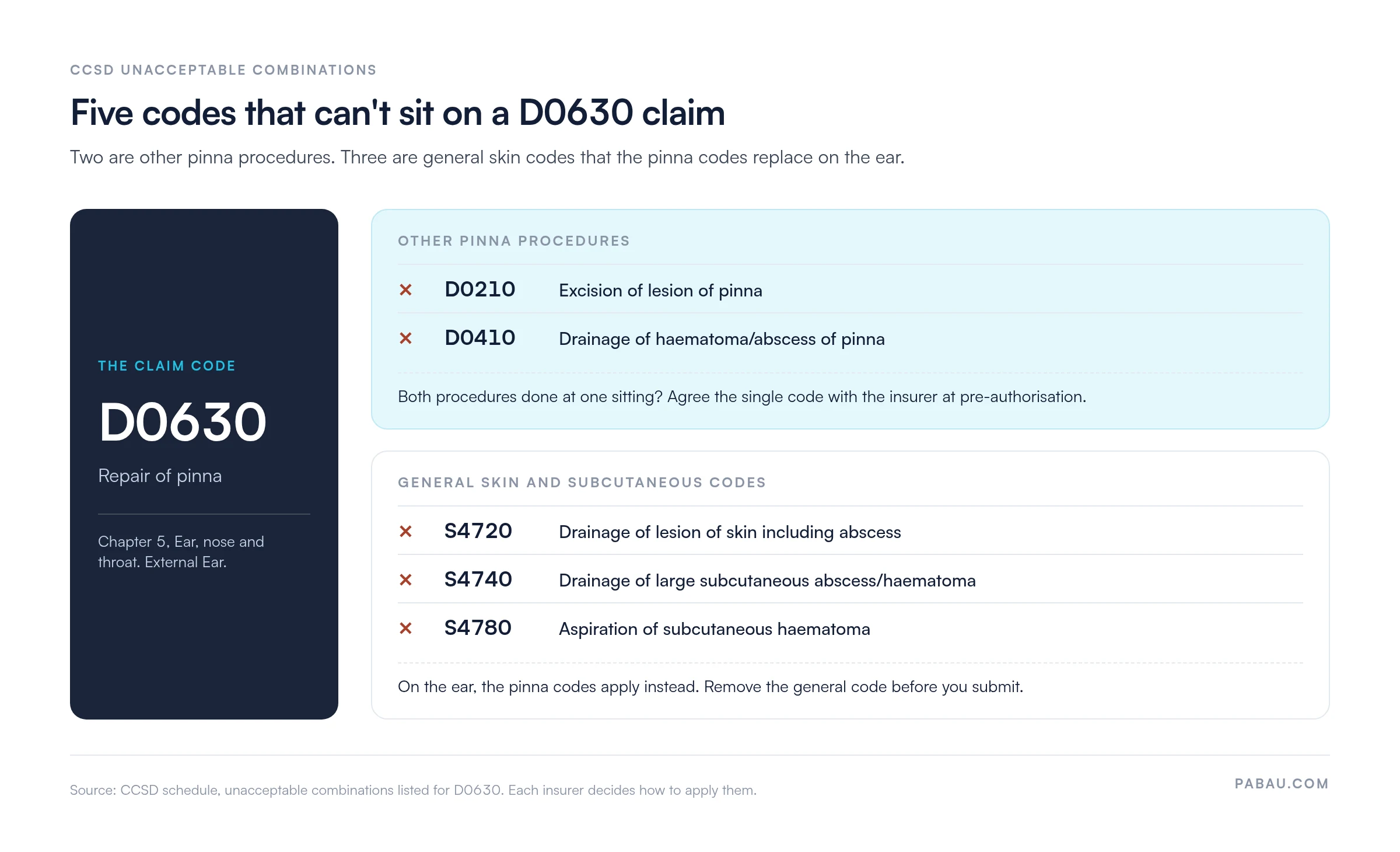
The D0210 pairing matters most in skin cancer surgery, where the lesion is often removed and the defect closed in one sitting. Agree the code with the insurer at pre-authorisation, so the claim matches the authorisation. The D0410 guide covers the same rule from the drainage side.
Most D0630 rejections follow a few patterns. Each one has a fix your team can make before the claim goes back.
The operative note is the most important document behind a D0630 claim. It’s also the basis of any appeal if the insurer disputes the repair.
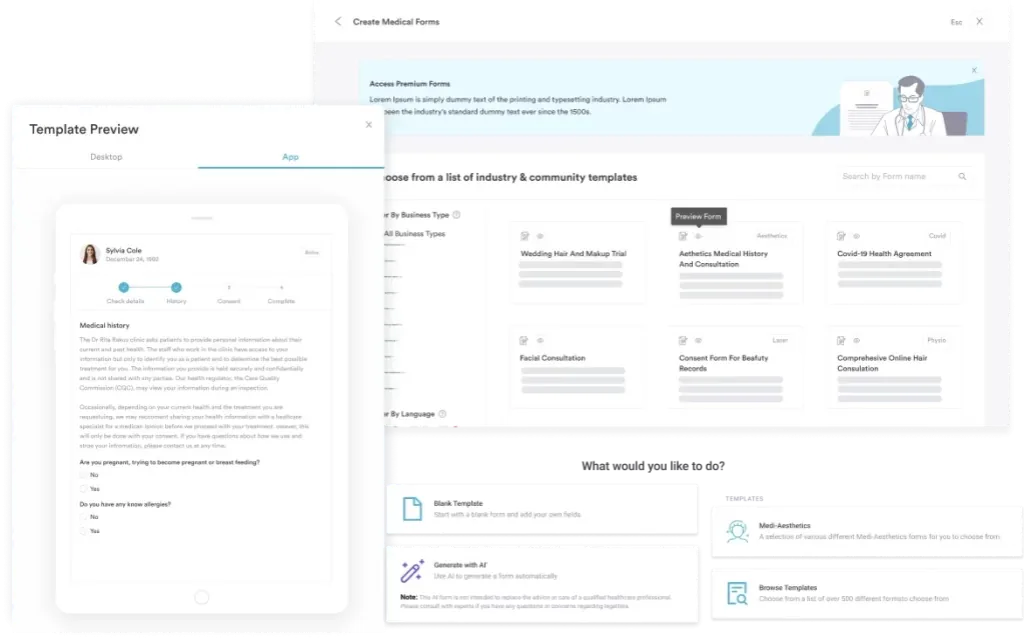
Clinical forms software such as Pabau lets you build an operative note template for pinna repair. The template prompts the surgeon for each detail a reviewer looks for, so fewer notes go out incomplete.
For cancer cases, attach the histology report. For congenital cases, include the specialist referral that confirms the diagnosis. Photograph the pinna before and after the repair, even for a simple laceration, and store the images in the patient record. Insurers may ask for them when they review whether a repair was reconstructive.
Many D0630 rejections start when the note and the claim live in different places. A coder reading the note days later can miss the indication or add a barred code.
Pabau holds the operative note, the photographs and the invoice in one patient record. The service carries its CCSD code, so the claim starts with D0630 already on it. Our claims management software then submits each claim and tracks it until the insurer responds.
For UK insurers, Pabau sends claims through its Healthcode integration. Your team can see which claims have gone out and which still need attention.
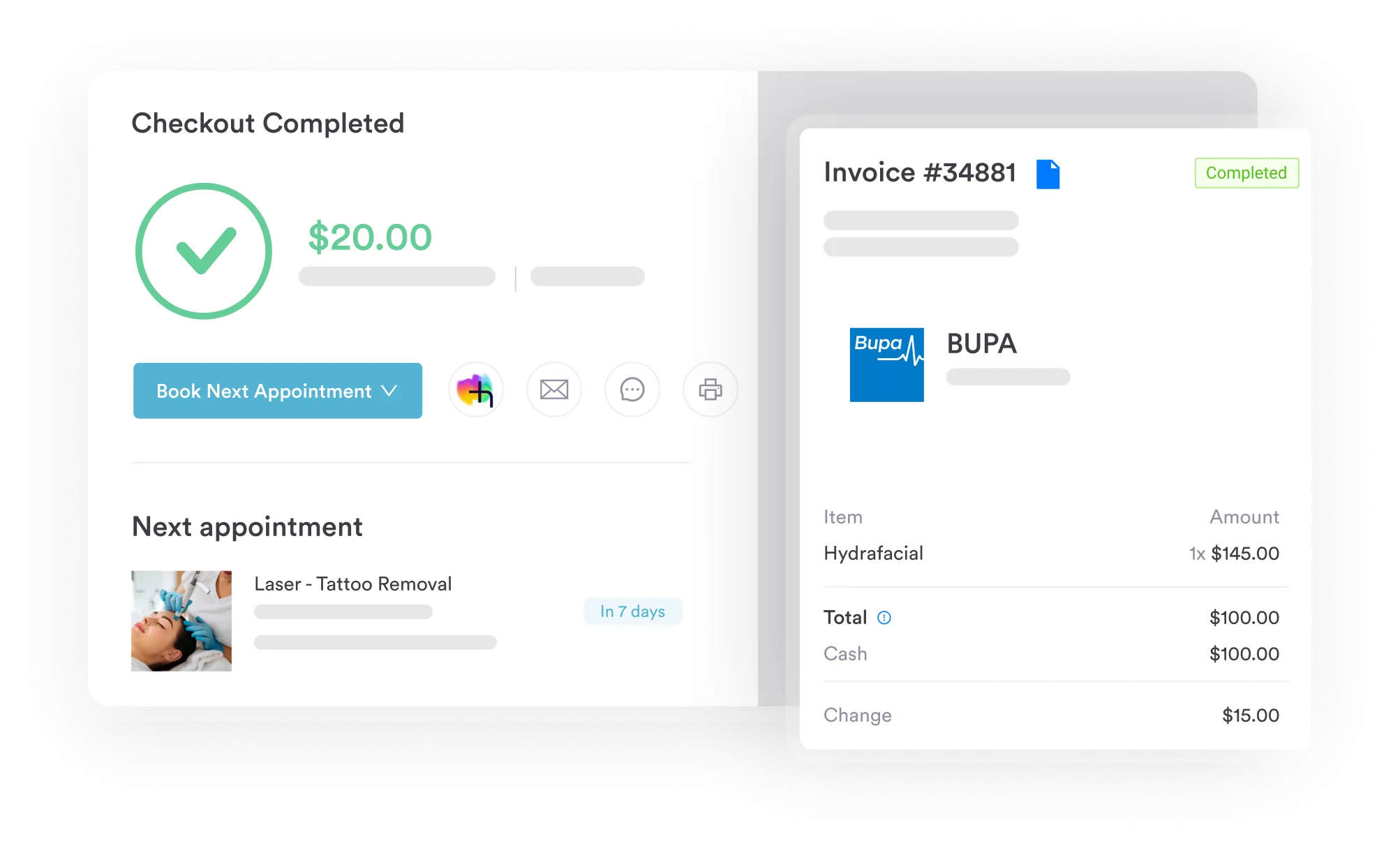

Pabau keeps the operative note, the photographs and the invoice in one record, then submits and tracks each pinna repair claim through Healthcode.

A D0630 claim usually comes back for one of two reasons. The note doesn’t show why the ear needed repair, or a barred ear code rides along on the same claim.
Make the indication the first line a reviewer reads, and treat the five unacceptable combinations as a hard stop. Agree any second procedure or bilateral repair with the insurer before the claim goes, not after it comes back.
Book a demo to see how Pabau links the pinna repair, the operative note and the Healthcode claim in one record.

Coding a drained ear haematoma? CCSD code D0410 covers drainage of a haematoma or abscess of the pinna, one of the five codes barred with D0630.
Billing Bupa patients often? Bupa CCSD codes walks through how Bupa uses the schedule for fees and claims.
Taking a biopsy before the repair? CCSD code D0610 covers biopsy of a lesion of the pinna, often the step that confirms a skin cancer before excision and repair.
Seeing the same rejections every month? Denial management in healthcare sets out a routine for spotting and preventing repeat denials.
CCSD code D0630 covers surgical repair of the pinna, the visible outer ear. Surgeons use it after trauma, skin cancer excision, or a congenital or acquired deformity. It doesn’t cover the ear canal, the middle ear or purely cosmetic ear reshaping.
Insurers decide from the indication documented in the notes. Repair after trauma, cancer surgery or a deformity is generally treated as reconstructive. Reshaping prominent ears with no clinical problem is generally cosmetic, and most policies exclude cosmetic surgery.
CCSD has no modifiers, and the D0630 narrative doesn’t name a side. Each insurer sets its own rules on billing more than one code at the same attendance. Contact the insurer before you submit, and document each ear separately in the note.
UK insurers use WHO ICD-10 (5th edition). Common pairings are S01.3 for an open wound of the ear and H61.1 for an acquired deformity. Q17.0 or Q17.2 cover accessory auricle or microtia, L91.0 covers keloid and C44.2 covers skin cancer of the ear.
CCSD lists five: D0210, D0410, S4720, S4740 and S4780. A claim that carries one of them alongside D0630 can be rejected or paid on one line only.
Each insurer sets its own pre-authorisation rules, so check them for every patient. Where authorisation is needed, raise it under D0630 itself. For urgent trauma repairs, contact the insurer as soon as you can and log the reference.