CPT code 92521: Speech fluency evaluation billing guide
CPT code 92521: Definition and clinical scope CPT code 92521 is defined by the A...

Last Updated: Oct 5, 2026
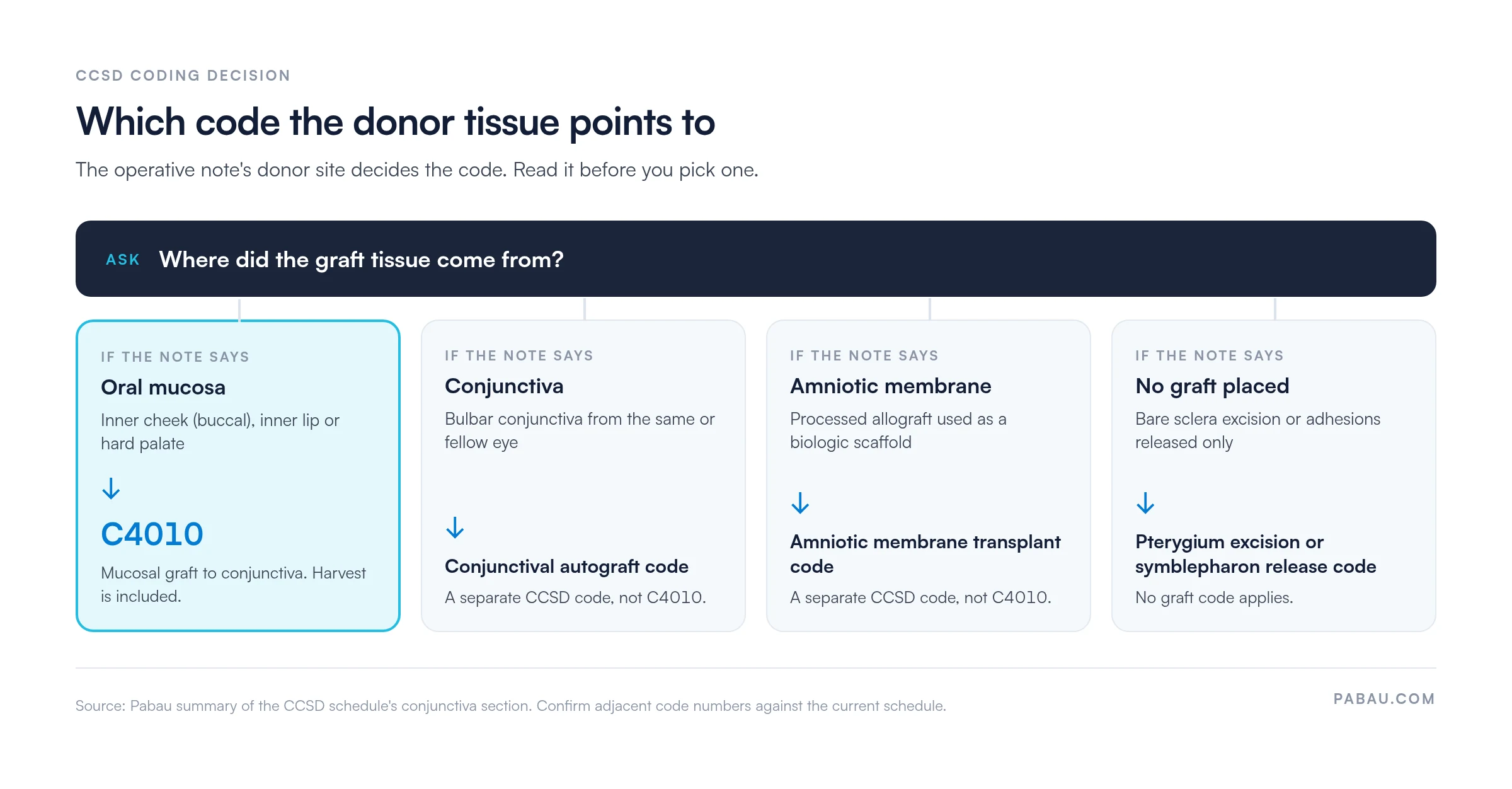
C4010 is the CCSD code for mucosal graft to conjunctiva. The surgeon harvests mucosa from outside the eye, usually the inner cheek or lip, and grafts it onto damaged or missing conjunctiva.
It sits in chapter 4 of the schedule, Eye and orbital contents, under the Conjunctiva category, at Intermediate complexity. Use it only when the donor tissue is mucosa. A conjunctival autograft or amniotic membrane transplant takes a different code, so the operative note must name the donor site.
Let Pabau's smart automation suggest the right codes, reduce claim denials, and keep your practice compliant—effortlessly.
Automate repetitive tasks and focus on what matters most—your patients.
Reduce coding errors and ensure compliance with the latest regulations.
Clean claims, fewer denials, and faster reimbursements.
Powerful insights and reporting to help your practice thrive.
HIPAA compliant SOC 2 certified GDPR-compliant Trusted by 4,000+ clinics worldwide

CCSD code C4010 covers mucosal graft to conjunctiva only. Conjunctival autograft and amniotic membrane transplant each have their own codes.
The donor site is almost always oral or buccal mucosa, and the operative note must name it to support the claim.
Most UK private insurers require pre-authorization before elective conjunctival reconstruction under C4010.
Missing donor site documentation and the wrong code choice are the two most common reasons C4010 claims are denied.
CCSD Code C4010 describes a surgical procedure that grafts mucosal tissue onto the conjunctival surface of the eye. The tissue is harvested from outside the eye, most commonly the oral or buccal mucosa. The code sits in chapter 4 of the CCSD schedule, Eye and orbital contents, under the Conjunctiva section. It applies to UK private practice only.
C4010 is an Intermediate complexity procedure. Freedom Health Insurance’s chapter 4 schedule lists it at that complexity band. It does not map directly to any single NHS OPCS-4 code or US CPT code. Mixing these systems on one claim is a billing error.
The CCSD schedule is maintained by the Clinical Coding and Schedule Development group and is updated periodically. Tariff values attached to C4010 change with schedule revisions. Always check the current fee against your insurer’s published list, such as the Bupa procedure fee schedule, rather than a prior year’s figure.
C4010 covers the complete procedure as a single unit: donor site harvest, preparation of the recipient conjunctival bed, and placement and fixation of the graft. It does not include anesthesia, facility fees, or co-procedures billed separately. Neighboring eye procedures sit alongside it in our library of CCSD codes.
A mucosal graft to conjunctiva replaces damaged or absent conjunctival tissue with oral mucosal epithelium. Surgeons choose it because the two tissues are structurally similar. Oral mucosa is a non-keratinizing, stratified squamous epithelium, so it tolerates the ocular surface better than a skin graft.
The procedure typically proceeds in four stages:
The operative note must record each of these stages. A note that skips the donor site description is the most common trigger for an insurer’s request for more clinical information.
C4010 is indicated when there is too little suitable conjunctival tissue for a conjunctival autograft. The primary indications include:
The choice of mucosal over conjunctival tissue is clinically driven. When the conjunctiva at the donor site is scarred, inflamed, or too small, oral mucosa is the next best biological substitute. Document that clinical rationale clearly in the operative note.
Knowing the scope of CCSD Code C4010 prevents two opposite errors. Under-coding misses co-procedures that can be billed separately. Unbundling bills separately for components the code already includes.
Symblepharon release is sometimes performed as a distinct surgical step before the mucosal graft. Check whether your insurer’s current schedule permits separate coding for both procedures. Policies vary between Bupa, AXA Health, and other UK private payers, so call the insurer’s provider line before submitting both codes on one invoice.
Conjunctival autograft coding is the most common source of confusion with C4010. The two procedures differ by donor site. A conjunctival autograft uses bulbar conjunctiva from the same patient, whereas C4010 requires tissue from a mucosal site outside the eye. As the diagram below shows, the donor site named in the note decides the code.
Conjunctival lesion work has its own codes in the same section. Excision or biopsy of a lesion is C3910, and cautery or cryotherapy to a lesion is C3920.
Verify the exact code numbers for conjunctival autograft and amniotic membrane transplant against the current CCSD schedule before submission. Adjacent code numbers are subject to annual review.
The operative note is the primary document that decides whether a C4010 claim is accepted or queried. A structured clinical record that captures every required element lowers the risk of a documentation-based denial.
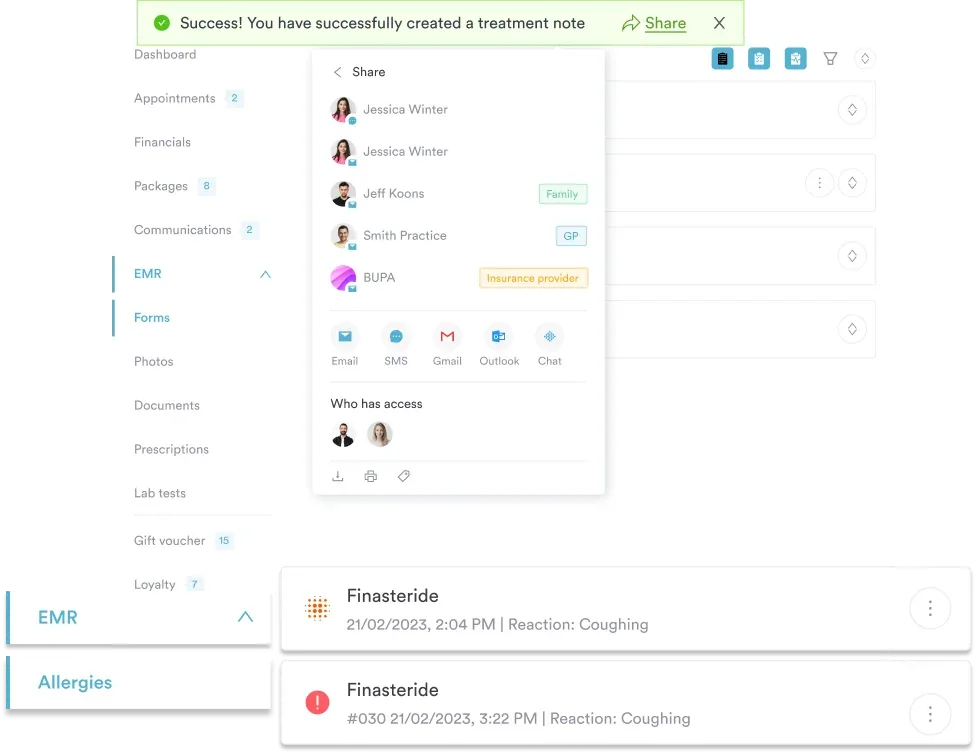
The operative note for C4010 must include:
A digital operative note template built around these fields keeps each element on the page, even during a busy operating list.
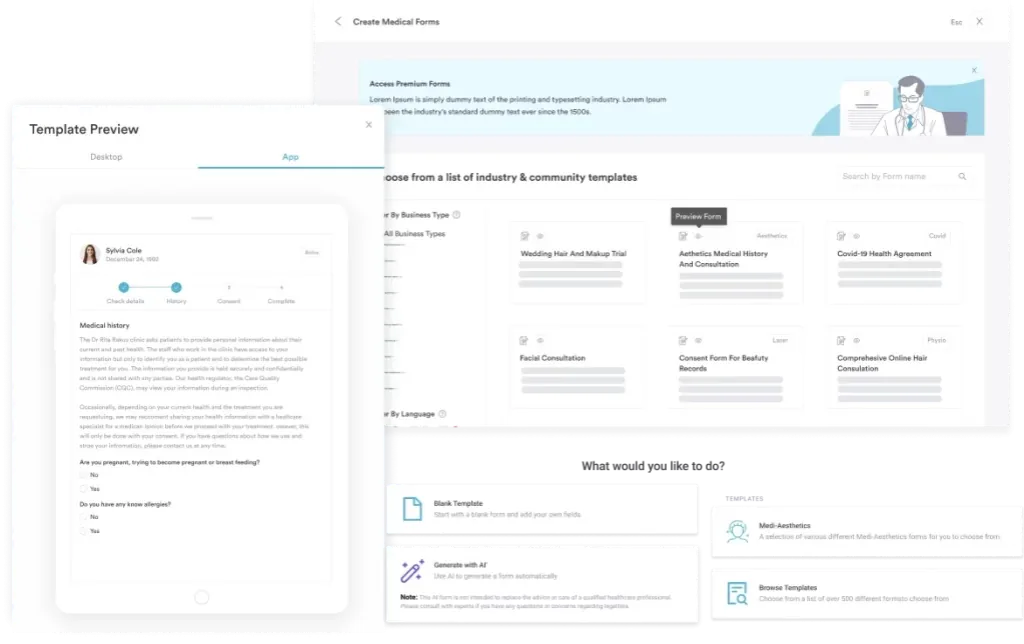
Before submitting a C4010 claim, run a documentation checklist against your operative note. Confirm the diagnosis, the named donor site, the graft dimensions, the recipient site, the fixation method and the surgeon’s signature. Fix any missing element before submission rather than waiting for an insurer query.
Elective conjunctival reconstruction under C4010 almost always requires pre-authorization from the patient’s UK private insurer. Submit the authorization request before booking the operating list, not on the day of surgery.
Each insurer operates its own pre-authorization process. Refer to your insurer’s provider portal for current requirements:
For emergency cases, such as an acute chemical burn needing immediate surgery, most insurers provide an emergency authorization pathway. Document the urgency clearly in the clinical notes and contact the insurer’s emergency provider line. Seek retrospective authorization within 24 to 48 hours of the procedure where possible.
Most C4010 denials fall into five categories. Each has a straightforward prevention step.
Dedicated claims management software validates code combinations before submission. It catches unbundling conflicts and missing authorization references before an invoice reaches the insurer.
Mucosal conjunctival grafting is frequently performed alongside related procedures. Whether each can be billed separately depends on the insurer’s unbundling rules and the clinical context in the operative note.
Common co-procedure scenarios for CCSD Code C4010:
When billing C4010 alongside a co-procedure such as symblepharon release, add a brief clinical narrative to the invoice. Explain why both procedures were clinically necessary and performed as distinct surgical steps. This heads off unbundling queries and cuts the need for retrospective clinical information requests.
A C4010 claim often passes through several hands before it reaches the insurer. The surgeon writes the operative note, a secretary retypes the code into a billing tool, and the pre-authorization number sits in an email thread. Each handover is a chance for the donor site or the reference number to drop out.
In Pabau, the patient’s insurer and policy live on the patient record alongside the operative note. When the invoice is ready, Pabau pre-fills the claim with the patient, treatment and insurer details and sends it to Healthcode. Nobody re-keys the code or uploads a file by hand.
Before a claim goes out, Pabau checks for the details insurers need, such as membership numbers and authorization codes. If one is missing, the Send button stays disabled until it is added. You can then follow each claim through pending, submitted, processing, paid or error, so you know which C4010 invoices still need chasing.

Pabau keeps the operative note, the pre-authorization code and the Healthcode claim on one patient record. Your C4010 invoices go out complete, and you can see where each one stands.

Code C4010 only when the operative note proves the graft came from the mouth. Name the donor site, record the graft size and quote the pre-authorization reference on the invoice. Those three details answer the questions insurers ask most often about this code.
The judgment call sits with co-procedures. Billing symblepharon release or lesion excision alongside C4010 can be legitimate, but only with a narrative showing two distinct surgical steps. When an insurer’s rules are unclear, a call to its provider line before submission costs far less than an appeal.
Book a demo to see how Pabau keeps the C4010 note, authorization and Healthcode claim together on one patient record.

Treating a conjunctival tumor rather than scarring? CCSD code C3950 covers radiotherapy to a conjunctival lesion, another code in the same chapter 4 section.
Did the same eye injury also leave a corneal wound? CCSD code C4710 explains how corneal wound repair is coded, documented, and paired with S05 injury codes.
Choosing the diagnosis code for the claim? ICD-10 code H11.9 shows when the unspecified conjunctival disorder code fits, and how to choose between it and H10.9.
Comparing billing systems for a UK private practice? Our guide to the best medical billing software in the UK ranks the options for insurer claims and self-pay invoicing.
CCSD Code C4010 covers mucosal graft to conjunctiva. That is the harvest of oral or buccal mucosal tissue and its surgical placement onto the conjunctival surface of the eye. The code includes donor site harvest, recipient site preparation, graft fixation, and donor site closure. It does not include anesthesia, facility fees, or co-procedures that are separately codeable under the CCSD schedule.
A mucosal graft to the conjunctiva transplants non-keratinizing mucosal tissue onto the conjunctival surface of the eye. The tissue most commonly comes from the inner cheek (buccal mucosa), and it replaces damaged or absent conjunctival epithelium. Surgeons choose it when conjunctival autograft tissue is unavailable or insufficient. Examples include Stevens-Johnson syndrome, ocular cicatricial pemphigoid, and severe chemical burns.
The difference is the donor site. A conjunctival autograft uses the patient’s own bulbar conjunctiva, from the same or fellow eye. A mucosal graft uses tissue from an oral site such as the buccal mucosa or lip. They are coded differently under the CCSD schedule, and submitting one code for the other procedure is a common denial trigger.
The operative note must explicitly name the donor site (e.g. buccal mucosa) and record the graft dimensions. It must also describe recipient site preparation and state the fixation method, sutures or tissue adhesive. Include the clinical indication that links the diagnosis to the need for mucosal rather than conjunctival tissue. An unnamed donor site is the most frequent trigger for insurer queries.
Yes, for elective procedures. The major UK private insurers, including Bupa, AXA Health, Aviva, Vitality, and WPA, require pre-authorization. Submit the request with the diagnosis, planned procedure code, and supporting clinical notes before the operating list is booked. Emergency conjunctival reconstruction cases can be submitted retrospectively through each insurer’s emergency pathway.
The most common confusion is with the conjunctival autograft code and amniotic membrane transplant codes. The conjunctival autograft code applies when donor tissue comes from the conjunctiva itself. Amniotic membrane codes apply when processed allograft tissue, not autologous mucosa, is used. Always confirm the donor tissue type from the operative note before selecting the code.
It depends on the insurer. Some UK private insurers permit separate billing when both procedures are distinct surgical steps, clearly documented as such in the operative note. Others consider the release integral to the graft procedure. Confirm with each insurer’s provider team before submitting both codes on a single invoice.
The four most common denial reasons start with the wrong code, such as a conjunctival autograft code submitted for a mucosal graft. The others are a missing donor site in the operative note and no pre-authorization before the procedure. The fourth is an ICD-10 diagnosis code that doesn’t match the CCSD procedure code.