CPT code 92521: Speech fluency evaluation billing guide
CPT code 92521: Definition and clinical scope CPT code 92521 is defined by the A...

Last Updated: Oct 5, 2026
C3115 is the CCSD code for surgical correction of squint – other vertical muscles. It covers squint surgery on the superior oblique, superior rectus and inferior rectus, such as recession, resection, tuck or the Harada-Ito procedure.
The code sits in CCSD Chapter 4 (eye and orbital contents), section 4.4 Muscles. Inferior oblique surgery takes C3114, while C3112 and C3113 describe squint surgery on one eye or both eyes. Not every insurer schedule lists C3115, so confirm it is accepted before you request pre-authorization.
Let Pabau's smart automation suggest the right codes, reduce claim denials, and keep your practice compliant—effortlessly.
Automate repetitive tasks and focus on what matters most—your patients.
Reduce coding errors and ensure compliance with the latest regulations.
Clean claims, fewer denials, and faster reimbursements.
Powerful insights and reporting to help your practice thrive.
HIPAA compliant SOC 2 certified GDPR-compliant Trusted by 4,000+ clinics worldwide

CCSD Code C3115 covers surgical correction of squint on the other vertical muscles: the superior oblique, superior rectus and inferior rectus
Inferior oblique surgery bills under C3114, while C3112 and C3113 split squint surgery into unilateral and bilateral, not horizontal and vertical
Not every insurer schedule lists C3115, so confirm the insurer accepts it before you request pre-authorization
Most UK private insurers require pre-authorization for strabismus surgery, and a missing pre-auth reference number is a leading denial reason
Pabau checks membership numbers and authorization codes before a claim is sent, which helps ophthalmology practices avoid pre-auth denials on C3115
CCSD Code C3115 carries the descriptor “Surgical correction of squint – other vertical muscles”. It sits in Chapter 4 (eye and orbital contents) of the CCSD schedule, in section 4.4 Muscles.
The Clinical Coding and Schedule Development (CCSD) group maintains the official schedule, which sets the code definitions used by the major UK private medical insurers. Neighboring procedures sit in our guide to CCSD procedure codes.
The word “other” in the descriptor is deliberate. The inferior oblique has its own code, C3114, so C3115 covers the remaining vertical muscles: the superior oblique, the superior rectus and the inferior rectus.
The neighboring codes C3112 and C3113 sort squint surgery on a different axis. They describe surgery on one eye (C3112) or on both eyes (C3113), not a muscle group.
Insurer schedules do not all carry the same squint codes. Bupa’s February 2026 schedule and Freedom Health’s Chapter 4 schedule list C3112, C3113, C3180 and C3530 for squint surgery, but not C3114 or C3115.
Before you request pre-authorization, confirm on the insurer’s provider portal that it accepts C3115. If it does not, ask its surgical team which code it expects for the procedure.
The CCSD Technical Guide (October 2025) is the primary reference for coding rules and schedule amendments. Verify current fee values on each insurer’s provider portal, as rates are updated annually.
C3115 covers surgical correction of squint on three vertical extraocular muscles: the superior oblique (SO), the superior rectus (SR) and the inferior rectus (IR). The inferior oblique (IO) is also a vertical muscle, but surgery on it bills under C3114. The table maps each muscle to its usual techniques, indications and code.
Adjustable sutures have their own CCSD code, C3530 (surgical correction of squint with adjustable sutures). When a postoperative adjustment is planned, check whether the insurer expects C3530 instead of C3115 before you request authorization.
Superior oblique procedures are less common and can generate billing queries. Insurer coding staff may know the Harada-Ito procedure or SO tenotomy less well than rectus recession.
For SO tuck and Harada-Ito, the note should record the amount of tuck in millimetres. It should also state the target: torsion correction or vertical deviation. Tenotomy notes should distinguish full tenotomy from posterior tenotomy (tenectomy). These details do not change the code, but they prevent the “insufficient clinical detail” denial.
Some practices ask whether the superior and inferior rectus belong under C3115, since they are “rectus” muscles. They do. Their primary action is vertical, so recession or resection of either one is coded C3115.
The medial and lateral rectus are the horizontal muscles, and C3115 does not cover them. For SR and IR surgery, the note should record the muscle, the technique and the amount of recession or resection in millimetres.
C3115 is defined by muscle, so most boundary questions come down to which muscle the surgeon operated on. These procedures sit outside the code.
The inferior oblique is a vertical muscle, which makes IO surgery the easiest procedure to miscode as C3115. Recession, myectomy and anteriorization of the IO all bill under C3114, inferior oblique surgery. An operative note that records “IO recession” on a claim carrying C3115 creates a code-to-note mismatch that the insurer will return.
Check the named muscle before you choose the code: IO means C3114, while SO, SR or IR means C3115. The IO note must still state the technique rather than “IO surgery”, so the insurer can confirm the procedure matches C3114. The decision path below runs the revision and adjustable suture checks before the muscle check.
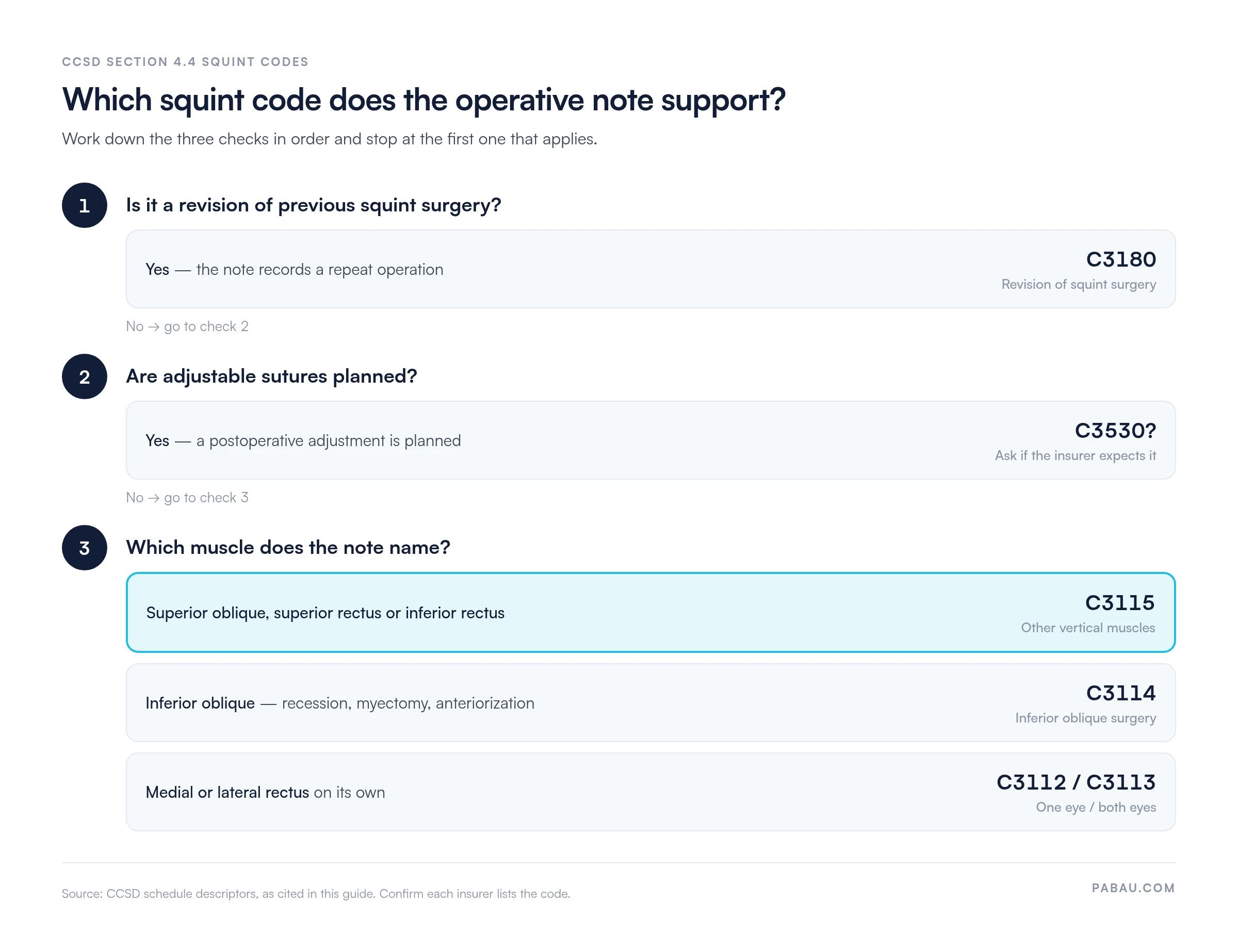
The four squint codes in section 4.4 sort the same surgery in two ways. C3112 and C3113 sort it by laterality, while C3114 and C3115 sort it by muscle. A side-by-side view helps you confirm the code before you submit.
Because the two pairs overlap, one operation can appear to fit two codes. A unilateral inferior rectus recession, for example, is surgery on one eye (C3112) and on a vertical muscle (C3115).
Claiming both codes for the same muscle work describes it twice, and insurers query duplicate coding. Confirm which code the insurer expects, then record that decision on the patient file so the claim follows it.
Two more codes sit alongside these four. C3180 covers revision of squint surgery, and C3530 covers squint surgery with adjustable sutures. Verify every descriptor against the current CCSD schedule before you cite it on a claim, as wording can change between editions.
Flag combined horizontal-and-vertical cases at booking, well before the claim is built. When the orthoptic report shows both horizontal and oblique overaction, set up the operative note to record each muscle and technique separately. Named fields for muscle, technique, laterality and pre-auth reference let billing staff code each procedure without querying the surgeon.
Coding accuracy for C3115 depends on understanding the procedure well enough to capture what happened in the operative note. The general sequence for vertical muscle squint surgery follows these steps.
Each step that is documented specifically reduces the risk of a “clinical necessity not demonstrated” denial. The Vitality Health fee finder and equivalent portals from other insurers show whether a code is listed and what it pays. Check them before the procedure, so there are no surprises at claim stage.
A valid C3115 claim rests on an operative note that supports the code in three areas: procedure identity, clinical necessity, and claim administration. Missing any one of these routinely triggers a return or denial.
Operative note templates built around these fields put the checklist into the surgeon’s workflow, so billing staff aren’t reconstructing it after the fact. Then review the operative note against the claim form before submission. That second check catches the common omissions before the insurer does.
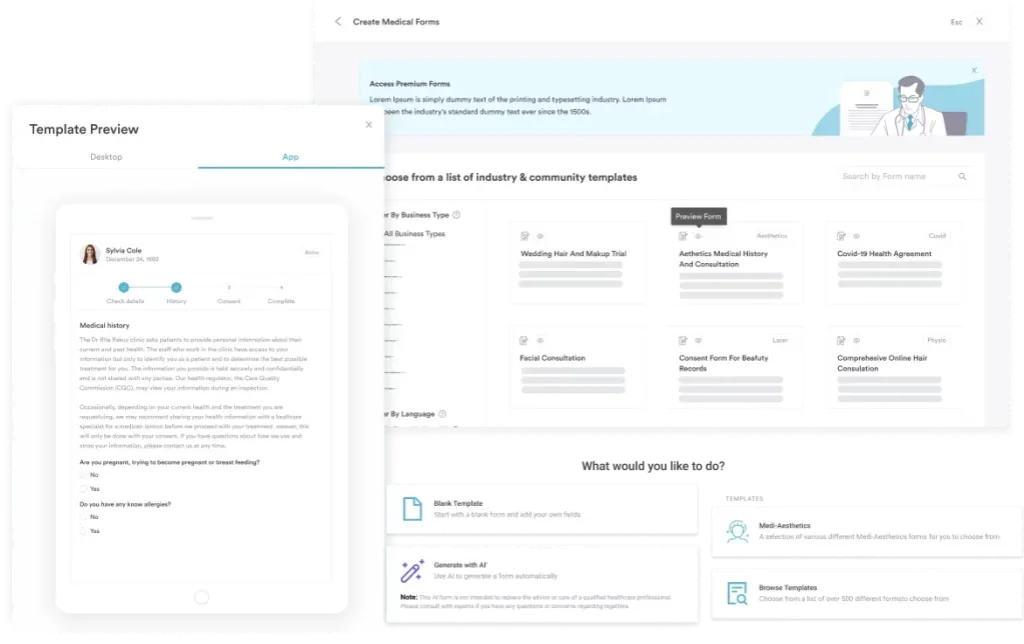
When those fields sit on the patient record, the invoice can be raised against the patient’s insurer without retyping the note.
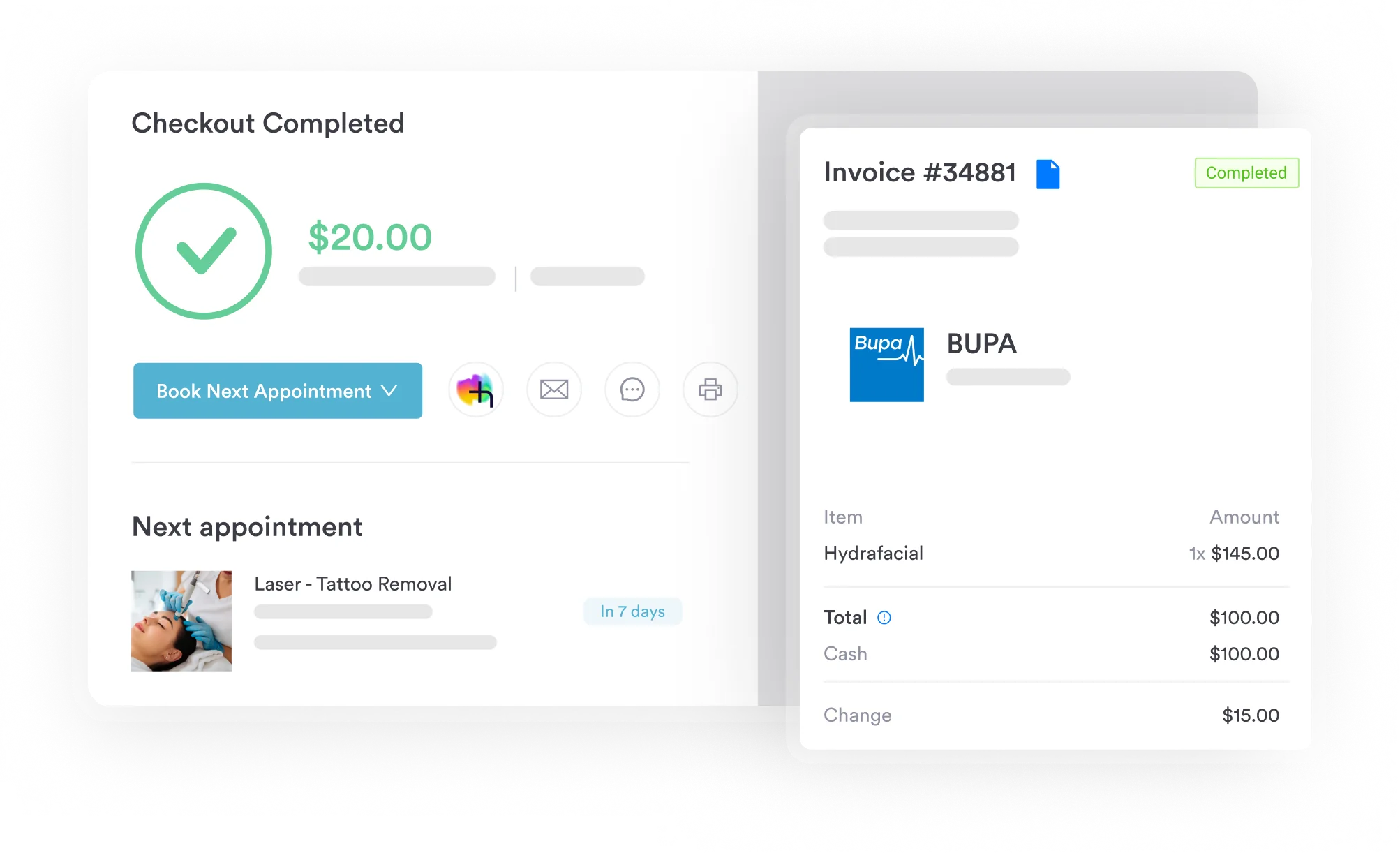
Almost every major UK private medical insurer treats strabismus surgery as an elective surgical procedure requiring pre-authorization before the patient is admitted.
Insurers use the pre-auth review to confirm that the member’s policy covers squint surgery and doesn’t class the procedure as cosmetic. They also check that the procedure volume matches the pre-approved episode.
The Bupa code search portal lets recognized providers check whether a code is on Bupa’s schedule and what pre-authorization it needs. Other major UK insurers including AXA Health, Aviva, Vitality Health, and WPA operate equivalent provider portals with procedure-level pre-auth guidance.
Always send the referral and pre-auth request to the insurer’s dedicated surgical team. General membership lines cannot see surgical authorization thresholds. The Bupa CCSD billing guide covers the core steps for obtaining and recording authorization for Bupa-insured patients.
Evidence typically required for pre-authorization includes:
Some insurers require a pediatric ophthalmology opinion for children under a specified age. Requirements vary by insurer and by policy type, so verify current thresholds on each insurer’s provider portal before submitting.
Combined squint corrections in one operative session are clinically common. A vertical deviation may need inferior oblique surgery in one eye and superior rectus surgery in the other. Other patients need a horizontal muscle corrected alongside a vertical one.
The starting rule is that each code describes a distinct piece of work. List each muscle procedure under the code that matches it, and never claim two codes for the same muscle work.
Insurers apply their own rules when more than one procedure is claimed in a session. Check the current CCSD Technical Guide and the insurer’s stated policy before you calculate the fee.
The anesthetist’s fee is claimed separately and is not part of the surgical codes. Pre-authorization for a combined procedure should list every CCSD code planned. An insurer that authorized C3115 alone may query C3114 or C3112 at claim stage if the original request left it out.
C3115 claims are denied for a small set of recurring reasons. Identifying which reason applies is the first step in preparing a successful appeal.
A clean C3115 claim follows the same order every time. These steps catch the errors behind most returns before the claim leaves the practice.
Ophthalmology practices that bill CCSD Code C3115 deal with several insurers, each with its own pre-authorization portal, documentation standard and schedule. Pabau, the practice management platform we build, stores each patient’s insurer and policy on their record. Its claims software for practices then sends UK claims to Healthcode without leaving Pabau.

Before a claim goes out, Pabau runs validation checks on details such as membership numbers and authorization codes. A claim missing its pre-auth reference gets flagged at your desk, weeks before the insurer would have returned it. That targets the most common denial reason for C3115 claims.
Operative note templates in Pabau can carry named fields for muscle, technique, laterality, deviation measurements and adjustable suture notation. The surgeon fills in a guided template rather than a blank dictation field. Because the note and the claim come from the same record, an inferior oblique note is far less likely to go out under C3115.

Pabau checks membership numbers and authorization codes before each claim goes out, then sends UK claims to Healthcode straight from the patient record.

Treat CCSD Code C3115 as a muscle code first. If the operative note names the superior oblique, superior rectus or inferior rectus, C3115 fits. If it names the inferior oblique, C3114 applies, however vertical the deviation looks.
The bigger risk sits with the insurer. Several schedules leave C3115 out, so agree the code with the insurer’s surgical team before you request pre-authorization. Then claim exactly what was authorized, muscle by muscle.
Book a demo to see how Pabau checks pre-auth details before your squint surgery claims reach the insurer.

Operating on one eye only? CCSD Code C3112 covers unilateral squint surgery and how to claim it.
Is the surgery on both eyes? CCSD Code C3113 explains the bilateral squint surgery code and when insurers expect it.
Need the diagnosis code to pair with C3115? ICD-10 code H50.9 covers unspecified strabismus and when a more specific code applies.
CCSD Code C3115 is the code for surgical correction of squint on the other vertical muscles: the superior oblique, superior rectus and inferior rectus. It covers recession and resection of the vertical rectus muscles, plus superior oblique tuck, tenotomy and the Harada-Ito procedure. It does not cover inferior oblique surgery, which bills under C3114.
C3113 is surgical correction of squint – bilateral, and C3112 is the unilateral equivalent. Those two sort surgery by the number of eyes treated. C3114 covers inferior oblique surgery, and C3115 covers the other vertical muscles. Confirm with the insurer which code it expects where an operation fits both pairs, and never claim two codes for the same muscle work.
Yes. Almost all major UK private medical insurers, including Bupa, AXA Health, Aviva, Vitality Health and WPA, require pre-authorization before strabismus surgery. The pre-auth request should include the CCSD code, orthoptic measurements, the surgeon’s clinical necessity letter, and any prior non-surgical management. Submitting without a valid pre-auth reference is the most common reason C3115 claims are denied.
Bilateral squint surgery has its own code, C3113. Whether an insurer wants C3113 or C3115 with a bilateral annotation for vertical muscle surgery on both eyes depends on its schedule. Ask its surgical team before you request pre-authorization, and use the agreed code on both the authorization and the claim.
The most common reasons are a missing pre-authorization reference number and an operative note that does not name the muscle and technique. Claims are also denied when the policy classes the procedure as cosmetic, or when a bilateral claim was missing from the pre-auth approval. Each is appealed with the supporting document the original submission lacked.
A recession weakens a muscle by moving its insertion point back, and a resection strengthens a muscle by shortening it. Both are coded C3115 when performed on the superior or inferior rectus, while inferior oblique recession bills under C3114. The operative note must state the technique, because some insurers cross-check it against the clinical indication.