CPT code 92521: Speech fluency evaluation billing guide
CPT code 92521: Definition and clinical scope CPT code 92521 is defined by the A...

Last Updated: Oct 5, 2026
C3113 is the CCSD code for surgical correction of squint – bilateral. It is used when a consultant ophthalmologist operates on the extraocular muscles of both eyes in a single operative session.
The code sits in the Muscles section of the CCSD eye chapter, alongside C3112 for one eye and C3180 for revision surgery. Whether both eyes were treated, and whether either had squint surgery before, decides which code applies.
Let Pabau's smart automation suggest the right codes, reduce claim denials, and keep your practice compliant—effortlessly.
Automate repetitive tasks and focus on what matters most—your patients.
Reduce coding errors and ensure compliance with the latest regulations.
Clean claims, fewer denials, and faster reimbursements.
Powerful insights and reporting to help your practice thrive.
HIPAA compliant SOC 2 certified GDPR-compliant Trusted by 4,000+ clinics worldwide

CCSD Code C3113 applies only when squint surgery is performed on both eyes in the same operative episode, distinguishing it from C3112 (unilateral).
All major UK PMIs require prior authorisation before bilateral squint surgery. A late or missing pre-auth is the most common reason these claims are denied.
Pair C3113 with the clinically accurate ICD-10 H50 diagnosis code. The operative note must record each muscle operated on and the technique used.
Pabau’s private practice billing tools support CCSD code-based invoicing and structured operative documentation to reduce claim errors.
CCSD Code C3113 is the procedure code for surgical correction of squint (bilateral), used across UK private medical insurance (PMI) billing. The Clinical Coding and Schedule Development Group maintains it. The code sits in Chapter 4 of the CCSD schedule, Eye and orbital contents, under section 4.4 (Muscles).
Its official descriptor is “Surgical correction of squint – bilateral.” It applies when a consultant ophthalmologist operates on the extraocular muscles of both eyes in one session.
Strabismus, commonly called a squint, is a misalignment of the eyes caused by imbalance in the extraocular muscles. Heterotropia, esotropia, exotropia, and hypertropia are all clinical presentations that may warrant surgical correction. When surgery is needed on both eyes in the same session, the procedure is coded C3113 rather than C3112.
Bilateral squint correction targets the extraocular muscles of both eyes to achieve ocular alignment. The operating ophthalmologist may weaken a muscle by recession, strengthen one by resection, or combine both techniques.
General anaesthesia is standard for paediatric patients. Adult bilateral cases may be performed under local anaesthesia combined with sedation, though general anaesthesia remains common. The bilateral nature extends both operating time and recovery, which is why C3113 carries a higher fee weighting than C3112.
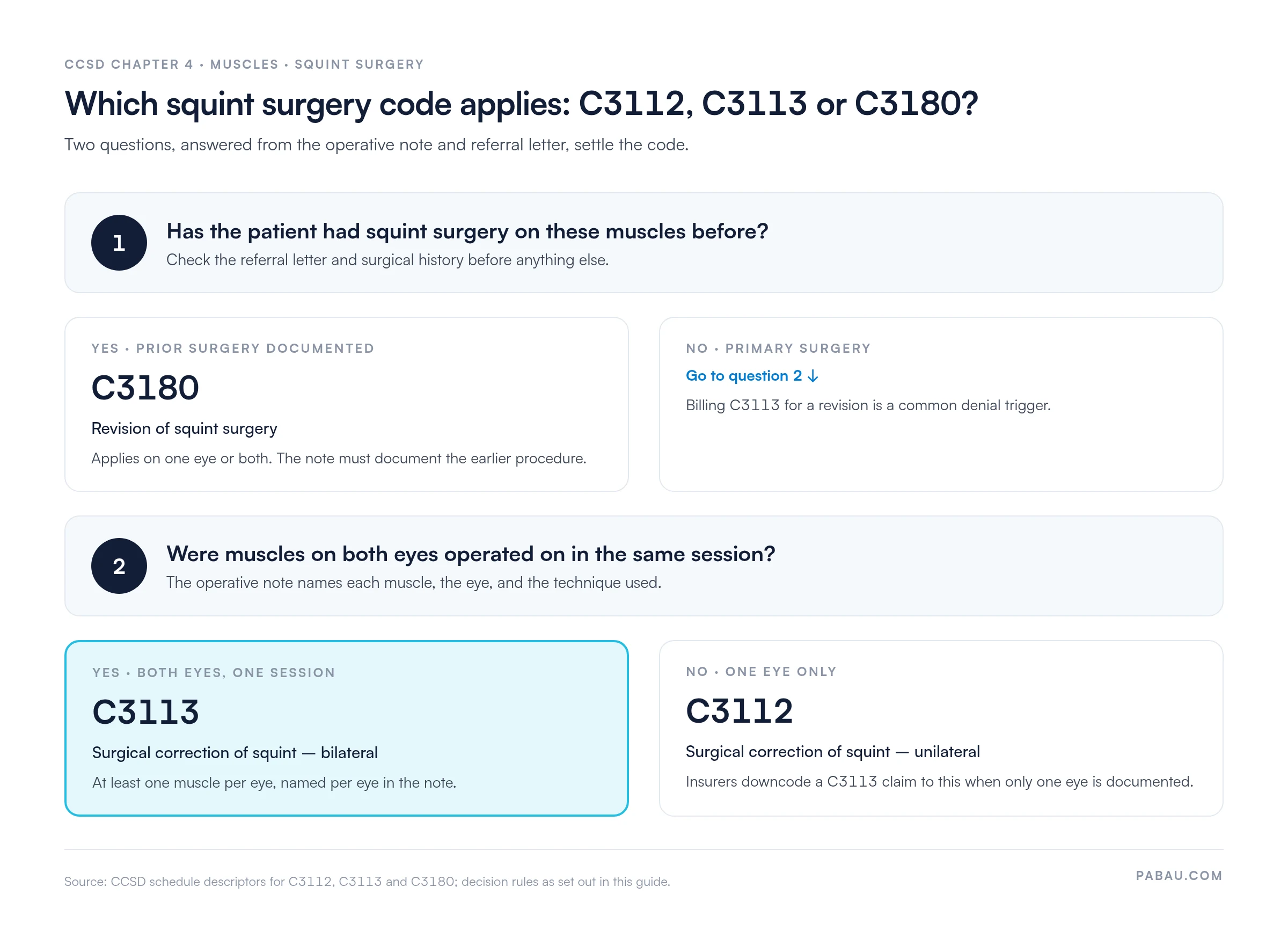
What happened in theatre decides between C3113 (bilateral) and C3112 (unilateral). Submitting C3113 when only one eye was operated on constitutes miscoding and may be treated as fraudulent billing by insurers. The operative note must clearly confirm that muscles on both eyes were addressed.
A separate and frequently confused code is C3180, which covers revision of squint surgery. Submitting C3113 for a procedure that is clinically a revision will trigger a denial. The operative note and referral letter must make the primary-versus-revision status explicit.
Chapter 4 of the CCSD schedule covers ophthalmic procedures, and squint surgery sits in its Muscles section (4.4). Coders selecting C3113 should know the adjacent codes to avoid misassignment. Our CCSD code index lists the rest of the schedule.
Before a C3113 claim leaves the practice, confirm that no other code from the same family fits better. Misassignment between adjacent codes is one of the leading causes of delayed payment in ophthalmic billing. Two questions settle it, in the order shown below.
A complete claim file for C3113 needs the following components in place before submission. Missing any one of these is grounds for an insurer to suspend or deny the claim.
A structured operative note template keeps every entry aligned to what insurers audit. Templates that capture muscle-level detail are far harder to deny than free-text operative summaries.
Select the most specific H50 code that matches the documented clinical presentation. Broad or inaccurate pairings increase medical necessity denial risk.
Avoid submitting H50.9 (unspecified strabismus) alongside C3113. Insurers may interpret the combination as insufficient clinical specificity and pend the claim for additional records.
All major UK private medical insurers require prior authorisation before bilateral squint surgery. Submitting a C3113 claim without an authorisation reference number is the most common reason claims are rejected at the gateway.
Consult the Bupa CCSD billing guide for Bupa-specific submission requirements, and use each insurer’s portal for up-to-date pre-auth pathways.
Policy-specific requirements change annually. Always verify current pre-authorisation pathways directly with the insurer before the procedure date. Billing teams working with several PMI payers need one place to track authorisation status per patient.
CCSD fee schedules are negotiated individually by insurers and updated periodically. Specific fee amounts are not published universally, and any figure cited here would risk being out of date by the time a claim is submitted. The key principles that apply to C3113 fee claims across major PMIs are consistent, however.
Anaesthetist, facility, orthoptic assessment and follow-up review fees can usually be billed separately, while adjustable suture adjustment depends on the insurer. Insurers apply bundling rules to ophthalmology claims. Codes considered inherent to the primary procedure lead to partial payment or rejection of those line items.
Denial patterns for CCSD Code C3113 are predictable. Addressing these before submission saves significant administrative time and protects cash flow.
No. The CCSD Code C3113 descriptor does not distinguish between adult and paediatric patients. The code applies to bilateral squint correction regardless of patient age. However, some UK PMI policies apply coverage restrictions or enhanced documentation requirements for adult-onset strabismus surgery that do not apply to childhood squint.
Paediatric cases are generally well-covered where the diagnosis is clear and prior authorisation is in place. Adult bilateral squint surgery, particularly where the squint is cosmetically driven rather than functionally disabling, may face additional scrutiny.
Some insurers may require evidence that conservative management (prism therapy, orthoptic exercises) has been trialled before approving surgical intervention in adults. This is a policy-level restriction, not a coding restriction, and it varies by insurer and individual policy year.
Billing teams supporting adult ophthalmology patients opting for private treatment, including those affected by NHS waiting times, should confirm coverage status at the pre-authorisation stage.
Check the patient’s specific policy wording for strabismus surgery exclusions before booking any adult bilateral squint case. Some policies exclude adult squint surgery or require a GP referral confirming functional impairment. Catching this before the procedure avoids a self-pay conversion after the fact.
A clean C3113 claim follows a consistent workflow from referral to payment. Missing steps at the front end (pre-auth, documentation) cause the most delays.
Practices handling a high volume of CCSD claims get paid faster with automated claims management. It tracks each submission and flags outstanding authorisations before the procedure date.
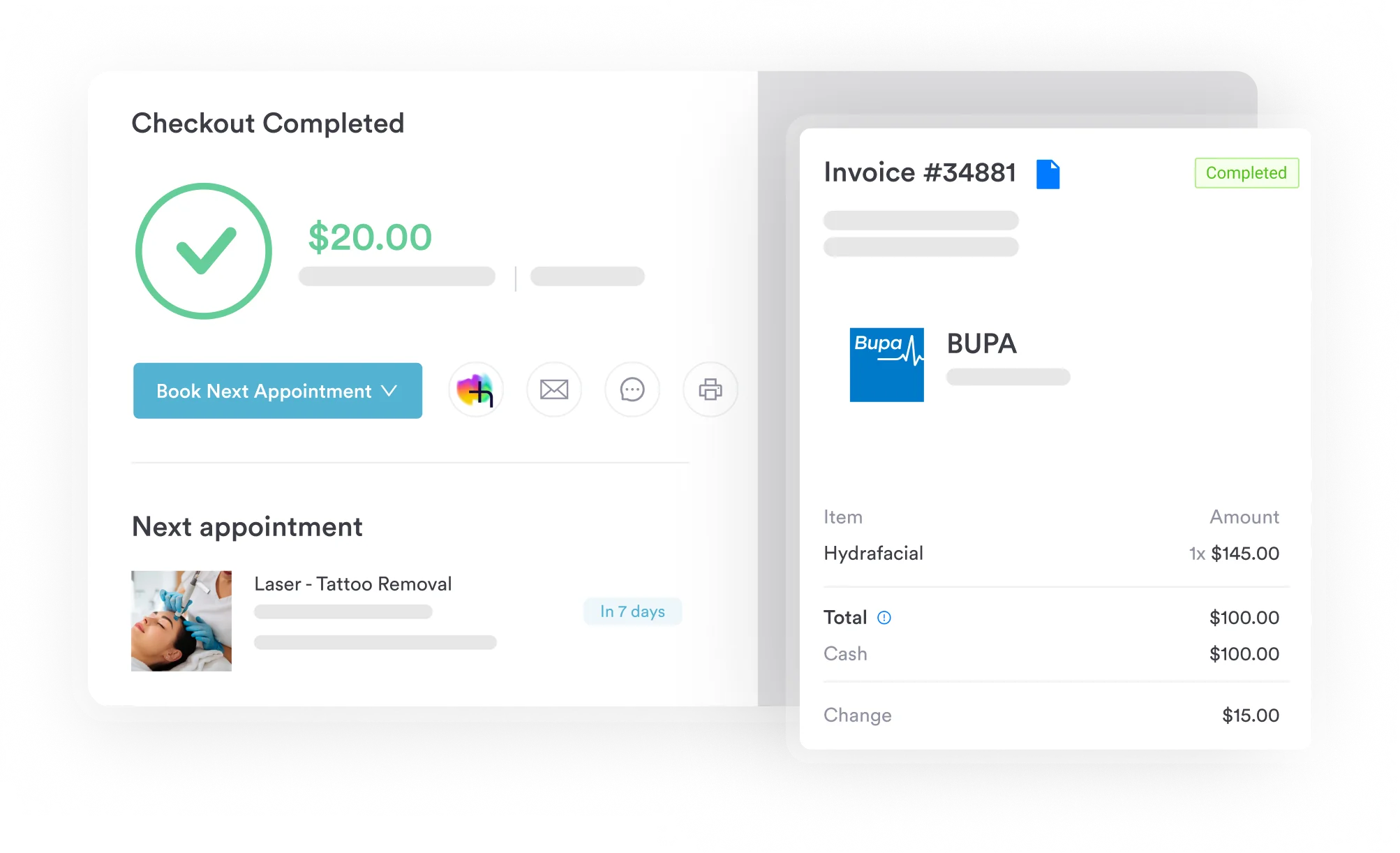
Many C3113 claims are assembled from three places. The operative note sits in a word-processed file, the pre-auth number in an email thread, and the invoice in a separate billing tool. Each hand-off is another chance for the muscle detail or the authorisation reference to fall off the claim.
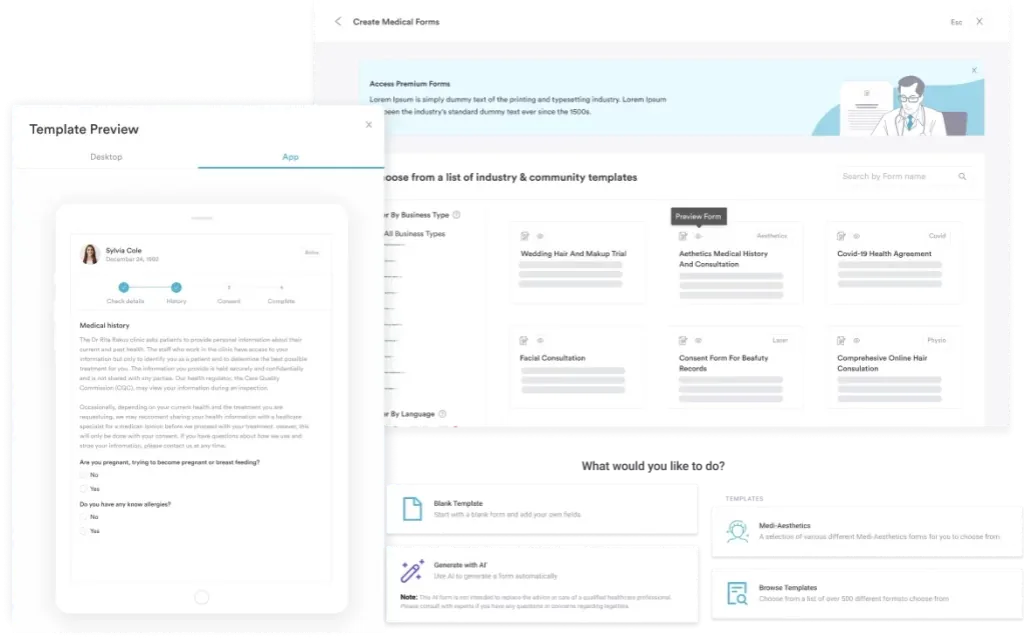
Pabau, the practice management platform we build, keeps those pieces in one patient record. Its form builder turns your operative note into a structured template, so each muscle, eye and technique is captured on the day of surgery. The invoice is then raised from the same record.
Claim status sits next to the record too. Your team can see which bilateral squint claims are paid, pending or overdue without phoning each insurer.

Pabau helps UK private practices manage CCSD code-based invoicing, structured operative documentation, and insurer claim submissions in one place.

A C3113 claim succeeds or stalls on its paperwork. The note has to prove three facts: both eyes, one session, and a first operation. Write the operative note and log the pre-auth reference before the invoice goes out, rather than rebuilding them after an insurer query.
For adult patients, settle policy exclusions at the pre-auth stage. Finding one after surgery turns an insured case into a self-pay conversation the patient did not plan for.
Templated notes and per-patient authorisation tracking mean fewer resubmissions and faster payment. Book a demo to see how Pabau builds each C3113 claim from the patient record.

Facing a rejected PMI claim? Denial codes in medical billing breaks down common denial reasons and how to resubmit cleanly.
CCSD Code C3113 covers surgical correction of squint (bilateral). The consultant ophthalmologist operates on the extraocular muscles of both eyes in the same operative episode. It does not apply to unilateral procedures (C3112) or to revision surgery on previously treated muscles (C3180).
Yes. Most UK private medical insurers cover bilateral squint surgery under CCSD Code C3113, provided prior authorisation is in place and the clinical indication is documented. Some insurers add restrictions for adult-onset strabismus or ask for evidence that conservative management was tried first. Terms vary by policy, so confirm coverage at pre-auth.
C3113 is for primary bilateral squint surgery, the first surgical correction of these muscles. C3180 is for revision surgery on muscles that have been operated on before. The operative note and referral documentation must make the distinction clear. Submitting C3113 for a revision procedure is a common denial trigger.
The most frequent reasons are a missing prior authorisation reference and an operative note that documents only one eye, which triggers a downcode to C3112. Notes without muscle-level detail, an incorrect ICD-10 H50 pairing and late submission outside the insurer’s window also lead to rejections.
Yes. The anaesthetist submits their own CCSD anaesthesia code separately, and it is not bundled into C3113. The consultant’s C3113 claim covers the surgical fee only. Theatre and facility fees are also billed separately by the hospital or private facility.
The medial rectus and lateral rectus muscles are most commonly involved in bilateral squint surgery, particularly for esotropia and exotropia corrections. The superior and inferior recti, and occasionally the oblique muscles, are addressed in vertical or torsional strabismus cases. The operative note must name each muscle operated on and specify the technique used per eye.