CPT code 36200: Aortic catheterization billing guide
CPT code 36200: quick reference The table below captures the core billing facts ...

Last Updated: Oct 5, 2026
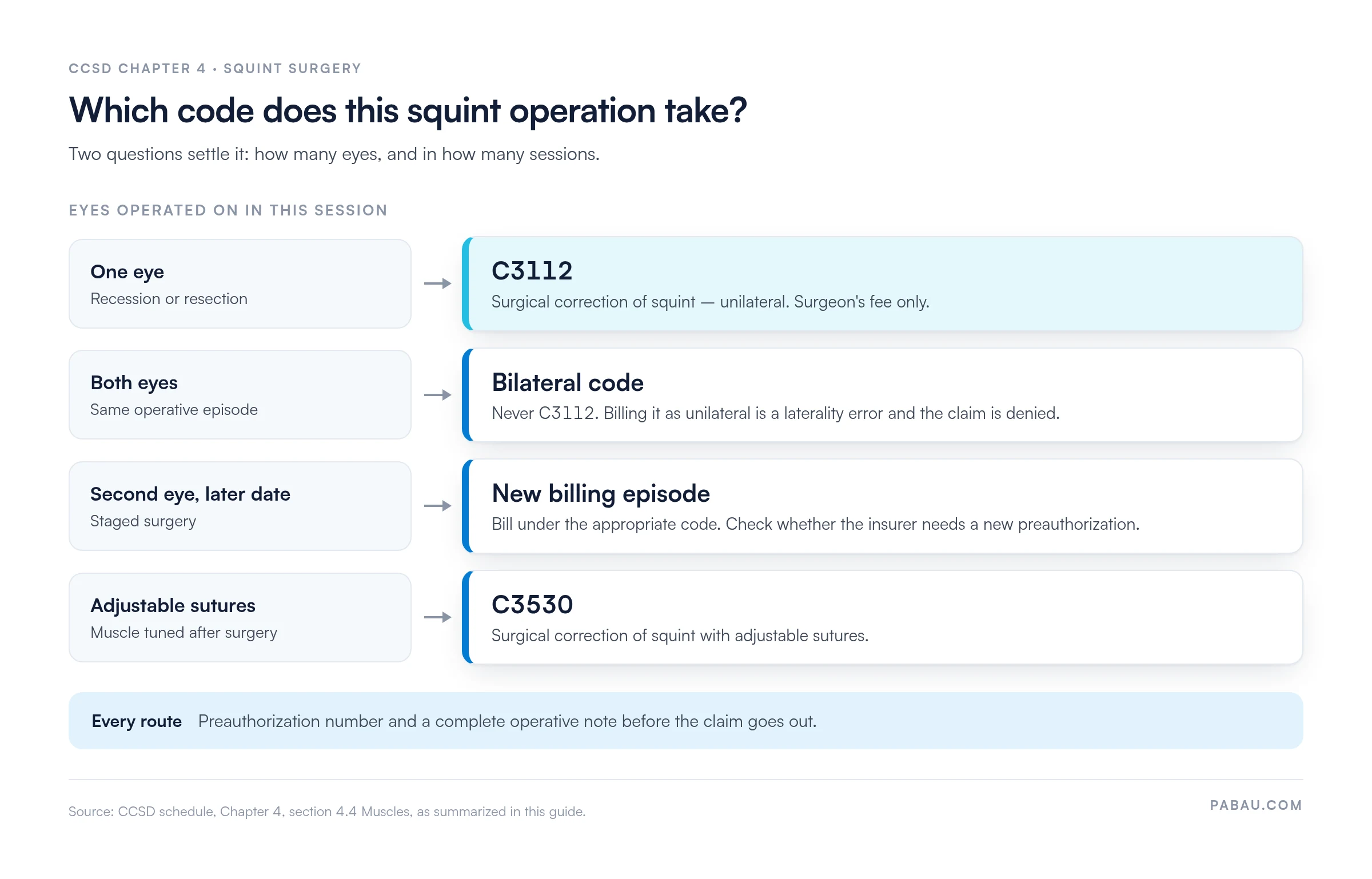
C3112 is the CCSD code for surgical correction of squint – unilateral. It covers one operative session on one eye, in which the surgeon recesses or resects extraocular muscles to correct misalignment.
The code sits in CCSD Chapter 4 (eye and orbital contents), section 4.4 Muscles, in the Major complexity band. It bills the surgeon's fee only. Anesthesia, assistant and facility fees are claimed separately, and surgery on both eyes in one session takes the bilateral code.
Let Pabau's smart automation suggest the right codes, reduce claim denials, and keep your practice compliant—effortlessly.
Automate repetitive tasks and focus on what matters most—your patients.
Reduce coding errors and ensure compliance with the latest regulations.
Clean claims, fewer denials, and faster reimbursements.
Powerful insights and reporting to help your practice thrive.
HIPAA compliant SOC 2 certified GDPR-compliant Trusted by 4,000+ clinics worldwide

CCSD Code C3112 covers surgical correction of squint on one eye in a single operative session, within Chapter 4 (eye and orbital contents).
Surgery on both eyes in one session takes the bilateral code, so billing it as C3112 is a laterality error that gets the claim denied.
All major UK private insurers require preauthorization and a documented clinical indication before they approve C3112. Some policies exclude purely cosmetic adult cases.
Pabau, the practice management platform we build, keeps CCSD codes, operative notes and insurer submissions together for UK ophthalmology practices.
CCSD Code C3112 is the Clinical Coding and Schedule Development (CCSD) code for surgical correction of squint, unilateral. It covers a single operative episode on one eye, in which the surgeon repositions one or more extraocular muscles to correct misalignment.
The code sits within CCSD Chapter 4, which covers procedures on the eye and orbital contents, under section 4.4 Muscles. Its CCSD complexity band is Major. It represents the surgeon’s fee only. Anesthesia, assistant surgeon and hospital facility costs are coded and billed separately.
The CCSD schedule is used across UK private medical insurance. AXA Health, Bupa, Aviva, Vitality Health, WPA, Freedom Health Insurance, Allianz Care, Cigna and Healix all reference this code for ophthalmology claims. Fee schedules differ by insurer, but the code descriptor and its clinical scope stay the same.
Surgical correction of squint, unilateral, means operating on the extraocular muscles of one eye to realign the visual axes. Most cases are done under general anesthesia.
The muscles most often addressed are the medial rectus (for esotropia, or inward squint) and the lateral rectus (for exotropia, or outward squint). The superior rectus, inferior rectus and oblique muscles are involved in vertical and torsional deviations. The surgical approach depends on the type and angle of deviation measured before surgery.
Three main techniques are used, often in combination:
Under C3112, the surgeon operates on one eye only within a single session. Surgery on the muscles of both eyes in the same operative episode takes the bilateral code instead.
UK private insurers require a documented clinical indication before authorizing C3112. The most common indications include:
Some policies treat purely cosmetic correction in an adult with no functional impairment differently, and some exclude it altogether. Confirm the clinical basis with the referring clinician before you submit a preauthorization request.
Knowing the scope of C3112 prevents both under-coding and over-coding. The table below sets out what is included and what falls outside the code.
The most consequential decision when billing strabismus surgery is choosing between the unilateral and bilateral codes. Billing C3112 when both eyes were operated on in the same session is a laterality coding error. It leads to claim denial or, if caught after payment, a repayment request.
Staged surgery is a legitimate clinical approach. The surgeon operates on one eye first and reviews alignment before treating the second eye at a later date.
Each operative session is a separate billing episode, so check whether the insurer needs a new preauthorization for the second one. The diagram below reduces the choice to two questions: how many eyes, and in how many sessions.
Adjacent codes in the Chapter 4 muscles section matter when a case is more complex than a single-eye correction. Knowing them helps practice managers avoid under-coding and spot when a different code applies. Our CCSD billing guides cover other Chapter 4 codes in the same format.
Always cross-reference the insurer’s current published schedule, as fee amounts and bundling rules vary. The Bupa code search tool and AXA Health’s procedure code portal both let you verify current fee levels and insurer-specific guidance for Chapter 4 codes. A repeat operation after a failed primary correction is billed under C3180.
An incomplete operative note is the second most common reason for C3112 claim delays. Insurers ask for more information when the note doesn’t confirm the elements they need to validate the procedure and the code. Storing operative notes in structured clinical records that attach to the claim at submission reduces this friction.
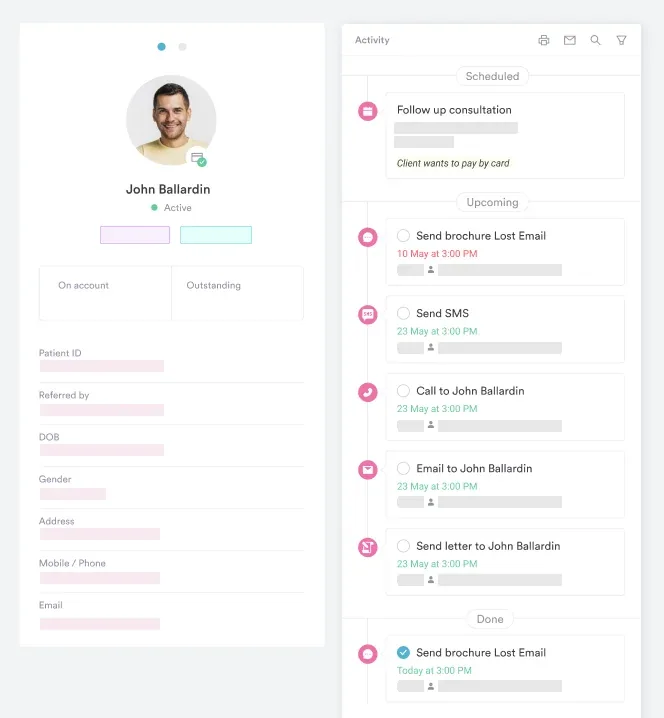
The operative note must include all of the following to satisfy major UK insurers:
Digital operative records with structured fields for laterality, muscle name and technique keep any element from being left out at dictation. A structured template also lets billing staff check completeness faster before submission.
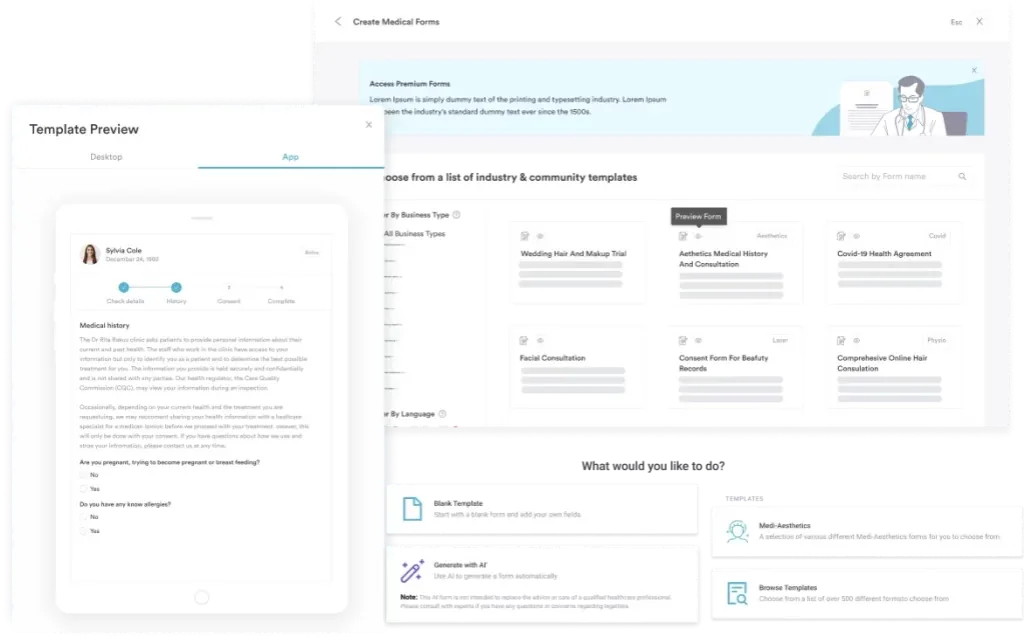
Complete the operative note in full before the patient leaves the recovery area. Waiting until the end of an operating list risks losing muscle-specific and laterality details that can’t be reliably reconstructed later. An incomplete note is the fastest route to a hold or denial on a C3112 claim.
Every major UK private insurer requires preauthorization for elective strabismus surgery before C3112 is approved. A claim without an authorization number is denied straight away. So is one whose authorization was granted for a different procedure.
Typical preauthorization requirements, for Bupa CCSD codes and other major insurers alike, include:
Insurer-specific points to note:
Frame every preauthorization request around the documented functional or clinical indication. Whether a case counts as functional or cosmetic is a clinical call for the treating consultant, based on the patient’s presentation. The billing team doesn’t make it.
Catching denial triggers before submission takes far less time than resolving them afterwards. The table below lists the most frequent triggers for C3112 and the fix for each.
A clean C3112 claim follows the same workflow every time, from booking to payment. Workflows that build a check into each stage produce far fewer denials than ones that rely on a final review.
Track every preauthorization number against the individual appointment record, not only the patient’s general notes. When the operative note is finalized, the authorization number should sit alongside it before the invoice is raised. That one habit removes the most common C3112 denial cause.
In many ophthalmology practices, a C3112 claim gets pieced together from several places. The authorization number sits in an email, the operative note in a dictation file, and the invoice in a separate billing tool.
Pabau keeps those pieces on the patient record instead. Its claims management software lets practice managers link CCSD codes to appointment types and attach operative notes at the point of care. Claim status across multiple insurers then sits in one dashboard.
The claim leaves complete the first time, so your team spends less time on addendums, resubmissions and calls to insurer provider lines.
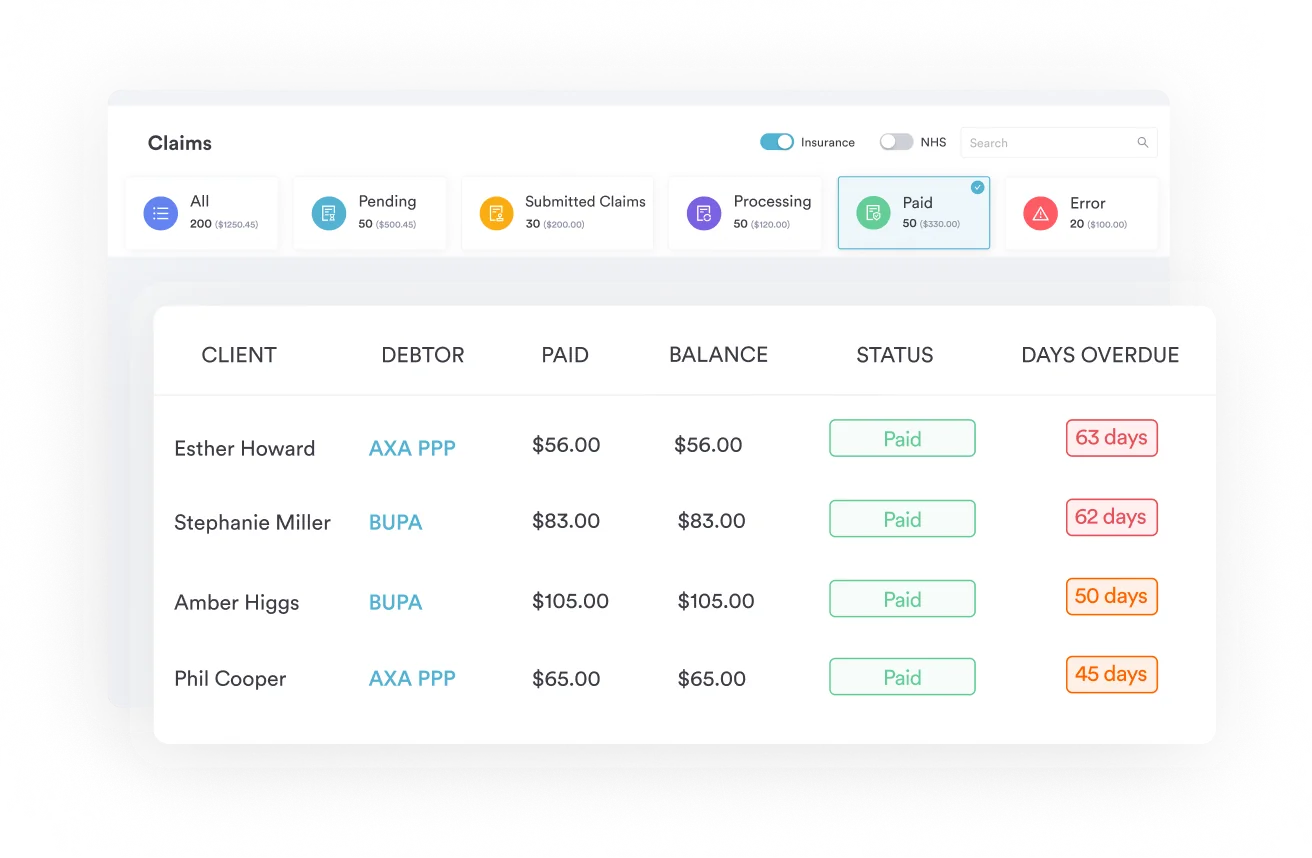

Pabau links CCSD codes, operative notes and insurer claim submission for UK private ophthalmology practices. See how it handles your billing workflow.

C3112 rarely goes wrong on clinical grounds. Claims fail on process: a missing authorization number, a vague operative note, or the unilateral code on a bilateral case.
So put the checks where the errors start. Confirm authorization before the date is set, and finish the note before the patient leaves recovery. Match laterality to the code before the invoice goes out. That costs a few minutes per case up front, against weeks of chasing a denied claim.
Book a demo to see how Pabau keeps authorizations, operative notes and CCSD claims together for your ophthalmology practice.

Billing cataract surgery too? CCSD code C7122 billing guide walks through phaco with lens implant, another Chapter 4 eye procedure.
CCSD Code C3112 covers surgical correction of squint on one eye in a single operative session, using recession or resection. It represents the surgeon’s fee only. Anesthesia and hospital facility costs are billed separately under their own codes. Squint correction with adjustable sutures has its own code, C3530.
C3112 applies when only one eye is operated on in a single session. The bilateral code applies when both eyes are corrected in the same operative episode. Using C3112 for a bilateral procedure is a laterality coding error that triggers claim denial. A second eye corrected at a later session may be billed as a new claim under the appropriate code.
All major UK private medical insurers use CCSD codes for ophthalmology reimbursement. That includes Bupa, AXA Health, Aviva, Vitality Health, WPA, Freedom Health Insurance, Allianz Care, Healix and Cigna UK. Coverage for C3112 is generally available for functional indications. Purely cosmetic adult cases depend on individual policy terms and may need extra clinical evidence.
The operative note must state laterality (which eye), the specific muscles operated on and the technique used. It also needs the pre-operative angle of deviation in prism diopters, the surgeon’s name and GMC number, the date of surgery and the anesthetic type. Missing any of these is the most common trigger for an information request or denial.
Yes. All major UK private insurers require preauthorization before elective strabismus surgery, and claims without a valid authorization number are denied. Get the authorization before the surgery date is confirmed, not after the procedure.
Yes. C3112 covers the operating surgeon’s fee only. The anesthetist submits their own CCSD anesthesia code on a separate invoice. An assistant surgeon, where present, bills separately under the applicable assistant code. Bundling anesthesia charges into the C3112 invoice is a coding error that gets the claim queried or denied.