CPT Code 69610: Tympanic membrane patch repair (myringoplasty)
CPT code 69610: official descriptor and procedure overview CPT code 69610 descri...

Last Updated: Oct 19, 2026
C0650 is the CCSD code for exploration of orbit (as sole procedure). The surgeon opens the eye socket to inspect it, usually after an injury or an abnormal scan. The surgeon then closes without draining, sampling or removing anything.
It is a Major procedure in chapter 4 of the schedule, and Bupa pays £475 for it. The sole-procedure rule decides the claim. Once the surgeon takes a further step, such as a drainage or biopsy, that step's code replaces C0650. Billing the right one keeps the claim from coming back as a query or a clawback.
Let Pabau's smart automation suggest the right codes, reduce claim denials, and keep your practice compliant—effortlessly.
Automate repetitive tasks and focus on what matters most—your patients.
Reduce coding errors and ensure compliance with the latest regulations.
Clean claims, fewer denials, and faster reimbursements.
Powerful insights and reporting to help your practice thrive.
HIPAA compliant SOC 2 certified GDPR-compliant Trusted by 4,000+ clinics worldwide

CCSD code C0650 covers surgical exploration of the orbit when no other orbital procedure happens in the same operation.
It’s a Major eye procedure in chapter 4 of the schedule, billed by ophthalmic and oculoplastic surgeons, and it has no cosmetic use.
Bupa lists C0650 as MAJOR 1 at £475, Freedom Health Insurance pays £550 and National Friendly pays £663.
If the surgeon drains, biopsies, removes or excises anything, that procedure’s code replaces C0650 on the claim.
Put the authorization reference, membership number and diagnosis code on the claim before it goes to Healthcode.
CCSD code C0650 is the schedule entry for exploration of orbit, billed only when exploration is the sole procedure. The surgeon opens the eye socket to look for a cause, then closes without draining, sampling or removing anything.
That last condition carries the whole claim. The code pays as a Major procedure, and every UK private medical insurer checks the operative note against it. So if the note shows a second step, the insurer will expect a different code.
For a billing team, the right code means a claim that pays first time. The wrong one comes back as a query, or as a clawback months later. The sections below cover where C0650 sits, what it pays, what the note needs and how to send a clean claim.
An exploration of orbit is eye surgery, usually done under general anesthesia by a consultant ophthalmic surgeon. Most are oculoplastic or orbital specialists, and facial trauma cases sometimes involve a maxillofacial surgeon.
Typical reasons to explore the orbit include:
The surgeon reaches the orbit through the eyelid crease, the conjunctiva or a lateral approach through the bone. The C0650 descriptor doesn’t name an approach, so any of these routes can support it.
C0650 sits in chapter 4 of the schedule, Eye and orbital contents, under the Globe and orbit heading. Browse its neighbors in our CCSD codes by chapter index. The Clinical Coding and Schedule Development Group sets the codes, and each insurer sets its own fee.
Those neighbors matter more than usual here. The phrase “as sole procedure” hands the claim to one of them as soon as the surgeon does more.
Bill C0650 only when the operation ended at exploration. If the surgeon went further through the same opening, the further step takes over the claim. Exploration is then absorbed into that code, so C0650 doesn’t appear alongside it.
The schedule also rules out one pairing outright. C0650 and C0110, exenteration of orbit, cannot be billed together, so a claim carries one of them and not both.
Complexity bands for C0212 and C0213 come from the Freedom and National Friendly schedules. The rest are Bupa’s categories. Put Bupa’s fees side by side and the ranking gets easier to see.
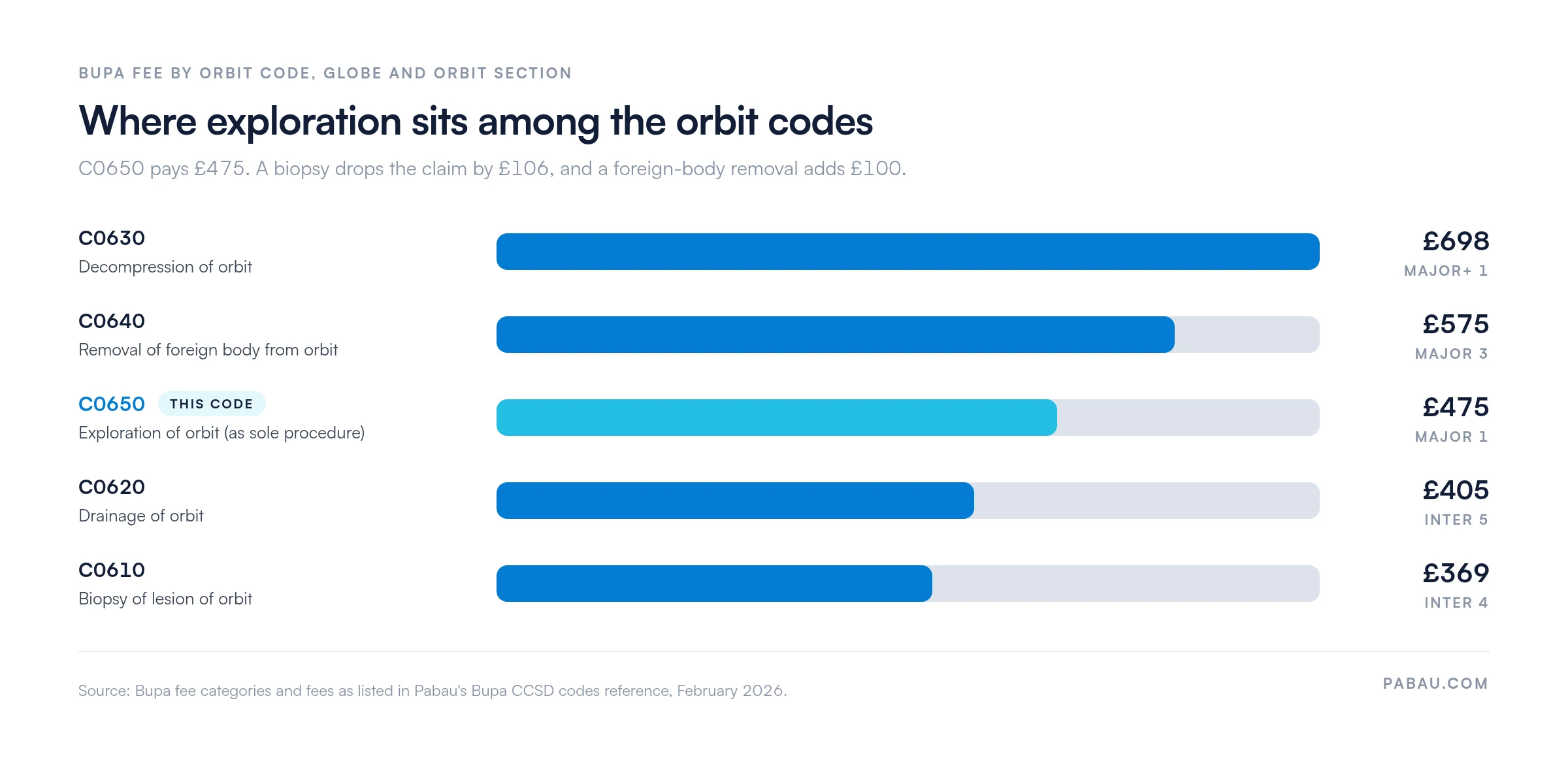
The correct code doesn’t always pay more. Say the surgeon explores the orbit and takes a small biopsy. The claim moves from C0650 at £475 to C0610 at £369, and that lower figure is still the right one.
The fee depends on whose schedule the patient’s policy follows. Three published schedules show how far it moves for the same operation.
Both Freedom Health Insurance and National Friendly publish their schedules as PDFs, so you can check the current figure yourself.
The insurers also disagree on how exploration ranks. Freedom and National Friendly pay C0650 at the same rate as foreign-body removal. Bupa pays £100 less for exploration, so a Bupa claim is where the code choice changes the money most.
Here’s a worked example. The consultant charges £600 for an orbit exploration. A Bupa patient’s benefit covers £475, which leaves a £125 shortfall. Unless the consultant works within Bupa’s fees, the patient pays it, so confirm the figure in writing before surgery.
Fees change, so check the live figure on the Bupa code search before you quote. Our Bupa CCSD codes guide explains how the fee categories map to payments.
Insurers read the note against the descriptor, so it needs to prove two points. The orbit was opened, and no other procedure followed. Before the surgeon signs, walk through these five details.
A note that ends at “orbit explored” leaves the reviewer guessing, and guessing turns into a query. The negative finding answers that question before the insurer asks it. Add the surgeon’s GMC number to the invoice as well, since insurers match it against their recognition records.
If the scan was equivocal, ask the surgeon to name the scan and its date in the indication. That one line links the decision to operate to evidence the insurer can check.
Every insured C0650 case needs pre-authorization from the insurer. The timing depends on how the patient arrived, and three questions come up often.
The exploration is planned after a scan. When do we call the insurer? Before surgery is booked. Give the insurer C0650, the consultant’s name and the diagnosis, then record the reference they issue.
The patient came in with a penetrating eye injury overnight. What now? Treat first. Then call the insurer on the next working day, explain the emergency and record the reference against the case.
What if the plan changes in the operating room? Tell the insurer after surgery if the final code differs from the authorized one. An exploration that became a foreign-body removal should be billed as C0640, with the change noted.
Most avoidable C0650 queries trace back to a missing field. A two-minute check before submission catches them.
Once Healthcode accepts the claim, save its transaction reference in the patient record. You’ll need it for any chase or appeal.
Queried C0650 claims usually fail on the code choice or the note, rather than the surgery. These are the slips to watch for.
In many practices, a C0650 claim gets typed twice. The operative detail sits in one system, and the billing team re-keys it into Healthcode with the authorization number copied from an email.
Practice management software like Pabau connects to Healthcode, so the claim builds from the patient record instead. With Pabau’s claims management software, the CCSD code, membership number and authorization reference carry across. Pabau checks the required fields before the claim can be sent.
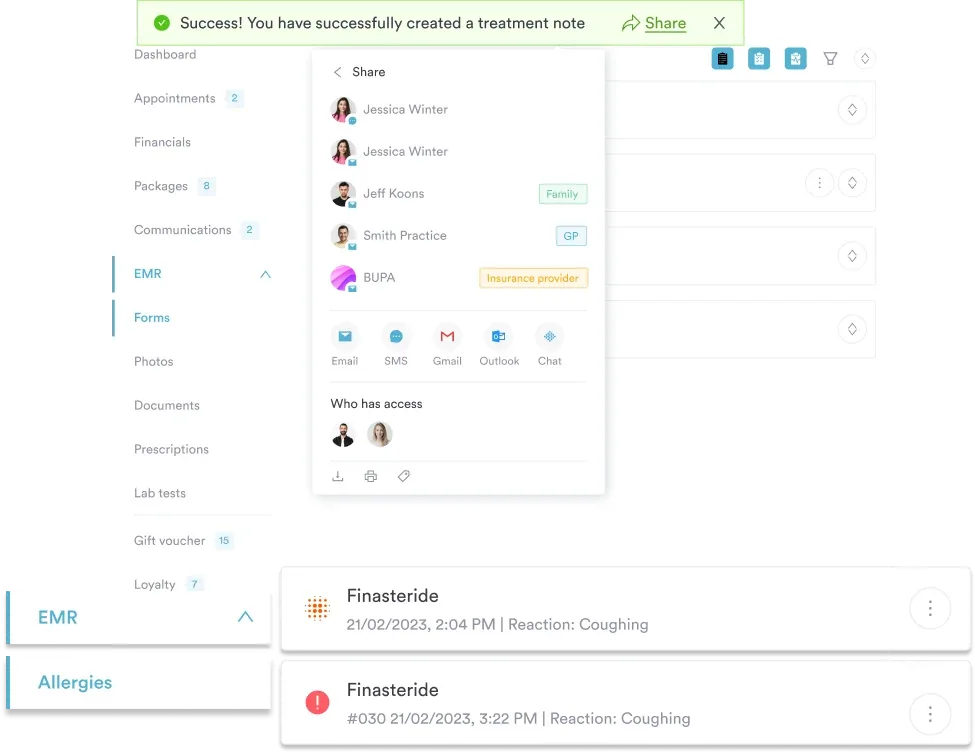
Payments then come back into the same place. Remittances match against each invoice, so your team can see which orbit claims are paid and which still need a chase.
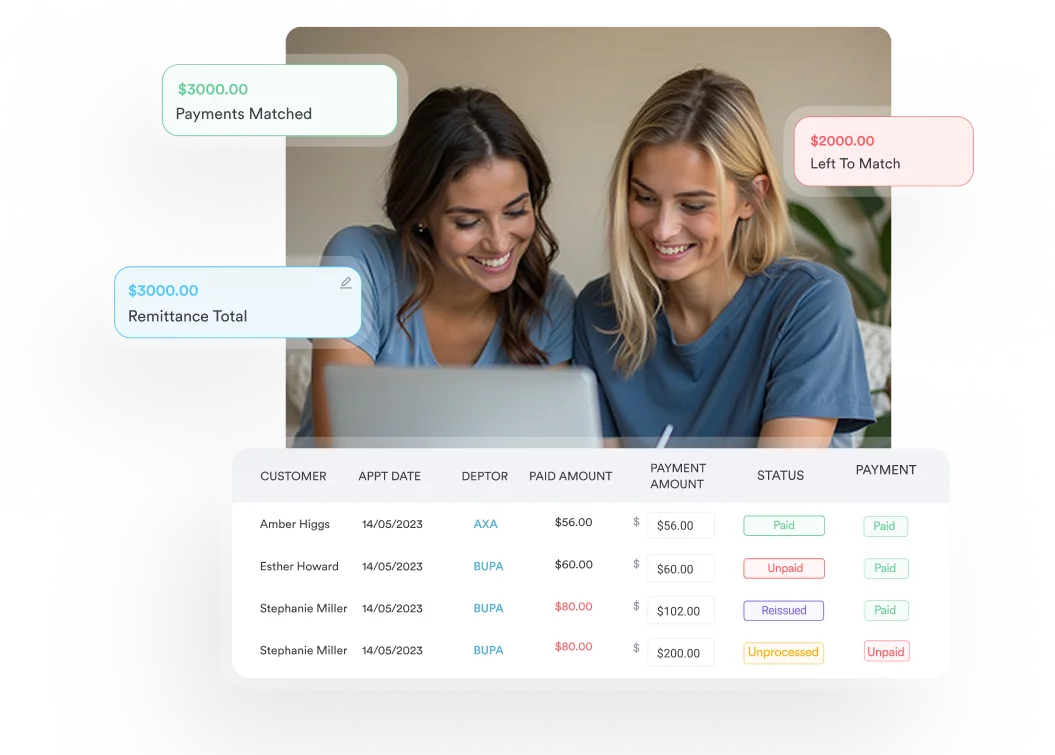

Pabau builds CCSD claims like C0650 from the patient record and checks required fields before submission. Then you can track each claim’s status in one place.

C0650 is an unusual code, because it pays for a look rather than a fix. That makes it the code most likely to change between the operating room and the invoice.
Treat the operative note as the deciding document. When it records the findings and states that nothing further was done, C0650 stands on its own. When it shows a second step, the claim belongs to that code, and billing it that way keeps you clear of clawbacks.
Book a demo to see how Pabau takes a C0650 claim from the operative note to Healthcode without retyping a field.

Billing the drainage code instead? CCSD code C0620 covers drainage of orbit, the neighbor C0650 claims most often turn into.
Working on the eyeball rather than the socket? CCSD code C0122 covers eye removal with an orbital implant, and the detail that decides its fee.
Need the diagnosis side of the claim? ICD-10 code H05.9 covers unspecified orbit disorders and when a more specific code fits.
Comparing fees across procedures? Bupa procedure codes fee schedule shows how chapter groupings shape what each code pays.
No. C0650 is a surgical eye code for exploring the orbit, usually after injury or an abnormal scan. Cosmetic eyelid and brow work uses other codes, and most policies exclude cosmetic surgery.
It depends on the reason for surgery. After an injury, S05.4 covers a penetrating wound of the orbit. H05.5 covers a retained old foreign body. UK insurers use the WHO version of ICD-10.
Yes, on their own invoice. UK insurers pay anesthetists against the procedure code from a separate fee column. Freedom Health Insurance, for example, lists £285 for the anesthetist on C0650.
No. The radiology provider bills the scan under its own code, separate from the surgeon’s and anesthetist’s invoices.
No. CCSD codes exist for private medical insurance claims. NHS hospitals record the same operation with OPCS-4 procedure codes instead.