CPT Code 69610: Tympanic membrane patch repair (myringoplasty)
CPT code 69610: official descriptor and procedure overview CPT code 69610 descri...

Last Updated: Oct 19, 2026
C0122 is the CCSD code for enucleation/evisceration of eyeball (with implant). It covers removing the whole eye, or only its contents, when the surgeon places an orbital implant during the same operation. The code sits in chapter 4 of the CCSD schedule, Eye and orbital contents, under Globe and orbit.
The implant is the detail the claim turns on. The same surgery without one bills as C0120, and an implant added at a later operation moves to the socket reconstruction codes. Insurers query claims where the note and the code disagree. That's why the operative note, the pre-authorization and the code all need to tell the same story.
Let Pabau's smart automation suggest the right codes, reduce claim denials, and keep your practice compliant—effortlessly.
Automate repetitive tasks and focus on what matters most—your patients.
Reduce coding errors and ensure compliance with the latest regulations.
Clean claims, fewer denials, and faster reimbursements.
Powerful insights and reporting to help your practice thrive.
HIPAA compliant SOC 2 certified GDPR-compliant Trusted by 4,000+ clinics worldwide

C0122 covers enucleation or evisceration of the eyeball when an orbital implant goes in during the same operation.
The same operation without an implant bills as C0120, and an implant added at a later operation moves to the socket reconstruction codes.
Insurers check the operative note against the descriptor, so the note should name the procedure, the side, and the implant.
Confirm pre-authorization and the consultant’s recognition with the insurer before surgery, since both are common reasons for a query.
The anesthetist claims against the same CCSD code with a separate fee line, not under a different chapter.
CCSD code C0122 is the UK private billing code for enucleation/evisceration of eyeball (with implant).
It applies when the surgeon removes the eye, or only its contents, and places an orbital implant in the same sitting. You’ll find it in chapter 4 of the schedule, Eye and orbital contents, under section 4.1 Globe and orbit.
CCSD stands for Clinical Coding and Schedule Development. The CCSD Group, whose members include Aviva, AXA Health, Bupa and Vitality, maintains the codes and their descriptors on ccsd.org.uk. C0122 is one of many CCSD codes used on private claims, and each insurer sets its own fee against it.
NHS hospitals record the same surgery in OPCS-4, which is a different classification. A private claim needs the CCSD code instead, so a consultant who operates in both sectors keeps the two references apart.
Both operations fall under the same code, so choosing one over the other doesn’t change what you bill. The note still has to say which one happened, though, because the insurer’s reviewer reads it against the descriptor.
Here’s how that plays out. A patient has a blind, painful eye after years of glaucoma. The surgeon eviscerates the eye and places an implant in the same session, so the case is C0122. Had the surgeon left the socket empty and planned the implant for later, the first operation would bill as C0120.
The artificial eye itself isn’t part of C0122. An ocularist usually fits it once the socket has healed, and that work sits outside the surgical fee.
Section 4.1 groups C0122 with a handful of close neighbors. Two questions separate them: how much tissue came out, and when the implant went in.
The descriptors below come from Freedom Health Insurance’s chapter 4 schedule, which lists the CCSD wording for each code.
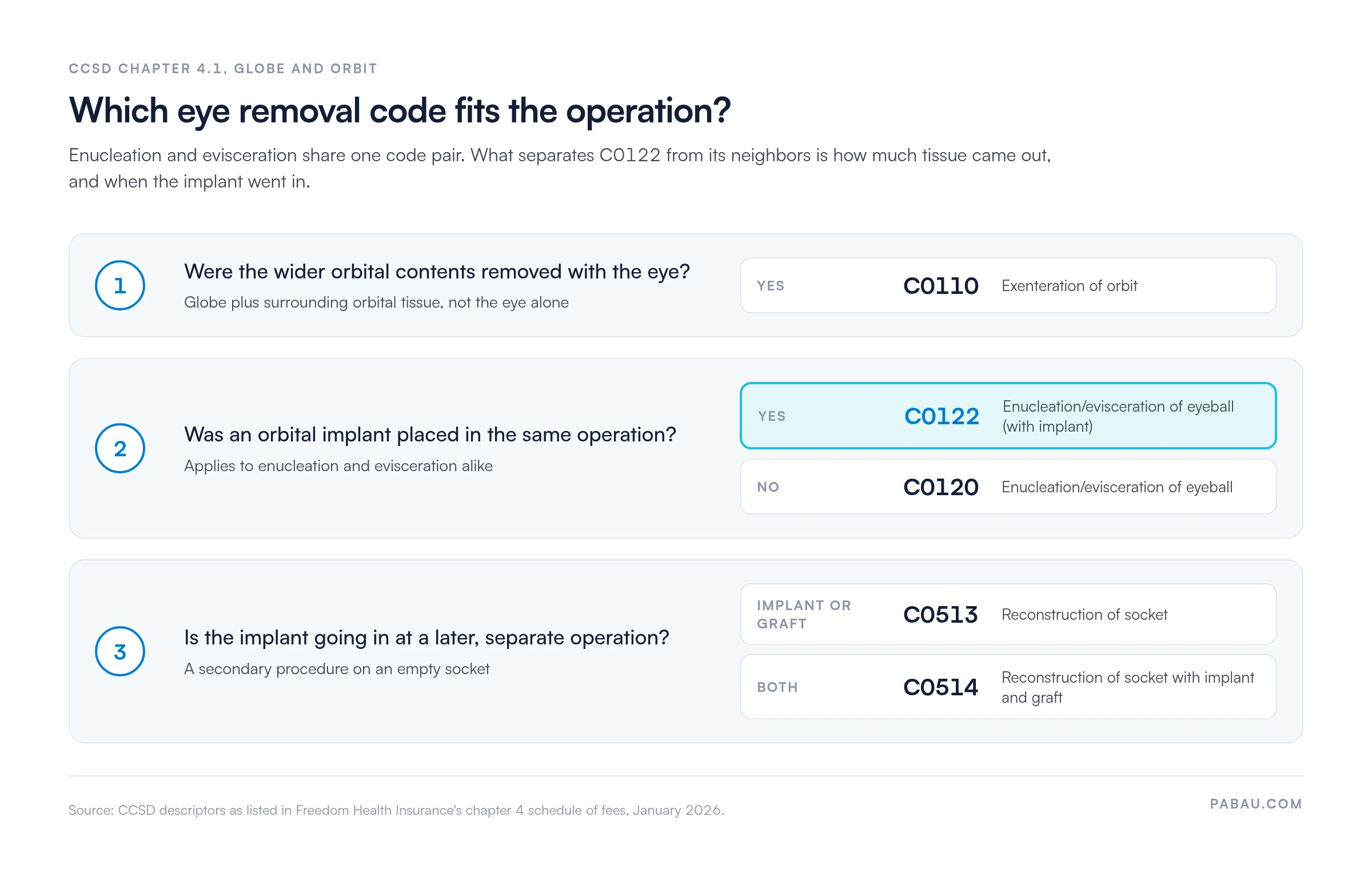
In practice, two errors come up again and again. The first is billing C0122 when the note never mentions an implant. The second is using it for a secondary implant into an empty socket, which belongs with the socket reconstruction entries instead.
If the surgeon clears the orbit and its contents rather than the globe alone, the claim moves to C0110 for exenteration of orbit. If the globe stays and only a lesion of the orbit comes out, the operation bills as C0213.
Insurers audit a C0122 claim by comparing the note with the descriptor. So the note should read like the descriptor, plus the clinical detail a reviewer needs to agree with it.
Before the claim goes out, check that the note records these six points:
A structured template makes this far easier to get right. Give the implant its own field on the form, and the surgeon fills it in every time instead of relying on memory.
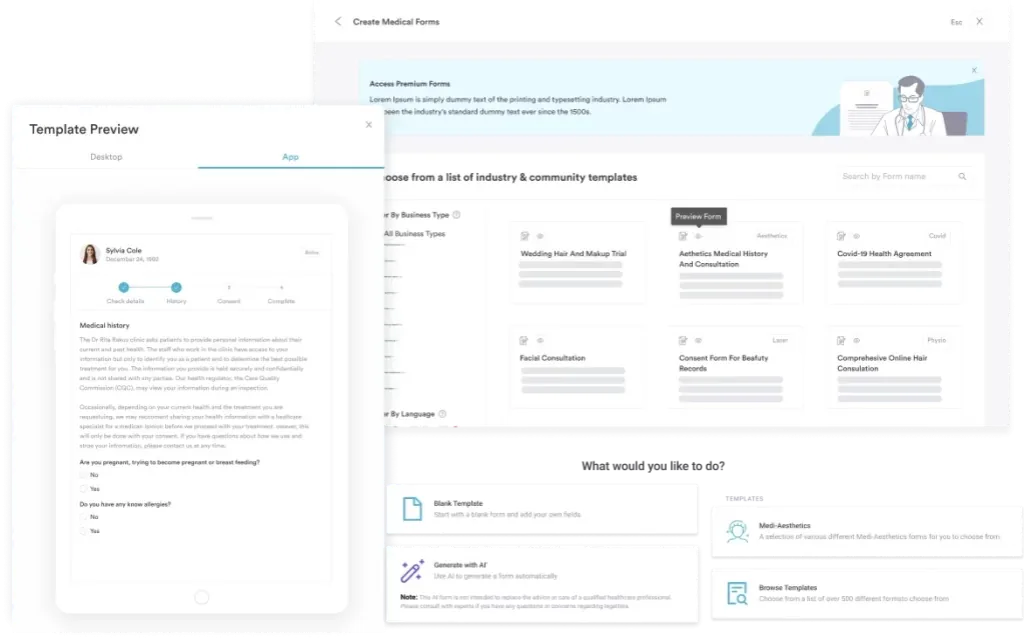
Most queries on an eye removal claim trace back to a detail someone could have checked at booking. A quick pass through this list catches them while there’s still time to fix them.
Each insurer publishes its own fee and authorization rules for the code. The table shows where to look them up.
Bupa’s rules differ from the other insurers in places. If Bupa covers a large share of your patients, our guide to Bupa CCSD codes covers those differences.
From there, claims usually go through Healthcode, the UK clearinghouse for private medical claims, which checks each one and routes it to the insurer.
When a claim does come back, the reason is usually one of these four. Each has a simple fix.
Log every C0122 query by insurer and by reason. When the same query keeps coming from one insurer, the cause is usually one step in your booking process. A missed pre-authorization call is the classic example.
In many practices, the operative note lives in one system, the invoice in another, and the claim in a third. Each hand-off is a chance for the implant detail or the authorization number to fall off the claim.
Practice management software like Pabau keeps those steps on one patient record. Its claims management software sends CCSD-coded claims to Healthcode straight from that record, with checks before submission. You can then follow each claim’s status and reconcile the payment in the same place.
The result is fewer queried claims, and less time spent chasing a missing reference after the patient has gone home.
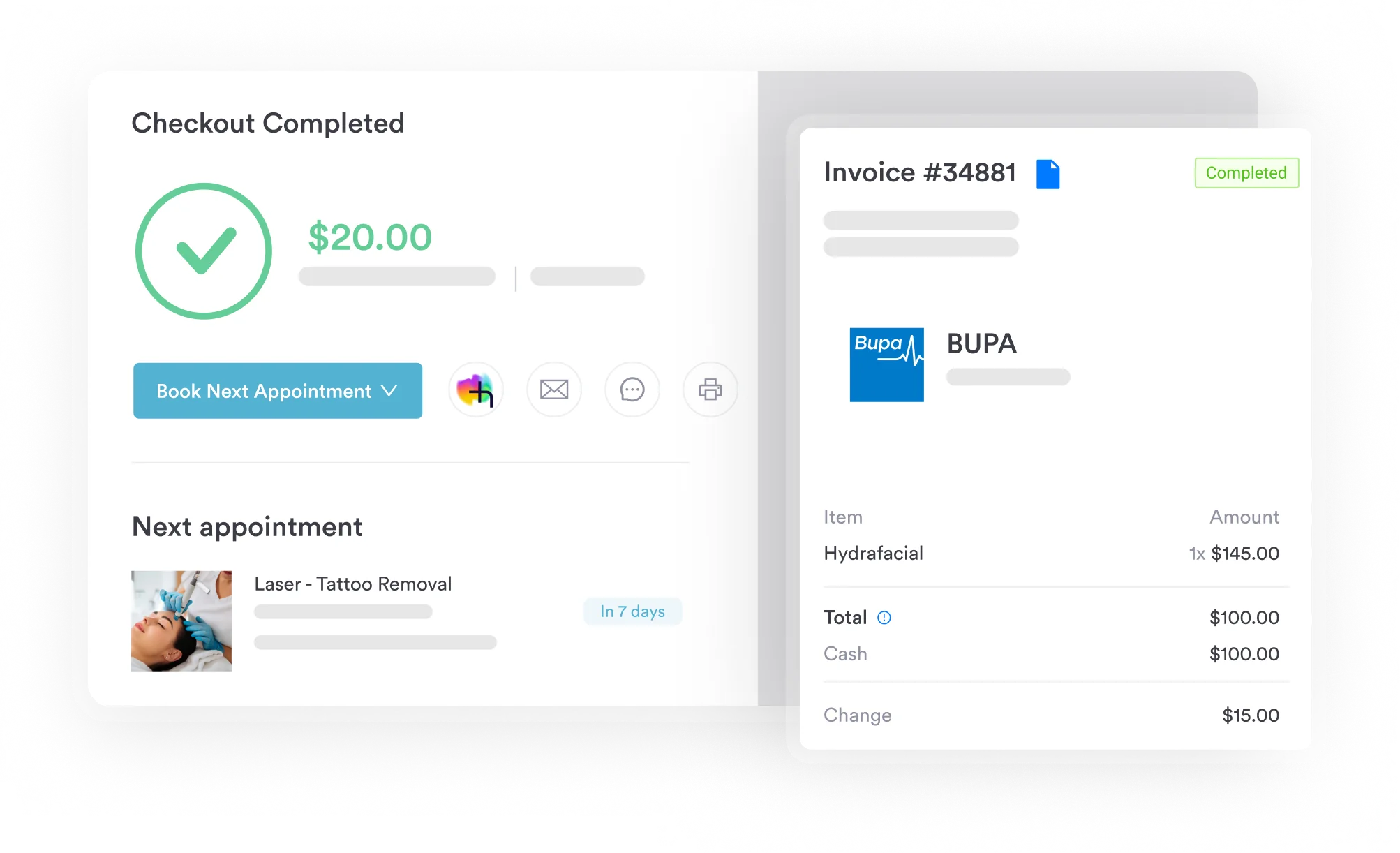

Pabau keeps the operative note, the invoice and the Healthcode claim on one patient record. That way, each C0122 submission carries the detail insurers check.

C0122 is a narrow code. It fits only when the eye, or its contents, comes out and an implant goes in during the same operation. Treat the implant as the fact the whole claim rests on, and make sure the note says so plainly.
Get that right, confirm authorization before the surgery date, and most C0122 claims go through without a query. The cost is a few minutes of checks at booking, which is far less than the time a resubmission takes.
Want your notes, invoices and Healthcode claims on one record? Book a demo and we’ll walk you through a private surgical claim from start to finish.

Billing across several private insurers? Bupa CCSD codes explains how Bupa applies the schedule, and where its rules differ from other insurers.
Coding eye trauma that didn’t need removal? CCSD code C6410 covers repair of a prolapsed iris and what the claim needs.
Removing a foreign body instead? CCSD code C6450 walks through removal of a foreign body from the iris.
Also billing cataract surgery? CCSD code C7110 covers extracapsular cataract extraction without an implant.
No. C0122 covers the surgery and the orbital implant placed during it. An ocularist makes and fits the artificial eye once the socket heals, usually some weeks later. Cover for it depends on the policy, so check the patient’s prosthesis benefit separately.
Common reasons include a choroidal melanoma (ICD-10 C69.3), a degenerated, blind eye such as absolute glaucoma (H44.5), and purulent endophthalmitis (H44.0). Eye trauma with loss of intraocular tissue (S05.2) is another. Surgeons tend to choose enucleation over evisceration when a tumor is suspected.
Usually, when the surgery is medically necessary and the policy covers the condition. Pre-existing condition exclusions are the main catch, especially for long-standing glaucoma or an old injury. Ask the insurer to confirm cover before you book the surgery.
A later operation on the socket doesn’t bill as C0122 again. Replacing or adding an implant sits with the socket reconstruction codes, C0513 or C0514, depending on whether an implant, a graft, or both are used.