CPT Code 69610: Tympanic membrane patch repair (myringoplasty)
CPT code 69610: official descriptor and procedure overview CPT code 69610 descri...

Last Updated: Oct 19, 2026
CCSD code AA378 is the surgical procedure code for pharyngolaryngectomy, graded Complex in the schedule UK private medical insurers use. The operating surgeon bills it after removing the larynx together with all or part of the pharynx, most often for cancer of the hypopharynx.
AA378 is not an anesthesia code. The anesthetist bills against the same code, and the insurer pays them the anesthetist fee it sets for that procedure. Reconstruction by stomach pull-up or free jejunal graft is coded separately, as E2140 or E2150.

CCSD code AA378 is the surgical code for pharyngolaryngectomy, graded Complex, and the operating surgeon bills it.
The AA prefix doesn’t mean anesthesia. AA codes were created by the CCSD Group and span specialties from ENT to cardiology.
The anesthetist bills against AA378 too, and the insurer pays the anesthetist fee it sets for that code.
Reconstruction after pharyngolaryngectomy has its own codes: E2140 for a stomach pull-up and E2150 for a free jejunal graft.
Not every UK insurer lists AA378 in its fee schedule, so confirm the code with the insurer at pre-authorization.
Practice management software like Pabau keeps the pre-auth reference, operative note and claim together for surgeon and anesthetist.
CCSD code AA378 is the Clinical Coding and Schedule Development (CCSD) procedure code for pharyngolaryngectomy. The descriptor is simply “Pharyngolaryngectomy,” and the schedule grades it Complex.
It sits in the Pharynx section of the CCSD schedule, under Throat and Voicebox, directly above E1910 and E1920. Larynx is a separate section starting at E2910, and the reconstruction codes E2140 and E2150 sit several codes below AA378.
The code covers resection of the larynx and the surrounding pharynx as one operation. Head and neck surgeons perform it, usually for advanced hypopharyngeal or laryngeal cancer. Because the larynx is removed, the patient breathes through a permanent tracheostoma afterward.
The AA prefix marks a code the CCSD Group created for its own schedule. It doesn’t mark an anesthesia code, and there is no AA family of anesthetic services. Coders who read it that way pick AA378 for the wrong person on the invoice.
AA codes appear across the whole schedule, in unrelated specialties. A few examples show how wide the spread is:
Read an AA code by its descriptor and section, never by its prefix. AA378 sits in the Pharynx section, beside the pharyngectomy codes, so ENT billing teams own it. AA588 needs the same reading. Its descriptor covers a standby team held ready during coronary angioplasty, and insurer schedules differ on who claims it.
A pharyngolaryngectomy removes the larynx and all or part of the pharynx through an open neck approach under general anesthesia. The trachea is brought out to the skin of the neck as a permanent stoma. The surgeon then has to restore a swallowing passage from the mouth to the esophagus.
How that passage is rebuilt decides which extra codes join AA378 on the claim:
Pharyngolaryngectomy is a long inpatient operation, often with a planned critical care stay. A second consultant team, such as an upper GI or plastic surgeon, may carry out the reconstruction.
The pharynx and larynx sections of the schedule hold several CCSD codes that overlap with AA378 in anatomy. The table maps each one by what was removed or rebuilt, with its complexity grade.
The costliest mistake is billing E2910 and E1910 together for one pharyngolaryngectomy. AA378 already describes the combined resection, so splitting it invites an unbundling query.
Descriptors and grades above follow the CCSD-based schedules that AXA and Freedom Health Insurance publish. The diagram below reduces the choice to two questions about the operation.
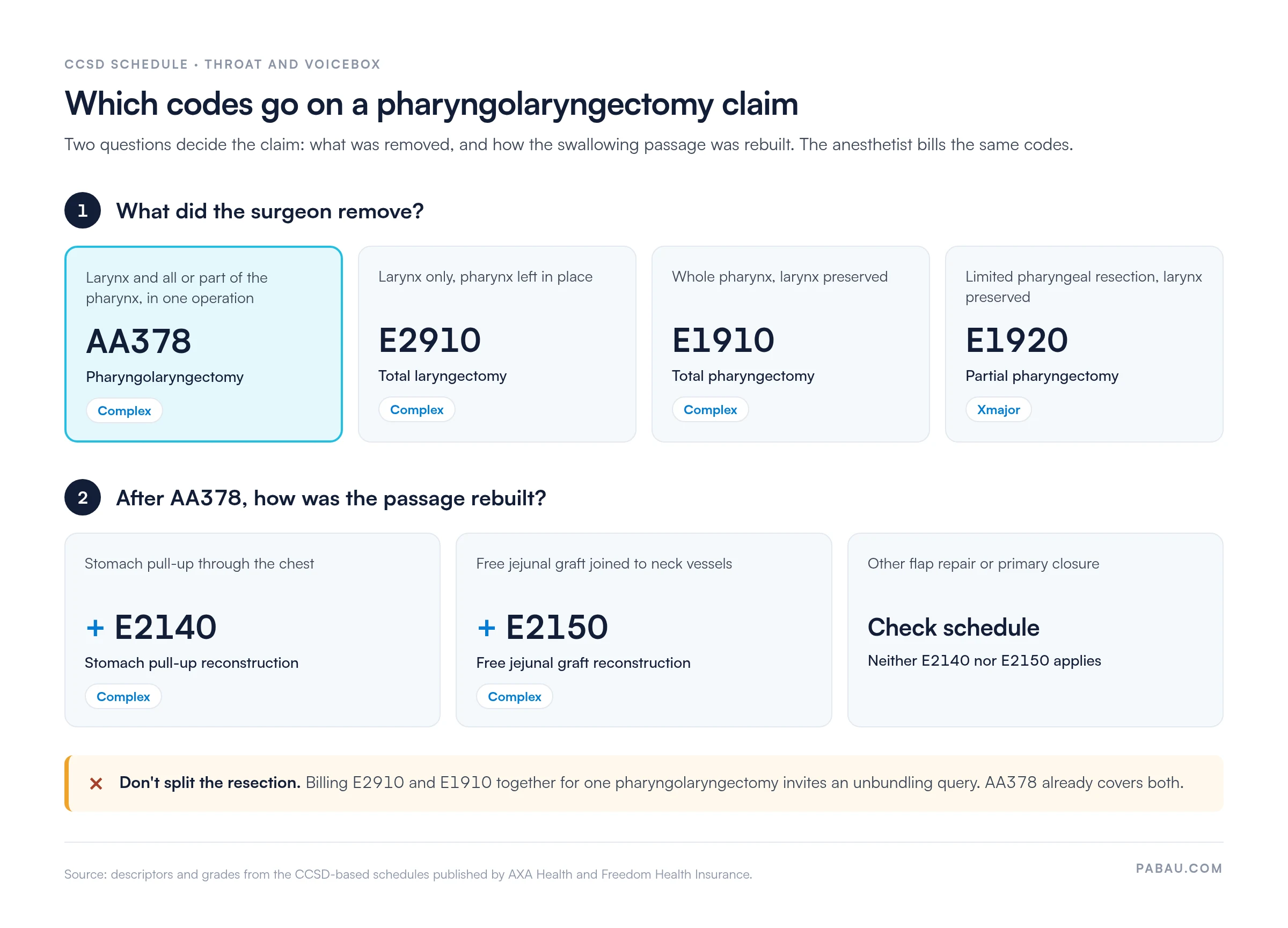
Every PMI claim for AA378 needs at least one ICD-10 diagnosis code. UK insurers use the WHO ICD-10 classification, published through the NHS Classifications Browser. Code the primary tumor site that the histology report confirms.
Use the most specific subsite the pathology report supports, and avoid an unspecified code where the site is documented. Check every code against the current NHS Classifications Browser release before you submit.
The anesthetist bills the same code as the surgeon, AA378. UK private medical insurers set anesthetist fees against the surgical procedure’s CCSD code, so there is no separate anesthesia code to look up.
Insurer fee schedules show this directly. Freedom Health Insurance’s ENT fee schedule lists a specialist fee and an anesthetist fee on each procedure line, including E2140 and E2150. The anesthetist claims the fee on that line.
UK private medical insurers treat pharyngolaryngectomy as major cancer surgery that needs pre-authorization. Requirements vary between insurers and change over time. Confirm them in the insurer’s portal before the patient is listed.
Also check that the insurer lists AA378 at all. Freedom Health Insurance’s May 2026 ENT schedule lists E2140 and E2150 but has no line for AA378. Where the code is missing, ask the insurer in writing which code it wants before surgery.
Request one pre-authorization that names every code in the episode: AA378, any reconstruction code, and the anesthetist. Share the reference with every consultant billing the case. A reconstruction line or anesthetist invoice with no matching authorization is a common reason for a partial denial.
Insurers may ask for the operative note at audit or after a query. If the note doesn’t support the code billed, the claim can be reversed. For AA378, the note has to show that both the larynx and the pharynx were removed.
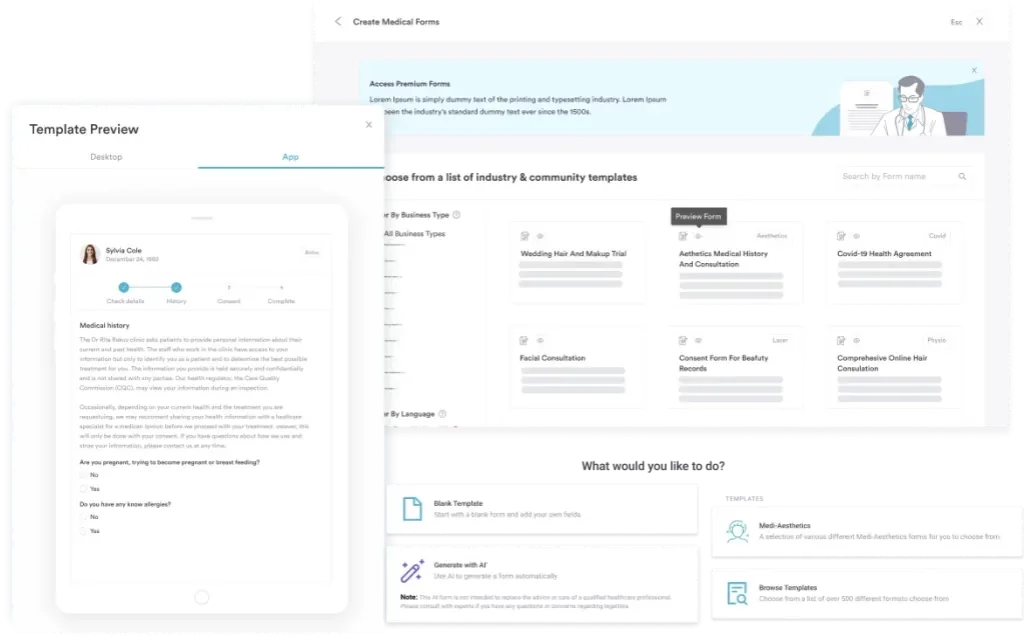
A pharyngolaryngectomy usually produces at least two professional invoices, one from the surgeon and one from the anesthetist. Both follow the same six steps.
Check each insurer’s submission deadline in its provider terms, since the window differs between payers.
Many AA378 denials trace back to the code itself. The prefix gets misread, the resection gets split into two codes, or the insurer’s schedule doesn’t list AA378. The table pairs each common cause with its fix.
The CCSD Technical Guide, updated in October 2025, sets out the bundling and unbundling rules for the whole schedule.
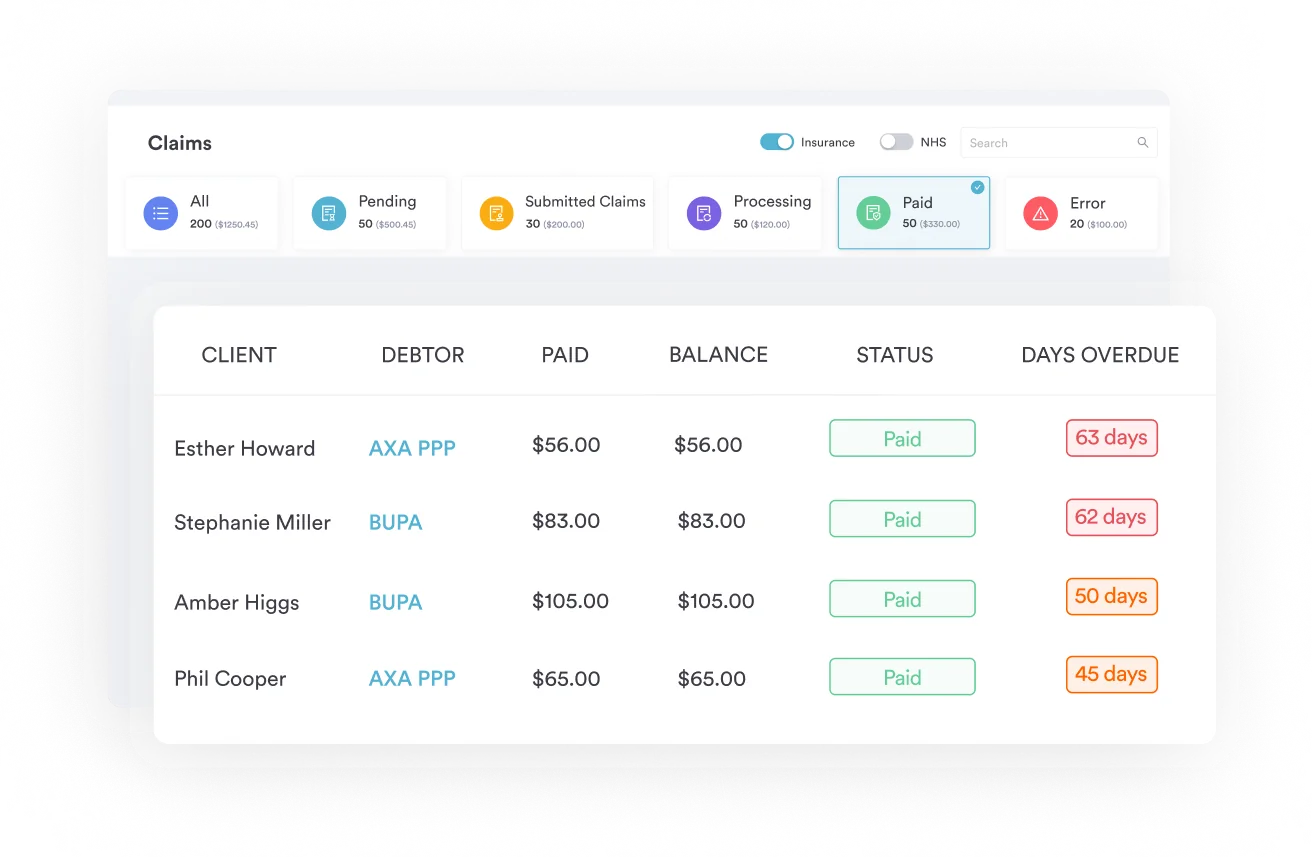
A pharyngolaryngectomy involves several consultants, one authorization and a long operative note. Keying that into each insurer’s portal by hand invites errors. Pabau’s claims management software holds CCSD codes, ICD-10 diagnoses and authorization references together on one claim.
Mandatory fields must be complete before a claim goes out. An AA378 invoice missing its pre-auth reference or diagnosis code stays in the practice until someone fixes it. The operative note and histology report sit in the same patient record, ready for an insurer query.
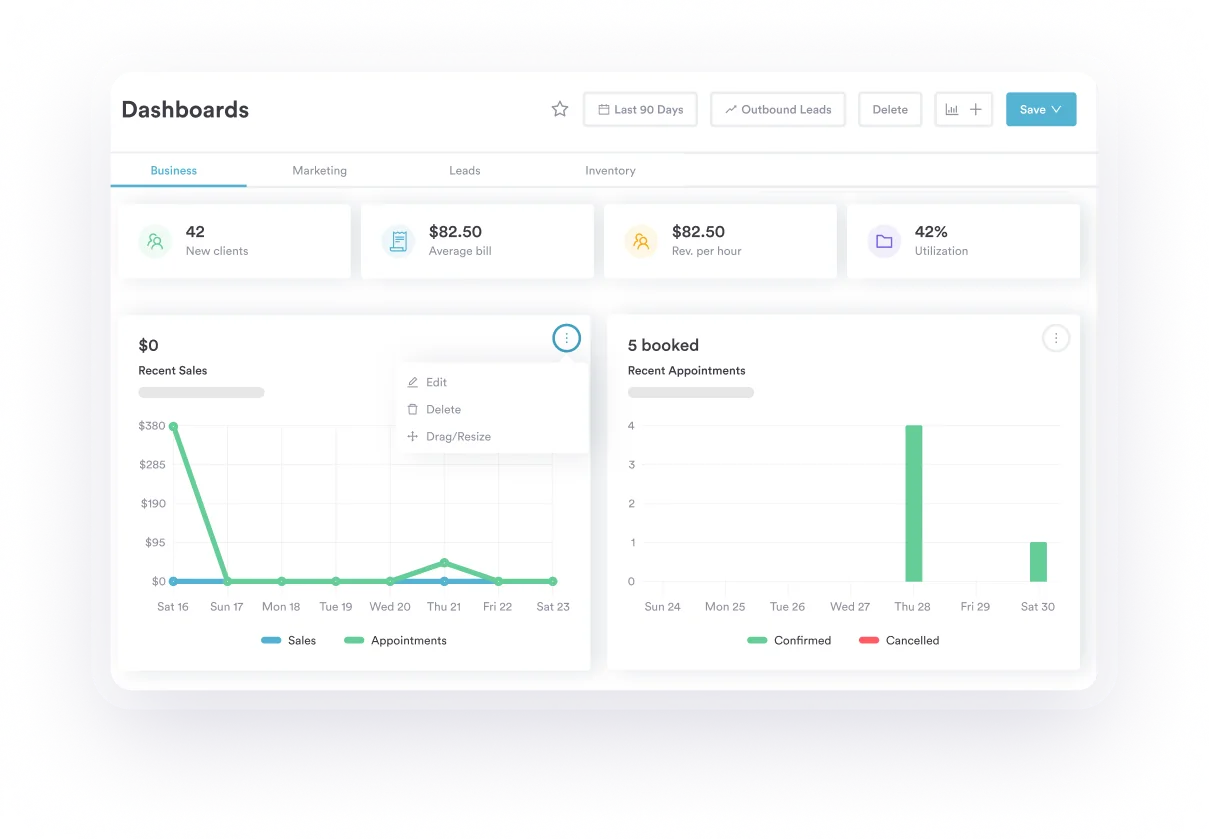

Pabau helps UK private practices submit CCSD-coded claims, link ICD-10 diagnoses and share one authorization reference across the surgeon and anesthetist on every case.

The AA prefix is what trips billing teams up on this code. Read AA378 as the surgical code for pharyngolaryngectomy, and the rest of the claim falls into place. The surgeon bills AA378, the reconstruction gets its own code, and the anesthetist bills against the same line.
The remaining risk sits with the insurer. Not every schedule lists AA378, so settle the code in writing at pre-authorization, before the patient reaches the operating room. A few minutes of checking then saves weeks of chasing a reversed claim.
Book a demo to see how Pabau keeps AA378 claims complete, from the pre-auth reference to payment.

Billing a more limited pharyngeal operation? CCSD code E2300 covers pharyngeal myotomy, from the same ENT chapter of the schedule.
Looking for the Bupa fee schedule? Bupa procedure codes and fee schedule explains how Bupa reimburses CCSD-coded procedures.
Comparing billing systems for a UK private practice? Best medical billing software in the UK compares billing platforms built for UK private practices.
CCSD code AA378 covers pharyngolaryngectomy, the removal of the larynx together with all or part of the pharynx. The schedule grades it Complex. The operating surgeon bills it, most often after surgery for hypopharyngeal or laryngeal cancer.
No, AA378 is a surgical code. The AA prefix marks codes the CCSD Group created itself, and they span many specialties. The anesthetist bills against AA378 and is paid the anesthetist fee the insurer sets for that code.
E2140 covers reconstruction using a stomach pull-up, and E2150 covers reconstruction with a free jejunal graft. Both are graded Complex. Other flap repairs need a different code, so check the current schedule.
No. AA378 already describes the combined resection of the larynx and pharynx. Billing E2910 and E1910 together for one operation invites an unbundling query or denial.
Not all of them. Freedom Health Insurance’s May 2026 ENT schedule lists E2140 and E2150 but not AA378. Confirm in writing at pre-authorization which code the insurer will pay.
Pair AA378 with the code for the primary tumor site in the histology report. That is usually C13 for the hypopharynx, C32 for the larynx or C15.0 for the cervical esophagus. Use the most specific subsite documented.